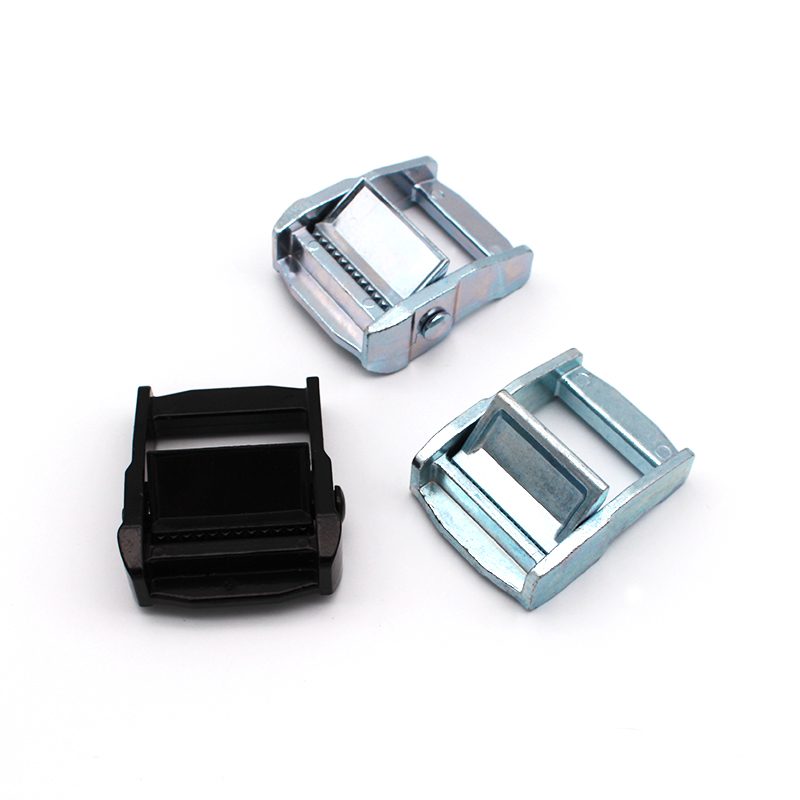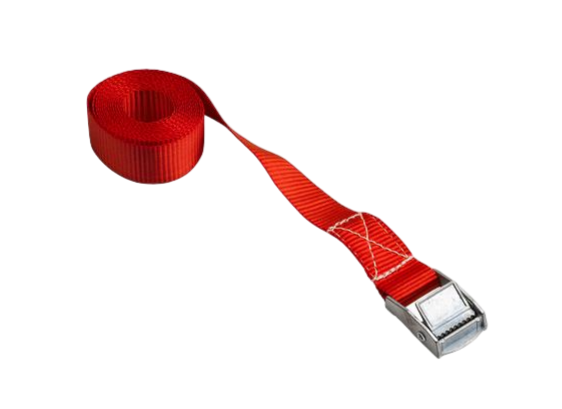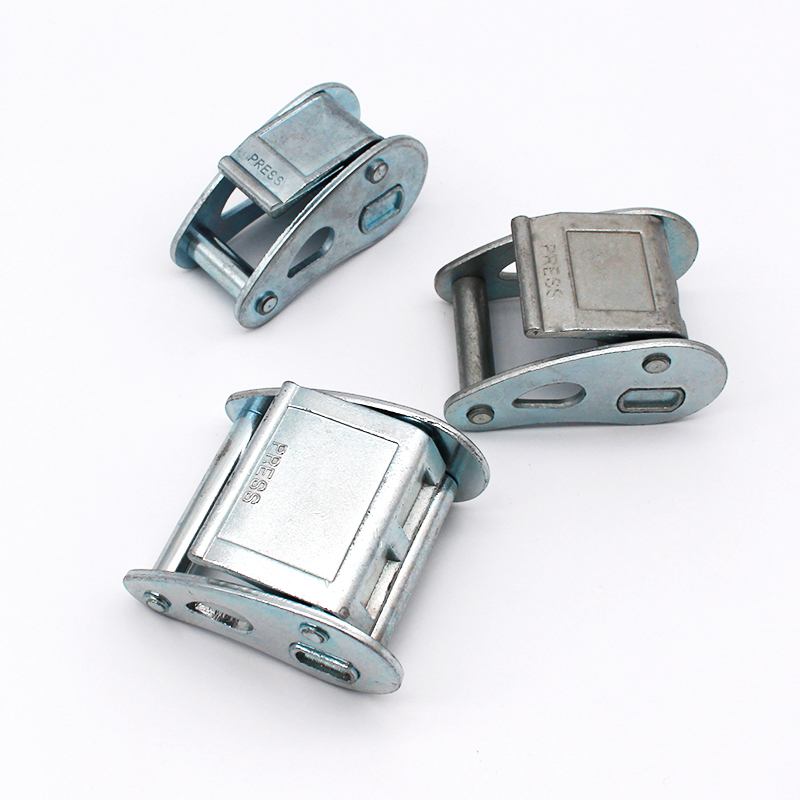
S-hook and J-hook ratchet straps differ in several ways. The main difference lies in the shape of the hooks and the connection method. S-hooks are easier to use and offer more flexible connection options. J-hooks are more secure and can reach hard-to-reach corners. Understanding these differences helps people choose the right ratchet strap for their cargo. Baoying is a trusted brand of ratchet straps and lashing equipment. They are committed to ensuring their products meet the needs of all users.
Key Takeaways
- S-hooks are easy to use, fit a variety of anchor points, and are ideal for light to medium-weight cargo.
- J-hooks are more secure and offer a stronger grip, making them ideal for heavy-duty operations and heavy cargo.
- Choose S-hooks for quick installation and J-hooks for heavy loads requiring additional support.
- Always check the fit between the hook and the anchor point to ensure safe transport.
- Clean and inspect the ratchet strap regularly to maintain its good condition and extend its lifespan.
S Hook Ratchet Straps
Features of S-Hooks
S-hook ratchet straps are easy to use and versatile. Many people like S-hooks because they are suitable for various fixing points. These hooks can help you install quickly, saving time. Some S-hooks come with anti-slip features to prevent slippage, thus securing goods more securely. The following table lists the main features of S-hook ratchet straps:
| Feature | Description |
|---|---|
| Versatility | Good for tying things down in trucks or trailers. |
| Compatibility | Fits many kinds of anchor points. |
| User-friendly design | Makes setups quick and simple. |
| Availability of keepers | Some have keepers to stop slipping. |
| Range of applications | Works for both light and heavy cargo. |
S-hooks are made of strong materials. Most S-hook ratchet straps are made of tough polyester fiber. This material is not easily stretched and is abrasion resistant. Some S-hooks use nylon, which is even stronger. Nylon has good abrasion resistance and sun resistance. High-quality nylon straps can withstand at least 2800 pounds (approximately 1270 kg) of pulling force. This makes S-hooks suitable for a variety of applications.
Applications of S-hooks
S-hooks are very important in handling and transporting goods. People use S-hook ratchet straps to secure goods on trucks and trailers. These hooks prevent goods from shifting or tipping over during travel. S-hooks also help ensure the safety of goods in warehouses. Many workers use S-hooks daily.
Applications of S-hook ratchet straps include:
- Keeping cargo safe in pickup trucks
- Holding loads in big trailers
- Stopping cargo from moving during trips
- Keeping things from tipping or slipping
- Making sure loads stay safe in shipping
S hooks are a simple way to keep cargo safe. Their design makes them a top pick for many jobs, big or small.
J Hook Ratchet Straps
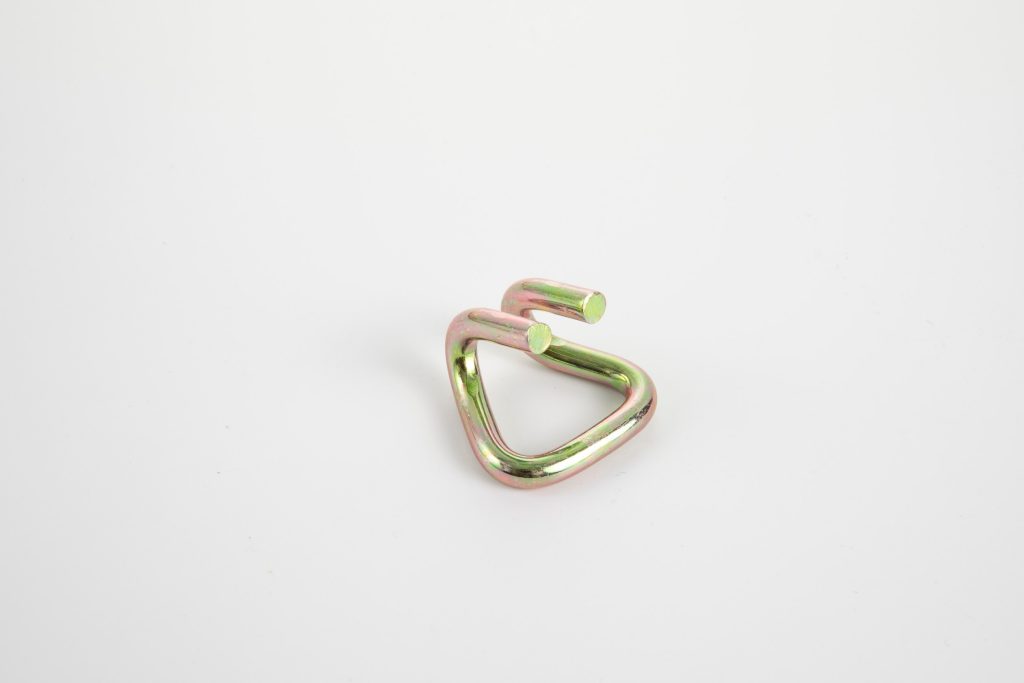
Features of J-Hooks
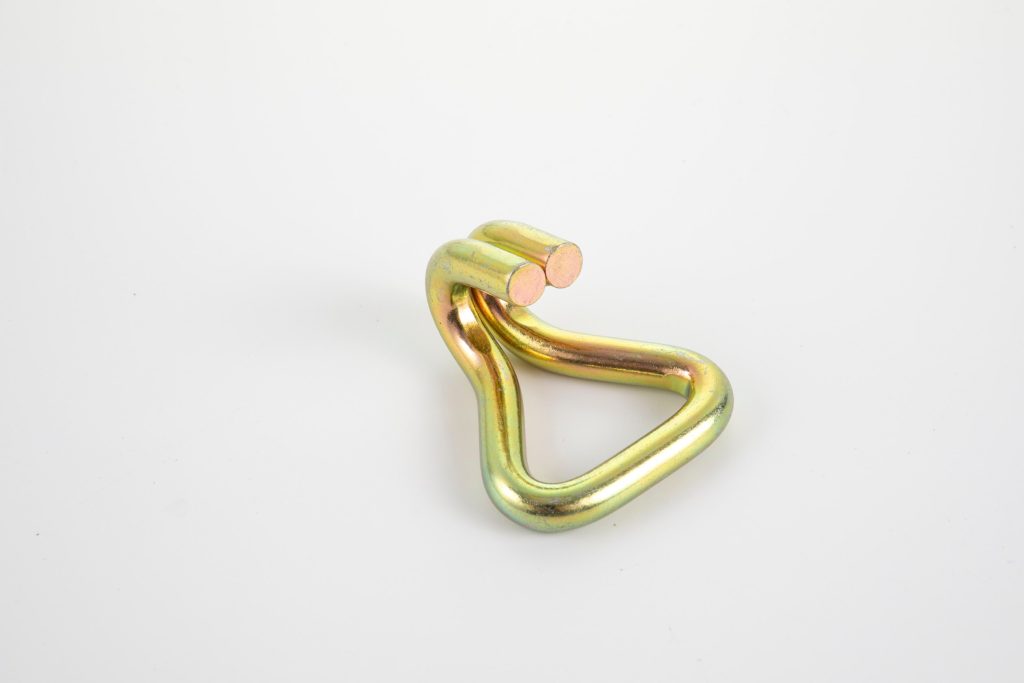
The unique shape of J-hooks allows them to firmly grip anchor points. Many people choose J-hooks for heavy-duty work because they provide a strong and reliable connection. These hooks typically feature a double-strand wire design, enhancing their strength. The table below lists the main features of J-hook ratchet straps:
| Feature | Specification |
|---|---|
| Hook Type | Universal double wire j hooks |
| Webbing Material | Weather resistant nylon webbing |
| Hardware | Zinc coated for longevity |
| Break Strength | 15,000 lbs |
| Working Load Limit | 5,000 lbs |
| Dimensions | 40′ L x 4″ W |
| Ideal Use | Tie down for truck, trailer, rail car |
| Warranty | 1 Year Warranty |
J-hooks are also available with uncoated hook ends to meet different needs. Some J-hook ratchet straps have lower breaking strength. Weather-resistant webbing ensures the straps remain secure in rain or sun. Galvanized hardware prevents rust and extends the hook’s lifespan. J-hooks are suitable for both short-haul and long-haul transport.
Applications of J-hooks
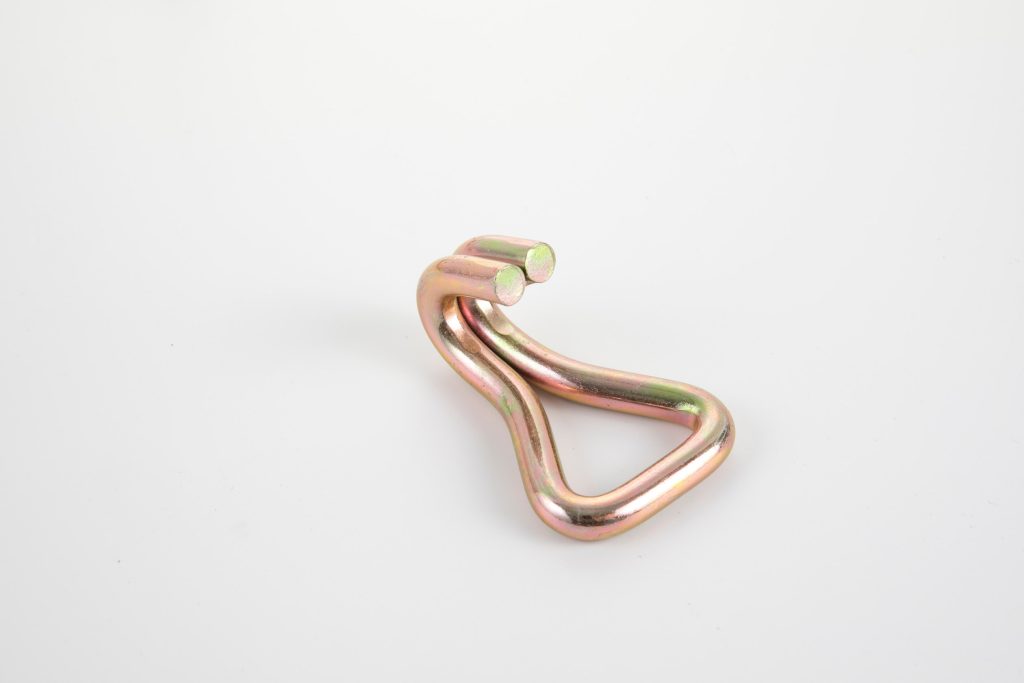
J-hooks play a vital role in cargo handling and securing. Many truck drivers use J-hook ratchet straps to secure heavy objects to flatbeds or trailers. These hooks are suitable for most anchor points, making them versatile. J-hooks are used for commercial purposes, such as transporting equipment or building materials. They are also used for personal purposes, such as moving furniture or securing motorcycles.
J-hooks help ensure the safety of goods during transport. Their strong grip prevents goods from shifting or falling. Many workers rely on J-hooks because they can withstand high pressure and remain secure even under heavy workloads. J-hook ratchet straps facilitate securing large or irregularly shaped items. Unlike other hooks, J-hooks can reach anchor points that other hooks cannot. This makes the J-hook the preferred choice for many cargo securing tasks.
Comparing S Hook and J Hook Ratchet Straps
Design Differences
S-hook and J-hook ratchet straps differ in appearance. S-hooks are shaped like an “S” with smooth lines. This shape allows for quick engagement of multiple anchor points. J-hooks, on the other hand, are shaped like a “J” with a larger bend angle. This shape helps them firmly grip anchor points and maintain stability during transport. Both hooks are end fittings, but their shapes determine how they are attached to goods and vehicles.
BAOYING sells a variety of binding end fittings, including S-hooks and J-hooks. Their binding straps are available in various sizes and materials, allowing users to choose the most suitable style based on their cargo needs. Furthermore, they offer custom binding straps for special applications. Therefore, you can easily find end fittings suitable for a variety of tasks.
Strength and Load Capacity
Strength and load capacity are important when picking ratchet straps. J hook ratchet straps are usually stronger than S hook ones. Here are some common ratings:
- J hook ratchet straps can break at 10,000 lbs.
- Their working load can be up to 3,333 lbs.
- S hook ratchet straps hold lighter loads, so they are better for small cargo.
J hooks use thick metal and double wire. This makes them strong enough for heavy cargo. S hooks are good for lighter loads and daily jobs. BAOYING makes both kinds of straps. This means you can find the right strap for any weight.
Attachment Points
Attachment points matter when choosing S hook or J hook ratchet straps. S hooks fit many anchor points like rails, loops, and rings. Their open shape makes them easy to put on and take off. J hooks grip anchor points tightly, so they do not slip during travel.
- J hooks are bigger and may not fit in small spaces, like between bump rails or through small holes.
- S hooks are more flexible in tight spots.
- If there are no D rings, both hooks can work about the same.
BAOYING has hooks for many anchor point styles. Their custom service helps users pick the right hook for special cargo needs.
Ease of Use
Ease of use is important for everyone. Many people think S hook ratchet straps are simple because of their open shape. J hooks are often easier for beginners because they stay in place and need less effort to use.
- J hooks are tough and easy to use.
- Beginners like J hooks because they grip well and are simple to attach.
Both hooks help make cargo secure fast and safe. BAOYING’s ratchet straps have smooth ratchets and strong webbing. This makes tying down cargo quick and easy.
Safety Tip: Always make sure the hook fits tight on the anchor point. Do not twist the hooks, as this can make the strap uneven and more likely to break. Check hooks for damage or bending before each use to keep cargo safe.
| Safety Consideration | Description |
|---|---|
| Ensure a Proper Fit | The hook should fit tight on the anchor point to stop slipping. |
| Avoid Twisting | Twisted hooks can pull unevenly and might break. |
| Check for Damage | Look for wear or bending, as broken hooks are not safe. |
S-hook and J-hook ratchet straps each have their specific uses in cargo transportation. Baoying offers a variety of end-fitting types and customization options to help users move goods safely and conveniently.
Advantages and Disadvantages of S-Hook and J-Hook Ratchet Straps
Advantages and Disadvantages of S-Hooks
S-hook ratchet straps offer many advantages in cargo security. People like them because they are fast, efficient, and suitable for a variety of anchor points. Their unique shape makes them easy to handle. Whether you’re a beginner or an expert, you’ll find S-hooks easy to use. These hooks help you quickly secure items and store them in tight spaces. They also keep webbing neat and tidy, keeping your goods organized.
| Advantages | Disadvantages |
|---|---|
| Speed and efficiency | Potential mechanical failure |
| Safety with less loose webbing | Higher costs |
| Ease of use | Need for maintenance |
| Compact storage | Issues with debris and rust |
Sometimes dirt and debris can block the ratchet. This stops the straps from working until you clean them. Springs can get tired or rusty inside the hooks. This can cause the straps to break. Cleaning and checking s hook ratchet straps often helps them last longer. People should look for rust and clean the hooks after using them.
Tip: Keep s hook ratchet straps dry. This stops rust and helps the hooks work well.
Advantages and Disadvantages of J-Hooks
J-hook ratchet straps are strong and durable, securing goods firmly. These hooks grip anchor points firmly, making them ideal for transporting heavy loads. Many people trust J-hooks because they are safe, easy to adjust, and suitable for a variety of heavy-duty operations. The double-strand wire design makes them even stronger.
| Advantage/Disadvantage | Description |
|---|---|
| Advantages | Strength, adjustability, safety features |
| Disadvantages | Mechanism reliability, maintenance needs, higher costs |
J hook ratchet straps can have problems too. Dirt and debris can block the mechanism. This stops the hooks from working. Springs can wear out and stop pulling the webbing. Sand and mud can get inside and jam the gears. Rust from water can hurt the hooks. These problems mean you must check and clean your straps often.
- J hook ratchet straps cost more than regular straps.
- The price is higher because they are strong and have extra safety.
- Users should think about the cost and how much they need strong straps.
Note: Clean and check j hook ratchet straps often. This helps them last longer and keeps cargo safe.
Choosing the Right Hook
Cargo Type Considerations
When choosing ratchet straps, the type of cargo is crucial. If you need to move light items, such as boxes or small furniture, S-hook ratchet straps are a good choice. These hooks are ideal for cargo on pickup trucks or small trailers. For heavy items, such as machinery or automobiles, J-hook ratchet straps are better. J-hooks securely hold heavy objects in place, preventing them from shifting during transport. The table below lists the best hooks for each cargo type:
| Hook Type | Description | Recommended Use |
|---|---|---|
| S-Hooks | Versatile, easy to use, for light to medium loads | Pickup trucks, small trailers, furniture |
| J-Hooks | Strong grip, prevents slipping, for heavy items | Flatbed trailers, transport trucks, machinery |
| Flat Hooks | Sturdy, holds straps securely, for heavy-duty jobs | Construction equipment, large machinery |
| Snap Hooks | Quick attachment, spring-loaded, for recreational uses | Motorcycles, ATVs, boats |
| Cluster Hooks | Multiple hooks for better grip, for towing | Towing vehicles |
Baoying offers a variety of ratchet straps with different end caps. Their team can also customize products specifically for your shipment if needed.
Anchor Point Compatibility
Anchor points help you choose the right ratchet strap. S-hooks work with most anchor points, making them versatile. J-hooks require specific anchor points but offer greater load-bearing capacity. The table below compares them:
| Hook Type | Compatibility | Strength | Use Case |
|---|---|---|---|
| S Hook | Fits most anchor points | Lower strength | Light-duty securement |
| J Hook | Needs compatible anchor points | Higher strength | Truck and transport industry |
Some securing points include D-rings, E-track systems, and bolt plates. S-hooks are suitable for most securing points. J-hooks are best suited for use with securing points such as D-rings. Bao Ying can help you find the right hooks for your securing points to ensure the safety of your goods.
Usage Frequency
The frequency of use of a ratchet belt affects its lifespan. If you use it for high-intensity work every day, it will wear out faster. You should regularly inspect and clean your ratchet belt to maintain its good performance. Rinse the ratchet belt with water, allow it to air dry, and then store it in a dry place. Check for cuts or abrasions to prevent accidents. Bao Ying’s ratchet belts are durable and ensure the safety of your goods even with frequent use. Their team can help you choose a strong and durable ratchet belt.
Tip: If you use ratchet straps a lot, pick ones made from strong materials with tough end-fittings. This keeps you safe and saves money in the long run.
The table below shows the main ways s hook and j hook ratchet straps are different:
| Hook Type | Advantages | Considerations |
|---|---|---|
| S Hook | Works in many ways, clips to many anchor points | Can twist or fall off if not hooked right |
| J Hook | Good for wrapping around cargo, holds tight | Needs the right anchor points to attach |
FAQ
What are end fittings for ratchet belts?
End fittings are the metal parts at the ends of ratchet belts used to attach the belt to anchor points. S-hooks and J-hooks are common types of end fittings. These parts help secure goods during transport.
How do end fittings affect belt performance?
End fittings determine how securely the belt holds goods. Strong end fittings like J-hooks grip anchor points firmly. S-hooks facilitate quick and easy attachment. Appropriate end fittings improve safety and make loading easier.
Can users change the end fittings on ratchet belts?
Many ratchet belts allow users to change end fittings to select the best type for different operations. BAOYING offers belts equipped with different end fittings to meet the needs of special cargo.
Which end fittings are best suited for heavy loads?
J-hook end fittings are best suited for heavy loads. They have strong grip and are less prone to slippage. Flat hooks are also robust and durable end fittings for large projects. Users should always check the rated load of end fittings before selecting them.
Are all end fittings rust-proof?
Not all end fittings are rust-proof. Some fittings are galvanized for enhanced protection. Bao Ying’s end fittings are made of high-quality materials, ensuring a long service life even in harsh weather conditions.