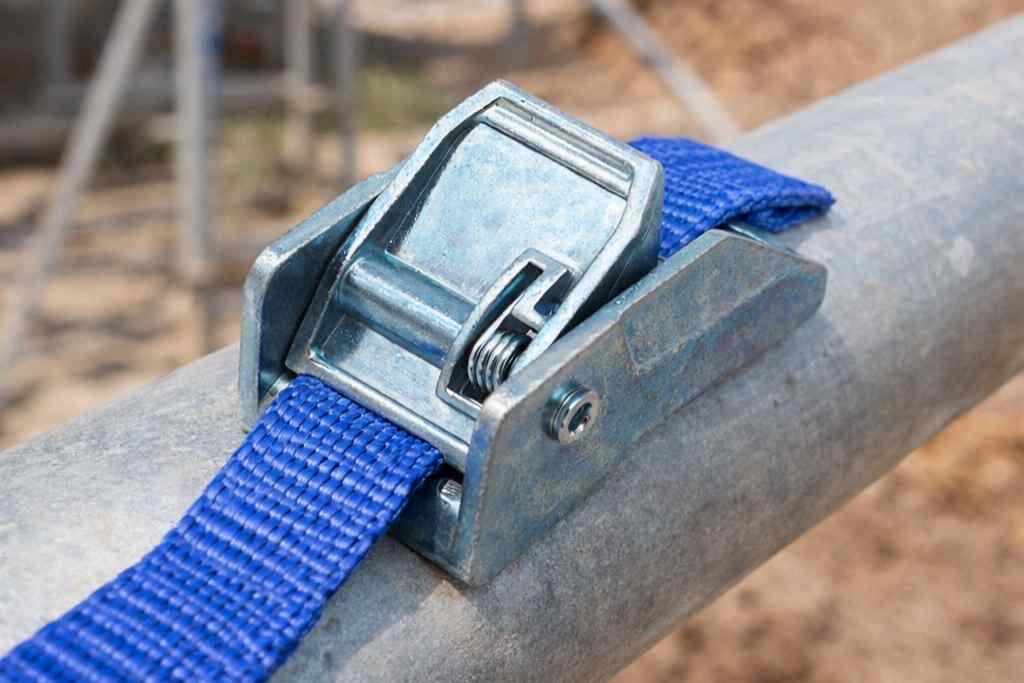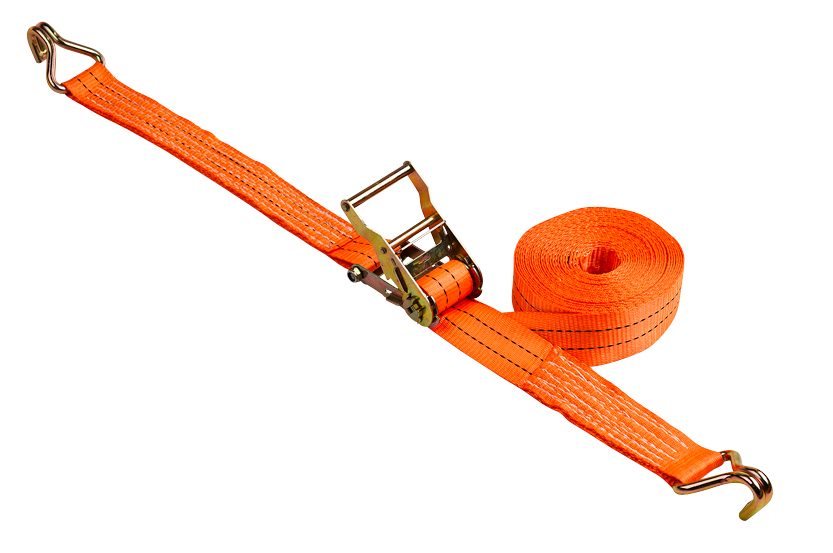
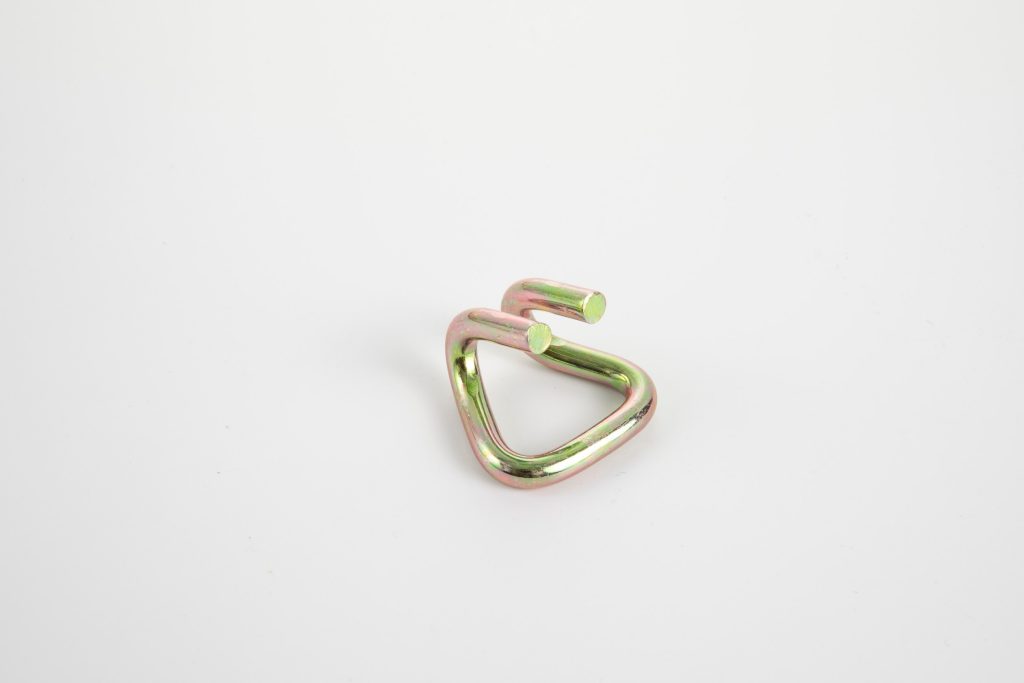
J-hooks and spring hooks are both important securing hooks. They help ensure the safety of goods during transport. J-hooks and spring hooks differ in appearance. J-hooks are primarily used on flatbed trailers, especially for large or heavy cargo. Spring hooks resemble carabiners and are commonly used in sports equipment and dog leashes. They are also used in marine hardware and transport vehicles.
Key Takeaways
- J-hooks are ideal for large and heavy cargo. They securely fasten items and are commonly used on flatbed trailers.
- Spring hooks are designed for quick use and are best suited for lighter cargo. Their spring-loaded doors prevent items from slipping off accidentally.
- If you need to securely fasten large items, choose J-hooks. J-hooks are very practical when there is enough space to wrap around the anchor point.
- If you need to frequently connect and disconnect cargo, use spring hooks for quick operation. They are suitable for confined spaces and are versatile.
- Always check the working load limit of the hook. This ensures your safety and prevents damage when handling items.
J Hook Overview
What is a J-hook?
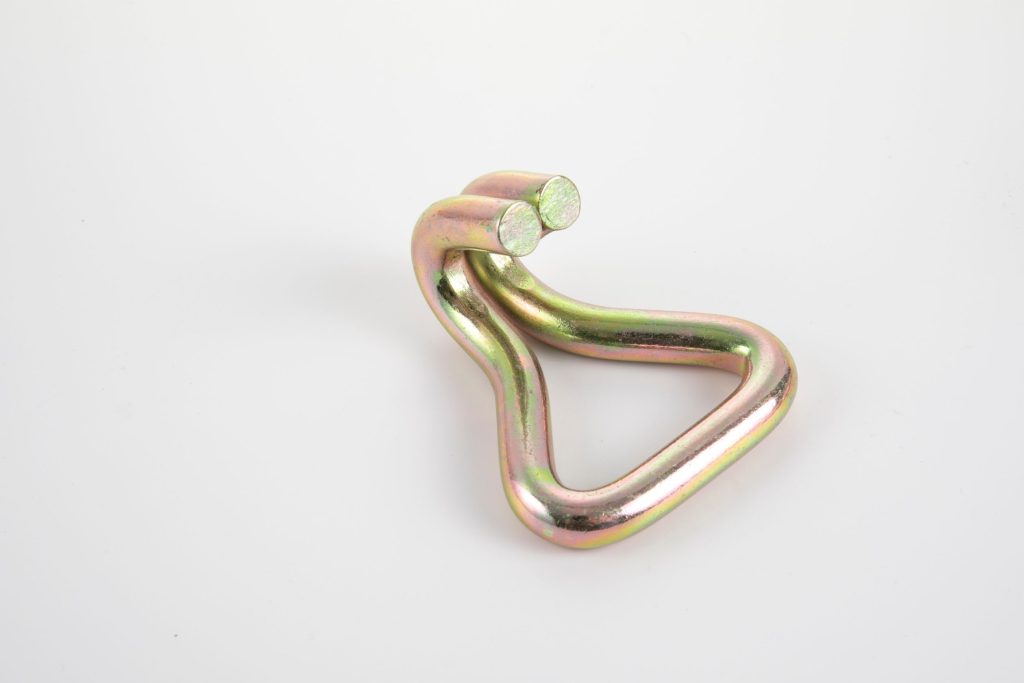
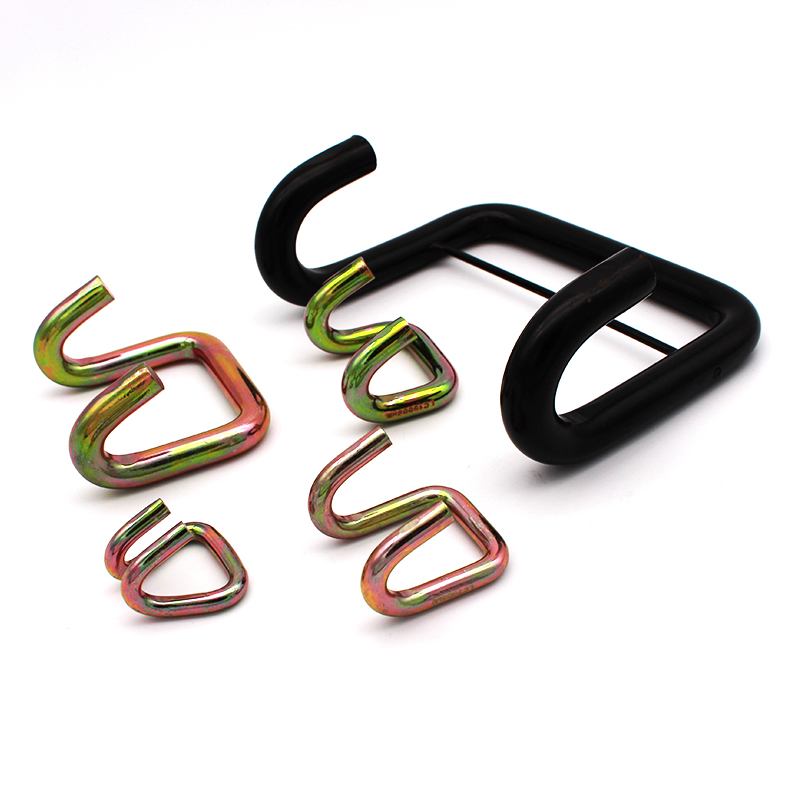
A J-hook is a binding hook shaped like a “J”. This shape allows it to firmly grip an anchor point and securely hold an item in place. J-hooks come in different sizes and materials. Manufacturers typically use strong metals such as chromate-coated steel wire. They also often use yellow polyester webbing because it is resistant to wear and tear. The table below lists the differences between J-hooks and other hooks:
| Feature | J Hooks | Other Hook Types |
|---|---|---|
| Shape | Unique ‘J’ shape | Various shapes |
| Material Options | Plastic, zinc-coated, stainless steel | Varies widely |
| Size Variations | Small to large | Limited size options |
| Applications | Effective in cable management | General use, less specialized |
Applications of J-Hooks
J-hooks play a vital role in many cargo transportation operations. Truck drivers choose J-hooks on flatbed trailers. These hooks can wrap around anchor points to securely hold heavy objects. Warehouse workers use J-hooks to organize cables and wires. J-hooks are also used in tie-down straps for boats, motorcycles, and cars. Bao Ying uses J-hooks in its high-strength tie-down straps to secure large items during transport. J-hooks differ in appearance from carabiners, but they provide a firm grip on cargo.
Advantages and Disadvantages of J-Hooks
J-hooks offer many advantages. They securely hold cargo and are ideal for wrap-around anchors. Their robust metal construction can withstand heavy loads. A typical J-hook tie-down strap can withstand approximately 3333 pounds. Their breaking strength can reach up to 10,000 pounds. This makes them ideal for handling large or heavy cargo. However, J-hooks require suitable anchor points to function properly.
Snap Hook Overview
What is a spring hook?
A spring hook is a binding hook with a spring-loaded door. Pressing the spring door opens it; releasing it automatically closes it. This ensures the safe and secure hold of goods. Spring hooks work similarly to carabiners, making them easy to install and remove. People like spring hooks because they don’t come loose accidentally. Spring hooks are suitable for fast-paced operations and handling light goods.
Manufacturers use different materials to manufacture spring hooks. The table below lists some common materials and their properties:
| Material | Properties |
|---|---|
| Stainless Steel | Great at fighting rust, lasts long, works well in tough places. |
| Brass | Looks nice, works in hot places, does not spark, handles heat and rust well. |
| Die-Cast Zinc | Cheap, light, strong for its weight. |
Baoying offers a variety of quick hooks for securing slings. These quick hooks help ensure the safety of goods in a variety of situations.
Applications of Quick Hooks
Quick hooks have a wide range of applications. They connect slings, chains, or wire ropes to lifting points. Workers use quick hooks to connect chain slings for lifting heavy objects such as concrete slabs. The fixed shape of quick hooks keeps goods upright and prevents lateral movement. Quick hooks are also used in sporting goods, marine hardware, and moving vehicles. These hooks make loading and unloading goods quick and easy, saving time.
Advantages and Disadvantages of Quick Hooks
Quick hooks have both advantages and disadvantages. The following table lists the key information:
| Advantages | Disadvantages |
|---|---|
| Stops loads from falling out | Costs more than regular hooks |
| Stays closed when holding a load | Heavier than regular hooks |
| Less chance of load slipping | Harder to open and close sometimes |
Spring hooks are safer because the hook gate remains closed when securing cargo. This reduces the risk of cargo slipping or falling. Some people believe that spring hooks are heavier or more expensive than other hooks. However, their added safety makes them a wise choice for many securing operations.
J Hook and Snap Hook Differences
Design Comparison
J-hooks and spring hooks each have their unique designs. J-hooks are characterized by a wide, 90-degree angled opening. This shape allows them to wrap around anchor points, securely holding cargo. The open design makes them easy to attach to large objects or thick straps. Spring hooks use a spring-loaded door similar to a carabiner. With a gentle push, the door closes automatically. This mechanism helps users quickly attach and detach. Due to their compact shape, spring hooks are suitable for a variety of anchor points. Both hooks are made of high-strength metal, but their designs are suited to different applications.
Safety and Security
Safety is an important consideration when choosing between J-hooks and spring hooks. J-hooks grip cargo firmly and rarely slip when attached to a suitable anchor point. They are ideal for heavy-duty lashing operations. The spring-loaded door of the spring hook provides additional security. The door remains closed unless someone opens it. This feature prevents accidental loosening and ensures cargo safety. Emergency hooks (a type of spring hook) can cause dangerous malfunctions. They can break under pressure, causing metal to fly and people to be injured. Older emergency escape hooks sometimes open accidentally, causing loss of control. Extremely strong release resistance can make the hook difficult to untie, increasing the risk of injury. Users must check the type and condition of the hook before use.
Versatility and Space Utilization
J-hooks and spring hooks each have their own strengths in terms of versatility and space utilization. J-hooks are best suited for encircling large anchor points or thicker cargo. Their wide opening can accommodate larger items, but requires sufficient space to connect. Spring hooks excel in confined spaces. Their compact design and spring gate allow for quick connection to small anchor points. Spring hooks can be easily attached to chains, ropes, or slings. They are suitable for sports equipment, marine hardware, and moving vehicles. Spring hooks are compatible with almost all anchor points, greatly enhancing their versatility.
Load Capacity
Load capacity matters when choosing between j hook and snap hook. Industry standards show that a standard all-steel J hook has a static load rating of 12 pounds. J hooks often handle higher loads in commercial tie down straps. They meet RoHS and TIA compliance and are cULus listed. Snap hooks are made from durable steel with various coatings. They support quick attachment and secure lighter loads. The table below compares the load ratings and features:
| Hook Type | Load Rating | Features |
|---|---|---|
| J Hook | 12lb static | Wide throat, strong grip, RoHS and TIA compliant, cULus listed |
| Snap Hook | Varies | Spring-loaded gate, quick attachment, fits most anchor points |
J hook and snap hook both play important roles in cargo securement. J hooks handle heavy loads and provide a secure grip. Snap hooks offer speed and versatility for lighter loads and frequent connections.
Choosing the Right Hook
When to Use J-Hooks
J-hooks and spring hooks have different uses. J-hooks are best suited for securing large, heavy goods. Their robust shape firmly holds the cargo in place, preventing the straps from slipping during handling. J-hooks are frequently used on flatbed trailers and trucks, where they help secure large items. J-hooks are versatile, especially suitable for situations with limited space or wide anchor point spacing. Therefore, J-hooks are ideal for many securing operations.
Tip: Use J hooks for heavy or bulky cargo. They give extra grip and keep things safe on long trips.
When to Use Quick-Connects
Quick-connects are ideal for situations requiring quick securing of items. They are suitable for lighter loads. Quick-connects are easy to attach and detach. They keep loads upright, preventing them from twisting. This is crucial for the safe handling of goods. Quick-connects do not rotate, making them safe and stable. This makes them ideal for safe operations. Many manufacturers use quick-connects because their connection method is consistent.
| Scenario Description | Reason for Preference |
|---|---|
| Cargo and logistics systems | Snap hooks keep the load straight and stop twisting. |
| Safety and restraint | They do not spin, so they are safe and steady. |
| Equipment manufacturing | Snap hooks give a steady spot to connect things. |
Practical Scenarios
Picking between j hook and snap hook depends on a few things:
- What kind of anchor points you have
- How easy it is to attach the hook
- What the load needs to stay safe
Space matters too. J hooks work when anchor points are far apart. This helps when you need to move around things. If anchor points are too close, it can be hard to reach and cost more. Snap hooks are good in small spaces. They make connecting fast and safe.
| Key Consideration | Impact of Space Constraints |
|---|---|
| Spacing too far apart | Cables can sag and rub, which is not safe. |
| Spacing too close | It costs more and is harder to reach cables. |
| Flexibility in routing | J-hooks let you support cables even if space is tight. |
BAOYING lets you pick custom hooks. This helps you get the right hook for your cargo. It keeps your load safe and makes work easier.
J-hooks and spring hooks have different uses in cargo transportation. J-hooks can firmly secure heavy objects, while spring hooks are suitable for quickly moving lighter goods. The appropriate hook should be selected based on the weight and shape of the items being moved. Regularly checking the hooks helps prevent damage and ensures the safety of the goods. Hooks marked with TIA or cULus are safer to use. The table below lists the best hooks for each purpose:
| Hook Type | Best For | Key Feature |
|---|---|---|
| J Hook | Heavy, bulky cargo | Strong, wide throat |
| Snap Hook | Light, quick jobs | Spring-loaded gate |
FAQ
What are the main differences between J-hooks and spring hooks?
J-hooks have a wide “J” shape and can wrap around the anchor point. Spring hooks use a spring gate for quick connection. Both have their advantages and are suitable for different binding operations.
Can spring hooks be used to bind heavy objects?
Spring hooks are more suitable for light goods. They connect quickly, and the spring gate provides extra security. For heavy goods, J-hooks offer greater strength and grip.
Which is safer, J-hooks or spring hooks?
Both hooks can ensure safety when used correctly. J-hooks can firmly secure heavy objects. The spring gate of spring hooks prevents accidental detachment. Users should always check the condition of the hooks before use.
Where are J-hooks most commonly used?
J-hooks are commonly used on flatbed trailers, trucks, and in warehouses. They can secure large or heavy goods during transport and also help organize cables and wires.
How to choose the right hook?
The weight of the goods, the size of the anchor point, and the available space should be considered. J-hooks are suitable for heavy, bulky goods. Spring hooks are suitable for fast-paced operations and confined spaces. Custom options are available to meet special needs.