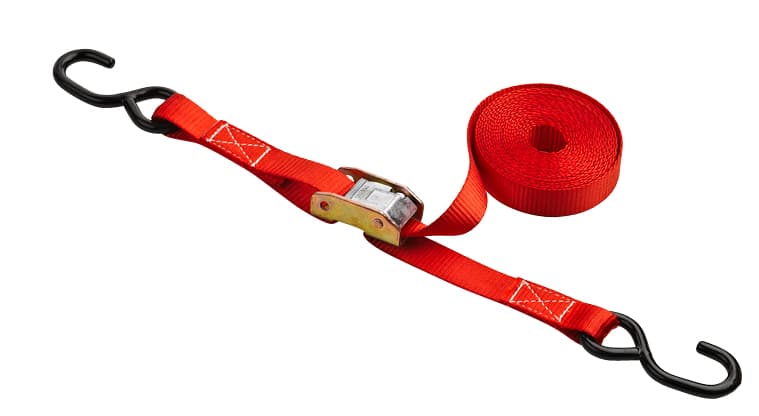
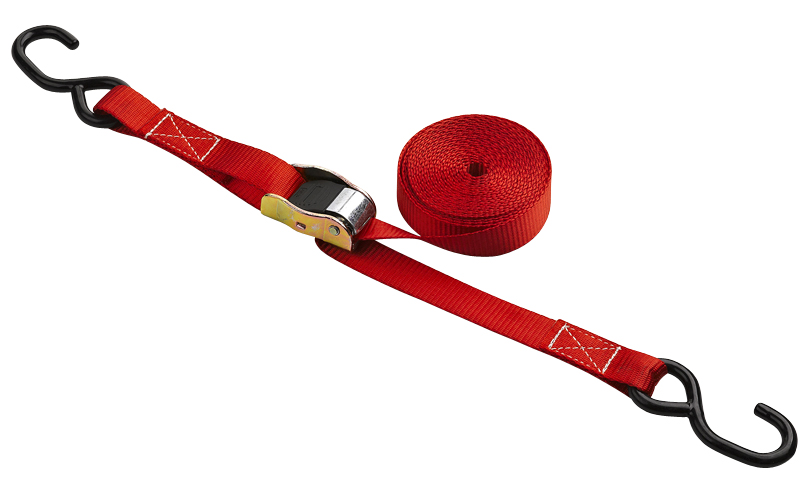
Can drivers repair damaged ratchet straps? Torn webbing cannot be repaired, as cut fabric poses a significant safety hazard. That said, seized ratchet handles and worn, stiff ratchet hardware can be easily serviced. This guide helps identify genuine structural damage to maintain safe and dependable tie-down straps.
Assessing Damaged Ratchet Belts
The Occupational Safety and Health Administration (OSHA) and the Workers’ Safety and Transportation Development Agency (WSTDA) have established clear safety rules. Tools must be checked before each trip. Regular inspections protect workers from injuries sustained while moving goods.
Identifying Damaged Webbing and Hardware
Damaged ratchet belts pose a real hazard. Never repair damaged webbing. Cuts, abrasions, melted fibers, and burns can all damage the fabric. Even a small tear can reduce its full load-bearing capacity. Do not sew ratchet belts at home. Safety regulations prohibit repairing damaged ratchet belts.
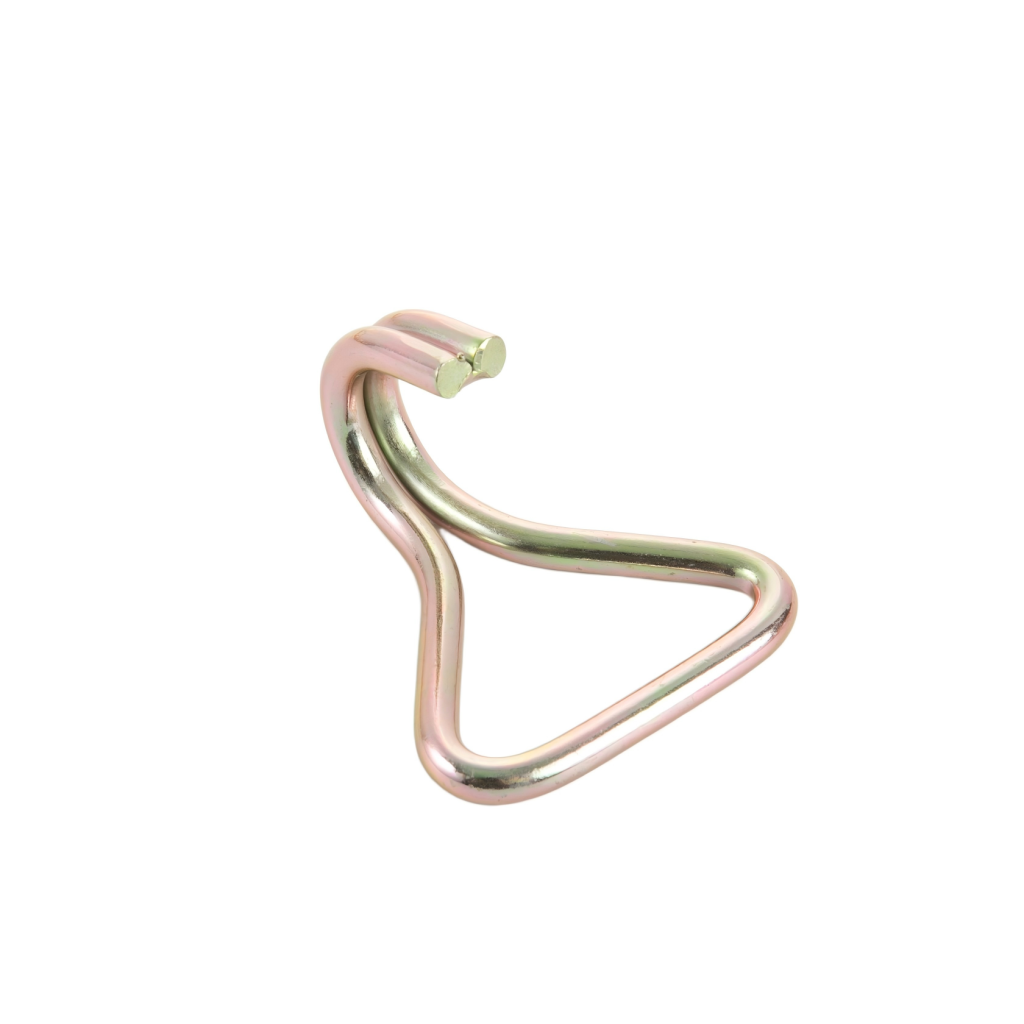
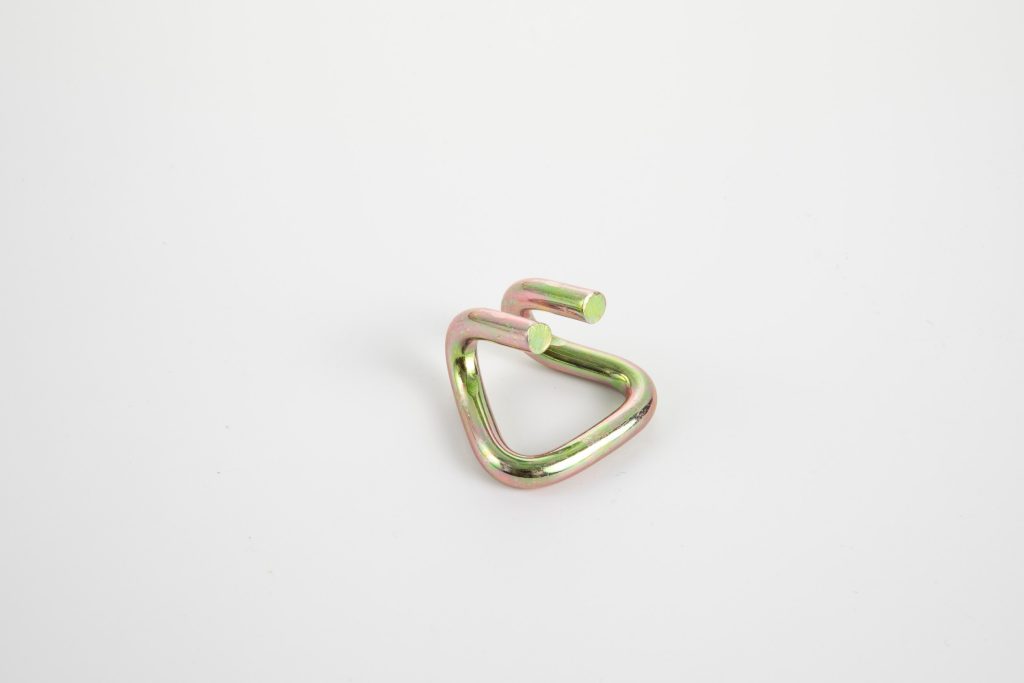
Metal components also require careful inspection. Heavy loads put stress on steel during long-haul transport. Bent frames, cracked hooks, and damaged pawls all reduce the working load limit. If the metal is bent, all gears must be replaced.
Minor Mechanical Problems vs. Structural Defects
Workers must distinguish between simple jams and genuine defects. Fabric buildup often causes ratchet belt jams. Minor tension issues can be resolved by cleaning the reel. Cleaning dirty parts can solve the problem of a stiff handle. However, actual structural damage means it must be scrapped immediately. A cracked hook will damage the entire mechanism. Discard the damaged ratchet belt. Never attempt to repair it yourself.
How to Repair a Ratchet Mechanism
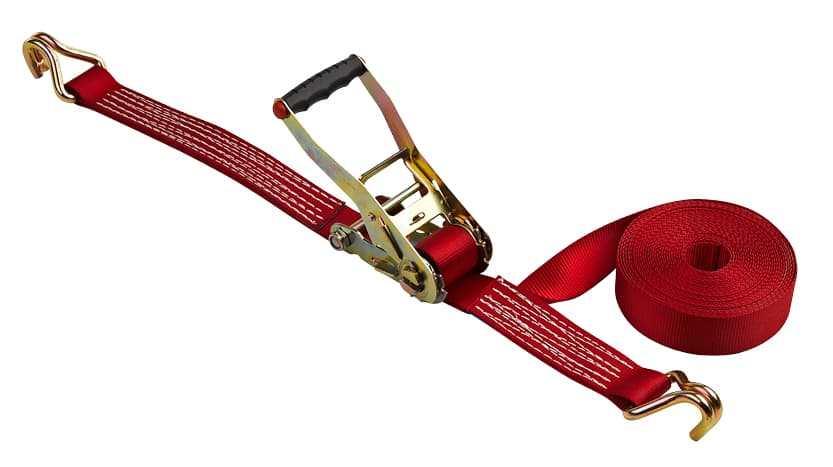
Untangle the Webbing
You can easily repair a stuck strap. Fabric often gets tangled inside the central reel. Follow these simple steps to fix this jam. First, pull the release handle back fully. This will disengage the pawl from the gear.
Next, lay the main handle completely flat. Pull firmly the loosened end of the strap. Now, untangle all the tangled fabric. Do not disassemble the ratchet mechanism to untangle the strap. This simple repair method will restore smooth strap feeding.
Maintenance Tip: First, pull out all loose webbing by hand. Do this before cranking the handle. This step prevents the reel from jamming again.
Remove Rust and Lubricate the Pawl
Dust and road salt can harden the internal springs. Prepare a wire brush, penetrating spray, and a rag. Remove dirt to help the metal rotate.
| Maintenance Step | Action Required |
|---|---|
| Brush Frame | Scrub off surface dirt using wire tools. |
| Apply Lubricant | Spray penetrating oil onto the spring pawls. |
| Exercise Handle | Move the handle back and forth now. |
If rust locks springs, fix internal parts. Disassemble the ratchet mechanism to clean inner surfaces. Always follow basic safety precautions during your work. Fix these mechanical parts if metal stays straight. Never bend bad, crooked steel frames back. Finally, test the fixed tool under light tension. Ensure it works before you secure cargo.
When to Replace vs Repair Damaged Straps
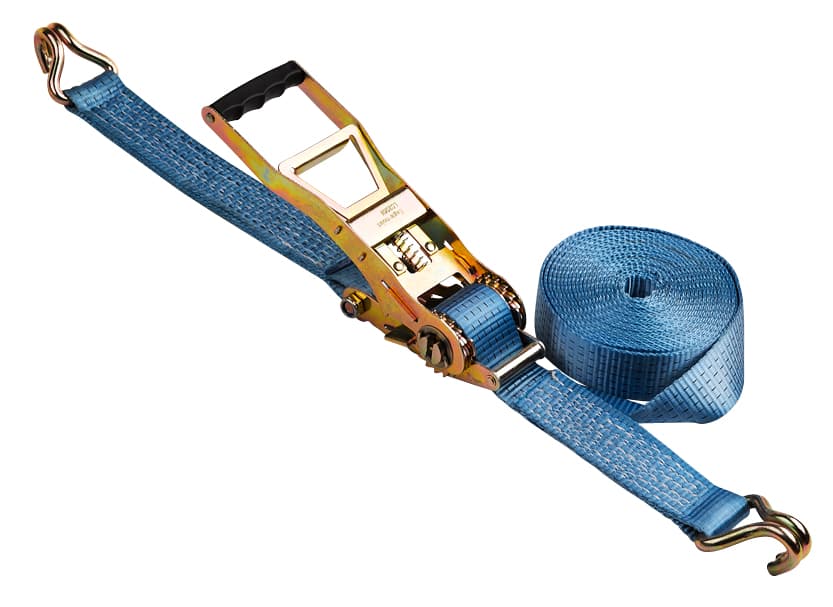
Replacing Components with Rated Assemblies
Drivers must never sew torn strap fabric. Laws ban home fixes on any strap.
| Strap Defect | Legal Status | Operational Result |
|---|---|---|
| Knotting | Unsafe and strictly illegal | Causes immediate out-of-service violations. |
| Fraying or Tearing | Illegal under FMCSA rules | Reduces working load limits dramatically. |
Replacing metal parts with safety equipment can repair straps. Drivers must properly repair hardware components to ensure safety. The team uses a simple process to repair worn equipment. First, workers remove the old hooks from the handles. Then, workers cut new straps according to specific needs. Next, workers install the new hooks onto the ratchet. Finally, workers attach the new straps to the safety end. Standardized equipment ensures the safety of goods during transport. Mechanics quickly repair well-maintained frames with new straps.
Proper Disposal of Malfunctioning Equipment
Workers must immediately discard damaged equipment. Drivers must adhere to safety rules when inspecting ratchet components.
First, workers remove intact metal parts from the straps. Then, workers cut the damaged straps in half. Shortening the straps prevents people from using the damaged equipment. Cutting off the looped end completely destroys the strap. This step prevents the use of unsafe fabrics for future repairs.
Drivers must follow one main rule. Fix stiff metal parts. Never fix broken webbing. Bad fixes cause big crashes.
| Inspection Interval | Mandatory Action / Items Checked |
|---|---|
| Pre-Trip | Check WLL tags for fabric tears |
| First 50 Miles | Test strap tightness |
| Duty Status Changes | Inspect ratchet parts during stops |
| Every 150 Miles | Verify strap hold |
FAQ
Can a worker mend a torn ratchet belt?
No. Official safety regulations prohibit mending damaged ratchet belts. Damaged fabric reduces strength. The operator must purchase new, safe equipment.
How can an operator repair a stiff ratchet belt handle?
The operator will clean the dirt and oil the internal parts. A bent metal frame cannot be repaired and must be replaced.
When should a worker discard a damaged ratchet belt assembly?
Discard ratchet belts with deep cuts. Discard equipment with cracked hooks. Melted fibers are also harmful. Safe equipment prevents cargo loss.