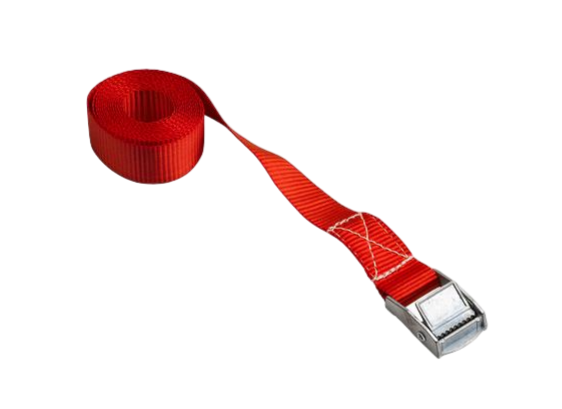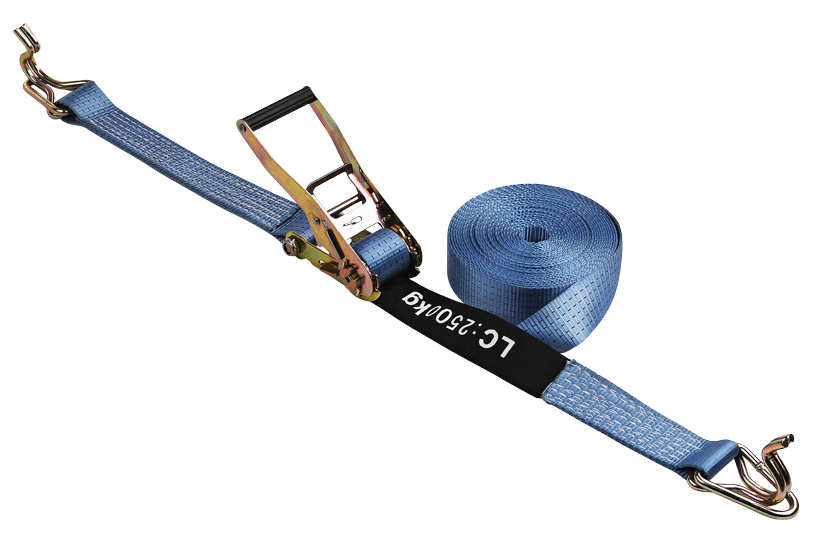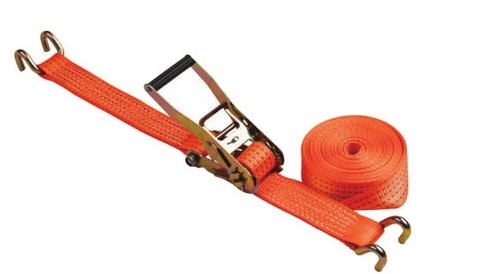
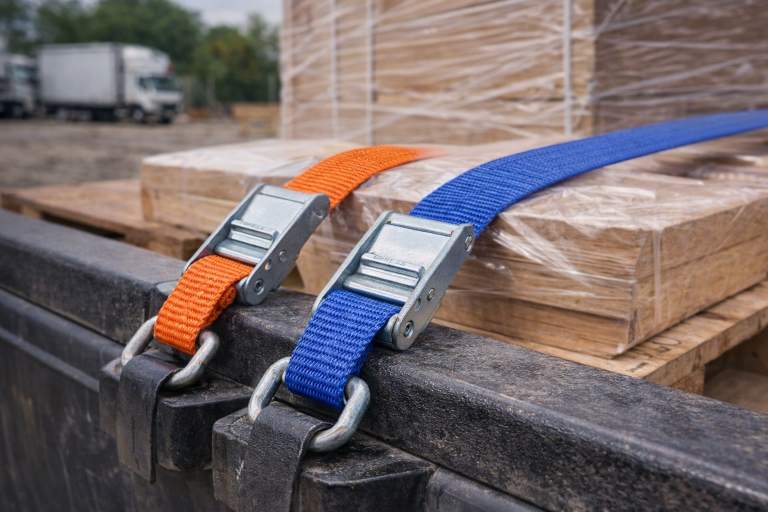
Properly cleaning your cam clasp watch strap can significantly extend its lifespan. Users should hand wash the fabric strap with warm water and mild soap, scrubbing away dirt and rinsing the metal parts. The following simple steps explain how to prepare, wash, rinse, dry, and inspect the metal spring clasp. Regular maintenance protects your cam clasp watch strap, while proper cleaning quickly removes accumulated dirt.
Key Takeaways
- To protect the polyester fibers, hand wash your polyester camera strap with mild soap and warm water.
- Before washing the strap, check the fabric and metal parts for cuts, abrasions, or rust.
- Let the cleaned strap air dry in a cool, well-ventilated place, and apply a dry lubricant to keep the metal springs moving smoothly.
Supplies to prepare for cam straps
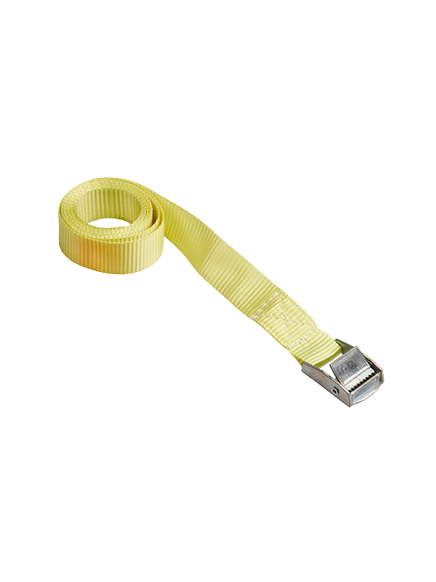
Choose a mild soap and appropriate tools.
Users must hand wash the sturdy polyester cam buckle straps to avoid damage. Washing machines and dryers will damage the strong fibers of the straps. Strong polyester webbing from major suppliers like Proton ensures safe transport. Dirt can be safely removed with warm water, a soft brush, and a cloth. People usually soak the soiled straps in mild soap and warm water first, then scrub the fabric.
Strong detergents will damage the synthetic fibers on the cam buckle straps. Users should never use harsh chemicals when cleaning cam buckle straps.
- Bleach and household cleaners weaken strong synthetic fibers.
- Solvents leave harmful chemical bits inside the fabric weave.
- Heavy stain removers strip safe coatings off cam buckle straps.
Please loosen and inspect the webbing before cleaning.
Users must loosen the metal parts before cleaning any straps. Removing the metal buckles allows direct access to soiled areas. Staff will inspect the webbing before using any liquid cleaning agents. The transport team regularly inspects heavy-duty cam buckles to ensure cargo safety.
A careful inspection can reveal hidden damage on heavy-duty cam buckles. Users should check the cam buckles for the following issues:Holes, tears, cuts, or snags in the woven fabric
- Fraying edges or rough spots that thin the belt
- Black burn marks, melted spots, or heat damage
- Faded colors, lighter spots, or stiffness from sun exposure
- Mold or mildew growing on wet polyester straps
- Crushed parts or flat spots from heavy weight
- Damaged, loose, or broken threads in sewn seams
If cam buckle straps look good, users can wash them safely. Damaged cam buckle straps need immediate replacing with new factory ones.
How to wash dirty cam straps
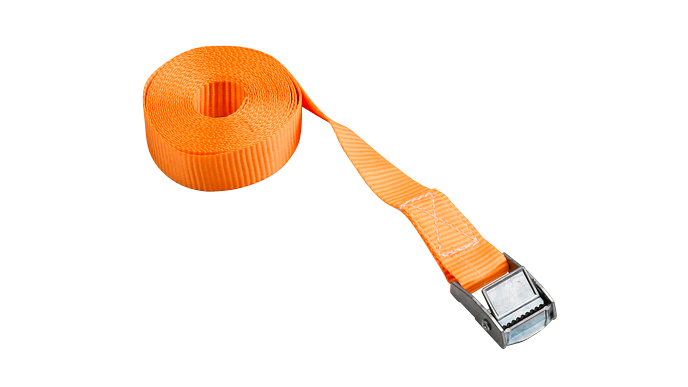
Soaking and Scrubbing Dirt from Webbing
Soak the soiled cam buckle straps in a mixture of warm water and mild soap. Keep the water temperature suitable; never use boiling water. Excessively hot water will quickly damage the strong synthetic fibers. Soaking helps remove clumps of dirt, salt stains, and odors from heavy handling. Immerse the cam buckle straps in soapy water for 15 minutes.
Workers can use simple tools to remove residual dirt from the fabric. Use a soft nylon brush or small toothbrush to clean the webbing without snagging the threads. Scrub the cam buckle straps along the weave to remove deep-seated dirt. Gentle scrubbing protects the custom cam buckle straps from surface abrasion.
Removing Dirt from Spring Buckles
Pay special attention to the metal parts when cleaning webbing. Salt and road grime often accumulate in small areas of the spring buckles. Rinse the metal parts of the cam buckle straps with clean water to remove debris. Use a soft-bristled brush to scrub stubborn dirt from rust-resistant galvanized metal surfaces. Clean springs allow large cam buckles to move smoothly, preventing jamming and improving the efficiency of the strapping.
A thorough rinse removes all dirty soapy water from the strapping components. Residual soap attracts new dirt and can cause moving parts to jam. The shipping team rinses heavy-duty cam buckles with clean water to remove soap residue. Clean water also washes away residual salt from commercial cam buckles. Thorough cleaning ensures that commercial cam buckles are ready for use by shipping suppliers. Attentive workers inspect the cleaned cam buckles. Clean cam buckles better protect valuable goods.
Clean and maintain cam buckle straps
Air dry away from heat and UV rays
Workers should properly air dry wet webbing immediately after washing. Strong sunlight and hot air can damage synthetic fibers. A study published in the *Journal of Applied Polymer Science* in 2021 showed that
temperatures exceeding 65°C (150°F) can damage plastic parts, while 90°C (194°F) can cause them to bend and deform. Custom cam buckle webbing should be kept away from open flames. The manufacturer recommends the following drying method for sturdy webbing:
- Dry the fabric completely to remove dampness before storing your cam buckle straps.
- Use good airflow by hanging cam buckle straps in open breeze spaces.
- Stay away from hot heat like radiators, clothes dryers, or strong sunlight.
Lubricate springs and store properly
Good oiling keeps metal buckle springs working smoothly. The wrong liquids gather dust inside metal parts on cam buckle straps.
| Lubricant Type | Recommended for Cam Springs? | Key Properties | Reason / Explanation |
|---|---|---|---|
| Metolius Cam Lube (MCL) | Yes | Self-cleaning, Waterproof, Dirt-repelling | Forms a dry layer so grit falls off easily. |
| Oil-based lubricants (WD40) | Not Recommended | Attracts and holds dirt | Catches dirt inside spring parts during trips. |
Work crews keep gear safe. Follow these simple steps for gear care:
- Wash dirty cam buckle straps with soft soap and water.
- Rinse your cam buckle straps fully after washing away dirt.
- Let your wet straps dry fully in the open air.
- Keep your cam buckle straps inside a cool, dry room.
- Put your storage bins far away from bright sunlight.
- Check gear often to keep your straps very strong.
Drivers use safe cam buckle straps every day. Truck teams keep clean cam buckle straps tucked in bags. Good care helps lengthen the life of your cam straps. Simple care makes heavy-duty cam buckle straps work great.
Savvy users know that proper cleaning maintains the strength of fabric straps. Drivers clean their cam buckle straps after muddy journeys. Rinsing with water quickly removes sticky mud and corrosive seawater. Regular maintenance protects the spring-loaded metal components from damage. Frequent equipment checks help identify wear areas early. Continuous cleaning ensures that heavy-duty cam buckle straps work safely and reliably. Clean cam buckle straps protect cargo, while durable cam buckle straps ensure safety.
FAQ
How often should drivers clean cam-buckle straps?
Drivers should clean cam-buckle straps immediately after driving into deep mud or salt water. Regular cleaning protects the straps from wear and tear, ensuring the safety of goods for wholesale trailer brands.
Can workers wash heavy cam-buckle straps in a washing machine?
No, workers must hand wash cam-buckle straps using a mild detergent. Washing machines will damage the custom polyester fibers and the factory-supplied hardware.
Why do suppliers lubricate the metal buckles on cam-buckle straps?
Manufacturers recommend using a dry lubricant on cam-buckle straps to prevent corrosion. A smooth spring allows workers to safely handle cam-buckle straps during commercial transport.