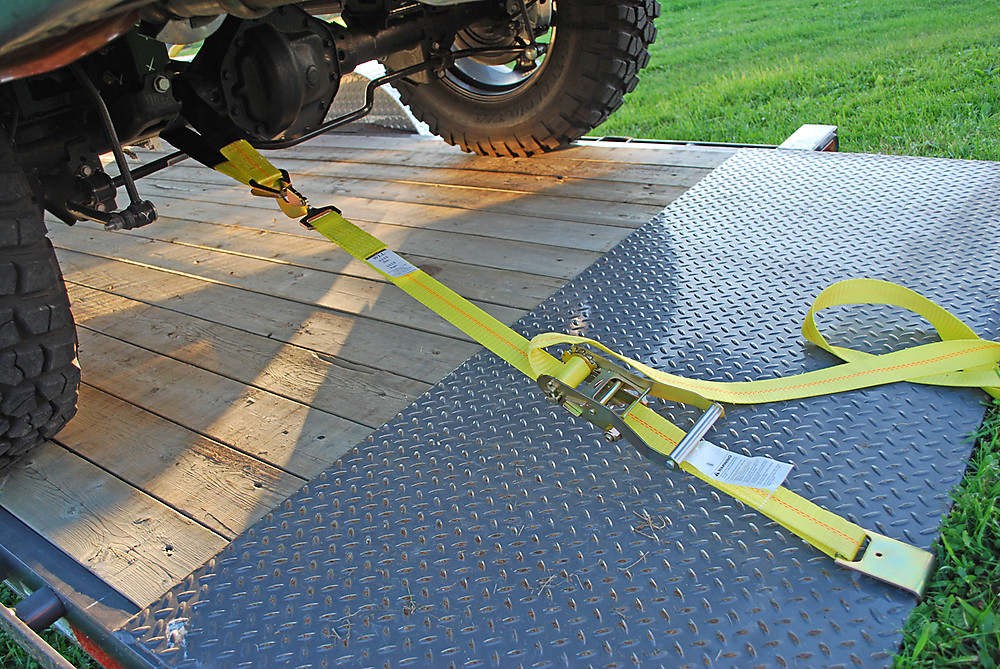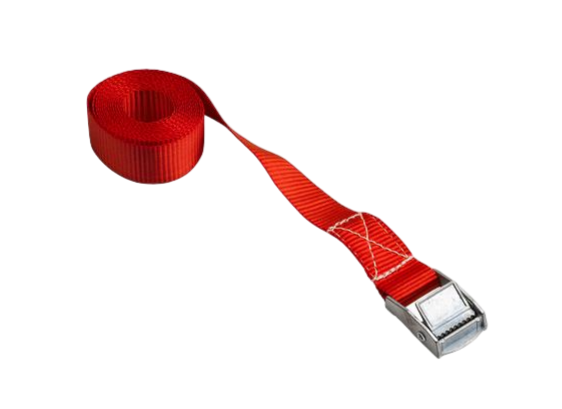
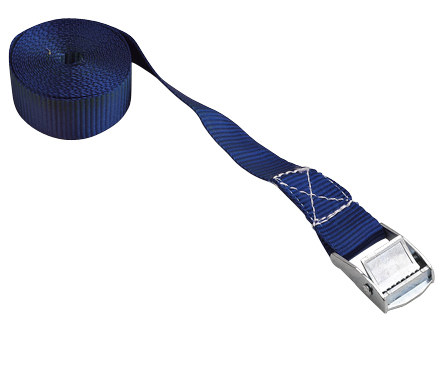
Truck drivers can use WD-40 briefly to loosen stuck metal handles on ratchet straps. However, oil-based cleaners attract dirt, mud, and sand over time. Users should never spray heavy grease or WD-40 straight onto polyester straps. Dirt buildup ruins the fabric threads when pulling heavy loads. Instead, dry silicone or PTFE sprays work much better for normal gear care.
Key Takeaways
- Do not use WD-40 since greasy liquids collect sharp dirt and destroy polyester fabric threads.
- Spray dry silicone or PTFE onto metal handles to keep the gears turning easily without gathering dirt.
- Check your ratchet straps before every trip to find damage early and hold your load safely.
Is WD-40 Safe for Ratchet Straps?
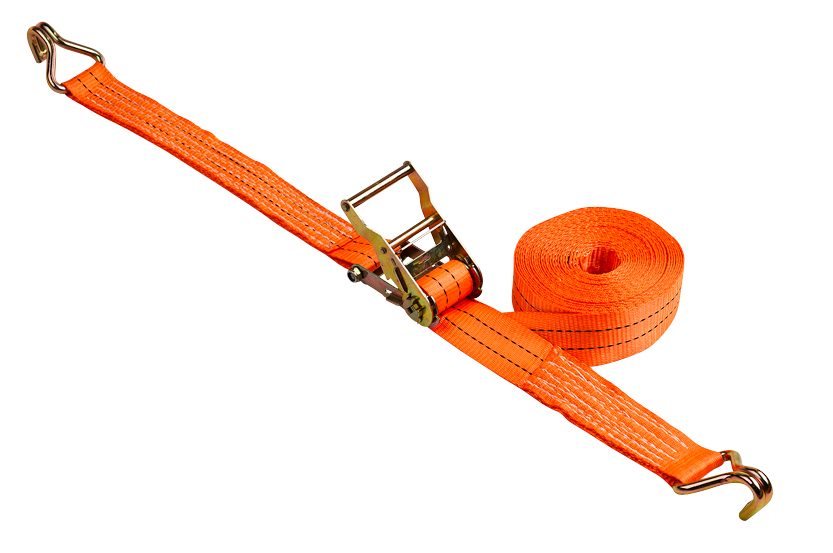
Drivers often use standard WD-40 to quickly fix stuck cargo gear. However, workers must check how oil-based liquids affect metal handles and fabric straps over time. Learning how different sprays touch metal parts and polyester cloth helps truckers avoid damaging their equipment.
Impact on Metal Mechanism vs Webbing
Spraying light oil or regular WD-40 easily frees stiff moving parts inside the handle. Equipment care guides suggest wiping metal parts dry after oiling them to prevent rust. Tests show that regular WD-40 does not last long outside in wet or cold weather. Special gel sprays or dry lubricants offer better protection for metal parts during tough trips.
While metal can handle short-term oiling, fabric straps must stay completely safe from petroleum liquids. Harsh chemicals weaken strong polyester threads over time. Safety rules state that drivers must store straps away from strong liquids, battery acid, and harmful fumes. Chemical contact damages the strength of tie-down cloth. Cargo rules recommend replacing straps every year if they touch harsh chemicals. Getting oil on the fabric creates major safety risks when pulling heavy loads.
Why Petroleum Solvents Attract Dirt and Grit
Oil-based sprays wash away the original protective grease inside metal parts. This liquid removes strong gear protection and leaves behind a wet, sticky film. The sticky coating attracts road dust, splash mud, sand, and dirt during daily driving. Grit sticks to the wet metal and slides into the moving joints of the handle.
This issue grows worse when oil spreads from metal handles onto nearby straps. Fine dirt sinks deep between the woven polyester threads. Under heavy pressure, those tiny dirt specks rub together like rough sandpaper. These sharp particles slice inner cloth threads while the strap moves during transport. This secret fabric damage shortens strap life and causes sudden rips while carrying cargo.
Experts warn drivers not to spray oil-based products near tightening handles. Truckers should keep their gear clean to maintain full pulling power on every trip. Using dry silicone or PTFE sprays oils metal gears without trapping flying dust. These clean options protect metal parts and keep tie-down systems working safely over long drives. Drivers safeguard their expensive load gear by picking dry sprays instead of wet oils for regular care. Proper maintenance habits ensure that ratchet straps stay reliable and hold loads tight during every delivery.
Best Lubricants for Ratchet Strap Maintenance
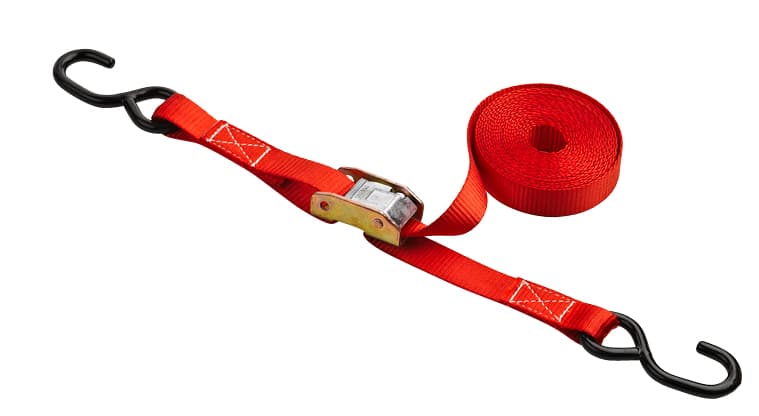
Benefits of Dry Silicone and PTFE Sprays
Dry silicone and PTFE dry-film sprays give great long-term protection to metal ratcheting parts. These special products dry very fast without leaving sticky messes behind. Drivers protect their gear from harsh road dirt by using clean dry-film coatings during normal safety checks.
Apply a light coating of dry silicone spray to the ratchet handle, gears, and release mechanism for smooth operation. Silicone-based lubricants are a good choice for ratchet mechanisms because they offer long-lasting lubrication and resistance to environmental factors.
Dry lubricants easily block dust while keeping inner gear parts sliding smoothly. Drivers complete good ratchet strap care by spraying these dry liquids onto moving joints and gear teeth. Clean coatings protect metal parts without dripping harmful oily liquids onto nearby fabric straps. Straps stay safe when drivers prevent sticky oil buildup on truck beds.
All-Weather Care for Heavy-Duty Hardware
Commercial tie-down tools need strong metal parts to handle rough open-road weather. For example, BAOYING commercial tie-down systems feature zinc anti-corrosion hardware and high-tenacity polyester webbing built for demanding transport operations.
| BAOYING strap specification | Value |
|---|---|
| Material | High-tenacity, low-stretch polyester webbing |
| Hardware | Zinc-plated anti-corrosion metal buckle |
| Working load limit | 500–10,000 lb |
| Safety factor | 5:1 industrial standard |
Harsh weather creates tough work problems for heavy-duty tools during long winter trips. Drivers should choose cold-weather PTFE lubricants that will not freeze or harden in deep cold spaces. Proper cold-weather care stops frozen gear handles, helping workers safely tie down loads with strong ratchet straps in freezing rain, sleet, or heavy snow.
How to Safely Clean and Lubricate Tie Down Straps
Protecting High-Tenacity Webbing During Application
Haulers must clean them regularly using warm water and mild soap to remove abrasive grit. Washing removes sharp dirt particles from the fabric threads. Drivers apply lubricants carefully to protect the synthetic fibers from harmful oil residue. Avoid short-lived solvents such as WD-40 near the fabric.
Truckers protect the webbing by applying lubricants only to specific metal parts.
| Component | Recommended lubricant / note |
|---|---|
| Spring-loaded pawls, release latch, rotating spindle joints | Apply dry silicone lubricant spray periodically. |
| Moving ratchet parts | Apply lithium grease regularly; it withstands extreme temperatures and stays on metal away from the strap webbing. |
Routine Cleaning and Gear Inspection
Drivers maintain ratchet straps through continuous physical checks before each haul. Haulers follow a regular maintenance routine to catch hardware defects early. Workers uncoil each strap and feel both faces of the fabric. They search for fraying, chemical burns, or any sign of damage. A single knot in the fabric cuts breaking strength by about 50%. Drivers must retire straps with cuts exceeding 10% of the web width.
Haulers inspect cargo equipment at specific operational intervals to maintain road safety.
- Before every run: Inspect both faces of the webbing for cuts and cycle the ratchet handle to confirm the pawl snaps into the gear teeth.
- Within the first 25–50 miles: Per US DOT rules, re-check cargo tie-downs once the load settles because movement creates slack.
- Monthly for heavy use: Uncoil each strap completely to perform a full-kit inspection of the frame, hook fittings, and gear teeth.
Dry silicone and PTFE sprays offer superior ratchet strap maintenance compared to WD-40. Haulers must keep oils off fabric webbing and inspect hardware before trips. Drivers properly store ratchet straps in dry, dark places away from chemicals. These simple care practices extend strap service life and maintain high working load limits for safe transport.
FAQ
Can haulers spray WD-40 directly onto polyester webbing?
Haulers should avoid spraying regular WD-40 onto polyester webbing. Oily spots draw road dirt that damages fabric threads when pulling heavy loads.
What lubricant works best for ratchet strap hardware?
Drivers should pick dry silicone or PTFE sprays for metal handles. These clean options guard gears without collecting dust or creating sticky messes.
How often should drivers inspect their tie down straps?
Truckers need to check webbing and handles before every run. US DOT rules demand reviewing cargo straps once more within 25 to 50 miles.