Chain straps, wire ropes, Rollercam straps, and Tie Boss straps are all stronger than ratchet straps. Many drivers need more than just a simple way to secure heavy or moving cargo. The Federal Motor Transportation Safety Administration (FMCSA) states that thousands of accidents each year are caused by improper cargo securing. Choosing the right securing method helps ensure personal safety and avoid costly mistakes.
Key Takeaways
- Chain straps, wire ropes, Rollercam straps, and Tie Boss straps are all stronger than ratchet straps. They secure heavy objects better.
- Always check the Working Load Limit (WLL) and Breaking Strength. This helps you ensure safety and comply with regulations.
- Before using cargo straps, inspect them for any damage. This prevents accidents and ensures your items are safe during transport.
- Choose the appropriate securing method based on the type and weight of your cargo. This makes handling your items safer and more efficient.
- If the cargo has sharp edges, use corner protectors. This prevents damage to the straps and extends their lifespan.
Ratchet Strap Strength Overview
What Is a Ratchet Strap?
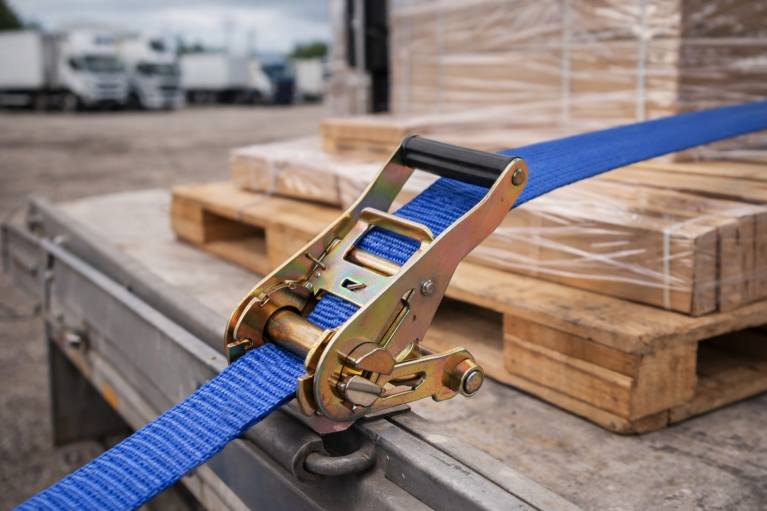
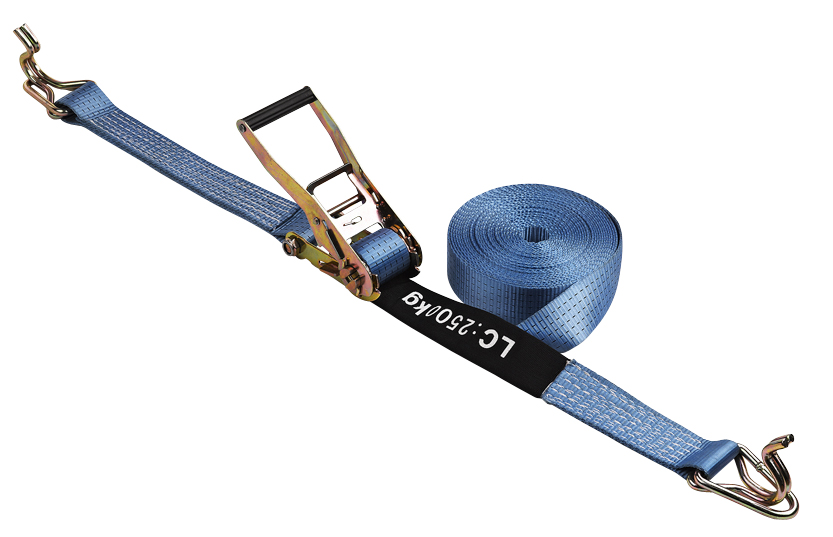
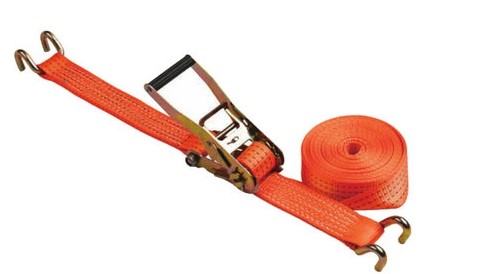
A ratchet belt is a tool used to secure goods during transportation. It uses high-strength polyester webbing and a ratchet mechanism to tighten and secure cargo. These belts are used in trucks, trailers, and containers. The ratchet handle allows the user to easily apply tension and lock the belt in place. This design helps prevent goods from shifting or falling during transport.
Typical Strength Grades
Manufacturers use two important values to indicate the strength of each ratchet belt: Working Load Limit (WLL) and Breaking Strength. WLL represents the maximum weight the belt can safely withstand under normal use. Regulations require users to adhere to WLL to avoid overloading and ensure cargo safety. Breaking Strength is much higher than WLL. It measures the force required to break the belt. Safety standards set WLL as a percentage of breaking strength. This safety factor helps prevent accidents and comply with transportation regulations.
Below is a simple table showing common strength grades:
| Strap Width | Working Load Limit (WLL) | Break Strength |
|---|---|---|
| 1 inch | 500 lbs | 1,500 lbs |
| 2 inch | 1,000 lbs | 3,000 lbs |
| 4 inch | 5,400 lbs | 16,200 lbs |
Common Uses and Limitations
Ratchet straps are widely used, for example, for securing motorcycles, all-terrain vehicles, furniture, and building materials. These straps are suitable for medium to heavy loads. However, they also have some limitations and risks. Problems can occur if the strap is too loose or too tight, or if the user knots or tangles it. Rusty hardware, worn webbing, or an unlocked ratchet can also cause the strap to break. Sharp edges, UV exposure, and repeated use will weaken the strap over time. Smaller straps are more suitable for very light loads. Stronger straps may be needed for very heavy loads or loads with sharp edges.
Tip: Always check the straps for wear or damage before use. Even slight wear on the edges can cause the strap to break suddenly under stress.
Stronger Cargo Strap Alternatives
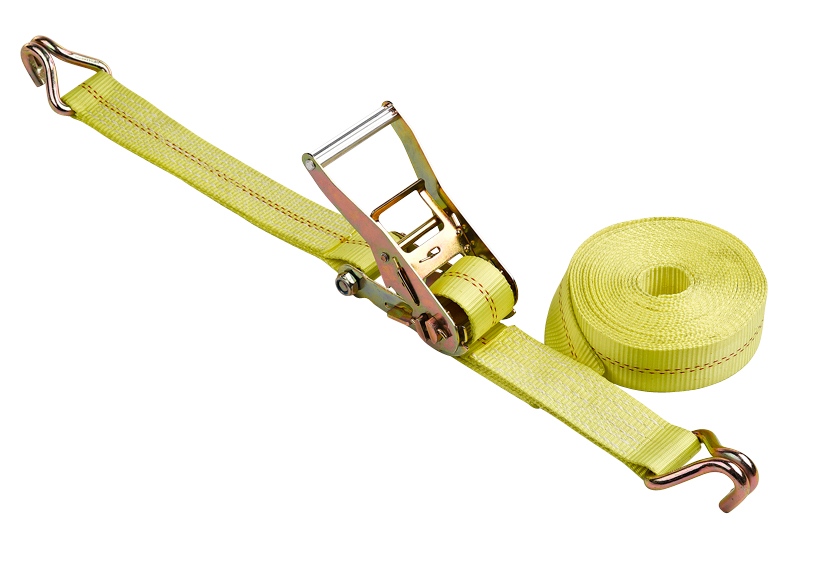
If ratchet straps aren’t strong enough, there are other options. These options may be more effective in certain jobs and industries. Here are some of the best methods for securing heavy objects.
Chain Fasteners
Chain fasteners use steel chains and specialized tools to tighten them. They are used to move large machinery or items with sharp edges. Chain fasteners can withstand greater weight than most binding straps. They also work well in harsh weather or rugged terrain where other binding straps may break.
| Tie-Down Method | Load Capacity | Durability | Preferred Industries |
|---|---|---|---|
| Chain Binders | Higher | Superior | Heavy equipment, machinery with sharp edges, extreme environments |
| Ratchet Straps | Lower | Susceptible | General cargo transport |
This table shows that chain ties are stronger and more durable. Personnel handling large machinery often choose chain ties for safety.
Wire Ropes and Cables
Wire ropes and cables are also a more reliable option than regular ties. They are both strong and flexible, making them ideal for high-intensity work. Many workers use wire ropes in logging, shipbuilding, or construction sites. With proper maintenance, wire ropes can last a long time. However, they need to be checked regularly for rust or water damage.
- Wire ropes are strong and flexible. They are ideal for high-intensity work but require careful maintenance to stay in good condition.
- Ratchet ties are easy to use and protect delicate items. They tighten quickly and are suitable for a variety of tasks.
Wire ropes and cables are used to carry heavy objects that could damage regular ties. Their design allows them to withstand sharp or rough objects without breaking.
Roller Cam Ties
Roller cam ties have special cams that roll as they tighten. This makes tightening easier and reduces friction. Roller cam-type binding straps can withstand greater tensile force than regular cam-buckle binding straps. They are used in sports, marine applications, or any situation requiring non-slip binding. The roller cam also prevents the binding strap from wearing out too quickly.
Roller cam-type binding straps are suitable for medium to heavy loads. They are strong, durable, and easy to use. People like to use them when they need to quickly and securely secure items.
Tie Boss Binding Straps
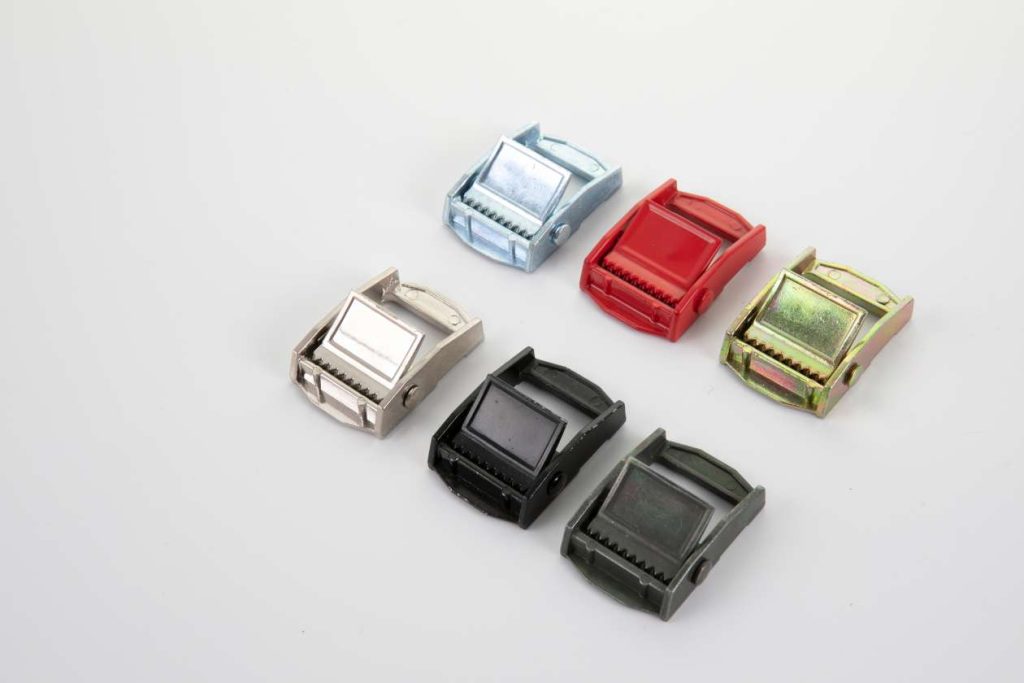
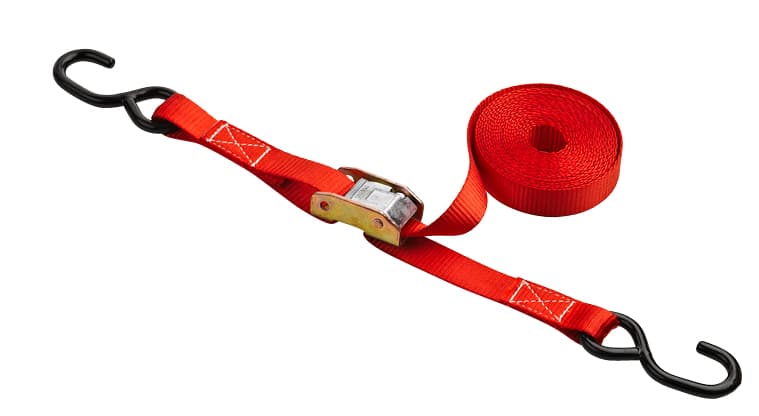
Tie Boss binding straps use special buckles for quick and easy securing. No ratchet or other tools are needed. Simply pull the rope tight, and the buckle will lock. Tie Boss binding straps are versatile, for example, for securing ladders or tools on trucks.
Many people like Tie Boss binding straps because they are simple and easy to use. They can support medium-weight loads and are easy to adjust. This makes them ideal for homes, small shops, or anyone who needs convenient binding straps.
| Feature | Description |
|---|---|
| Material | Zinc Alloy |
| Breaking Strength | Higher than standard ratchet straps |
| Application | Suitable for auto trailers and lashing systems |
Baoying’s lashing straps help people secure goods safely and quickly. They focus on high-quality products and customized services, earning the trust of numerous businesses.
Strength vs. Reliability Comparison
Breaking Strength and Working Load Limits
Breaking strength and working load limit help people choose the right cargo binding straps. Breaking strength refers to the maximum tensile force that a binding strap or chain can withstand before breaking. The working load limit, on the other hand, tells the user the maximum weight it can safely carry. Industry guidelines typically use a safety factor, generally 3:1, meaning the breaking strength is three times the working load limit. This safety margin protects against sudden impacts or operational errors during transport. Chain binding straps and wire ropes typically have higher ratings, making them more suitable for heavy-duty cargo.
| Tie-Down Type | Typical Breaking Strength | Working Load Limit | Safety Factor |
|---|---|---|---|
| Ratchet Strap | Up to 16,200 lbs | Up to 5,400 lbs | 3:1 |
| Chain Binder | 18,000+ lbs | 5,400+ lbs | 3:1 or more |
| Wire Rope | 20,000+ lbs | 6,000+ lbs | 3:1 or more |
Durability and Safety
Durability is paramount when choosing cargo ties or chains for heavy-duty operations. Chains have a longer lifespan and are more resistant to wear, especially in harsh weather. Ratchet ties use strong webbing, but exposure to sun and rain can weaken their strength over time. Sharp edges can also damage the webbing. For safety, all ties should be inspected before each use. Chain ties are best suited for heavy-duty operations because they are not as easily damaged as ties. Wire rope also has a long lifespan if kept clean and dry.
Tip: Always check cargo ties or chains for damage before each trip.
Performance in Use
Cargo ties must maintain tension and prevent cargo from shifting during transport. Ratchet ties excel in this regard because they lock securely, preventing cargo from slipping. This makes them ideal for many heavy-duty operations. Chain ties and wire ropes can also secure cargo, but they are best suited for very large or sharp-edged items. Cam-buckle ties are easier to use but may not be as secure as ratchet ties. The appropriate tying method should be chosen based on the cargo and road conditions.
Note: Ratchet straps are ideal for securing goods, but chains and wire ropes offer extra strength for the most demanding tasks.
Advantages and Disadvantages of Various Binding Methods
Ratchet Straps: Advantages and Disadvantages
Ratchet straps are quick and easy to use, providing a secure hold. They are ideal for securing furniture and motorcycles. They are easy to use and quick to adjust.
Advantages:
- Simple to use
- Light and easy to carry
- Works for medium loads
- Keeps fragile cargo safe
Disadvantages:
- Sun or sharp things can damage webbing
- Needs dry storage to stop water harm
- Must check and replace often
Ratchet straps require more maintenance than metal straps. Users should check for wear and keep the straps dry.
Chain Straps: Advantages and Disadvantages
Chain straps use metal chains and tools for tightening. They are used to secure heavy machinery and equipment.
Advantages:
- Can carry very heavy loads
- Can withstand harsh weather and scratches
- More durable than webbing
- Good at handling sharp objects
Disadvantages:
- Bulky and difficult to move
- Time-consuming to install
- Not suitable for fragile items
| Maintenance Aspect | Ratchet Straps | Chain Binders |
|---|---|---|
| Material | Synthetic webbing | Metal |
| Wear Resistance | Easy to damage | Tough and resists scraping |
| Replacement Frequency | Needs replacing often | Rarely needs replacing |
| Storage Requirements | Needs dry, cool place | Not as picky |
Steel Wire Rope: Advantages and Disadvantages
Steel wire rope is strong and flexible. Workers often use it in logging and construction operations.
Advantages:
- High breaking strength
- Good flexibility, suitable for high-intensity work
- Can withstand sharp or rough loads
Disadvantages:
- Requires frequent checks for rust
- Can be heavy and difficult to handle
- Not suitable for fragile goods
Roller Cam Type and Tie-lock Type: Advantages and Disadvantages
Roller cam type straps use roller cams for tightening. Tie-lock type straps use locks for quick replacement.
Roller-type cargo ties advantages:
- Easy to tighten
- Less wear and tear on the ties
- Strong hold
Roller-type cargo ties disadvantages:
- Less strength than chain ties
- Not suitable for overweight cargo
Tie Boss cargo ties advantages:
- Quick and easy to use
- Suitable for light and medium-weight cargo
- No tools required
Tie Boss cargo ties disadvantages:
- Not suitable for heavy machinery
- Slippage may occur under excessive tension
Choosing the right cargo ties
Assessing the cargo
People need to consider the characteristics of the cargo before choosing ties. Heavy machinery, sharp objects, or fragile items require different ties. For example, steel beams should use chain ties. Motorcycles can use ratchet ties. The number of ties depends on the length and weight of the cargo. Workers should observe the shape and surface of the cargo. If the cargo has sharp corners, corner protectors should be used to prevent damage.
Safety precautions
Safety is paramount when tying cargo. The Federal Motor Transportation Safety Administration (FMCSA) and other agencies have established tying rules. These rules help ensure the safety of drivers and other road users. The table below lists some safety standards:
| Regulation | Description |
|---|---|
| FMCSA Requirements | Cargo securement rules under Part 393 of the Federal Motor Carrier Safety Regulations explain how to hold loads and what tie-downs to use. |
| OSHA Involvement | OSHA rules help stop dangers and keep workers safe when moving cargo. |
| International Guidelines | Canada’s NSC Standard 10 and Europe’s EN standards set rules for holding loads, so safety is the same in different countries. |
All cargo must be secured using the correct lashing system. Webbing lashing should comply with WSTDA (Western Cargo Transportation Security Administration) regulations. The number of lashing straps depends on the size and weight of the cargo. FMCSA (Federal Motor Vehicles Safety Administration) regulations stipulate that lashing straps must be able to withstand bumps, stops, and turns during transport.
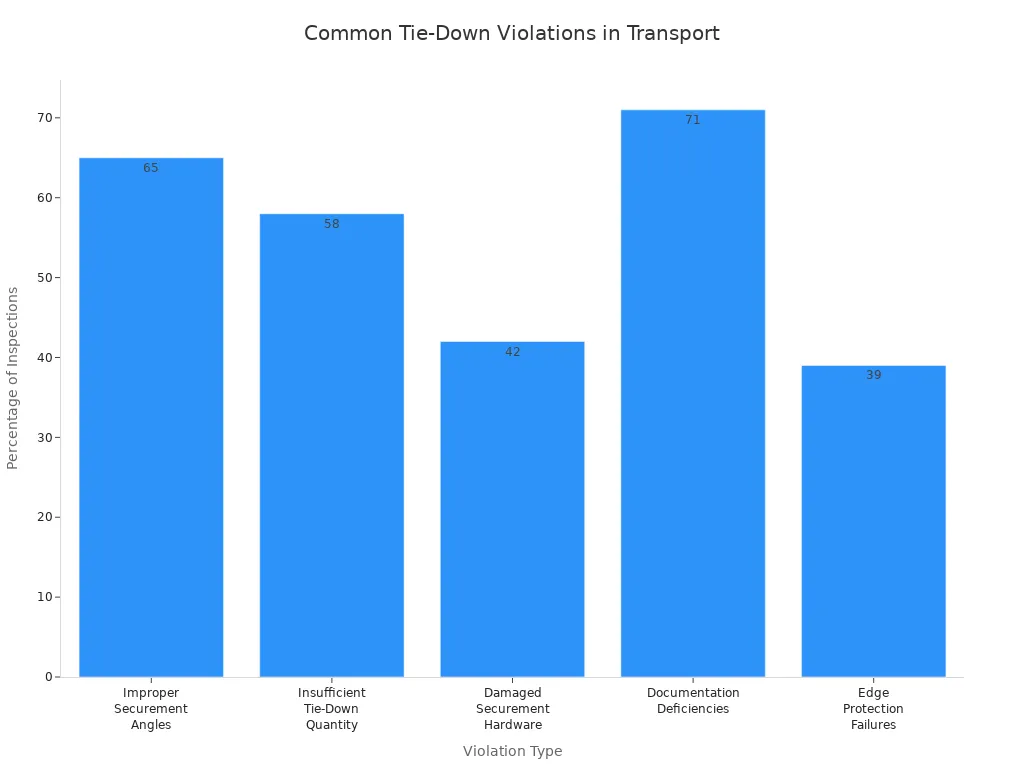
Many errors are caused by using the wrong lashing straps or insufficient lashing. The following table lists some common errors:
Selection Checklist
A checklist can help workers choose the right binding straps:
- Review the weight and type of the goods.
- Calculate the required quantity of binding straps.
- Inspect all straps, chains, or cables for damage.
- Ensure the binding straps comply with the regulations of the Federal Motor Transport Safety Administration (FMCSA) and the Western Cargo Transportation Safety Administration (WSTDA).
- For sharp goods, use edge protectors.
- Choose binding straps suitable for the job; for example, chain straps can be used for heavy machinery, while ratchet straps can be used for light items.
BAOYING customizes binding straps for special operations. Their binding straps undergo rigorous quality testing and meet international standards. This helps businesses choose the right binding straps for each job.
Tip: Always choose the right binding straps for your goods and check for damage before each shipment.
The table below lists products that are stronger than ratchet straps and their applications:
| Product Name | Strengths | Ideal Use Cases |
|---|---|---|
| Tork Strap HD | Has a spring and a fast cam lock. Good for many uses. | Best for things that might move during travel. |
| US Cargo Control Ratchet Strap | Heavy-duty with a long handle. Makes high tension for big trailers. | Good for pros who haul heavy loads or use trailers. |
Safety experts point out that choosing the right binding straps is crucial:
- Many accidents each year are caused by the use of incorrect binding straps.
- High-quality binding straps ensure the safety of goods and protect your equipment.
BaoYing offers high-strength binding straps for a variety of purposes. For special cargo, cross braces, adjustable bars, or high-tension ratchet straps are recommended. You can also consult an expert for optimal results.
FAQ
Why are chain binding straps stronger than ratchet binding straps?
Chain binding straps use steel chains and fastening tools. Steel has tensile and fracture resistance. This design allows chain binding straps to withstand heavier loads than webbing.
Can BaoYing customize binding straps for special cargo?
Yes. BaoYing offers custom binding strap services. Their team works with clients to design binding straps based on their unique needs. They adhere to strict quality standards.
How often should workers inspect cargo binding straps?
Workers should inspect the cargo straps before each use. Check for wear, cuts, rust, or damaged hardware. Replace immediately if any damage is found.
Are wire ropes suitable for all types of cargo?
Wire ropes are best suited for heavy, rough, or sharp-edged cargo. They may not be suitable for fragile items. Use edge protection devices and check for rust or broken wires.