A cam buckle is a light, lever-run tool that holds webbing tight to keep cargo safe. It does not need any tools. The spring-loaded cam locks on its own when the user shuts the lever. This makes quick load control easy.
But this device works only for lighter jobs. It does not hold up for heavy tie-downs, climbing, or lifting overhead. Users should match the strap to the load’s weight and hook it to solid anchor points. Hardware stores sell full cargo-control systems. The parts below explain how the cam works, when this tie-down hardware is the right pick, and how to check and use it safely over time.
Key Takeaways
- A cam buckle is a simple tool for light-duty cargo. It locks webbing with a spring-loaded cam.
- Cam straps work best for light loads. They offer quick release and resist weather.
- Always check the working load limit on the label. Never use a cam buckle for heavy loads or climbing.
- Operate the cam buckle correctly: attach to solid points, feed webbing, pull tight, and lock the lever.
- Inspect cam buckle straps before each use. Replace any damaged strap immediately to stay safe.
Cam Straps Overview
What Is a Cam Buckle?
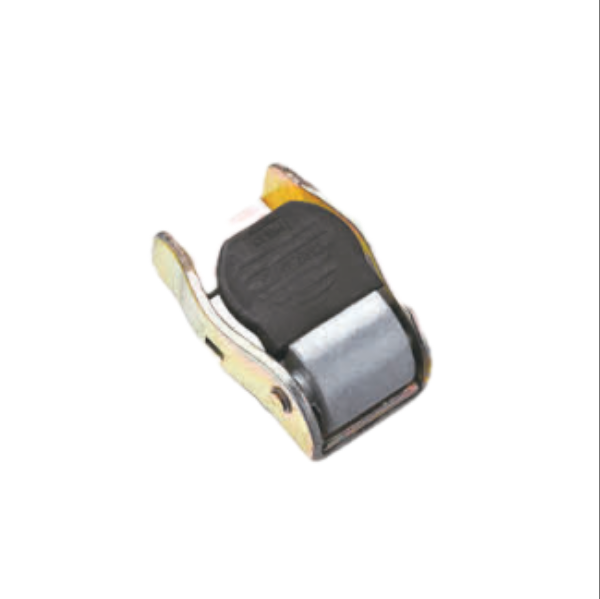
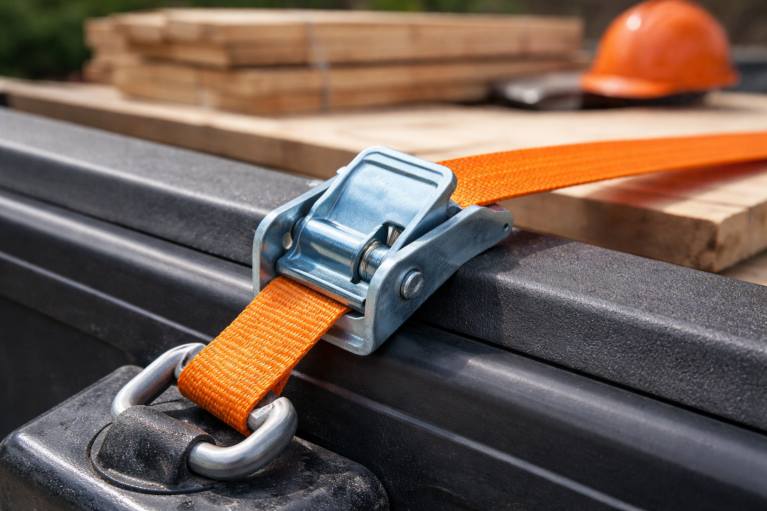
A cam buckle is a small tightening tool that grabs the webbing and keeps cargo safe. The buckle is the hardware part. Cam straps join that hardware with a piece of webbing. These light-duty cam straps are made of 1” polyester webbing, which fights stretching, mildew, and sunlight.
The two parts work as a team. The strap cannot tighten on its own. The hardware adds the gripping force that holds the load. This split matters when buyers compare listings from a factory. Some suppliers sell only the hardware, while others sell the full system. Knowing which part is which stops you from ordering the wrong item.
Makers often pair strong polyester with zinc-coated metal hardware. BAOYING, a professional manufacturer near Ningbo Beilun Port, makes cam straps for importers, trailer brands, and hardware distributors. Wholesale buyers can ask for custom colors, logo printing, hardware shapes, lengths, and widths. The zinc coating guards against salt spray. The polyester fibers stand up to UV damage. In-house R&D teams can tune the cam shape for smoother release.
Working load limits depend on width and construction. One heavy-duty 2-inch cam buckle strap rates at 500 lb. Narrower 1-inch straps range from 333 to 833 lb. Users must always check the rated working load limit printed on the label before loading.
Quality cam straps also meet several North American safety standards:
- Current U.S. DOT regulations
- CVSA guidelines
- CHP requirements
- North American Cargo Securement standards
- WSTDA standards
These rules govern light-duty cargo securement on public roads and give buyers a safety benchmark. A compliant product carries a visible label that describes the working load limit and the manufacturer’s name.
How the Cam Mechanism Locks
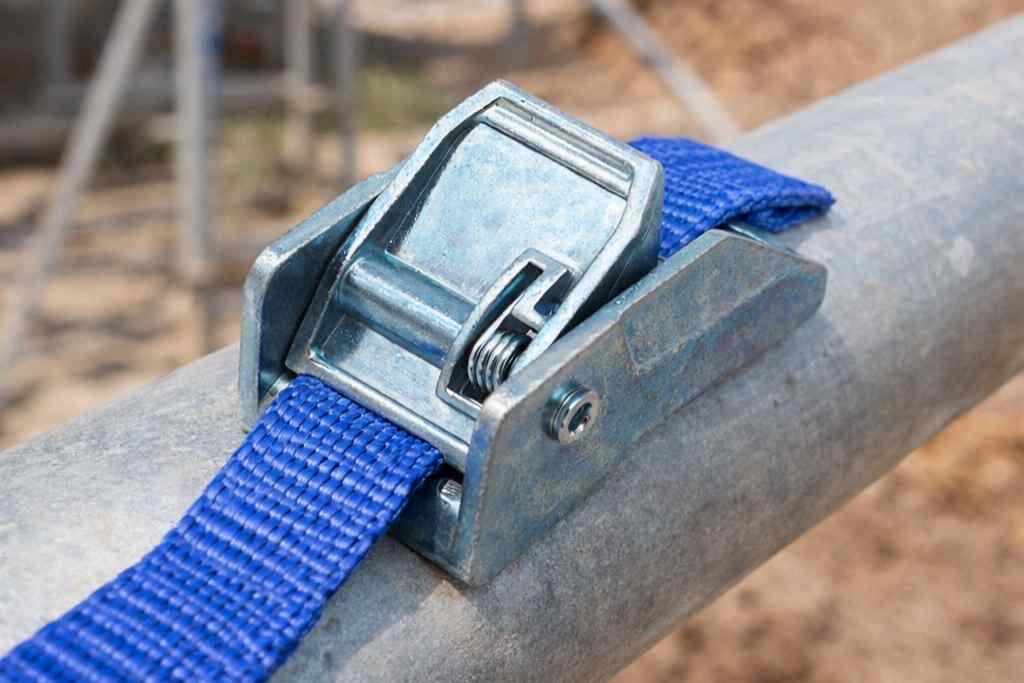
The cam mechanism uses a spring-loaded lever with angled grip points. Users open the lever, feed the webbing through, pull the strap tight, then push the tab lever down. The spring closes the lever and locks the strap in place.
The housing holds a row of teeth. The teeth of the cam buckle bite deeper as tension grows. This one-way action allows tightening but blocks backward slippage. The angled design creates a ratchet-like hold that resists vibration from a moving vehicle.
A key feature is the gap created between the metal rolling barrel and the teeth of the lever. This opening lets the webbing slide freely when the user raises the lever. When the lever closes, the spring shrinks the gap between the teeth of the buckle and the roller. Spring pressure then makes the cam clamp down on the webbing with strong friction.
The spring keeps constant pressure. The strap stays locked even during bumpy transit. Only lifting the lever frees the webbing. The cam self-locks without pins, ratchet handles, or extra tools, making it ideal for quick load changes.
Material choice affects performance. A zinc-coated metal cam buckle resists wear and handles repeated use. A plastic version resists corrosion, weighs less, and costs less. Outdoor users often prefer plastic for mild environments. Metal suits heavier mechanical conditions. Dust, UV exposure, and salt can damage either type. Routine cleaning and inspection matter.
Suppliers with in-house R&D can adjust tooth angle, spring tension, and roller spacing. A reliable factory offers stable batch quality, CE and GS certifications, and efficient logistics near Ningbo Beilun Port. This matters for wholesale orders. OEM and ODM programs let distributors brand the finished goods.
Common Uses and Benefits
Best Uses for Light-Duty Cargo
Cam straps work best when a load needs gentle tension instead of crushing force. A driver tying a ladder to a roof rack wants the strap snug, not dented. The same idea applies to kayaks on trailers, bundled camping gear, and motorcycles on a hitch carrier. Boats do well with cam straps because the webbing flexes with wave motion without coming loose. Fragile cargo like furniture or glass panels also works with this hardware. The cam grips firmly but lets go before the load gets damaged.
A wholesale supplier often suggests cam straps for moving companies and delivery fleets. These users tie down items hundreds of times each week. Speed matters more than extreme holding power. A cam buckle lets a worker tighten the strap in seconds. No ratchet handle means no scraped knuckles in tight spaces. A custom length option from a manufacturer helps match specific trailer beds or rack widths.
Benefits Over Other Tie-Down Options
Cam straps give three clear advantages: weather resistance, fast release, and simple operation. Polyester webbing resists mildew, UV damage, and salt spray. Zinc-coated hardware fights rust in marine and winter road conditions. A factory that follows ISO 9001 practices builds these straps to last a long time.
Release speed sets cam straps apart from ratchet straps. A user lifts the lever and the webbing slides free. No winding, no handle cranking. This feature helps when unloading at a busy dock or a crowded trailhead. Ease of operation also matters for occasional users. Anyone can learn the cam buckle motion in under a minute. That low learning curve makes these straps a favorite for rental fleets and household movers. A supplier serving hardware distributors knows this broad appeal drives steady demand.
Cam Straps vs. Ratchet Straps
Load Capacity and Safety Differences
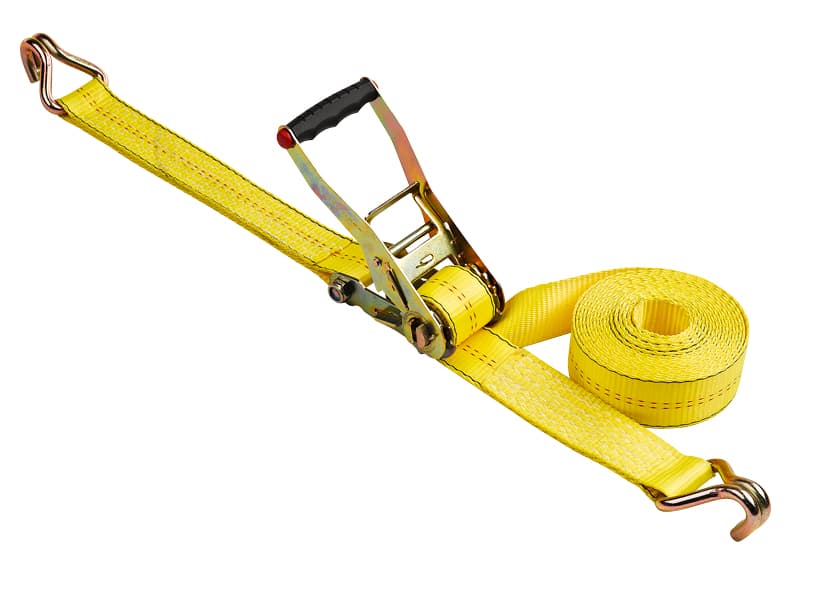
The main trade-off is tension. Cam straps prioritize speed and simplicity. Ratchet straps deliver higher force for heavy cargo. BAOYING, a professional manufacturer, supplies both families of tie-down straps. The working load limit spans from 500 to 10,000 lbs, depending on the strap style and width. The WLL of the cam strap sits at the low end of that range. The factory rates its straps for specific loads, so buyers should check the label before use. A ratchet strap uses a geared handle to reel in slack. The buckle’s spring-loaded lever locks the webbing instead. That design choice explains the safety gap. Overloading a cam buckle risks sudden release.
Transport guidelines pair each tool with its job:
| Type | When recommended | Load and distance profile |
|---|---|---|
| Cam strap | Light-duty securing, fragile items, quick tie-downs | Light to medium loads; short to medium trips |
| Ratchet strap | Heavy-duty securing, long-haul transport | Heavy loads; long distances |
When to Choose a Cam Strap
Cam straps suit recreational transport well. Ratchet straps can overtighten and warp or crack a kayak hull. A cam strap is harder to overtighten, and its buckle sits flush against the boat. Expert kayak users prefer them over ratchet straps. One paddler drove from Florida to North Carolina with only cam straps holding the boat.
No single strap can cover every job. Fragile cargo needs gentler tension. Furniture, glass panels, and lightweight gear ride safely without added stress. Homeowners use these straps for small trailers and roof racks. Daily users lift the lever and release the strap in an instant. Hardware distributors buy straps in bulk. Wholesale buyers can order custom straps with printed logos. The factory can customize webbing color, length, and hardware shape for each order. That flexibility lets a supplier match the strap to the load. For heavy, long-distance hauls, choose ratchet straps. For quick, light-duty jobs, grab a cam strap.
How to Operate the Cam Buckle Safely
Step-by-Step Tie-Down Process
Correct technique protects both the cargo and the person doing the work. A supplier or factory that ships these products often prints basic instructions on the label. The sequence below follows standard tie-down practice.
- Attach the fixed end of the strap to a solid anchor point on the vehicle or trailer.
- Depress the lever and feed the tail of the strap through the buckle from the bottom opening.
- Pull the loose end to remove slack and tighten the assembly.
- Push the tab lever down so the spring-loaded cam locks the webbing in place.
- Tug the strap gently to confirm the cam holds and the load does not shift.
A worker who needs to loosen the assembly simply lifts the lever and slides the webbing back. This release takes only a second. That speed explains why cam straps suit rental fleets and delivery vans.
After the first few miles of driving, stop and confirm the load is still tight. Recheck tension every 50 miles during transport. Suspension movement, vibration, and temperature shifts can all loosen a strap over time. A driver who ignores this step risks a shifted load on the highway.
Give the buckle a visual check to confirm the cam is engaged and the webbing is seated flat with no twist. A twisted strap loses holding strength and wears unevenly.
Choosing Strap Length and Anchor Points
Strap length and anchor quality decide how well the system performs. A strap that is too short cannot reach both anchor points. A strap that is too long leaves loose webbing that flaps in the wind and wears against itself. Buyers who order wholesale quantities should measure their trailer beds and rack widths before choosing a size. Many manufacturers offer custom lengths to match specific applications.
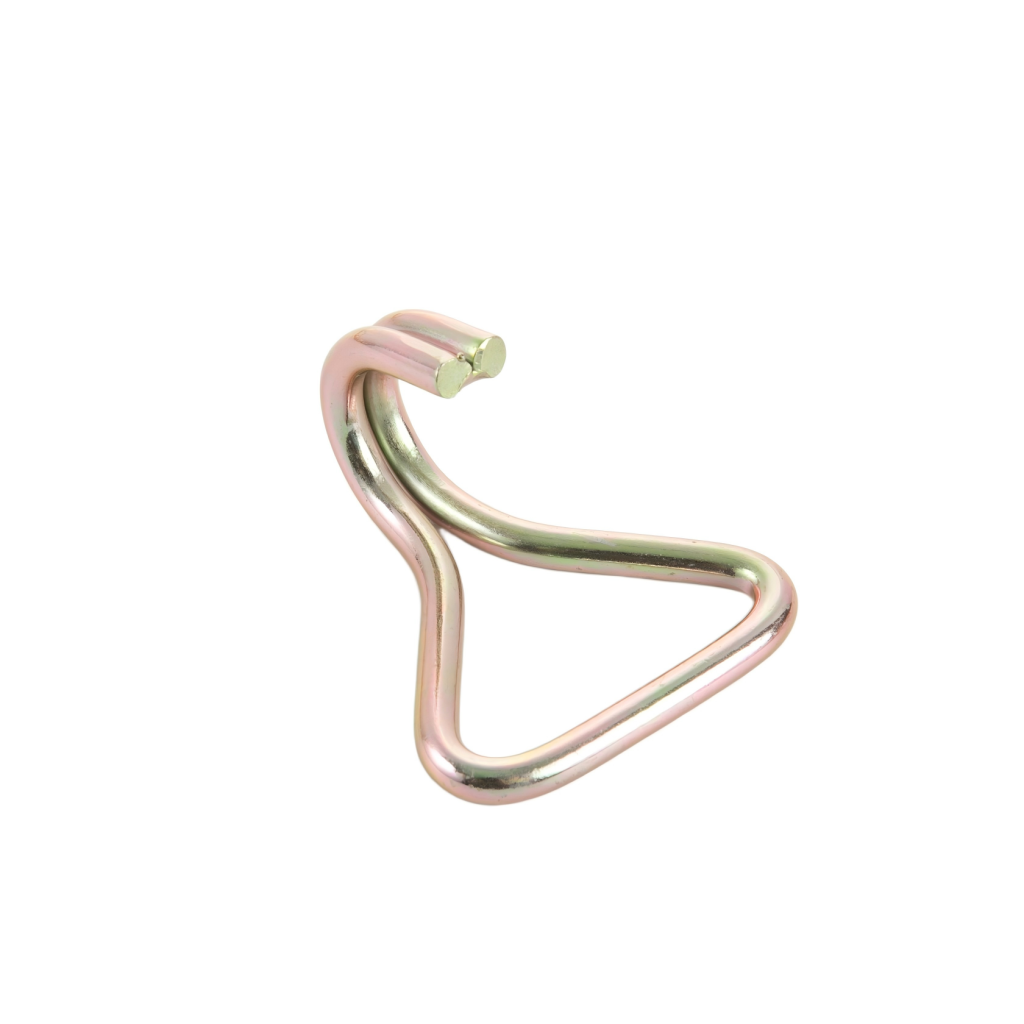
Two anchor point attachments using a standard cam strap work for most light-duty jobs. Two anchor point attachments using loop end cam straps give more flexibility when hooks do not fit. Two anchor point attachments should always land on solid metal, never on plastic trim or thin sheet metal.
Tie-down pressure matters as well. A cam buckle grips through friction, not through mechanical advantage. Users who need ratchet-level force should switch to a ratchet strap. Cam straps can absorb some suspension movement, but they cannot replace a ratchet for heavy loads. A responsible supplier will state the working load limit clearly. That number tells the buyer exactly what the hardware can handle.
Safety Mistakes and Maintenance Tips
Common Safety Mistakes to Avoid
People sometimes use a cam buckle for climbing, overhead lifting, or heavy work. That can cause disaster. The spring-loaded cam only locks by friction, not mechanical strength. Sudden failure can seriously hurt someone. A cam buckle is for light-duty cargo only. It has no ratchet handle for extra grip. It cannot hold high-tension loads.
Overloading a strap past its Working Load Limit stresses every part. The webbing can tear, and the hardware can bend. Twisting during installation also weakens the strap. Users should guide the strap so it runs straight through the buckle. Make sure the buckle lever closes completely and the webbing sits flat. A lever that is partly closed can open during bumps. Do not knot the strap. Knots make weak points that damage the fibers.
Sharp edges can slice fibers on long trips. Edge guards or Cordura sleeves stop damage at contact points. Many distributors sell these guards with their tie-down straps. A good supplier suggests them for every cam buckle order.
Replace the item immediately if you find any damage.
Inspecting and Storing Your Straps
Check straps before and after use. Look for fraying, rust, stiffness, or bent parts. The manufacturer’s label states the rated working load limit. Ignoring that number removes the safety margin.
| Component | Damage That Demands Replacement |
|---|---|
| Webbing | Holes, tears, cuts, frays, burns, melting, mold, mildew, crushed areas, UV discoloration |
| Stitching | Broken stitches, loose threads, abrasion, thinning |
| Hardware | Cracks, pits, corrosion, distortion, unusual wear patterns |
Never fix a damaged strap with tape or knots. A splice hides the damage and leaves a weak spot. Zinc-coated hardware fights rust in wet and salty places, but it still needs dry storage. Store straps and buckles in a cool, dark place. Damp shelves help mildew grow. Over time, UV light makes polyester brittle.
A well-kept cam buckle can last for six years or more. Regular checks every 50 miles keep the load safe. Wholesale buyers can add spare hardware when they place a custom factory order. This simple habit avoids most tie-down failures.
A cam buckle is for quick, light jobs. It holds cargo without the strong pull of a ratchet. People who need speed and ease pick cam straps first.
Use a working load limit that matches the load. Hook to solid points. Check the cam and webbing before use. A supplier or manufacturer can confirm the rated capacity for each strap.
Safety matters most. Pick the right strap type for the job. Use the buckle correctly each time. Replace any damaged straps at once. These steps keep cargo secure and people safe.
FAQ
What load can a cam buckle strap handle?
A cam buckle strap typically rates at 500 lbs for a 2-inch width. Narrower 1-inch versions range from 333 to 833 lbs. Users must check the working load limit on the label. A supplier or manufacturer prints that number for a reason.
Can a cam buckle replace a ratchet strap?
No. A cam buckle suits light-duty jobs. A ratchet strap delivers higher tension for heavy loads. A wholesale buyer should match the strap type to the cargo weight. Overloading a cam buckle risks sudden release.
How does a cam buckle hold webbing in place?
A spring-loaded lever presses angled teeth against the webbing. The cam bites deeper as tension rises. This one-way grip blocks backward slippage. Lifting the lever frees the strap.
Do cam straps work in rain or saltwater?
Yes. Polyester webbing resists mildew, UV damage, and salt spray. Zinc-coated hardware fights rust. A factory that follows ISO 9001 practices builds these straps for marine and winter use. Rinse and dry them after exposure.
When should a user replace a cam strap?
Replace it after any fraying, cuts, rust, or bent hardware. A cam that no longer locks tightly also signals replacement. Tape or knots cannot fix damage. A custom order from a supplier can include spare hardware.