Cam buckle straps give you three main benefits: they are easy to use, they protect fragile cargo, and they work well for everyday jobs. Think about holding down a few items in a pickup truck bed or tying a kayak on top for a weekend trip. In these moments, a fast and simple tie-down solution works best. This article explains what cam buckle straps are and why they work so well in many situations.
The global tie down strap market has grown strong, with a yearly growth rate estimated between 5 and 7 percent and a market value expected to pass USD 1.5 billion. This growth shows more demand for reliable cargo control solutions. BAOYING, a professional manufacturer and wholesale supplier, makes cam straps using high-tenacity polyester webbing and zinc anti-corrosion coated hardware, with working loads from 500 to 10,000 pounds.
Key Takeaways
- Cam buckle straps are easy to use and protect fragile cargo.
- They tighten by hand, so you control the tension and avoid damage.
- Choose cam straps for loads under 700 pounds; use ratchet straps for heavier items.
- Check straps for wear before each use and store them clean and dry.
- Cam straps work well for kayaks, luggage, and moving furniture.
What Are Cam Buckle Straps?
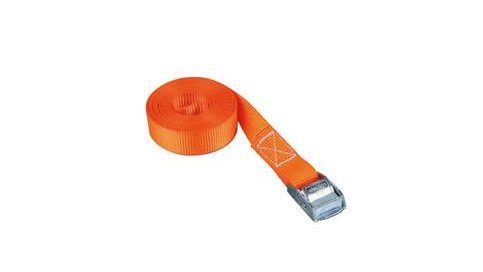
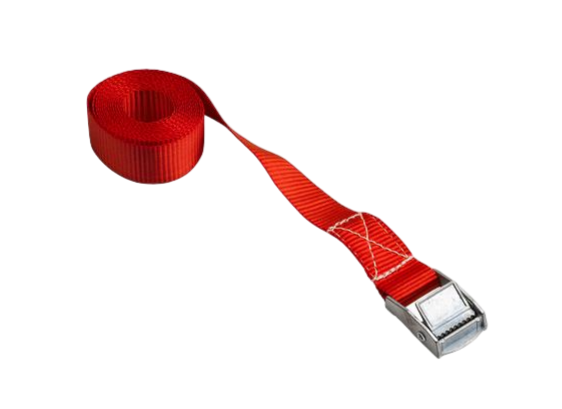
Cam buckle straps are a simple but strong way to hold cargo in place. A cam buckle tie-down strap uses a spring-loaded part to lock the webbing. The user puts the strap through the buckle, pulls it tight by hand, and the cam grabs the webbing on its own. This design lets you set up and release quickly without any special tools.
Cam buckles (or cam straps) are a type of tie-down strap used for securing cargo, consisting of a metal buckle and durable webbing (typically polyester or nylon). The working principle is straightforward: thread the webbing through the buckle, and the cam mechanism locks it in place.
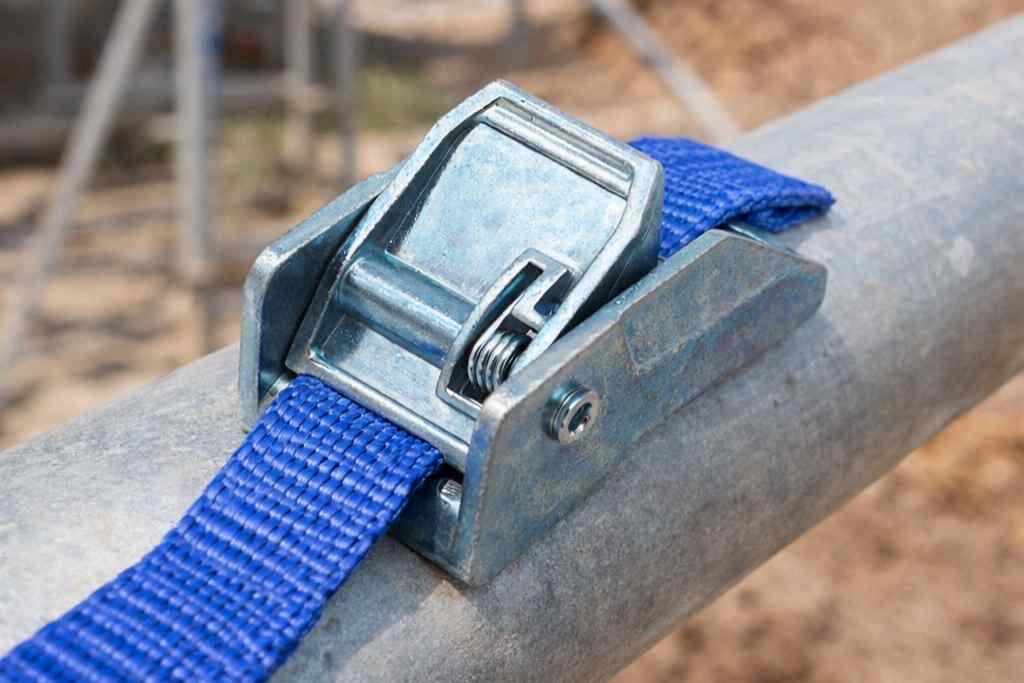
The cam buckle has a row of teeth that presses hard against the webbing when tension is applied. This grip stops slipping during transport. The working load limit depends on the strap width and webbing quality. BAOYING makes these tie down straps with high-tenacity polyester webbing and zinc anti-corrosion coated metal hardware. Their cam buckle tie down hardware supports working loads from 500 to 10,000 pounds, so they fit many uses.
How a Cam Buckle Works
The mechanism works with an internal spring-loaded cam that presses against the webbing when tension is applied. This pressure creates a grip that locks the strap in place and stops it from loosening. To release the strap, the user presses the cam lever, which lifts the cam away from the webbing and lets it slide freely through the buckle.
- The webbing threads through the spring-loaded metal buckle.
- The strap pulls snug by hand, which rotates the cam mechanism.
- The cam then bites down on the strap, creating a locking grip that holds the tension.
- To release, the cam lever lifts, allowing the strap to feed free.
This simple process makes cam buckle straps faster to attach and release than ratchet straps. Users control the tension fully since tightening depends only on hand strength. The cam buckle hardware stays very weather-resistant, with simple parts that resist wear and salt spray during long trips.
Key Components of a Cam Buckle Strap
Knowing the parts helps users pick the right cam straps for their needs. Each part plays a specific role in holding cargo.
- Buckle (including the pivoting cam mechanism)
- Webbing (width, thickness, construction, and fiber type)
- Stitching (sewing pattern and thread)
- End fittings (hooks, D-rings, or attachment points)
- Anchor points
- Strap routing and intended direction of force
BAOYING offers full ODM/OEM customization for their tie-down straps. Clients can customize webbing color, logo printing, hardware shape, length, and width. As a professional manufacturer and wholesale supplier, BAOYING provides factory-direct options for global importers, trailer brands, and hardware distributors.
| Application Category | Working Load Limit | Breaking Strength | Notes |
|---|---|---|---|
| Medium-duty | Up to 500 lb | 1,500 lb | Suitable for medium-sized loads such as dirt bikes and ATVs; lighter-duty than ratchet straps but heavier-duty than lashing straps |
The wll of the cam strap shows how much weight it can safely hold. Cam buckle straps come in 1-inch and 2-inch widths, made for quick securement where over-tightening is a worry. For heavier cargo above 700 to 750 pounds, ratchet straps work better. The metal hardware finishes include nickel, copper, antique, and matte colors, with materials ranging from steel and iron to zinc, solid brass, and stainless steel. These options let users match hardware to their specific conditions.
Cam Buckle Straps and Ratchet Straps
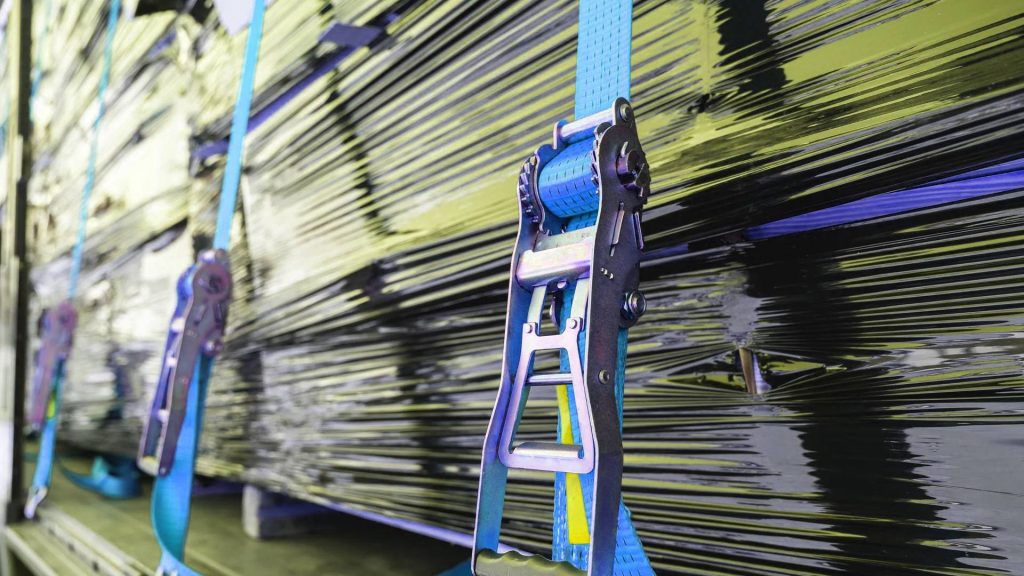
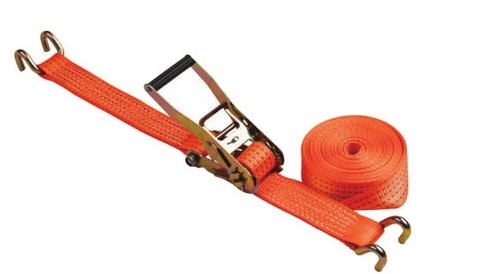
Picking between cam buckle straps and ratchet straps depends on what you are hauling and the task. Both hold loads, but they work in different ways. A cam buckle strap gets tight by hand. A ratchet strap uses a gear system to make more force. This difference changes how each strap works.
Why Cam Buckles Are Better for Lighter Loads
Cam buckle straps work best for lighter cargo. The user pulls the webbing by hand to make tension. This gives full control over how tight the strap gets. Since tension comes only from arm strength, cam buckle straps have a natural limit on how tight they can get. That limit is actually their biggest plus for certain cargo. Ratchet straps use gears to crank tension far beyond what hand force can make. That extra force becomes a problem for items that crush easily.
A cam buckle strap hardly ever overtightens cargo. This helps prevent damage over time. The user feels the tension grow and stops when the load feels safe. A ratchet strap keeps cranking with each pull of the handle. The user may not know the strap has crushed a cardboard box or cracked a fiberglass panel until it is too late.
Signs that a ratchet strap has overtightened cargo include:
- Crushed foam kayak hulls
- Cracked plastic fenders
- Dented soft aluminum
- Deformation of anything that compresses under load
- Marred painted surfaces
These problems hardly ever happen with cam straps. The hand-powered design keeps force at a safe level for fragile goods.
The Advantage of Cargo Protection
The main advantage of cam buckle straps in cargo securement is protection. These straps tighten by pulling the webbing directly, without a ratchet mechanism. Only limited hand force can be applied, which lowers the tension placed on the cargo. This lower force makes cam buckle straps good for fragile goods. They help avoid the too-tight tightening that could otherwise cause damage.
| Strap Type | Risk of Over-tightening | Effect on Fragile Cargo |
|---|---|---|
| Ratchet strap | High | Can damage fragile goods |
| Cam buckle strap | Low | Manual tension only, minimizing risk of damaging fragile items |
For heavy cargo, ratchet straps are still the better choice. They hold extreme loads that hand tightening cannot match. For lighter loads and delicate items, cam buckle straps offer a safer way. The user gets more control over the final tension applied.
BAOYING, a professional manufacturer and wholesale supplier, builds cam buckle straps that keep constant tension during long-distance bumpy transportation. Their tie down straps resist wear, salt spray, and vibration. This durability makes them reliable for marine, truck, and industrial use. The factory offers custom options for importers and distributors who need specific hardware or webbing.
One point deserves attention. Webbing stretches a little under load. Ratchet straps keep locked tension between checks more passively than cam straps, whose spring-loaded cam can allow slight relaxation as webbing settles. Users should check cam buckle straps from time to time during long trips. This simple habit keeps cargo secure and stops shifting.
The choice between cam straps vs. ratchet straps comes down to the load. Light, fragile items need the gentle hold of a cam buckle. Heavy, rugged cargo needs the raw power of a ratchet. Understanding this difference helps users pick the right tool for every transport job.
How to Use a Cam Buckle Strap
Learning how to operate the cam buckle takes only a minute. The steps are simple, and the hardware does most of the work.
Tightening the Strap
First, flip the buckle over completely. Thread the webbing through slot 1 from underneath. Next, thread the webbing through slot 2, then pull the cam buckle strap as tight as possible and hold it. Flip the buckle up 90 degrees and thread the webbing through slot 3. Finally, flip the buckle closed while keeping it aligned with the cam band. The user should feel it snap into place. A quick check confirms the work: the cam band should not move up or down when fastened. If it moves more than a hair, re-tighten it.
Tighten by hand until the cargo feels secure. Cam buckle straps are tightened using hand strength, and they can only be tightened as much as hand force allows. Do not over-tighten, because cam buckles are intended for lighter-weight or fragile cargo rather than heavy loads. Before each use, inspect the tie down straps for wear. Check the snap hooks and UV resistance. Look for cuts, tears, fraying, or burns in the webbing. Reject any strap if damage exceeds 10% of its width or if the core is exposed. Also confirm the working load limit tag is present and legible.
Releasing the Buckle
Releasing is just as fast. Push the release lever to disengage the cam tension. Keep holding the tab lever down while pulling the remaining webbing out of the buckle. To maintain strap life, avoid releasing under tension, since this wears the metal components faster.
Cam straps are faster to attach and release than ratchet straps, which makes them convenient for many tasks. For securement, cam straps with hook ends work well. Two anchor point attachments using a standard cam strap can hold gear on one side. Two anchor point attachments using loop end cam straps handle the other side. A longer webbing tie-down strap can connect them across the full width of the gear. This setup gives a manufacturer or supplier a flexible option for wholesale orders.
Understand the importance of proper preparation before using tie-down straps, such as checking the snap hooks and UV resistance.
Common Applications for Cam Straps
Everyday Uses for Home and Travel
People use cam buckle straps in many daily situations. These straps hold luggage on roof racks, keep camping gear in truck beds, and fasten tarps over woodpiles. They also work well for tying down kayaks, canoes, and bicycles. Homeowners use them when moving furniture, while outdoor fans rely on them for weekend trips.
Cam buckle straps are easier to use than ratchet straps. A user tightens them by hand and releases them with a lever. This makes them good for lighter and less heavy-duty securing jobs. Common cargo includes:
- Dirt bikes
- Kayaks
- Canoes
- Moving furniture
- Bicycles
- Small, lightweight machinery
- Delicate items such as carbon bike frames and fragile furniture
Cam Buckle Straps: These straps use a simple cam buckle to tighten and secure loads. While they are not as strong as ratchet straps, they are easier to use and perfect for lighter loads.
BAOYING, a professional manufacturer and wholesale supplier, offers tie down straps for many uses. Their products serve boat tie downs, truck straps, automotive tie down straps, and motorcycle tie down straps. A factory-direct supplier, BAOYING provides custom options for global importers and distributors.
| Application Category | Common BAOYING Tie Down Strap Applications |
|---|---|
| Boat | Kayak cam straps, boat trailer straps, transom tie downs, dinghy tie down straps, canoe ratchet straps, jet ski trailer straps, boat bow tie downs, marine ratchet straps |
| Truck | Heavy duty cargo straps, E-track straps, flatbed and trailer ratchet tie down straps, cargo buckle straps for lighter loads |
| Automotive | Tire tie down straps (UTV, ATV, E-track tire straps), roof rack ratchet straps, car roof tie down straps, auto transporter tire securement systems |
| Motorcycle | Dirt bike tie down straps, motorbike tie down straps, motorcycle tire tie down systems for trailers, vans, and service vehicles |
Storage and Maintenance Tips
Proper care extends the life of any tie-down strap. Users should keep straps clean and dry after each use. Dirt and moisture break down webbing fibers over time. Avoid sharp edges during cargo securement, since cuts weaken the strap. Store straps in a cool, dry place away from direct sunlight.
Regular inspection matters for safety. A quick check before every trip takes about ten minutes. Weekly checks work well for routine use. A more detailed monthly examination catches problems early. During these checks, look for cuts, fraying, abrasion, and thinning on the webbing. Also inspect for bent, cracked, or corroded hooks and buckles. Check for stiffness or rust flaking in the hardware mechanism.
Cam buckles are remarkably easy to use. Their durable, simple parts are very weather resistant. This makes them reliable for storing straps between uses. The use of cam straps in rigging rafts and tying down items of all kinds shows their versatility. For any tie-down strap need, cam buckle hardware offers a dependable solution.
Cam buckle straps offer clear benefits for everyday securement. They attach fast, protect fragile cargo, and handle many light-duty jobs. A cam buckle tightens by hand, so users control the tension and avoid crushing delicate items. These advantages make cam straps a smart choice for kayaks, luggage, and moving furniture. For lighter loads, a cam buckle works better than a ratchet strap, which can overtighten and cause damage. BAOYING, a professional manufacturer and wholesale supplier, builds reliable tie down straps and tie-down straps for global markets. For simple, effective cargo control, cam buckle straps deliver dependable results every time.
FAQ
What weight can cam buckle straps hold?
BAOYING makes cam buckle straps that can hold working loads from 500 to 10,000 pounds. The exact amount depends on the webbing width and the quality of the material. Users should always read the label on each strap before they secure cargo.
How do users choose between cam straps and ratchet straps?
Cam straps work best for lighter loads under 700 pounds. Ratchet straps are made for heavier cargo. Users should pick cam straps for fragile items that need gentle tension. Ratchet straps fit rugged, heavy loads where the most force is needed.
How should users maintain their tie down straps?
Keep tie down straps clean and dry after each use. Store them in a cool place away from sunlight. Check the webbing often for cuts, fraying, or burns. Replace any strap that shows damage beyond 10 percent of its width.
Can buyers customize tie-down straps from the factory?
Yes. BAOYING offers full ODM/OEM customization for wholesale orders. Buyers can pick webbing color, logo printing, hardware shape, length, and width. The factory helps global importers, trailer brands, and hardware distributors with custom specifications.