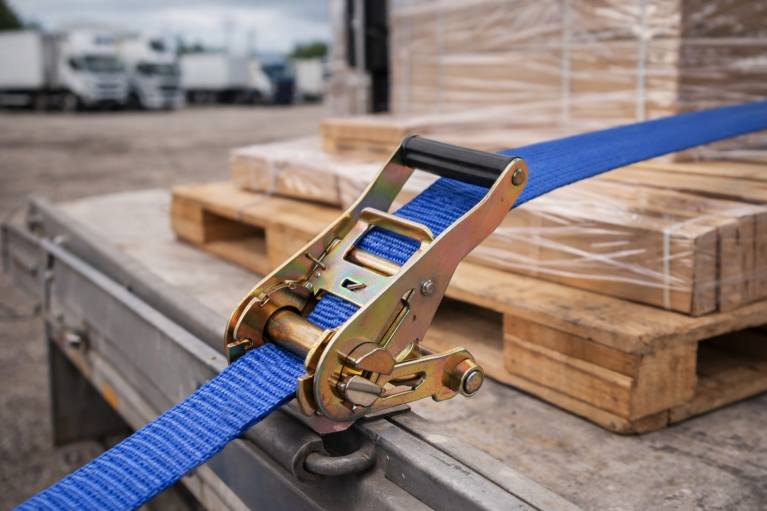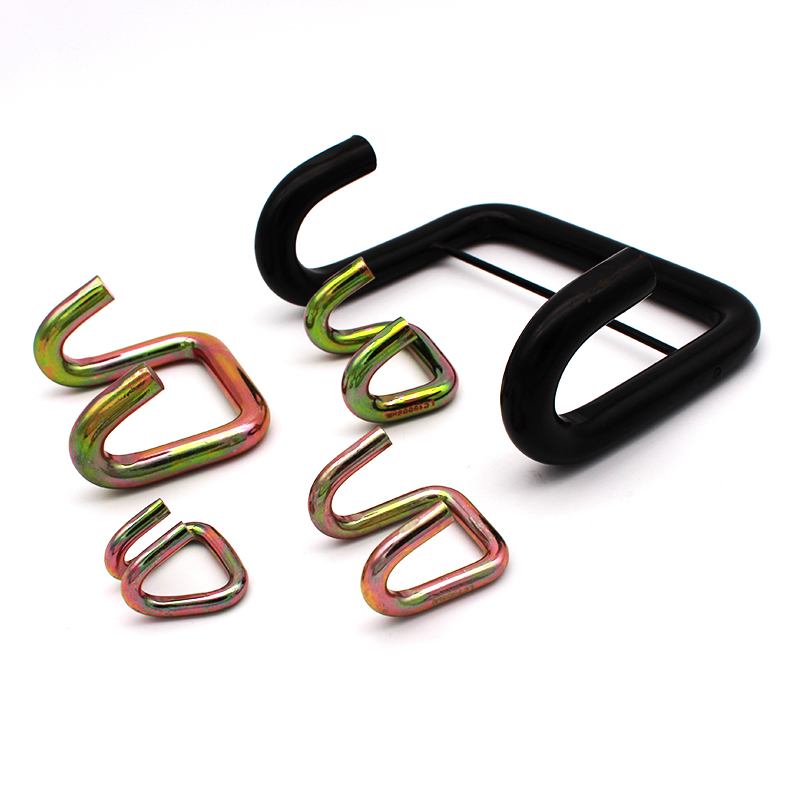
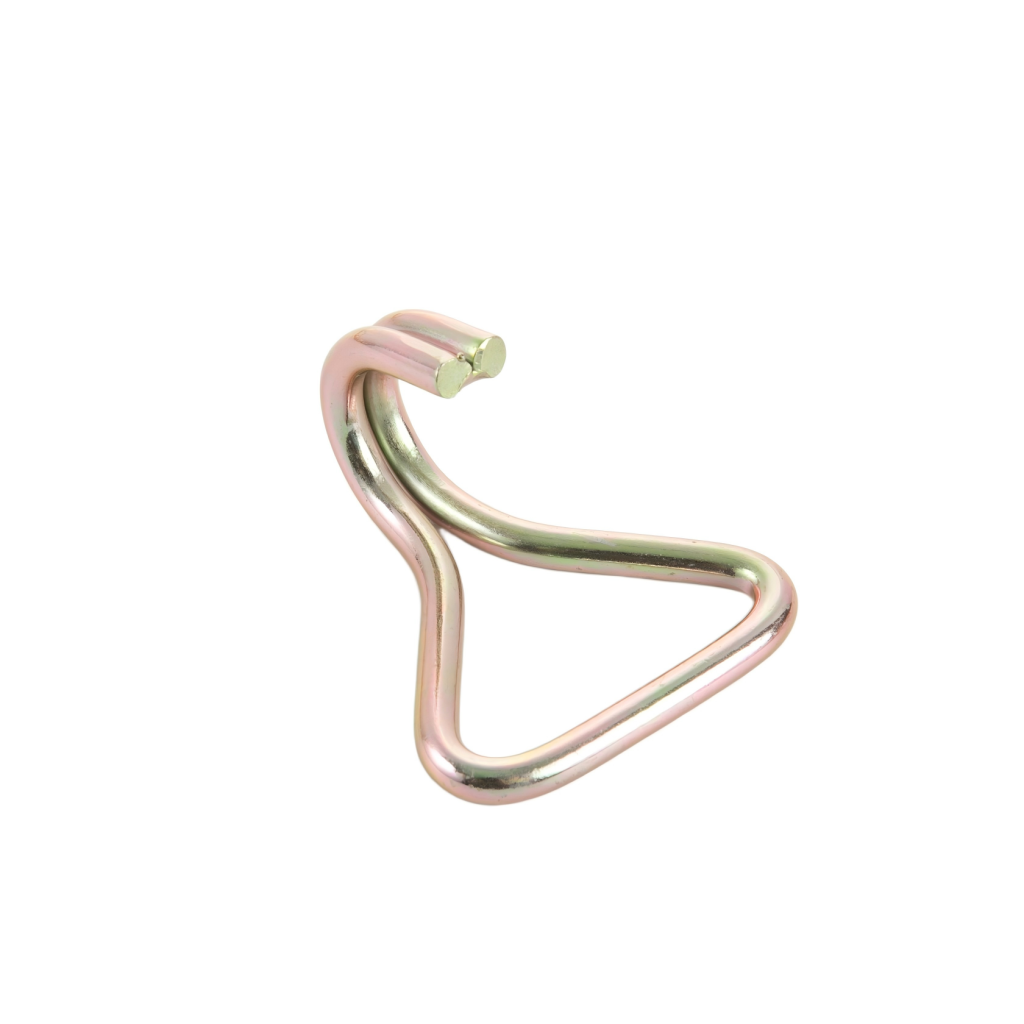
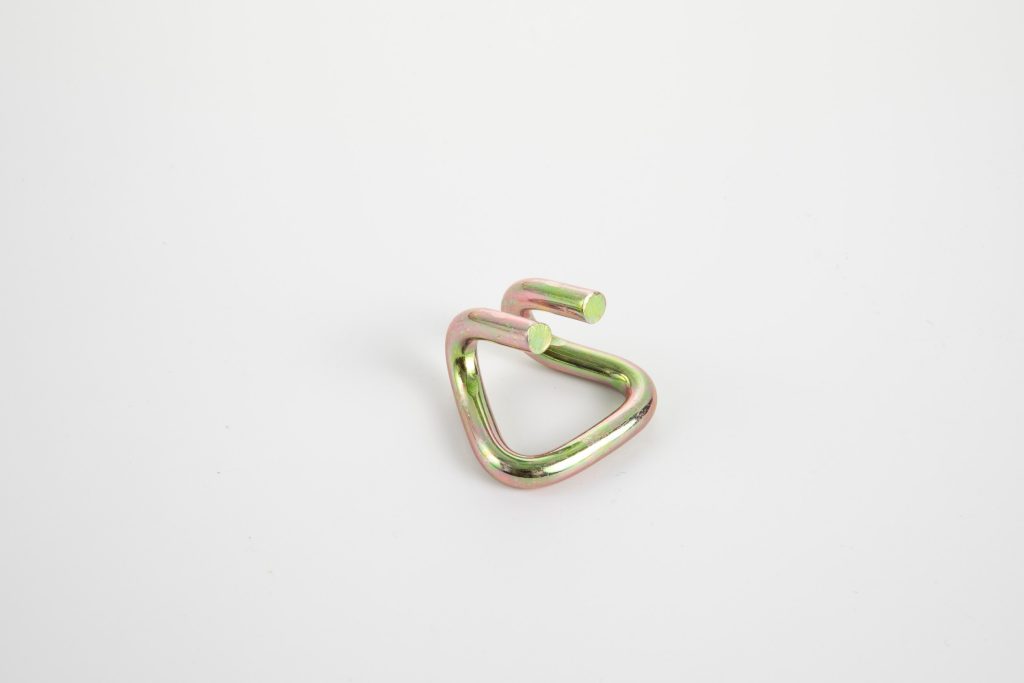
The double J hook is a metal hook with two prongs. It works as a tie-down part for ratchet straps and cargo security systems. People sometimes use it to hang curtains, but its main industrial use is holding loads on trucks, trailers, boats, and in warehouses. Workers depend on this hardware to secure cargo during transport. This guide teaches readers how to install and use these hooks with strap systems for reliable load control. Readers will learn about needed tools, step-by-step installation steps, practical tie-down methods, and key safety tips for proper cargo management and load security.
Key Takeaways
- Choose a double J hook that matches your strap width and anchor points.
- Attach both prongs of the hook securely to a D-ring or trailer rail.
- Tighten the ratchet strap with steady pumps until the load is secure.
- Never exceed the working load limit marked on your strap or hook.
- Inspect hooks and straps before each trip for damage or wear.
Double J hook tools and hardware
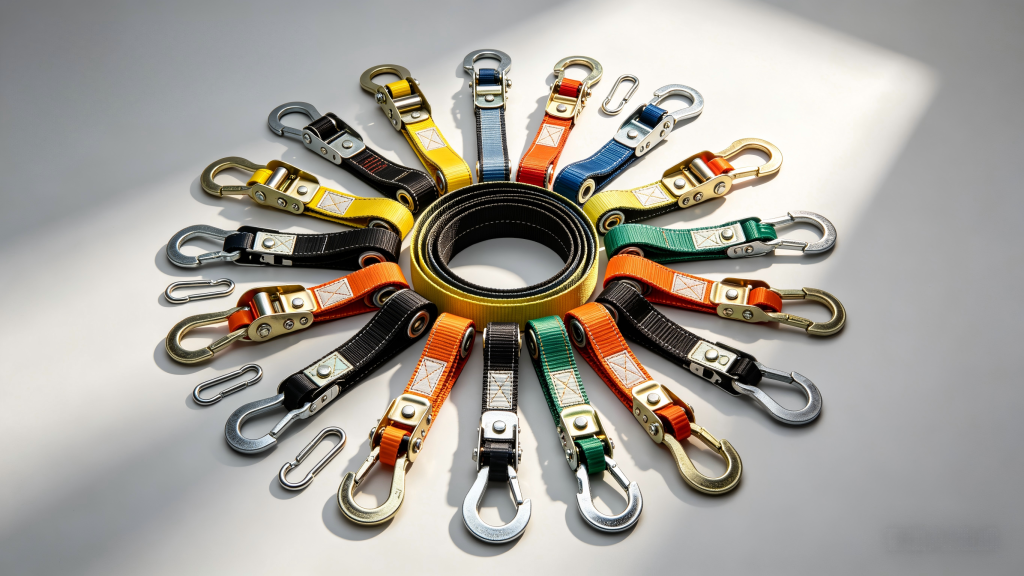
BAOYING is a professional manufacturer of tie-down straps and load security hardware. The company produces high-tenacity polyester webbing and zinc anti-corrosion coated metal hardware. Their products support working load limits from 500 to 10,000 lbs. This range covers light-duty cargo control and heavy industrial applications. BAOYING serves as a reliable supplier for wholesale buyers and custom orders.
Essential tie-down tools you will need
A complete tie-down system requires several components. The primary tool is a ratchet strap with a double j hook attached. You also need high-density polyester webbing in widths from 1 inch to 4 inches. Anchor points provide the connection surface for tie-down hooks. Common anchor options include D-rings, O-rings, E-track loops, and trailer side rails.
The chart below shows capacity ratings for different double J hook articles.
| Art. No. | Working Capacity (Single Line) (kg) | Working Capacity (Double Line) (kg) | Breaking Capacity (kg) | Width (mm) | Length (m) |
|---|---|---|---|---|---|
| FF01-25 | 750 | 1,500 | 1,500 | 25 | 5 |
| FF01-35 | 1,500 | 3,000 | 3,000 | 35 | 5 |
| FF01-50 | 2,500 | 5,000 | 5,000 | 50 | 8 |
| FF01-75 | 4,000 | 8,000 | 8,000 | 75 | 10 |
| FF01-100 | 5,000 | 10,000 | 10,000 | 100 | 10 |
Ratchet straps and double J-hook compatibility
Double J-hooks connect to ratchet straps through the buckle assembly. The hook attaches to the strap end and provides a secure anchor connection. Standard production length is 8 meters, but manufacturers can modify it from 1 meter up to 50 meters. Full performance rating holds across temperatures from -40°C to +100°C.
Not all ratchet straps work with every hook type. The hook width must match the webbing width for proper engagement. A 2-inch strap requires a 2-inch hook. Marine environments demand stainless steel hardware for saltwater resistance. Zinc-plated carbon steel suits standard cargo tie-down straps for trucks and trailers.
How to install a double J hook correctly
Marking anchor points and pre-drilling (if needed)
A double j hook attaches to anchor points that are already there. For most cargo control jobs, it does not need a drilled mounting surface. D-rings, O-rings, and trailer side rails already give a worker the connection points they need. This design is what makes cargo tie-down hooks different from wall-mounted hardware, which does need fasteners.
Some custom installations still require drilling. If a worker adds a new anchor point to a trailer frame, certain zones must be treated as off-limits. High-stress areas of a trailer frame should stay untouched, like a “DO NOT DRILL HERE” zone. Drilling takes away material and creates stress risers. These risers can weaken the frame and raise the chance of failure. Bolt holes let the material around them stretch or crack because stress builds up near the holes. A failure close to a bolt hole may spread in any direction, often taking the shortest path to an open edge. Good design and implementation matter so that drilling and bolting do not harm the trailer frame. A wholesale buyer who orders custom anchor hardware should check the frame layout before any hole is cut.
Attaching the hook to D-rings and trailer sides
The attachment process follows a clear order. A worker checks that the double J hook matches the strap width, such as 2-inch webbing. The worker then attaches the first J end to a suitable anchor point on the trailer or vehicle. Next, the worker turns the hook as needed and attaches the second J to the same anchor or a compatible nearby anchor. Finally, the worker makes sure both J prongs are fully seated and checks that the hook is not twisted or under too much stress.
For points that cannot be hooked, the worker loops the strap around the anchor and connects the double J hook to a D-ring instead. This method works well on closed rails and smooth bars where a hook cannot grip directly. After the hook sits correctly, the worker routes the strap over the load. The strap should run straight from the anchor to the ratchet buckle. A twisted strap lowers contact with the load and weakens the hold.
Workers who want to learn how to use ratchet straps well should practice this hook placement first. Correct seating stops the hook from slipping once tension builds. A factory that makes ratchet straps for global importers builds each hook to fit standard anchor sizes. BAOYING, a manufacturer and supplier of load security hardware, offers custom hook shapes and widths for OEM and ODM orders. A supplier or distributor can ask for these custom options to match regional trailer designs.
Using your double J hook for secure tie-downs
How to use ratchet straps with double J hooks
Tensioning a load the right way starts with routing the webbing correctly. The operator opens the ratchet handle to reveal the mandrel slot. They push the webbing up through the slot from the bottom. They pull the slack through until the webbing rests tight against the cargo. This step gets everything ready for tightening.
How many wraps you put around the mandrel changes how well it works. The table below shows how wrap count affects the result.
| Wraps around mandrel | Result |
|---|---|
| Fewer than 2 | Not enough friction, webbing may slip under load |
| 2 to 4 | Best tension achieved |
| More than 4 | Webbing jams against the frame, mechanism fails, tension cannot be released |
After routing, the operator leaves enough slack so the webbing makes exactly two to three full wraps around the spool once tensioned. This gives enough friction to stop slipping without overloading the spool. The operator then moves the handle up and down in a steady pumping motion. Each pump turns the mandrel and pulls the webbing tighter around the spool. They keep cranking until they reach the tension they want.
Using too much force during tensioning can damage fragile cargo, bend anchor points, or stress the mechanical parts too soon. Operators must apply enough tension to secure the load without crushing it or bending the trailer rails. Using cheater bars on the handle for extra leverage is never allowed and shows the wrong equipment is being used for the job.
Keeping tension steady matters during bumpy transportation. Vibration and road shock can loosen webbing over time. A good ratchet mechanism locks tight and resists this loosening. Workers who learn how to use ratchet straps properly check tension at every stop. They know that using ratchet straps correctly stops cargo shifts. This knowledge of how to use ratchet straps sets professionals apart from beginners.
Double J-hooks for connecting and extending straps
Sometimes one strap cannot reach the full length of a load. Linking two ratchet straps together fixes this problem. The operator takes the double j hook from the first strap and connects it to the D-ring or anchor point. They then take the second strap and attach its double J-hooks to the same anchor or to an S hook on the first strap. This makes a longer continuous tie-down system.
The table below compares fitting types for connection security.
| Fitting Type | Engagement Points | Advantages |
|---|---|---|
| Double J Hook | Two points of contact | Better grip on D-rings and rub rails; lowers the risk of twisting, bending, or coming loose under shifting loads |
| Standard S-hook | Single point of contact | Less secure under shifting loads |
A double J hook gives you two points of contact. This design provides a better grip on D-rings and rub rails. It lowers the risk of twisting, bending, or coming loose under shifting loads. An S hook gives you only a single point of contact. It is less secure under shifting loads. For heavy cargo, double J-hooks stay the top choice for tie-down hooks.
When linking two straps, the operator must check that both hooks seat fully. They should tug on each connection before applying full tension. This easy check prevents failures during transport. A wholesale supplier or manufacturer can provide custom strap lengths for specific route needs. BAOYING offers ODM and OEM options for distributors who need tailored tie-down solutions.
Tie-downs safety and weight limits
Avoiding overload and choosing the right capacity
Working load limit (WLL) is the most weight a tie-down assembly can safely hold. BAOYING ratchet straps have WLL ratings from 500 to 10,000 lbs. The weakest part of the system sets the overall WLL. A hook rated for 5,000 lbs paired with a strap rated for 3,300 lbs makes a 3,300 lbs assembly. Operators must never go over the rated WLL marked on each strap.
FMCSA rules say the combined WLL of all tie-downs must equal at least 50% of cargo weight. For a 30,000 lb load, the minimum combined WLL equals 15,000 lbs. Professional operators use four or more tie-down points spread across securement locations. Strap setup affects capacity. A strap used as a 3-point tie-down reaches 3,300 lbs WLL. The same strap as a 2-point tie-down drops to 1,665 lbs.
Operators figure 50% of each strap’s WLL attached to vehicle anchor points. They add 50% of the WLL for straps going over or through cargo. The resulting total must meet the 50% threshold. Using multiple ratchet straps spreads force across several anchor points and lowers stress on individual parts. Operators who learn how to use ratchet straps correctly check that combined WLL meets legal rules before every trip.
Regular inspection and maintenance tips
Check every double J hook before and after each use. Look at the throat opening for spreading. A spread throat means overload that permanently weakens strength. Look for cracks on the inside radius where stress builds up. Check spring keepers for proper closure. A missing keeper lets the hook walk off the anchor point during road vibration.
Examine webbing along its full length. Run hands over both sides to feel for cuts or fraying. Damage affecting more than 10% of webbing width needs immediate replacement. Look for UV damage shown by fading or stiffness. Check for chemical damage visible as white staining. A knot anywhere cuts breaking strength by up to 50% and makes the strap unsafe.
Check the ratchet mechanism on all ratchet straps. Both pawls must seat fully into gear teeth and lock. The handle should snap back under spring action. Check the mandrel for bending or bowing. Look at the frame for cracks around rivets and pivot points. Deep corrosion that pits gear teeth means the strength is compromised.
BAOYING uses zinc anti-corrosion coating on all metal hardware. Zinc gives sacrificial galvanic protection. When scratched, the zinc corrodes first, protecting the steel underneath. A chromate conversion coating slows white corrosion formation and extends service life. This layer resists salt spray common in marine and truck environments.
Replace any damaged component right away. Bent hooks, cracked frames, frayed webbing, or missing WLL markings must be retired from service. Regular inspection keeps ratchet straps reliable and compliant with legal standards.
Users need to learn how to use ratchet straps the right way for safe load control. Good cargo securement follows three clear steps. First, gather the right tie-down tools, like a double j hook and good ratchet straps. Second, attach the hook firmly to anchor points on the trailer. Third, tighten the strap with a steady pumping motion. Double j-hooks are useful for linking and extending straps. Operators must always follow the weight limits on all ratchet straps. Buying strong ratchet straps from a trusted maker like BAOYING helps keep you safe for a long time. Their products hold steady tension during bumpy rides. Zinc coating stops rust. Check all ratchet straps before every trip. Look at webbing and metal parts for damage. Swap out worn parts right away. Share your setup questions in the comments section.
FAQ
Does a double J hook need to face a certain direction?
The hook works in either direction as long as both prongs seat fully on the anchor point. A twisted hook reduces contact and weakens the hold. Workers should rotate the hook until it sits flat against the D-ring or rail.
How does a worker calculate the minimum tie-down capacity for a load?
FMCSA rules require the combined working load limit of all tie-downs to equal at least 50% of cargo weight. A 20,000 lb load needs 10,000 lbs of combined WLL. Distributors can source matched strap sets from a manufacturer like BAOYING.
Can double J hooks handle extreme temperatures?
BAOYING ratchet straps with double J hooks hold full performance ratings from -40°C to +100°C. This range covers most truck, marine, and warehouse environments. Wholesale buyers should confirm the rating matches their route conditions before ordering.
Do all double J hooks fit every anchor point?
No. Hook width must match webbing width, and prong spacing must fit the anchor. A 2-inch hook needs 2-inch webbing. Custom hook shapes from a supplier or factory solve odd trailer designs. Buyers should measure anchor points before placing bulk orders.
How often should a worker replace a double J hook?
Replace any hook with a spread throat, cracks, or a missing spring keeper. Webbing damage over 10% of its width also requires immediate replacement. Regular inspection before each trip keeps the tie-down system safe and compliant.