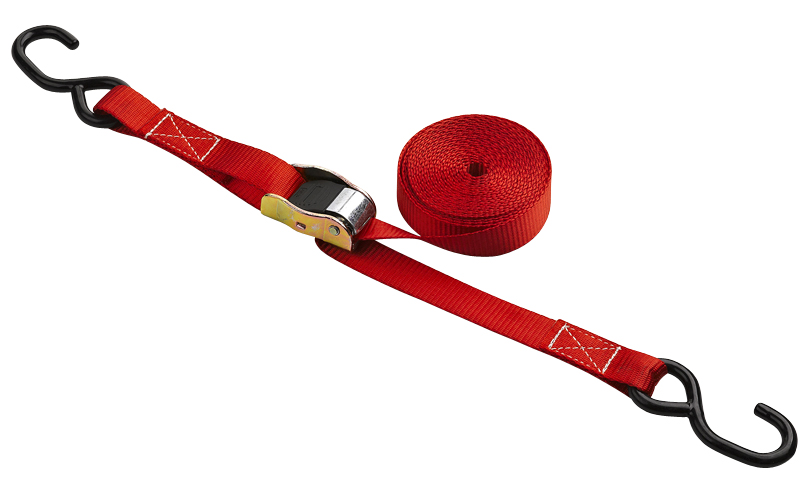
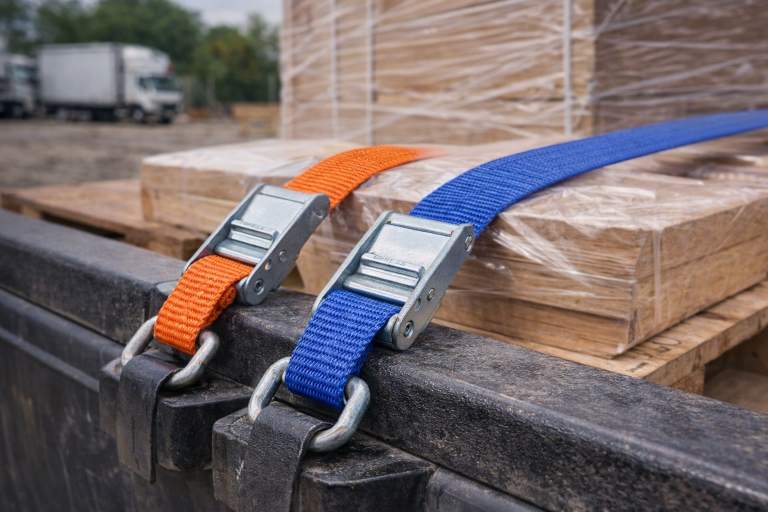
A cam buckle tie-down is a cargo strap with a metal buckle and webbing that locks the strap in place. The cam buckle works through a spring-loaded lever with teeth. These teeth pinch the webbing against a metal bar. This grip stops the strap from sliding backward. People use this simple design to secure light loads quickly. The cam mechanism locks the webbing firmly when someone threads it through the buckle. Polyester or nylon webbing gives the strap strength and flexibility. This article explains how the cam buckle grips, what loads it holds, and how to tighten and release it safely.
Key Takeaways
- Cam buckle straps hold webbing in place with spring-loaded teeth, so you can tighten them easily and keep a secure hold.
- Use cam straps for light cargo under 750 pounds; they stop you from tightening too much and crushing fragile items.
- Look at the working load limit on the strap label before each use. This helps you stay within a safe capacity.
- Press the lever to open the buckle. Pull the webbing slowly so you do not get pinched or hurt.
- Keep straps in a dry place, loosely stored, and check them for cuts, fraying, or rust before each use.
How a Cam Buckle Tie-Down Works
The Cam Buckle Mechanism
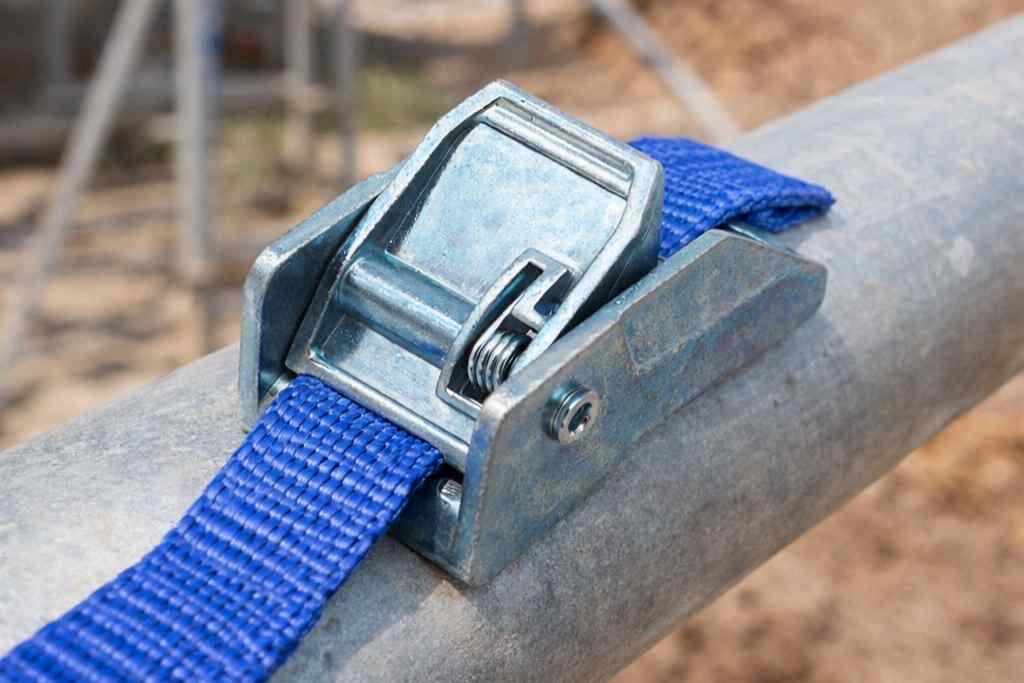
A cam buckle tie-down depends on three main parts working as a team. The webbing is the strong strap that wraps around cargo. Manufacturers usually choose high-tenacity polyester because it fights stretching and wear. The cam buckle holds the locking mechanism inside. A spring-loaded lever with a row of angled metal teeth sits within. Hooks on each end connect the strap to anchor points on a truck bed, trailer, or boat.
The cam buckle works a lot like a car seatbelt. When someone pulls the webbing to tighten it, the strap slides freely through the buckle. The cam lever turns a little to let the webbing pass. The moment pulling stops, the spring snaps the cam lever down. The teeth grab the webbing tightly and block any backward movement. This one-way action makes cam straps very easy to use.
To tighten a strap, the user presses the lever to open the cam jaw. They thread the webbing through the slot. After letting go of the lever, they pull the loose end of the webbing. The cam bites down right away and holds the tension applied. To release the strap later, the user presses the lever again and pulls the webbing out. The whole process takes only seconds.
The hardware part called an alligator clip forms the heart of the mechanism. This piece bites down on the webbing to hold the tie-down strap in place. The name comes from its shape, which looks like an alligator’s mouth with teeth that clamp shut. Manufacturers build these buckles with zinc-coated metal and stainless steel springs. These materials fight rust and keep the mechanism running smoothly. Cam buckle straps come in different widths, with 1-inch versions common for lighter cargo.
Why the Grip Holds Under Tension
The cam buckle grip depends on three physical principles working together. First, the mechanism makes a one-way friction lock. The webbing moves easily when pulled forward but locks when force tries to pull it backward. The rounded shape of the cam lets it pass smoothly in one direction. When tension pulls the other way, the cam pivots its toothed edge down into the webbing. The teeth bite into the webbing fibers and create friction. This grip stops accidental loosening under vibration.
Second, springs keep steady pressure on the cam lever. One or two stainless steel springs force the teeth to engage the webbing right away. This constant engagement means the strap stays tight without any action from the user. Even road vibration does not loosen the grip because the spring keeps up the pressure. The spring tension ensures continuous engagement of the teeth, keeping secure adjustment without extra effort.
Third, the design has a self-tightening effect. If the cargo shifts and pulls back against the strap, that force makes the cam bite harder. The harder the load pulls, the deeper the teeth dig into the webbing. This self-amplifying grip stops slippage during long trips on rough roads. The angle of the teeth allows easy tightening while strongly resisting backward motion.
For safe transportation, users often apply counter-tension by running straps in opposing diagonal directions. This technique keeps the cargo from shifting forward, backward, or side to side. The method works especially well for items like boats and motorcycles on trailers. These cam buckle straps suit fragile items perfectly. A user can apply just enough tension to hold boxes, furniture, or light machinery without crushing them. Unlike ratchet straps that can over-tighten, cam straps give the user precise control over the clamping force. This makes them ideal for a wide range of applications requiring gentle but reliable restraint.
Common Use and Applications
Typical Cam Buckle Tie-Down Applications
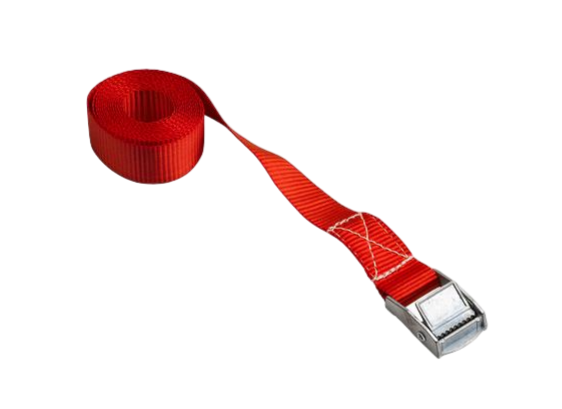
Cam buckle tie-downs work well for light or fragile cargo. Ratchet straps can crush delicate items because they tighten very hard. Cam buckle straps let the user control the tension exactly. So they are a good choice for items that could dent, crack, or bend under too much force.
Professional movers use these straps every day. They use them in vans to keep furniture, boxes, and antiques in place. Anyone who needs to tie down cargo without over-tightening picks a cam buckle first. The soft grip protects delicate, valuable, or special items during moving.
Common applications include:
- Boat tie down straps for trailers and docks
- Truck straps for light cargo in pickup beds
- Automotive tie down straps for parts and equipment
- Motorcycle tie down straps for bikes and ATVs
Cam buckle tie-downs also work for medium loads like dirt bikes and ATVs. These straps can hold up to 833 pounds safely and break at a higher strength. That range fits many everyday hauling jobs without needing a big ratchet system.
Working Load Limit vs. Break Strength
Every tie-down strap has two important numbers: break strength and working load limit. Break strength is the force that breaks the strap in a test. Working load limit (WLL) is the most weight you can safely put on it. The WLL is always less than break strength because it has a safety margin.
A normal 1-inch cam buckle strap has a working load limit of 250 lbs. So you should never put more than 250 lbs on it. The safety margin allows for wear, shaking, and sudden pulls that can weaken the strap.
Most cam buckle straps are rated between 333 lbs and 833 lbs, based on the strap width and build. Always check the label on the strap you are using.
Companies make cam buckle straps with strong polyester webbing and zinc-coated parts. Buyers who want a reliable supplier can find wholesale programs that fit their cargo needs.
How to Use Cam Buckle Straps
Learning how to use cam straps properly ensures every trip ends with cargo still secure and the driver relaxed. A cam buckle tie-down works best when someone follows the correct steps from start to finish. The process takes only seconds but requires attention to small details. Users who master these steps save time and avoid accidents on the road.
Tightening the Strap Step by Step
Understanding how to tighten a cam buckle correctly prevents loose loads and damaged goods. The goal of securing cargo without crushing it matters most for fragile items. Boxes, furniture, and lightweight machinery need gentle pressure. Cam buckle straps give precise control for this task. Follow these steps for reliable results:
- Open the cam buckle by pressing the thumb release lever fully. The spring-loaded lever lifts the toothed cam plate away from the webbing slot.
- Thread the webbing through the bottom of the buckle. The strap enters from underneath and exits through the top slot.
- Pull the webbing through until it feels snug against the cargo. Remove all visible slack before locking the cam mechanism.
- Release the thumb lever gently. The spring pushes the cam teeth down into the webbing fibers immediately. The teeth bite into the material and stop any backward movement.
- Pull the loose end of the webbing to tighten further. Each pull draws the strap tighter around the load. The cam locks automatically between pulls for steady progress.
- Check the webbing for any remaining slack across the full length. Readjust as needed until the load feels stable and secure. Push the lever open again if more adjustment is needed.
- Follow the manufacturer’s instructions printed on the strap label. Each buckle design may have small differences in threading or release methods.
Tighten cam straps by pulling them until snug. Check the webbing for slack or looseness. Readjust as needed to confirm the load is stable and secure.
Users should monitor cargo while tightening. Watch for bending, tearing, or cracking on sensitive items. Boxes with fragile contents need extra care during the process. Stop pulling once the load feels firm and does not shift when pushed by hand. Run straps in opposing diagonal directions for extra stability. This technique keeps cargo from sliding forward, backward, or side to side during turns and bumps.
Releasing the Buckle Safely
Learning how to release a cam buckle safely protects both the user and the strap from damage. Press the thumb release lever to open the cam teeth fully. The webbing moves freely once the teeth lift away. Pull the webbing back out of the buckle slowly and steadily.
- Keep fingers clear of the cam teeth to avoid pinching.
- Avoid releasing the strap under full tension. Releasing under load stresses the metal components. The teeth and spring wear down faster with repeated tension release.
- Release the strap slowly to prevent sudden recoil. A strap that snaps back can whip around and cause injury.
- Ensure the load is steady before pulling the webbing completely free. Hold the loose end firmly during the entire release process.
- Push the alligator release clip to disengage the cam teeth. Then pull the webbing out of the buckle in one smooth motion.
After use, store straps away from sunlight and moisture. These conditions weaken the webbing over time. Coil the straps loosely and keep them in a dry storage bag. Inspect the webbing for cuts, fraying, or stiffness before each use. Replace any strap that shows signs of wear or has cam teeth that no longer grip properly.
Cam Straps vs. Ratchet Straps
Key Differences in Strength and Control
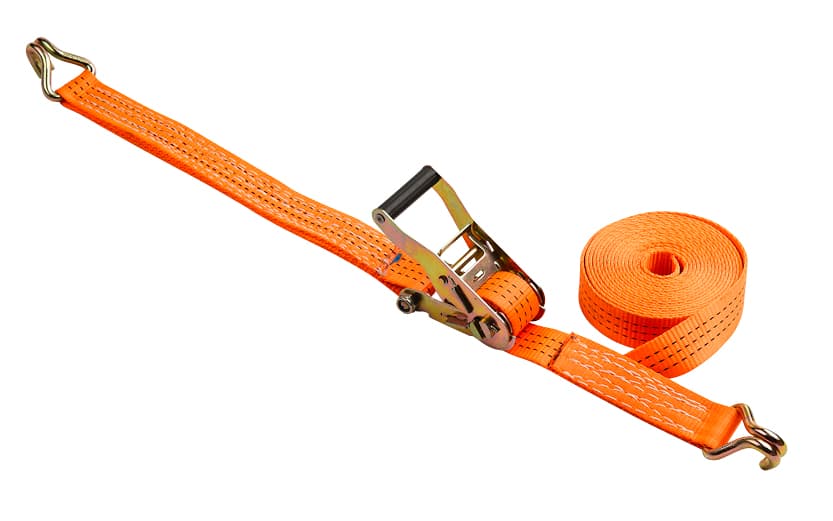
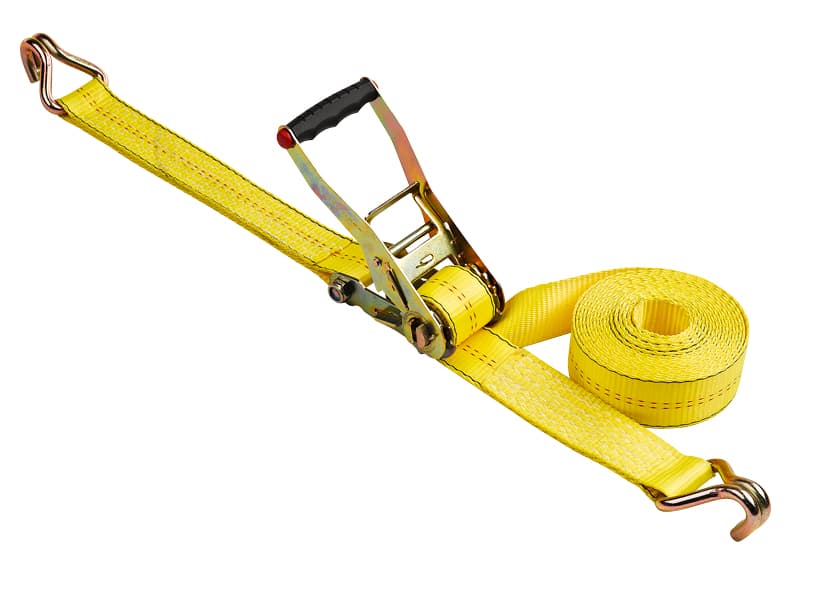
Cam buckle straps and ratchet straps do different jobs. A ratchet strap uses a gear-driven mechanism to multiply hand force. That design lets it reach very high tension. A cam buckle relies on hand strength alone, so it has a natural tension ceiling. This difference shapes everything about how each strap performs.
| Feature | Ratchet Strap | Cam Buckle Strap |
|---|---|---|
| Available widths | Up to 4 inches | Only 1 inch and 2 inches |
| Typical working load limit | 4-inch strap: 5,400–5,670 lbs | Recommended for loads under 700–750 lbs |
| Tightening mechanism | Mechanical ratchet allows high tension | Hand strength only; limited tension |
| Primary use | Heavy-duty cargo (machinery, equipment) | Lighter, fragile cargo (moving vans, ATVs) |
The ratchet’s mechanical advantage explains its power. A user can pull with modest force and generate far greater tension on the webbing. Cam straps cannot match that. However, this limit works in their favor. Ratchet straps multiply force easily and can crush soft or fragile goods. Cam buckle straps tighten only as hard as a person can pull. That makes them safer for gentle jobs like paddleboards, bicycles, or moving boxes.
Choosing the Right Strap
The deciding factor is achievable tension. Choose cam buckle straps when the load is lighter, the securement requirement is lower, and controlled tension protects the cargo. Choose ratchet straps when a load needs higher holding capacity and firm, repeatable tension.
A simple rule of thumb helps. Keep cam buckle straps for loads under 700–750 lbs and ratchet straps for anything heavier. Speed and ease of use also matter. Professional movers and dry van operations often prefer cam straps because they tighten and release in seconds.
Business buyers should match the strap to the job before ordering. A reliable manufacturer or supplier can confirm working load limits for each width. Many factories offer wholesale programs and custom options, including webbing color, logo printing, and hardware shape. That flexibility helps distributors and trailer brands stock the right mix of cam buckle straps and ratchet straps for their customers. Proper strap selection keeps securing cargo safe, fast, and predictable.
Storage and Care for Cam Buckle Straps
Storing Straps Without Damage
Good storage makes cam buckle straps last longer. Users should let all the tension out before they put them away. Keeping them too tight during storage can hurt the cam buckle mechanism. Coil the straps loosely to keep them neat. Put coiled straps in bags or containers to protect them.
Polyester webbing stands up to many things in the environment. It has great UV resistance from natural inhibitors. The material does not soak up water, so it resists mildew. But long UV exposure and chemically active places can still cause damage over time. Store cam straps away from direct sunlight, moisture, and sharp edges.
Follow these steps to coil them right:
- Let the tension out and lay the strap flat.
- Fold the webbing into even loops of about 12 inches each.
- Hold the coil with the last foot of webbing or a velcro wrap.
- Clip the hooks together or tuck them into the coil.
This way stops twisting and kinking. A loose figure-8 coil works better for longer cam straps.
When to Replace a Worn Strap
Checking your straps often keeps cargo safe during transport. Users should look at webbing for cuts, fraying, or stiffness before each use. Watch the edges and sewn seams, where wear shows up first. Rusty or bent hardware means metal parts may fail under load.
A cam buckle that slips or will not hold tension needs to be replaced. The cam teeth must grip the webbing tight every time. If the mechanism sticks or grinds, the strap is no longer safe. Heat damage, UV damage, or punctures also mean the strap should be taken out of service.
Cam buckle straps are strong tools when cared for properly. Zinc-coated hardware resists rust and weather. Simple parts mean fewer points that can fail. But no strap lasts forever. Replace any cam buckle strap that shows signs of weakness. This habit protects people and property on every haul.
A cam buckle tie-down is a simple tool that locks webbing with spring-loaded teeth. The cam grips through one-way friction and holds tight under vibration. A typical 1-inch cam buckle strap has a 250 lb working load limit. Users press the lever, thread the webbing, release the lever, and pull to tighten. They press the lever again to release safely. People should match cam straps to the job and inspect cam buckle straps before each use. These cam buckle straps secure light cargo with control. With proper care, cam buckle tie-downs remain reliable tools for everyday hauling.
FAQ
How much weight can a cam buckle tie-down hold?
A typical 1-inch cam buckle strap has a 250 lb working load limit. Wider straps handle more. Always check the label. Never exceed the working load limit for safe transport.
What is the difference between cam straps and ratchet straps?
Cam straps tighten by hand and suit lighter loads under 700–750 lbs. Ratchet straps use a gear mechanism for heavier cargo. Cam buckle straps give better control for fragile items. Ratchet straps handle machinery and heavy equipment.
How do I release a cam buckle without injury?
Press the thumb lever to lift the cam teeth. Pull the webbing out slowly. Keep fingers clear of the teeth. Avoid releasing under full tension. This protects hands and extends strap life.
When should I replace cam buckle straps?
Replace any strap with cuts, fraying, or stiffness. Check the cam teeth for proper grip. Rusty or bent hardware means replacement. Inspect straps before each use to secure cargo safely