Cam buckles, ratchet buckles, side-release buckles, ladder buckles, and frame buckles make up the main parts of most cargo control systems. Each style solves a different holding problem: a cam buckle uses quick hand tightening, while a ratchet buckle uses mechanical leverage and locking strength to hold heavier loads. Side-release, ladder, and frame buckles handle lighter jobs, from backpack straps to adjustable webbing loops.
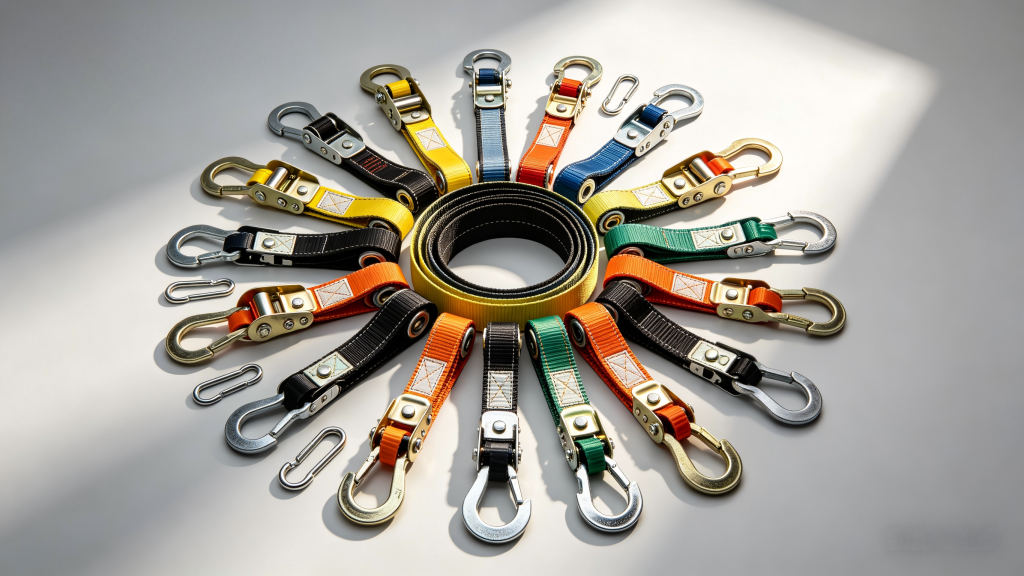
BAOYING’s tie down hardware takes this further, combining high-tenacity polyester webbing with zinc-coated ratchet buckles, cam buckles, over center buckles, and hook fittings rated from 500 to 10,000 lbs working load, with ODM/OEM customization for importers and trailer brands. The sections below explain how each buckle works, where it fits best, and how to choose the right one for a given load.
Key Takeaways
- Cam buckles are tightened by hand and work best for light, fragile loads like bikes and luggage.
- Ratchet buckles use a gear system to make strong tension for heavy loads like furniture and appliances.
- Other buckle types, like side-release, ladder, and frame buckles, are made for lighter jobs. These include backpack straps and adjustable loops.
- Pick the right buckle for the weight of the load and how fragile the cargo is. This helps prevent damage and keeps things safe.
- Buyers should check working load limits, certifications, and total cost when they choose buckles for wholesale orders.
Cam Buckle: How It Works and Where to Use It
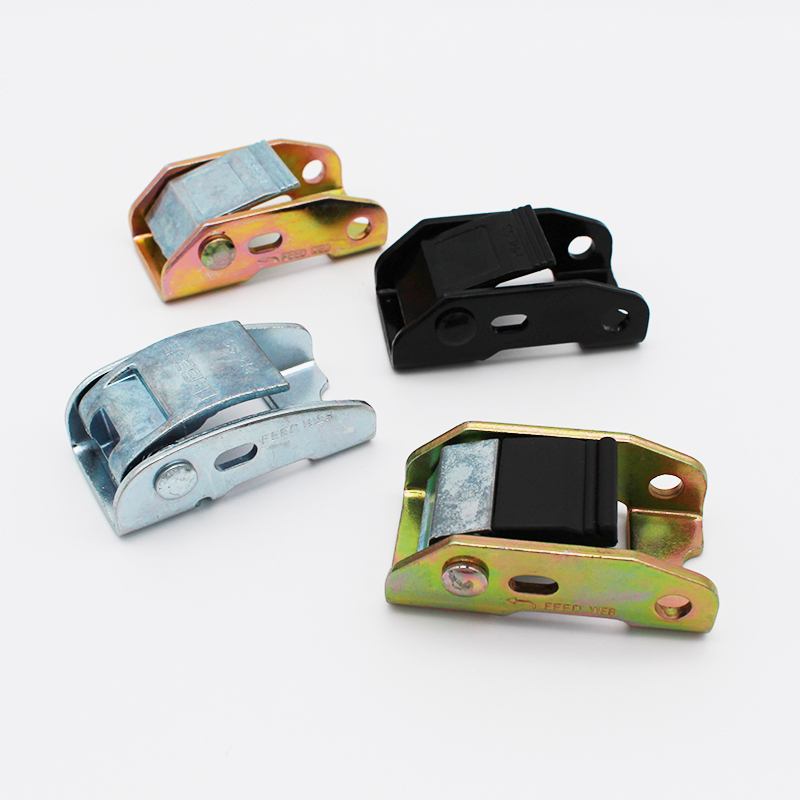
Mechanism and Operation
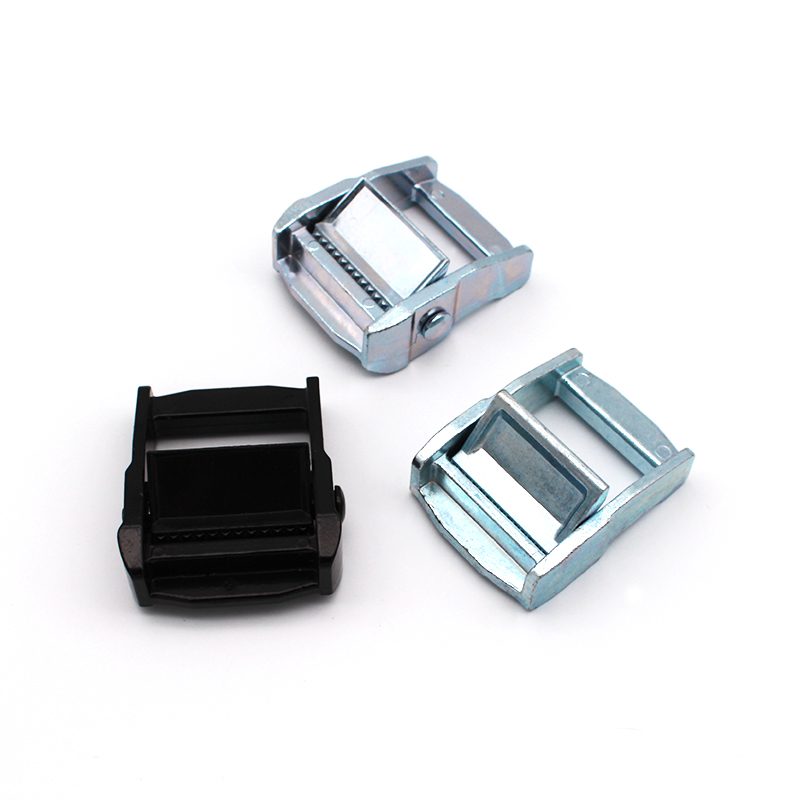
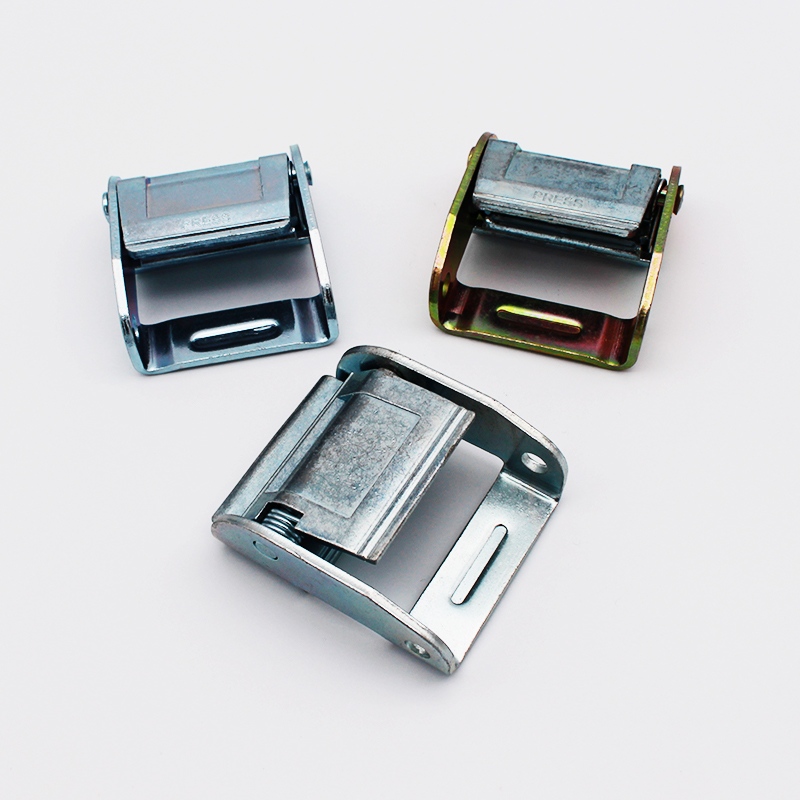
A cam buckle holds webbing with a spring-loaded cam. The cam pivots inside the frame and presses the strap against a fixed bar. Pulling the strap tight drives the cam down harder. The teeth bite into the webbing and lock the tension in place. A thumb lever lifts the cam to release the strap.
This design gives the user direct control by hand. No tools are needed. Tension builds as the user pulls, and the cam holds whatever tension the hand creates. That makes cam buckle hardware fast to operate and easy to adjust in small steps.
Common Uses and Pros and Cons
Cam buckle straps fit light and fragile cargo. A motorcycle or dirt bike is a typical example, where over-tightening can compress the suspension. The user tightens the strap by hand, so the webbing cannot crush a thin frame or a soft shell. Cam straps also work well for kayaks, luggage, and light boxes on a roof rack.
The main strength of cam straps is speed. The user threads the webbing, pulls, and the cam locks. The main limit is tension. Hand pull tops out well below what a ratchet can reach, so cam buckle straps suit light loads only. For heavier jobs, a manufacturer such as BAOYING builds cam buckle straps with high-tenacity polyester webbing and zinc anti-corrosion coated hardware, and the same supplier offers ratchet versions for heavy cargo. A wholesale buyer can compare both lines from one factory.
Ratchet Buckles: How They Work and Where to Use Them
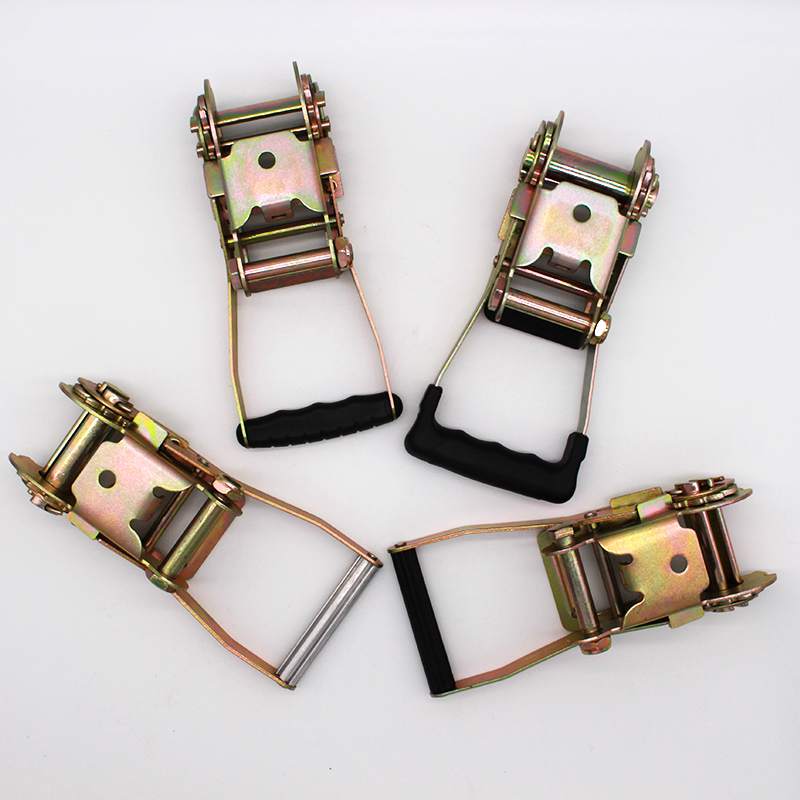
Mechanism and Operation
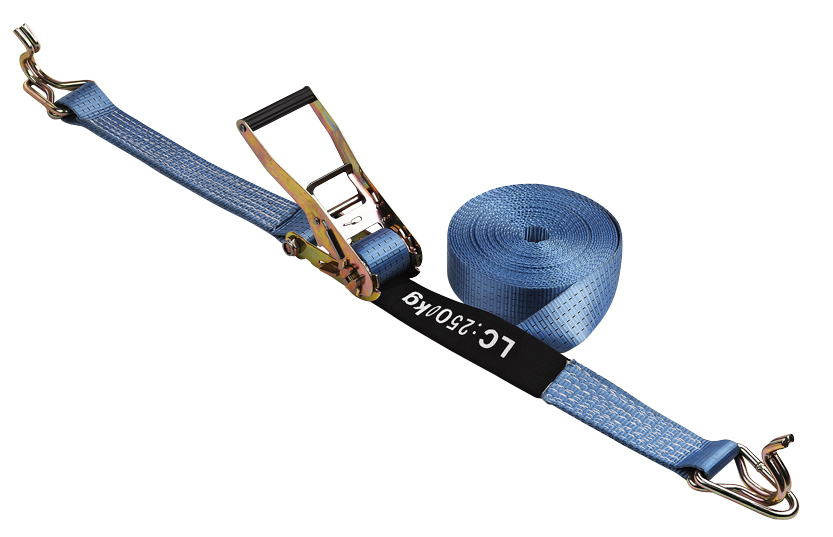
A ratchet buckle turns a small hand motion into strong pulling force. The handle drives a gear, and a spring-loaded pawl catches each tooth as the gear turns. The pawl holds the gear in place, so the strap cannot slip back between strokes. Each swing of the handle adds tension, and the gear-and-pawl lock keeps that tension stored.
This mechanism applies far greater tension than a cam buckle can reach by hand. The operator works the handle in short strokes until the strap feels firm. A release lever lifts the pawl to unwind the strap. The ratchet buckle hardware stays locked under load, which makes it the standard choice for heavy-duty securement.
Common Uses and Pros and Cons
Ratchet straps suit heavy cargo, furniture, and appliances. A moving company can lock a sofa or a refrigerator onto a trailer with a few strokes of the handle. Truck fleets use the same ratchet tie down straps for pallets, machinery, and building materials. The high tension keeps loads from shifting during transport.
The strength of this design is holding power. The trade-off is speed, because the operator must crank the handle rather than pull by hand. As an example, BAOYING ratchet straps cover working load limits from 500 to 10,000 lbs, so a wholesale buyer can source one line for light vans and heavy flatbeds alike. A manufacturer with in-house tooling can also supply custom lengths and widths for a specific fleet.
Other Common Buckle Types
Cam buckles and ratchet buckles carry the heaviest loads, yet many smaller styles complete a full cargo securement kit. Each one fits a specific job in the tie-down chain. A wholesale buyer who knows these styles can match hardware to the load instead of overbuilding every strap.
Side-Release, Ladder, and Frame Buckles
A side-release buckle joins two mating halves. Two spring tabs click into slots on the opposite half, and a squeeze on both tabs frees the connection. This buckle suits backpack straps, helmet chin straps, and light tie-down straps for gear bags. The click gives fast, repeatable connection and release.
A ladder buckle holds a fixed length of webbing. The user weaves the strap through two slots in a metal or plastic frame, and friction locks the weave. This style fits adjustable loops and light tie down straps where the length rarely changes.
A frame buckle uses a simple rectangular frame. The user threads the strap through the frame and pulls the strap back over itself. Tension holds the strap in place. This buckle works well on luggage straps and general utility straps.
Roller, Slide, Tri-Glide, and Snap Buckles
A roller buckle adds a free-spinning roller to the frame. The roller cuts friction as the strap slides through, so the user pulls the strap tight with less effort. This style fits medium-duty tie-down straps and trailer securement.
A slide buckle is a flat keeper with two slots. The strap passes through both slots, and the keeper holds the webbing flat. The user pulls the strap to set tension. This buckle suits light straps on bags and apparel.
A tri-glide buckle has three bars. The user routes the strap over the center bar, and the weave sets the length. This style fits length adjustment on many types of straps, from pet leashes to securing cargo on a rack.
A snap buckle closes with a spring gate. The gate opens, the buckle clips onto a ring or anchor, and the spring snaps shut. This style fits quick attachment on light tie down straps and tool bags.
Cam Straps vs. Ratchet Straps: Key Differences
Differences Between Ratchet Straps and Cam Buckle Straps
The differences between ratchet straps and cam buckle straps begin with how each one creates tension. A cam buckle depends on hand pull. A ratchet buckle increases force through a gear and pawl. That one design gap causes the strength differences and the usability differences between the two families.
| Feature | Cam Buckle Straps | Ratchet Straps |
|---|---|---|
| Tensioning method | Hand tension only | Mechanical ratchet |
| Typical working load limit | 333–833 lbs | 833–5,400+ lbs |
| Best for | Light, delicate loads | Heavy, dense loads |
| Risk of overtightening | Low | Higher, requires care |
| DOT compliance | Limited applications | Yes, for regulated loads |
The main differences between ratchet straps and cam buckle straps appear in fit. Cam straps work for moving boxes, furniture, motorcycles, and glass panels, where over-tightening can dent or press the load. Ratchet straps work for flatbeds, machinery, palletized freight, and any load above 1,000 lbs. Long-haul routes favor ratchet hardware because vibration loosens lighter strap tension over time.
Performance, Compliance, and Cost
Tension strength sets the two apart. A cam buckle holds what a hand can pull. A ratchet strap keeps adding tension with each stroke of the handle. Working load limits show that gap, and breaking strength follows the same pattern. Neither design wins outright; each matches a different load class.
Compliance shapes the choice for commercial haulers. Under 49 CFR Part 393, cam buckle straps can meet DOT requirements for lighter loads when rated and used in enough quantity. Ratchet straps remain the standard for regulated freight because they deliver the tension and rated capacity the rules require. A wholesale supplier should confirm certification before shipping. Ratchet straps commonly reference CE and GS standards plus WSTDA T-6, while winch straps reference ISO 9001. A factory with ISO 9001, CE, and GS audits gives importers a cleaner compliance file.
Cost tells a similar side-by-side story. A 2″ x 12′ cam buckle strap with E-Track fittings lists at $6.25, and a 2″ x 16′ version at $6.50. A custom 2″ ratchet strap with S-hooks lists at $8.95, and a 4″ x 27′ ratchet strap with flat hooks at $43.00. Ratchet straps carry a higher upfront price. Over-tightening can damage cargo, and that risk offsets part of the initial savings. Cam buckle straps often deliver better long-term value for light-to-medium work because they are quicker to use and gentler on cargo.
For a wholesale buyer, the practical split is simple. Stock cam buckle straps for everyday, fragile, and frequent tie-down cycles. Stock ratchet straps for heavy freight and regulated routes. A manufacturer such as BAOYING can supply both lines, and custom webbing, logos, and lengths let a supplier serve mixed fleets from one order.
How to Choose the Right Buckle
Match the Buckle to the Load
The weight of the load is the first thing to check. If you are tying down a motorcycle or dirt bike, cam straps and a hand pull will work. A fleet that moves pallets or machinery needs ratchet straps and the strong pull they create. The working load limit on the label tells the buyer which type fits.
How fragile the cargo is matters just as much. A cam buckle stops at hand tension, so it protects glass, furniture, and finished surfaces. A ratchet buckle keeps adding force, and that force can dent a soft load. Operators should match the tool to the surface, not just the scale.
The place where you work shapes the hardware choice. Marine work puts every buckle in salt spray, so zinc anti-corrosion coated metal earns its place. Truck and industrial routes add vibration and long distance, and steady tension holds better there. A supplier who knows the route can recommend the right finish.
Buyer Checklist
A practical checklist keeps a wholesale order on track. Buyers should confirm the working load limit, the webbing material, the hardware finish, and the certification file before placing a factory order.
Custom work deserves a line of its own. Many suppliers offer ODM/OEM options, and a buyer can specify webbing color, logo printing, hardware shape, length, and width. A custom strap with a fleet logo and a matched length saves time on the dock. BAOYING supports this kind of customization for importers and distributors.
Finally, buyers should compare total cost across the full kit. Cam buckle straps cost less upfront, and ratchet straps carry more capacity. A mixed order of tie-down straps covers light and heavy cargo securement from one supplier. That balance keeps securing cargo simple and keeps the budget in line.
Cam buckle straps, ratchet straps, side-release buckles, ladder buckles, and frame buckles each fix a different holding problem. Cam buckle straps are best for speed and light hand tension. Ratchet straps are best for leverage and locking strength on heavy freight.
Performance, how well each one fits the job, compliance, and cost set the two families apart. A cam buckle works well for fragile loads, and a ratchet buckle works well for regulated routes. Neither option is best in every case.
Buyers should check the list against real conditions. Match the buckle to load weight, surface, and environment, then confirm certification and budget. A supplier that offers custom lengths and widths helps wholesale buyers cover light and heavy securing cargo from one order, and that balance keeps cargo securement simple.
FAQ
When should a buyer choose cam buckle straps over ratchet straps?
Cam buckle straps suit light, fragile cargo such as a motorcycle or dirt bike. A hand pull sets the tension, so the webbing cannot crush a thin frame. Ratchet straps fit heavy freight. A wholesale buyer should stock both lines for mixed loads.
What working load limit do ratchet straps cover?
BAOYING ratchet straps range from 500 to 10,000 lbs in working load limit. That spread lets a supplier serve light vans and heavy flatbeds from one factory order. Buyers should match the rated limit to the cargo weight before purchase.
Do cam buckle straps meet DOT rules for commercial hauling?
Cam buckle straps can meet DOT requirements for lighter loads when rated and used in enough quantity. Ratchet straps remain the standard for regulated freight. A manufacturer with ISO 9001, CE, and GS audits gives importers a cleaner compliance file for securement.
Can a factory customize cam buckle straps and ratchet straps?
Yes. Many manufacturers offer ODM/OEM options. A buyer can specify webbing color, logo printing, hardware shape, length, and width. Custom straps with a fleet logo and matched length save time on the dock. Ordering both strap types from one supplier simplifies securement sourcing.