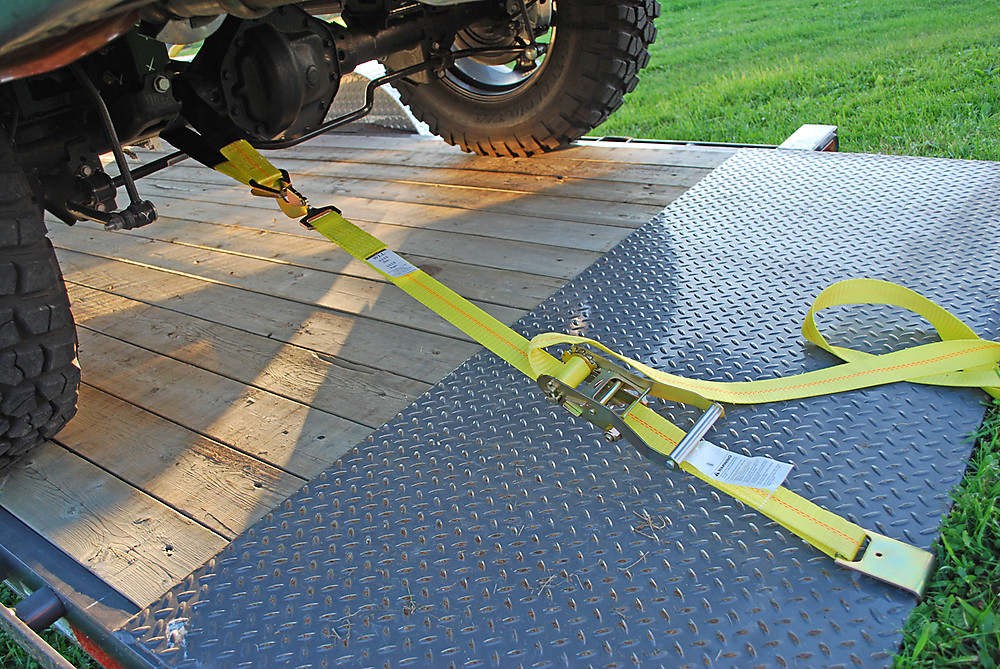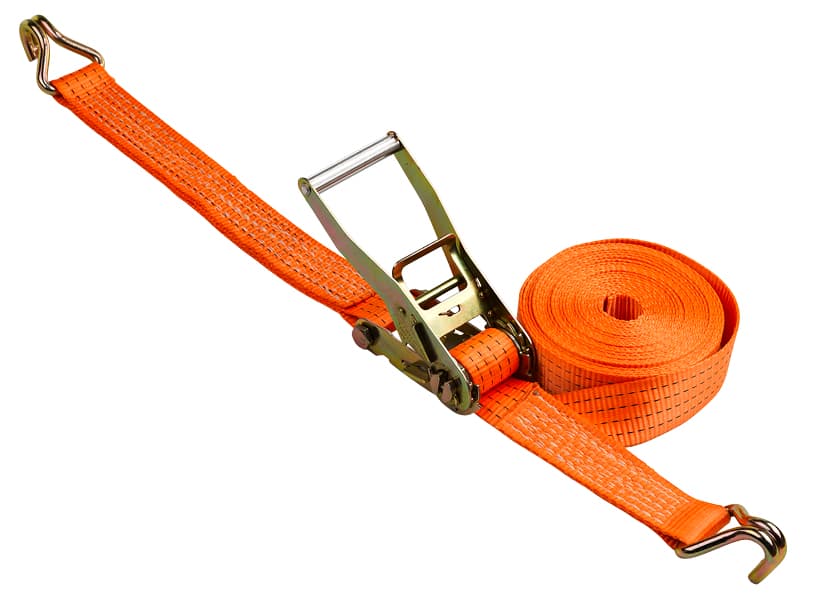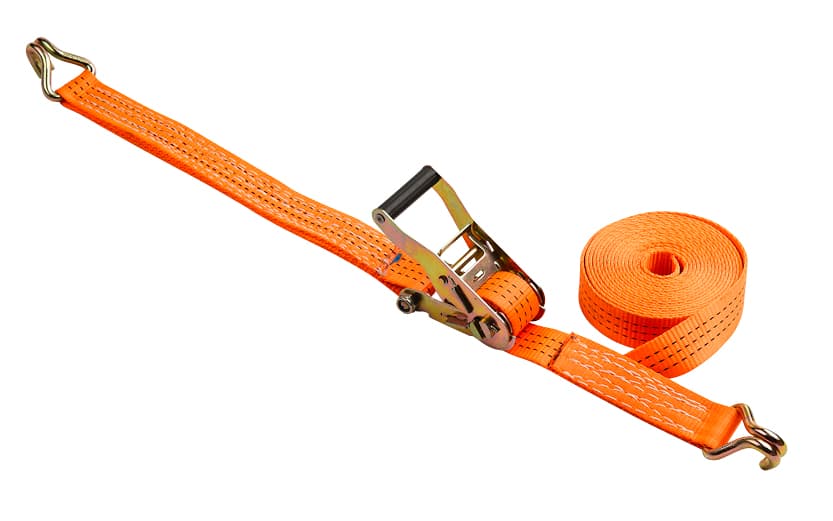
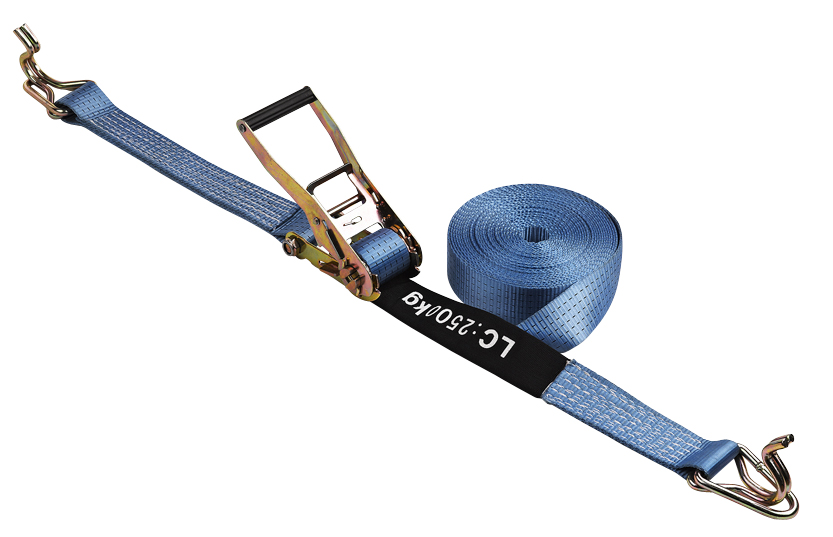
Retractable ratchet straps are a great way to secure goods. Most people find these straps work well every day. Many users say that retractable straps make their jobs much easier. Retractable ratchet straps save time and effort while ensuring the safety of items.
Key Takeaways
- Retractable ratchet straps are easy to use. They are suitable for everyone, even beginners and children.
- These straps save time and effort. They retract automatically, keeping the work area tidy. This also helps prevent the straps from tangling.
- Retractable straps can carry very heavy items. Some straps can withstand weights up to 10,000 pounds. This ensures the safety of items during handling.
- Regular maintenance, such as inspection and cleaning, helps extend the life of the straps and improve their performance.
- Choosing retractable straps instead of regular straps can help you improve your work efficiency. Furthermore, it keeps items more organized, especially in frequently used situations.
How Retractable Ratchet Straps Work
Retractable Mechanism Basics
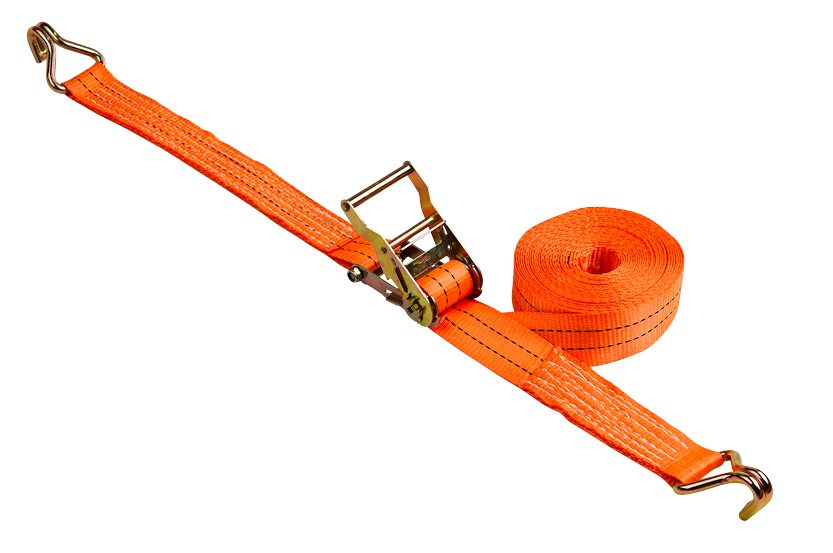
Telescopic ratchet straps utilize an automatic retraction system to ensure cargo safety and a tidy work area. Their working principle is simple and easy to understand. An internal spring in the strap tightens when the strap is pulled out. Upon release, the spring drives a reel to retract the strap. This keeps the strap neat and organized for future use.
The automatic retraction system prevents the strap ends from protruding. All excess strap is stored in a sturdy strap box, resulting in a clean and professional appearance. It also prevents the strap from swinging or tripping pedestrians, ensuring the safety of goods and vehicles and making the work area safer.
The telescopic design, similar to a measuring tape or seatbelt, prevents the strap from tangling or dragging on the ground, protecting both goods and users.
Baoying is a leading manufacturer of automotive telescopic ratchet straps, focusing on product quality and offering customized straps to meet diverse needs. Baoying’s straps meet stringent standards and are certified by ISO 9001, CE, and GS. These certifications demonstrate the company’s commitment to providing safe and reliable products.
Ease of Use Features
Retractable ratchet straps are easier to use than regular ratchet straps. Many users appreciate the following advantages:
- No long, loose ends dangling.
- Quicker installation and cleanup.
- Neater storage in trucks, trailers, and garages.
- Stretcher straps are less prone to dirt, moisture, or tangling.
- More convenient for users who don’t use straps frequently.
Retractable ratchet straps are just as strong and durable as regular ratchet straps, but easier to use. Their automatic retraction system stores excess strap in a box, keeping it neat and ready for use. Self-retracting ratchet straps help users save time during loading and unloading and prevent problems.
Retractable Ratchet Straps: Safe and Reliable
Strength and Durability
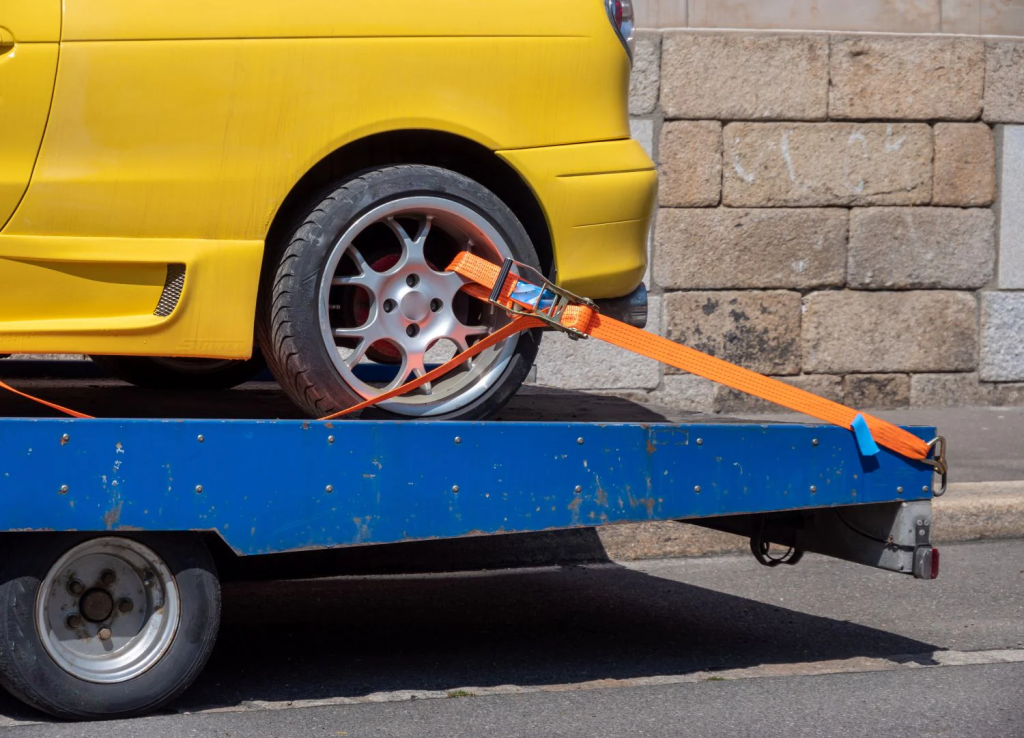
Telescopic ratchet straps are designed for high-intensity operations. They can withstand very heavy items, sometimes up to 10,000 pounds (approximately 4,548 kg). This makes them ideal for large-scale operations in factories or businesses. The strength of the straps depends on the materials used. Many companies use polyester, polypropylene, or polyethylene webbing. Each material is suitable for different operations.
| Material | Strength (lbs) | Width (in) | Length (ft) |
|---|---|---|---|
| Polypropylene | 1,500 | 1 | 8 |
| Polyester | 500 | 0.75 | 5 |
| Polyethylene | 1,000 | 1.25 | 6 |
Polypropylene is resistant to chemicals and friction, making it suitable for harsh environments. Polyester fibers are flexible yet strong, ideal for lightweight items. Polyethylene is tough, durable, and resistant to abrasion, thus widely used in aircraft and military applications.
Companies like Prowin conduct rigorous safety testing on their products. Their products hold professional certifications such as ISO 9001, CE, and GS, indicating their safety and reliability. High-quality telescopic ratchet belts feature strong springs, robust housings, and rust-resistant metal components, ensuring durability.
Safety Features
Safety is paramount when using telescopic ratchet belts. Newer products are equipped with special components to prevent accidents and ensure the safety of items. An automatic retraction system retracts excess belt, preventing tripping or entrapment. Some products also feature an automatic locking system to prevent accidental loosening of the belt.
| Safety Feature | Description |
|---|---|
| Auto-locking | Prevents accidental release during use. |
| Tension indicators | Helps avoid over-tightening of the strap. |
| Anti-slip coatings | Provides a secure grip to prevent slippage. |
Tension indicators help users maintain appropriate pulling force, ensuring the safety of both goods and straps. An anti-slip coating helps users grip the straps better and prevents slippage when tightened. All these design features contribute to the safety of goods during handling.
Stress Performance
Telescopic ratchet straps need to maintain good performance under pressure, which is especially important in road transport. The company tests the straps to determine their load-bearing capacity and service life. Regular inspection and maintenance of the straps help maintain their strength. High-strength straps have a service life of approximately two to four years with frequent use; with less frequent use, they can last up to five years.
| Usage Type | Average Lifespan |
|---|---|
| Heavy Use | 2-4 years |
| Lighter Use | 3-5 years |
The company inspects the webbing for damage, parts for breakage, or rust. Many brands offer warranties to demonstrate the quality of their products. This gives consumers peace of mind when purchasing.
Most people are satisfied with these straps. On major shopping websites, top brands typically have ratings between 4.5 and 4.8 stars. The image below shows reviews of different retractable ratchet straps:
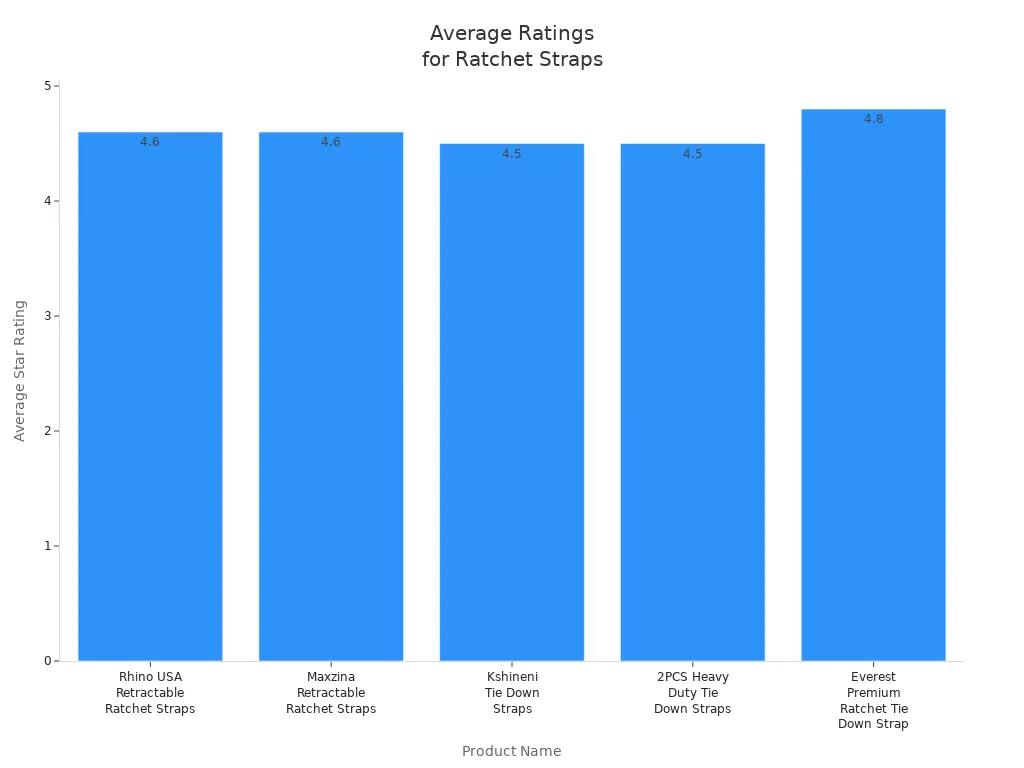
These high ratings demonstrate people’s trust in retractable ratchet straps. They are safe, strong, and easy to use. People choose these straps when they need to secure goods because of their superior performance and durability.
Traditional Straps vs. Retractable Straps
Performance Comparison
People like to compare which ratchet strap performs better. Both types of straps serve a securing purpose, but they are not the same. The table below lists their differences:
| Feature | Traditional Ratchet Strap | Retractable Ratchet Strap |
|---|---|---|
| Storage | Small but can get tangled | Bigger case, always tidy |
| Weight | Lighter | Heavier because of extra parts |
| Setup Time | Slower, takes more steps | Very quick, just pull and hook |
| Price | Costs less | Costs more |
| Best For | Hard jobs, saving money | Using often, fast work, neat look |
Retractable ratchet straps save people preparation time. They are especially useful for movers and delivery drivers who frequently use straps. People who value tidiness also choose retractable straps.
Convenience and Storage
Retractable ratchet straps are easy to store. The straps can be put back into their built-in storage bag, keeping them tidy. This helps keep trucks and garages organized. Traditional ratchet straps require manual rolling. If not rolled properly, the straps can easily become tangled.
| Feature | Retractable Ratchet Straps | Traditional Ratchet Straps |
|---|---|---|
| Ease of Use | Fast to use and put away | Must roll and tighten by hand |
| Storage & Organization | Always tidy, no tangles | Can get tangled easily |
People who frequently use ratchet-type straps often prefer retractable straps. They are faster and keep a neat and tidy appearance.
Common Issues
Both types of ratchet-type straps have some issues. If dust gets inside a retractable strap, it may stop working. Springs and other parts can also wear down over time. Traditional ratchet-type straps don’t have these moving parts, so they are less prone to jamming. However, they can still get tangled or break if stored improperly.
- Jack-in: Retractable straps can jam and become inoperable.
- Wear: Springs and parts can wear down over time.
- Corrosion: Water or salt can cause internal rust.
- Misalignment: If the ratchet isn’t aligned, it won’t return to its original position.
People working in muddy or cold environments often use traditional straps. They are simple in construction and easy to maintain. In clean and busy locations, retractable straps are better because they are fast and easy to use.
Limitations and Considerations for Retractable Ratchet Straps:
Potential Disadvantages
Retractable ratchet straps offer many advantages, but there are also some issues to be aware of. These issues have been mentioned by many people in reviews and safety reports. These problems can reduce the performance or safety of seat belts. The table below lists the most common issues:
| Drawback | Description |
|---|---|
| Strength Illusion | The strap might look strong, but it can break sooner than you think. |
| Failure Under Load | The inside parts can slip, even if the strap does not break. |
| Reliability of Mechanism | Dirt can get inside and stop the strap from pulling back in. |
| Jammed Mechanism | Sand or mud can block the parts and make the strap get stuck. |
| Spring Fatigue | The spring can get weak after a while, so it does not pull as well. |
| Rust | Water can make the inside rusty, which makes the strap not work right. |
| Impact Damage | Dropping the strap can break the case or the parts inside. |
| Cost of Convenience | Retractable straps usually cost more money than regular ones. |
It’s also mentioned that the webbing may wear down, the hooks may bend, and the stitching may loosen. These factors all reduce the safety of using ratchet straps when moving items.
When Should Not Use Ratchet Straps
There are situations where ratchet straps should not be used. Safety experts and manufacturers recommend against using them in the following circumstances:
- Dirty or dusty material may get inside the strap, causing it to jam.
- Extremely cold weather can cause the strap to harden, and the metal parts may break.
- Freezing can cause the strap to lock completely, making it impossible to move or open.
- The internal structure of ratchet straps is more complex, making them more prone to damage than regular straps.
For these reasons, workers often choose regular ratchet straps for heavy or dirty work.
Maintenance Tips
Proper maintenance of ratchet straps can extend their lifespan and ensure their safety. Regular inspections can ensure that the straps and tensioning system are functioning properly. The table below lists the steps you should take:
| Maintenance Practice | Description |
|---|---|
| Regular Inspections | Look for damage or broken parts before you use the strap. |
| Proper Cleaning and Storage | Clean the strap after using it and keep it in a cool, dry place. |
| Lubrication | Put oil on the ratchet parts to help them move easily. |
| Avoid Overloading or Misuse | Only use the strap for the right weight and job. |
If possible, people should recycle old tie-down straps. Many tie-down straps are made from environmentally friendly materials. Properly storing and disposing of old tie-down straps ensures safety and protects the planet.
Retractable ratchet binding straps help most people secure their goods. They are quick to install and easy to store. Many people choose this type of binding strap when they need to work quickly and safely.
FAQ
How do retractable ratchet binding straps prevent tangling?
The automatic retraction system retracts the binding strap into its housing. This keeps the binding strap neat and prevents tangling. Workers like this design because it helps with storing or moving items.
Can retractable ratchet binding straps safely carry heavy loads?
Most retractable ratchet binding straps have a load-bearing capacity of up to 10,000 pounds (approximately 4.5 tons). Companies like Proton test their binding straps to ensure their strength. Certifications such as ISO 9001, CE, and GS indicate that these binding straps are safe and reliable.
Can beginners easily use retractable ratchet binding straps?
Many people say that retractable ratchet straps are easy for beginners to use. The automatic springback and simple ratchet system make installation quick and easy. You don’t need any special skills to use them.
What maintenance does a retractable ratchet strap require?
Inspect the strap before use. Clean the casing and webbing after use. Store the strap in a dry place. If necessary, lubricate the moving parts. Doing so helps extend the life of the strap.
Where can retractable ratchet straps be used?
Retractable ratchet straps are used on trucks, trailers, boats, and motorcycles. Handlers, drivers, and workers use them to secure goods. These straps are also very useful in places like warehouses and factories.