A cam buckle has a spring-loaded cam that grips the strap when you pull it. It holds tension in one direction and lets go when you press the thumb tab. People often use cam buckle tie-downs on luggage, kayaks, and truck equipment to secure loads quickly. This guide explains the inside mechanism, how to thread and use cam buckle straps correctly, how they are different from ratchet models, and key safety rules. These cam straps tighten by hand and need no tools. Using cam buckle straps the right way keeps the load secure. The cam buckle’s grip holds tight during transport. Pressing the tab releases the webbing right away for fast unloading. Users must never go over the working load limit. Knowing this one-way grip is key to safe use. They work well for lighter loads when speed matters.
Key Takeaways
- A spring-loaded cam grips the webbing in one direction and releases with a thumb press.
- Thread the webbing flat through the buckle, pull tight by hand, and press the tab to release.
- Use cam straps for light loads under 750 lbs; choose ratchet straps for heavier cargo.
- Never exceed the working load limit, inspect gear before use, and keep the webbing clean and dry.
Inside a Cam Buckle
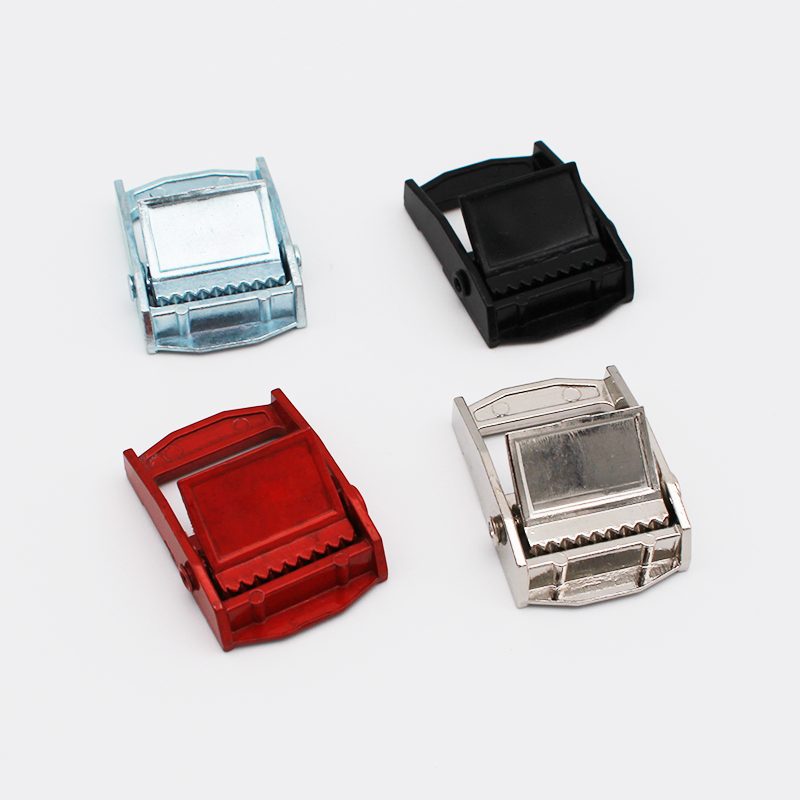
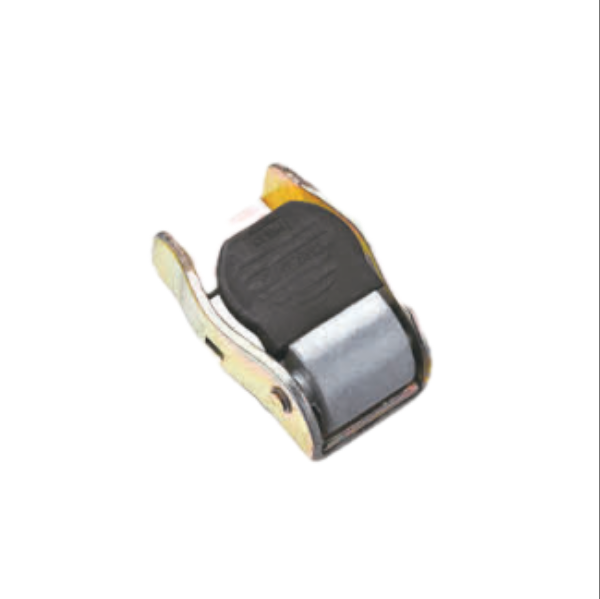
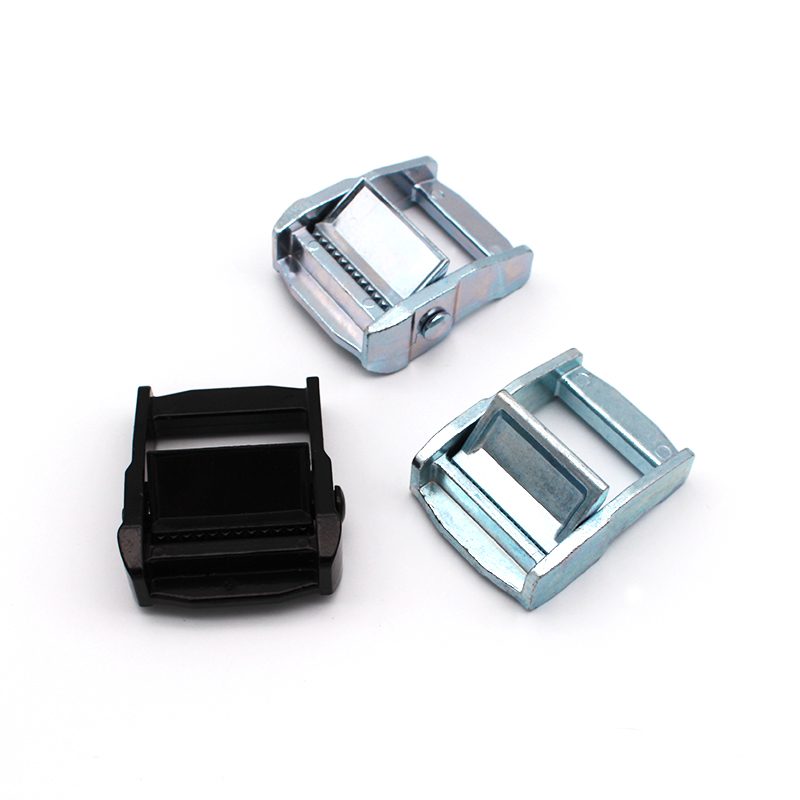
A cam buckle holds a load with a simple trick. A spring pushes a small pivoting block against the strap. That block is the cam. The strap is the webbing, a flat strip of woven fabric. The spring keeps pressure on the cam at all times. This spring-loaded cam mechanism sits inside a metal or plastic frame. The frame guides the webbing past the cam. The cam bites into the fabric and stops it from sliding backward.
The Spring-Loaded Cam
The cam looks like a small lever with a rough face. A spring behind it pushes the top edge forward. This action drives the cam’s teeth into the webbing. The teeth of the buckle dig in slightly and create friction. The harder someone pulls the strap, the deeper the cam grips the webbing. That is why the hold gets stronger under load. A tab on the cam sticks out through the frame. This tab is the release point. A user can push the tab lever with a thumb. The cam then rotates away from the webbing. The grip disappears at once. The webbing slides free in both directions. The whole part is small, often no bigger than a matchbox.
Manufacturers build cam buckles from different materials. The choice depends on the environment. Marine work demands hardware that resists salt and rust.
| Material | Relevance to marine corrosion and wear |
|---|---|
| 316 stainless steel | Standard for marine hardware because molybdenum content gives high resistance to chloride corrosion |
| Acetal/engineering plastics | Suitable for lightweight, non-load-bearing uses because they cannot rust |
| Titanium | Very high performance, corrosion-resistant, and lighter than steel |
| Aluminum | Should be avoided unless high-grade anodized because it can oxidize and seize in salt air |
A 316 stainless steel cam buckle offers strong saltwater durability. It outperforms standard 304 hardware in coastal conditions.
One-Way Grip on the Webbing
The cam allows movement in one direction only. A user pulls the free end of the strap. The webbing slides through the frame. The cam lifts slightly and lets the fabric pass. When the pull stops, the spring pushes the cam back. The cam automatically clamps down on the webbing. Reverse motion is now blocked. This one-way action is the heart of the design. It lets a person tighten a load by hand and keep it tight.
Webbing quality affects the grip. Smooth, thin fabric can slip under the cam. Thick, soft fabric may jam. A thickness of 3–4mm works well for most cam buckle straps. Polyester webbing resists moisture. Nylon feels softer. A silicone dot pattern on one side adds traction. The dots give the cam something to bite. This texture offers a good balance of cost and performance. It suits one-way gripping without slipping.
The mechanism needs no tools. A user pulls the webbing by hand. The cam holds the tension. To release, a thumb press on the lever frees the strap. Cam straps work fast for light and medium loads. Cam buckle straps stay simple, light, and quick to adjust.
How to Use Cam Buckle Straps
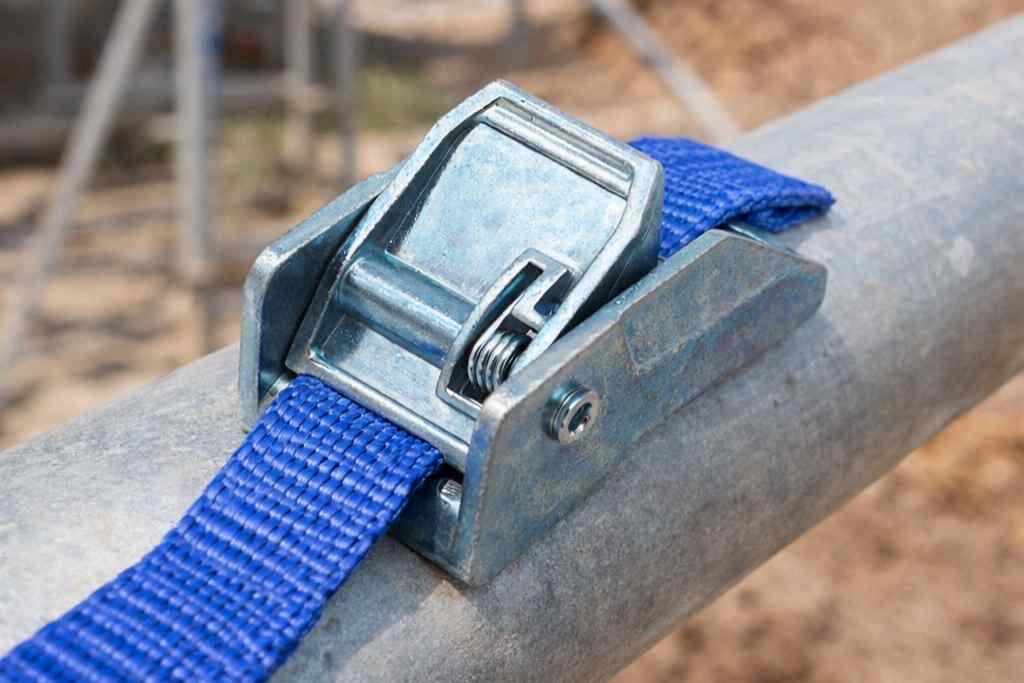
A cam buckle strap works well only when a user threads it correctly. The process takes seconds. Anyone can learn it with a little practice. These cam buckle straps are manually tightened tie-down straps. The user pulls the webbing through the buckle to apply tension. No tools or mechanical advantage are needed at any point.
Threading the Cam Buckle Strap
Threading is the first step. A user must feed the cam buckle properly before any load goes on. The steps below walk through the process.
- Depress the lever. Push the tab lever down with a thumb. This action opens a gap between the teeth of the buckle and the roller.
- Pull the tail of the webbing through. Feed the cam buckle from the bottom of the fastener. Push the strap up through the frame.
- Release the lever. The spring pushes the cam back into place. The teeth now rest against the webbing.
- Pull the tail to test the grip. A gentle tug confirms the cam buckle is locked.
The gap created between the metal rolling barrel and the teeth of the lever allows the webbing to pass freely during threading. Once the lever returns, that gap closes. The cam bites into the fabric. The strap cannot slide back through the frame.
A user should check the webbing path after threading. The strap must sit flat between the cam and the roller. A twisted strap weakens the grip. It also wears the webbing faster. Straight, flat webbing gives the cam full contact. This simple check prevents most slipping problems.
Pull Tight by Hand and Release
After threading, the user pulls the free end of the webbing. This action is called pulling the webbing through the cam buckle. The cam lifts slightly and lets the fabric slide. When the pull stops, the spring snaps the cam down. The one-way grip engages. The user can now pull tight by hand to tension the load.
Cam straps rely on hand force alone. A person grips the tail and pulls. The cam holds whatever tension the hand creates. No crank, no lever arm, no gear ratio. This makes cam buckle straps fast and simple. It also limits how much force a user can apply. Hand tightening suits light and medium loads. Heavy loads need more holding power than a hand pull can give.
Releasing takes one motion. The user presses the quick-release thumb button. This push the tab lever action disengages the cam. The webbing slides free in both directions. The load comes off fast. A user can loosen or remove the cam buckle strap in seconds. This speed is the main advantage of cam straps over other designs.
A few habits keep the process smooth. Keep the webbing clean and dry. Dirt between the cam and the strap reduces grip. Replace frayed webbing before it fails. Store cam buckle straps loosely coiled. These small steps extend the life of every strap.
Cam Straps vs. Ratchet Straps
Force and Tension Differences
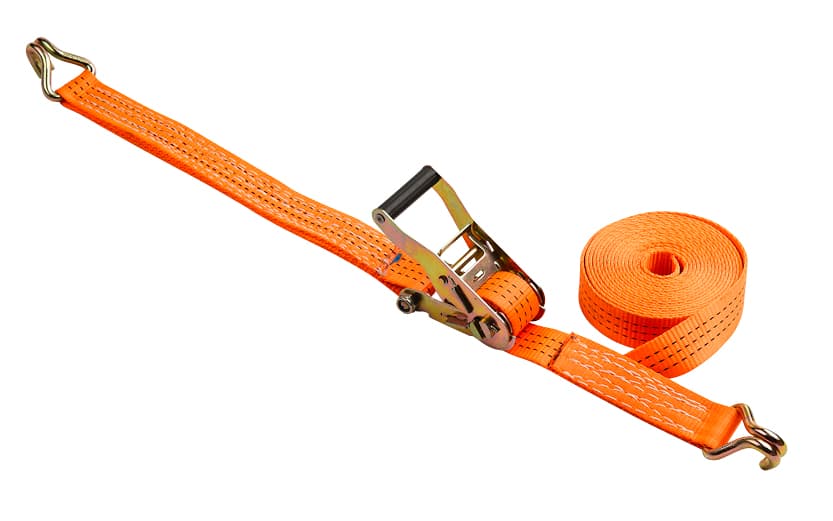
Cam straps and ratchet hardware hold cargo in different ways. Cam straps depend fully on hand strength. A user pulls the webbing through the cam buckle frame. The spring-loaded cam inside keeps the tension by itself. There is no mechanical advantage. Ratchet hardware uses a lever and gear system. The user cranks the handle back and forth to increase force. This lever action gives ratchet models much higher holding power.
Working load limits show this difference clearly. A standard 1-inch cam buckle strap holds between 333 and 833 lbs. A 1-inch ratchet unit usually holds 833 to over 5,400 lbs. Wider webbing raises capacity on both types. A good 2-inch cam strap reaches about 1,100 lbs. A 2-inch ratchet unit easily goes past that number. The mechanical cam buckle design explains the speed advantage.
Cam buckle straps release much faster. A thumb press on the lever frees the webbing right away. Ratchet models make a user pull a release handle and walk the webbing out step by step. This speed makes cam buckle straps great for frequent loading and unloading. Cam buckle straps work best for cargo under 750 lbs when quick release matters most.
Choosing the Right Strap
Load weight guides the decision. For loads under 700 to 750 lbs, cam straps stay the practical pick. They suit bicycles, luggage, kayaks, and light cargo. For loads above that range, a ratchet model becomes the better option. Heavier cargo needs the extra holding power that only a ratchet mechanism can give. Industry practice strongly suggests ratchet straps when hand tightening alone cannot guarantee security.
Motorcycle transport gives a clear example. A standard motorcycle weighing 400 to 900 lbs needs ratchet straps. The recommended working load limit per strap for such a bike is 1,500 lbs. Using four straps gives a combined capacity that handles dynamic forces from braking, cornering, and road vibration. Cam buckle straps cannot deliver that level of holding force.
| Strap Type | Typical WLL Range | Best Use Case |
|---|---|---|
| Cam buckle strap | 333 to 833 lbs | Light loads, speed, frequent adjustment |
| Ratchet model | 833 to 5,400+ lbs | Heavy loads, long hauls, maximum tension |
1-inch straps work well for lighter loads where a small footprint matters. Wider straps match heavier duty needs. Every cam buckle must match the load weight and journey conditions.
Uses and Safety for Cam Buckle Straps
Everyday and Industrial Applications
People meet cam buckle straps in many daily tasks. Boat owners use them as boat tie downs at the ramp. Drivers rely on truck straps and automotive tie down straps for light cargo. Riders secure bikes with motorcycle tie down straps. Travelers cinch luggage with small cam buckle tie-downs. Warehouses use them for quick cargo control.
Two industries favor these cam straps for speed. Moving crews secure furniture and boxes with them. The buckles release fast at each stop. Logistics teams also choose them for quick cargo securing and release. A logistics expert noted that the right strap can greatly reduce loading and unloading times, boosting efficiency.
- Moving industry: cam buckle straps hold furniture and boxes, then release in seconds.
- Logistics: fast securing and release speeds up loading and unloading.
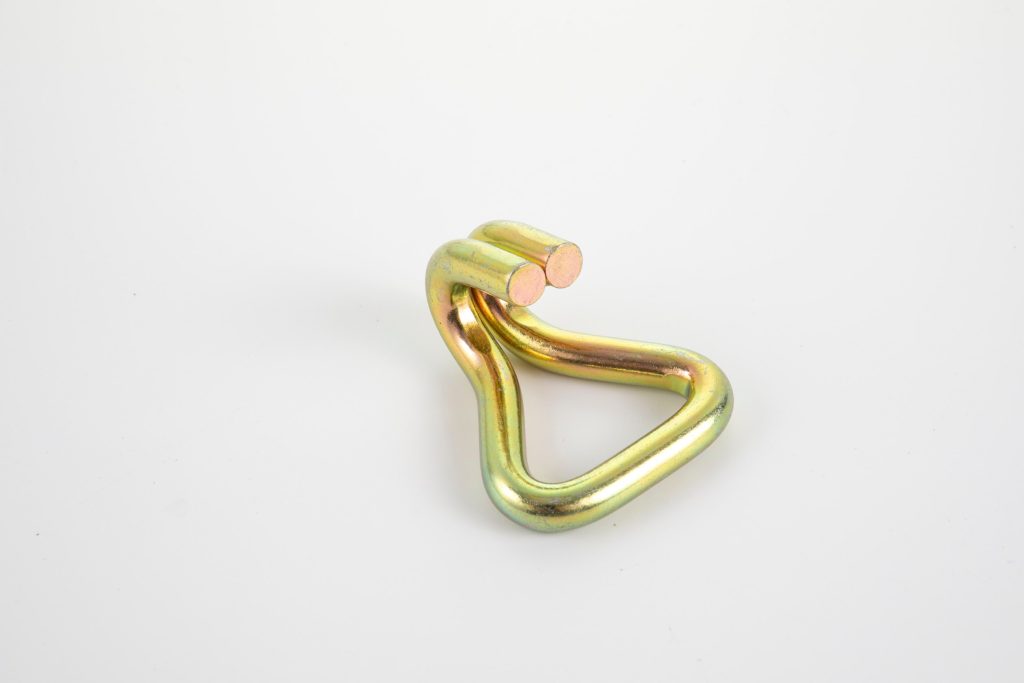
BAOYING is a professional manufacturer of tie down straps and load security hardware. This supplier offers ratchet straps, cam buckle straps, over-center buckle straps, and tie down hardware such as ratchet buckles, cam buckles, over-center buckles, and hooks. The factory builds every cam buckle strap with high-tenacity polyester webbing and zinc-plated, anti-corrosion metal hardware. Working load limits run from 500 to 10,000 lbs. These straps hold constant tension on long, bumpy hauls. They resist wear, salt spray, and vibration. Wholesale buyers can request ODM/OEM customization for webbing color, logo printing, hardware shape, length, and width. ISO 9001, CE, and GS certifications support quality-conscious importers.
Safety Rules to Follow
A few cam buckle strap safety tips prevent accidents. First, never exceed the working load limit printed on the strap. Second, inspect webbing and hardware before each use. Look for cuts, fraying, or bent metal. Third, avoid sharp edges that can slice webbing under tension. Fourth, keep the load balanced across all straps.
Never use a cam buckle for overhead lifting. These cam buckles are not designed for human suspension or vertical hoisting.
Replace any cam buckle strap with worn webbing or a weak spring. Store cam straps loosely coiled in a dry place. Follow these rules, and every cam buckle strap will perform safely for years.
A cam buckle holds tight through a simple spring-loaded cam. The cam grips the webbing when a user pulls. A thumb press on the tab releases the grip. Correct threading keeps the cam buckle working right. Users pull the webbing tight by hand only. No tools or cranks help. Cam buckle straps suit lighter loads and fast release. Ratchet straps handle heavy cargo with greater force. Choosing between cam straps and ratchets depends on load weight. Safe use comes down to understanding the one-way grip. Respect the working load limit on every strap. Inspect webbing and hardware before each trip. With these habits, cam buckle straps secure loads safely for years.
FAQ
What holds the webbing in place inside a cam buckle?
A spring pushes a small pivoting block against the webbing. This block is the cam. Its teeth bite into the fabric. The harder someone pulls, the deeper the cam grips. The spring keeps constant pressure. This one-way grip stops the strap from sliding backward.
How do I use them without slipping?
Thread the webbing flat between the cam and the roller. A twisted strap weakens the grip. Pull the tail by hand to apply tension. The cam locks automatically. Press the thumb tab to release. Clean, dry webbing gives the best hold.
Can cam straps replace ratchet straps for heavy loads?
No. Cam straps rely on hand force alone. They suit light and medium loads under roughly 750 lbs. Ratchet models use a lever and gear system for much higher tension. Heavy cargo needs that extra holding power. Choose based on load weight and journey conditions.
What loads work best with cam buckle straps?
Cam buckle straps handle bicycles, luggage, kayaks, and light cargo. They release fast with one thumb press. Moving crews and logistics teams favor them for quick securing and unloading. For loads above their working load limit, a ratchet model becomes the safer choice.
How should a user maintain cam buckle straps?
Keep webbing clean and dry. Dirt reduces grip between the cam and the fabric. Inspect webbing and hardware before each use. Look for cuts, fraying, or bent metal. Replace worn straps right away. Store them loosely coiled in a dry place. These habits extend strap life.