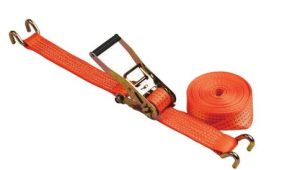
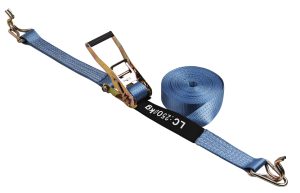
ratchet strap

Why do truckers put a twist in straps?

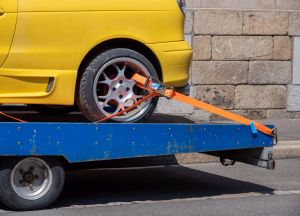
Truck drivers often twist the tie-down straps to prevent them from slapping, vibrating, or making noise during transport. This simple action helps secure cargo and prevents the straps from wearing out too quickly. Many drivers use this method to keep their goods safe and extend the life of the tie-down straps. Key Takeaways Why Truck Drivers Twist Tie-Down Straps Eliminate Wind Vibration and Constant Highway Noise If left fully flat, wide polyester lashing webbing catches crosswinds and vehicle slipstream at highway cruising
Read More »

Can you use ratchet straps to tie down a kayak?

Many kayakers rely on ratchet straps to secure kayaks to roof racks and trailers during transportation. While ratchet straps deliver strong load tension, they carry a notable risk: over-tightening can deform plastic, composite and carbon-fibre kayak hulls, leaving permanent dents, discolouration or triggering stress cracks. When used carefully and correctly, ratchet straps are a viable securing solution. Alongside popular rack accessory brands such as Yakima and Thule, manufacturers including BAOYING supply heavy-duty tie-down straps built for marine and outdoor transport. Key

Read More »

What is stronger than a ratchet strap?

When hauling extra-heavy, abrasive or sharp-edged cargo, standard polyester ratchet straps may not deliver sufficient durability or load capacity. Common higher-performance alternatives include chain binders, steel wire rope, roller cam straps and heavy-duty lock-style tie-downs such as Tie Boss straps. Improper cargo securement contributes to thousands of road accidents annually, as documented by the Federal Motor Carrier Safety Administration (FMCSA). Selecting the correct restraint prevents load shift, protects equipment and helps operators comply with transport safety regulations. Key Takeaways Strength

Read More »

What are the parts of a ratchet strap called?

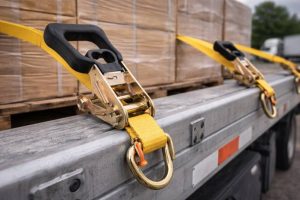
Ratchet tie-down straps rely on a set of coordinated mechanical and textile components to safely secure cargo on flatbeds, trailers and utility vehicles. Every part serves a unique purpose and works in tandem to generate stable load tension and prevent cargo shift during transit. Mastering official component terminology helps operators select compliant straps, conduct pre-trip damage inspections, and communicate clearly with suppliers or roadside safety inspectors. Key Takeaways Full Breakdown of Ratchet Strap Components & Their Functions 1. Ratchet Handle

Read More »

What are the parts of a ratchet belt?

Ratchet belts have grown popular as a modern alternative to traditional punched-hole belts. Instead of fixed eyelets, they rely on an internal grooved track and locking hardware for micro-adjustable sizing. To choose, use and maintain your ratchet belt properly, it is essential to understand every core component. Each part serves a unique function, and the whole system only works reliably when all components operate together. Key Takeaways Main Components of a Ratchet Belt 1. Ratchet Belt Strap (Webbing / Strap

Read More »

Contact us

Baoying as a responsible company that provides high quality products and services, will take every inquiry seriously.