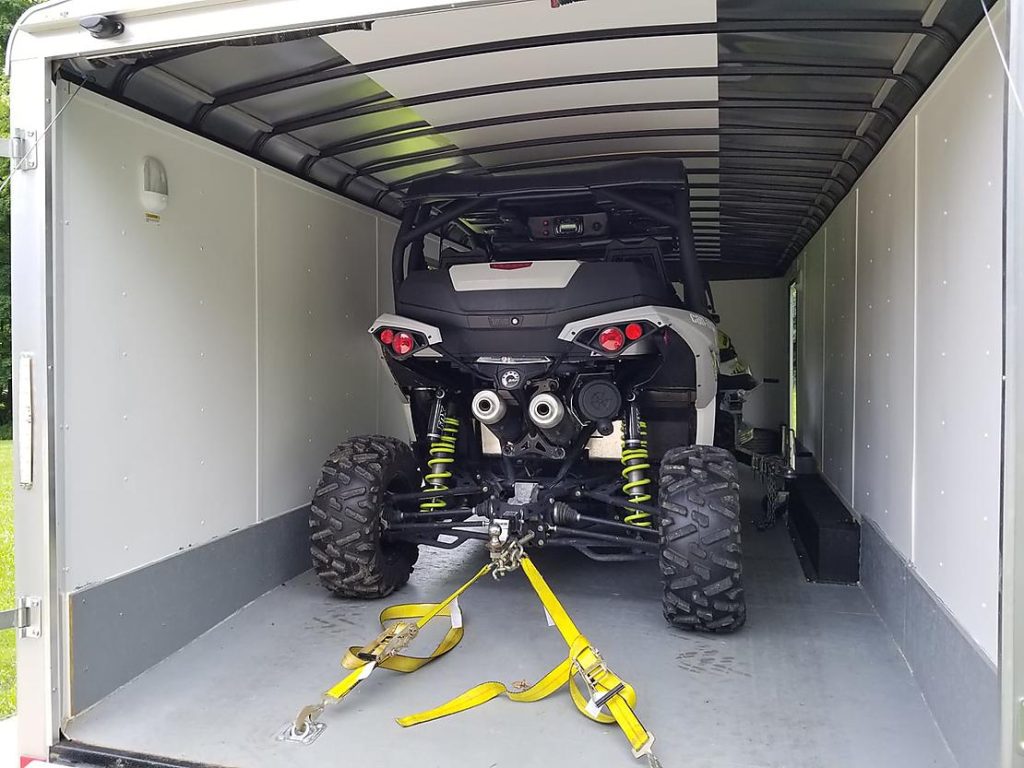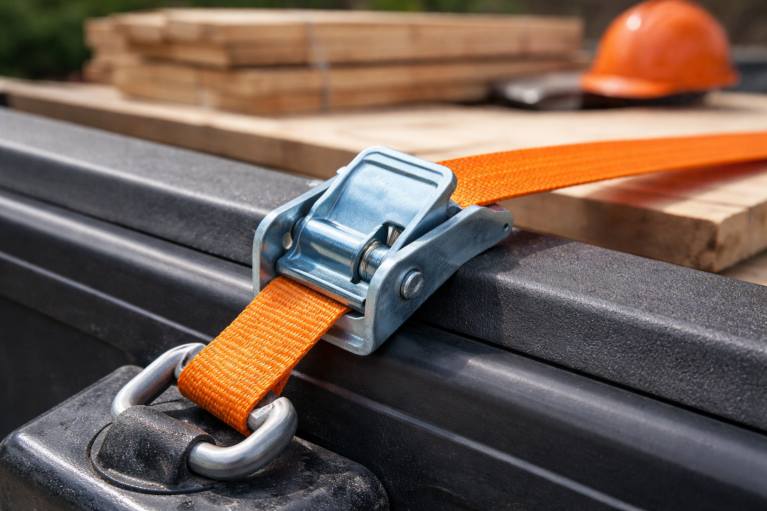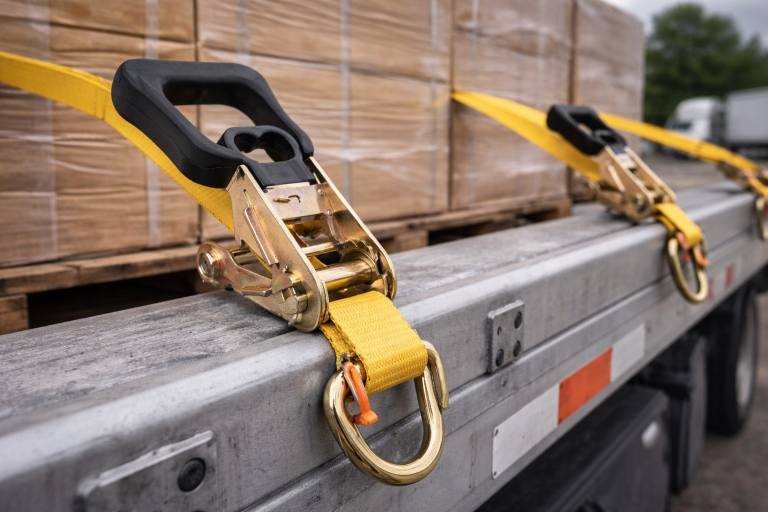
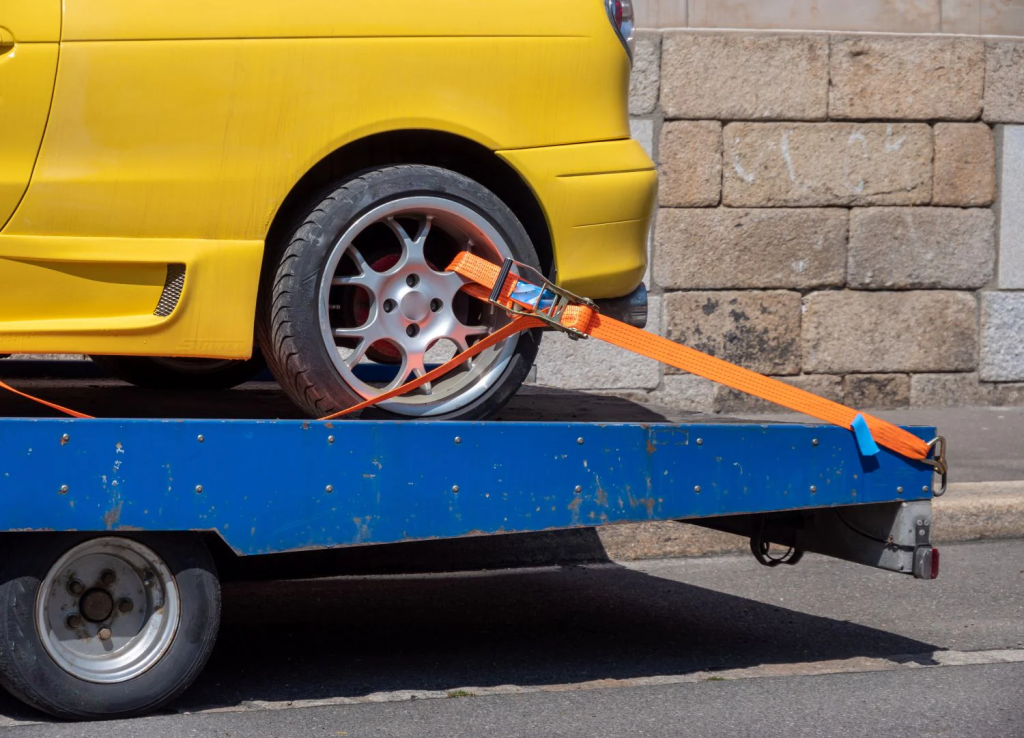
The main components of a ratchet belt include the fixed end, adjustable end, webbing, ratchet rail, buckle, and tensioning or locking mechanism. Each component of a ratchet belt has its specific function. The fixed end secures one end of the belt. The adjustable end allows the user to adjust the belt length. The webbing forms a sturdy belt. The ratchet rail facilitates tightening the belt. The buckle connects all the components together. The locking mechanism ensures the belt is secure. Understanding the components of a ratchet belt helps people choose the right product, use it safely, and maintain its good performance. Understanding the components of a ratchet belt also facilitates belt maintenance or cleaning. Understanding the components of a ratchet belt helps people make informed choices.
Key Takeaways
- A ratchet belt consists of six main components: the fixed end, the adjustable end, the webbing, the ratchet rail, the buckle, and the locking mechanism. Each component is essential for the proper functioning of the belt.
- The ratchet belt buckle allows you to easily adjust the belt without drilling holes. This makes the belt fit better and is more comfortable to wear all day.
- The release lever helps you quickly loosen or remove the belt, making it more convenient to use.
- Ratchet belts are made of strong and durable materials such as polyester and nylon. These materials help extend the belt’s lifespan and ensure it performs well in a variety of conditions.
- Proper cleaning and storage of ratchet belts are essential. This helps maintain the belt’s good condition and extends its lifespan.
Main Parts of a Ratchet Belt
Ratchet Belt Strap
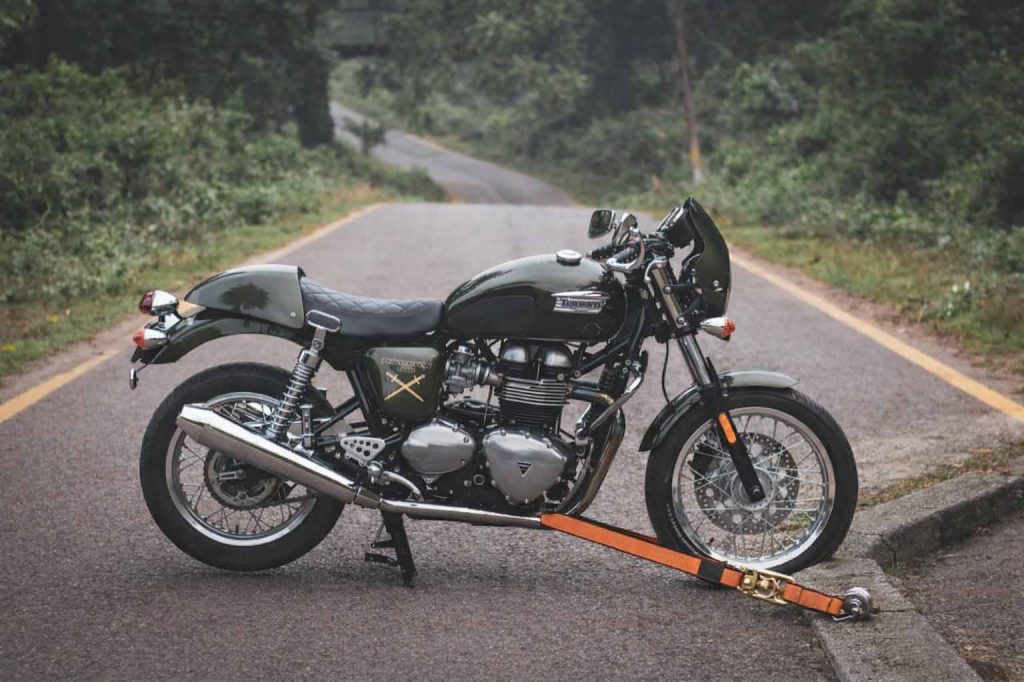
The ratchet belt is the main component of the belt. Most belts are made of polyester. Polyester is strong and durable, not easily stretched, and resistant to sunlight, mildew, and chemical corrosion, making it suitable for everyday use and high-intensity work. For greater flexibility, some belts use nylon. The belt passes through a ratchet buckle. The user pulls the end of the belt to tighten the slack. The belt and ratchet buckle work together to keep the belt taut, ensuring it doesn’t shift while worn.
Ratchet Buckle
The ratchet buckle is the most important component of the belt. This belt is adjustable without fixing holes. The buckle clamps onto any webbing on the track. This means you can easily adjust the belt for a perfect fit. This is especially useful if your waistline changes throughout the day. Some belts use a special A2 buckle system. This system allows you to adjust the size as needed. The buckle and webbing work together to ensure a secure and comfortable wearing experience.
Release Lever/Tab
The release lever or pull tab, though small, is crucial. It is located near the main ratchet handle. This lever is used to unlock the ratchet. Pulling the release lever loosens the webbing. This allows you to remove or adjust the belt. The release lever makes removing the belt easy, quick, and safe. Without it, removing the belt would be very difficult.
Pawl/Locking Mechanism
Inside a ratchet is a toothed gear or rack and a spring-like component called a pawl. The pawl engages with the teeth of the gear. As the gear moves forward, the pawl slides along the teeth. The spring pushes the pawl into the gap between each tooth. If the gear moves backward, the pawl stops it. The pawl locks the gear, preventing it from moving backward.
Pawls or locking mechanisms are used to maintain belt tension. They mesh with the track of the ratchet pulley to lock the belt. The locking component prevents the belt from slipping. You need to use a release lever to unlock it. Pawls must be strong enough because they are used frequently. Most pawls are specially designed to withstand high-intensity work. However, they will wear down over time.
| Component | Durability Characteristics |
|---|---|
| Parking Pawl | Built to handle lots of stress, made strong for hard use, but can wear out over time. |
| Other Belt Parts | How long they last depends on what they do and what they are made of. They may not be as strong as the parking pawl. |
Belt Buckle and Locking Mechanism
The Mission Belt employs a completely new belt closure method. Instead of traditional pins and holes, it uses a ratchet system. The locking mechanism engages every 5 or 6 millimeters, ensuring a perfect fit each time. As the belt passes through the buckle, the buckle clicks into a groove. If the belt is pushed further in, the buckle moves to the next groove. The belt will not slip.
The buckle and locking mechanism work together to ensure a secure belt closure. The buckle secures the locking mechanism. The locking mechanism engages into a groove on the track. As the belt slides in, the buckle clicks and locks the belt. This allows for fine-tuning to achieve a perfect fit. The track and buckle prevent the belt from slipping. This makes ratchet belts significantly different from perforated belts.
Ratchet belts are popular for their ease of use, excellent fit, and durability. Companies like BAOYING are experts in belt hardware manufacturing, ensuring the superior quality of every component. Excellent design and meticulous workmanship are key to the optimal performance of ratchet belts.
How a Ratchet Belt Works
Adjustment Process
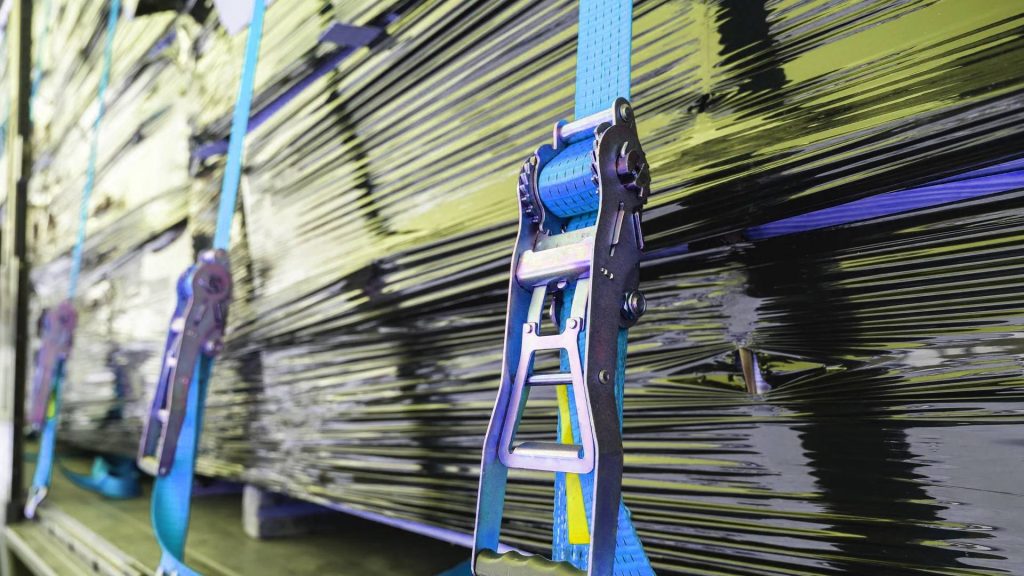
The ratchet harness features a special component for easy adjustment. First, thread the webbing through the center groove of the ratchet axle from below. Then, secure both ends of the ratchet harness to the anchor points using the S-hooks. Move the ratchet handle up and down. Each movement of the handle winds and tightens the webbing. Continue tightening until the harness feels secure. When the handle closes with a click, the ratchet is locked in place. This allows for fine-tuning to achieve a perfect fit.
The ratchet mechanism uses a grooved track to improve the fit. This allows for fine-tuning. No drilling is required. You can adjust the size in small steps. This design provides a better and safer fit compared to ordinary harnesses.
Securing and Loosening
Securing the ratchet harness requires several steps. Securely attach the ratchet fastener to the chain. Rotate the ratchet mechanism to the “locked” position. Smoothly move the ratchet to tighten the harness. Observe the load’s reaction and adjust the tension as needed. The chain should be kept taut, but not overly tight. Secure any excess chain and check that the ratchet mechanism is locked. Always check all components before moving goods.
Ratchet belt systems are easy and safe to adjust. The locking mechanism keeps the belt taut until you release it. The release lever helps you quickly release or remove the belt. This design prevents the belt from slipping and maintains its stability.
Ratchet Belt Materials and Durability
Common Strap Materials
Ratchet belts are made from different materials. The most common are nylon and polyester. Each material has its own characteristics that affect how the belt works.
- Nylon has a tensile strength of approximately 7-10%. This helps it absorb shocks, making it ideal for handling items such as cars.
- Polyester has a low elongation rate of only 2-3%, with minimal stretching. It is resistant to sunlight and water, making it ideal for outdoor use and securing items.
- Nylon and polyester maintain their strength in both high and low temperature environments, with an operating temperature range of -40°C to 100°C. They also do not fail due to acid or alkali corrosion, which is very useful when handling chemicals.
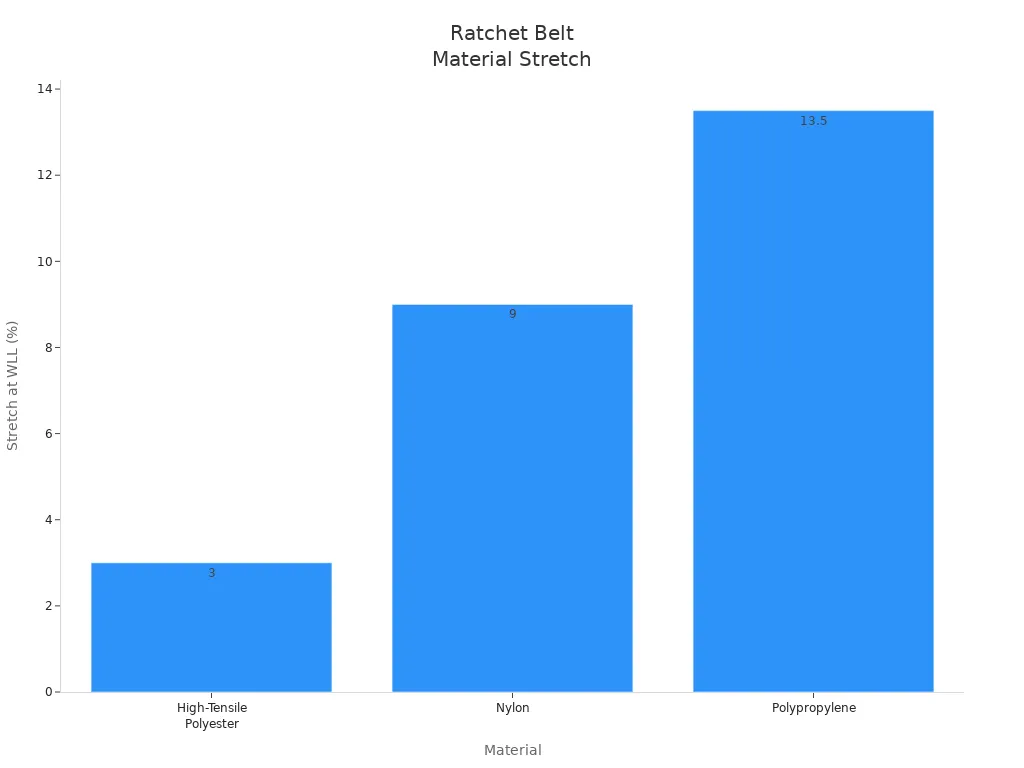
Choosing the right belt material helps extend the belt’s lifespan and ensures it remains strong during high-intensity work.
Belt Buckle and Rail Material
Belt buckles and rails contribute to the strength and comfort of ratchet belts. Manufacturers choose different materials for these components:
| Material Type | Description |
|---|---|
| Molded plastic | ABS, nylon mix, or special blends |
| Carbon fiber | Light, strong, and does not rust |
| Polymer | Used for ratchet parts |
| Aerospace-grade aluminum | Sleek, tough, and does not rust |
A sturdy belt buckle ensures a comfortable fit. If the belt itself isn’t strong enough, a heavy buckle can actually cause it to sag. A good design ensures both comfort and aesthetics.
| Material | Impact on Comfort | Impact on Longevity |
|---|---|---|
| Military-Grade Nylon | Light and tough for comfort | Lasts long for outdoor use |
| Aerospace-Grade Aluminum | Sleek and does not rust | Stays strong for a long time |
| Carbon Fiber | Strong and safe for travel | Lasts a long time for travelers |
Maintenance Tips
Proper maintenance of ratchet belts helps extend their lifespan. Users should:
- Inspect the belt for damage or rust before and after use.
- Clean the belt with mild soapy water. Never use strong chemicals.
- Always ensure the belt is completely dry before storing. Store in a cool, dry place, away from direct sunlight.
- Apply silicone lubricant to the ratchet section several times a year. Be careful not to spray lubricant onto the webbing.
- Never subject the belt to weight exceeding its capacity.
Regular inspection and careful use of the belt help extend its lifespan. BAOYING focuses on quality and personalized choices, making its belts robust and durable.
Understanding the various components of a ratchet belt helps in selecting the most suitable belt, thus extending its lifespan. Understanding how the adjustment mechanism works allows for a more comfortable fit. High-quality materials make the belt stronger and more durable, saving money and reducing the frequency of belt replacements. Proper maintenance of each component of the belt helps improve its performance and appearance.
- Regular cleaning of the belt removes dirt and prevents wear.
- Using leather conditioner can keep leather soft and prevent cracking.
- Proper storage of belts helps maintain their shape.
It is often said that understanding belts and taking good care of them can extend their lifespan and improve wearing comfort.
FAQ
What is the difference between a ratchet belt and a regular belt?
Ratchet belts use tracks and locking mechanisms, unlike regular belts which have holes. You can make fine adjustments to keep the belt comfortable and snug all day.
How do I untie a ratchet belt?
To untie a ratchet belt, simply pull the release lever or tab. This will unlock the buckle and loosen the belt. The belt will then slide off easily.
Can the belt of a ratchet belt be replaced?
Yes, many ratchet belts allow for belt replacement. You can remove the old belt and replace it with a new one. This can extend the belt’s lifespan.
What materials are most durable for ratchet belts?
| Material | Durability |
|---|---|
| Polyester | Very High |
| Nylon | High |
| Aluminum Buckle | Very High |
How should someone clean a ratchet belt?
- Wash the belt with mild soapy water.
- Ensure the belt is dry before storing.
- Never use strong chemicals, as this may damage the belt.