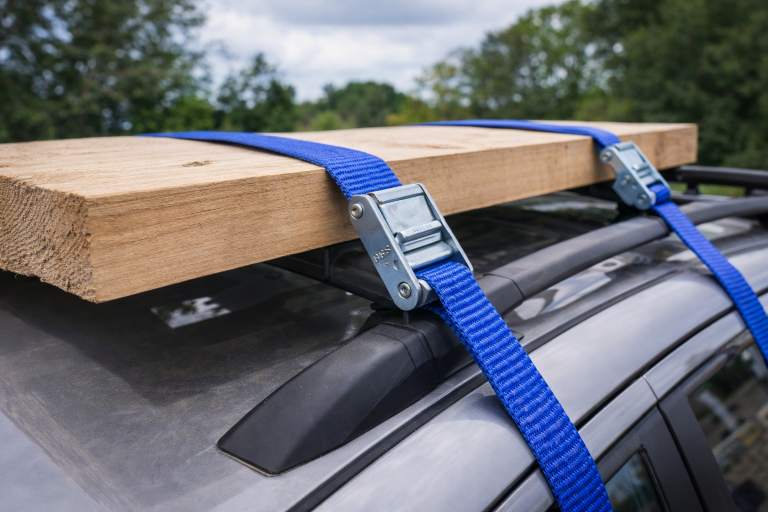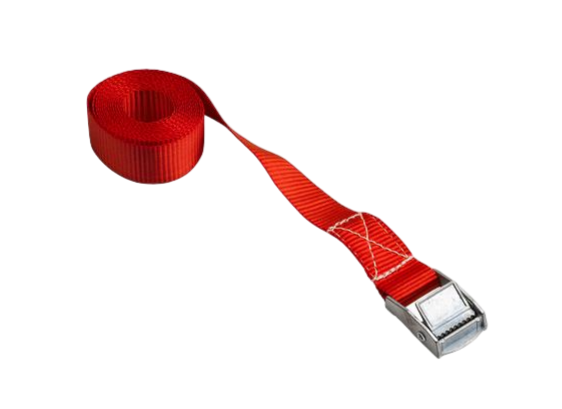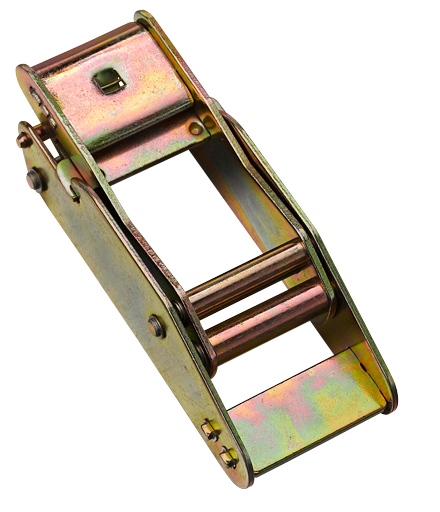
Many kayakers use ratchet straps to secure their kayaks when moving them, but safety concerns exist. If the straps are pulled too tight, the kayak may warp, turn white in spots, or even make squeaking noises. Kayakers choose ratchet straps because they are sturdy, durable, and easy to use. Proper use can prevent damage and ensure a safe trip. Top brands like Yakima and Thule remain popular, while BAOYING is also known for its high-quality straps.
Key Takeaways
- You can use ratchet straps to secure your kayak. Never pull them too tight, as this can damage the hull. Check that the straps are tight enough. The straps should secure the kayak without deforming the hull. You can also try using cam straps for a softer grip. Cam straps help prevent dents or bends. Always check your kayak and straps before you go. This helps ensure safety and prevent damage. When moving the kayak, using bow and stern ropes can increase support. This is especially important for long trips.
Ratchet Straps for Kayak Transport
Advantages and Disadvantages
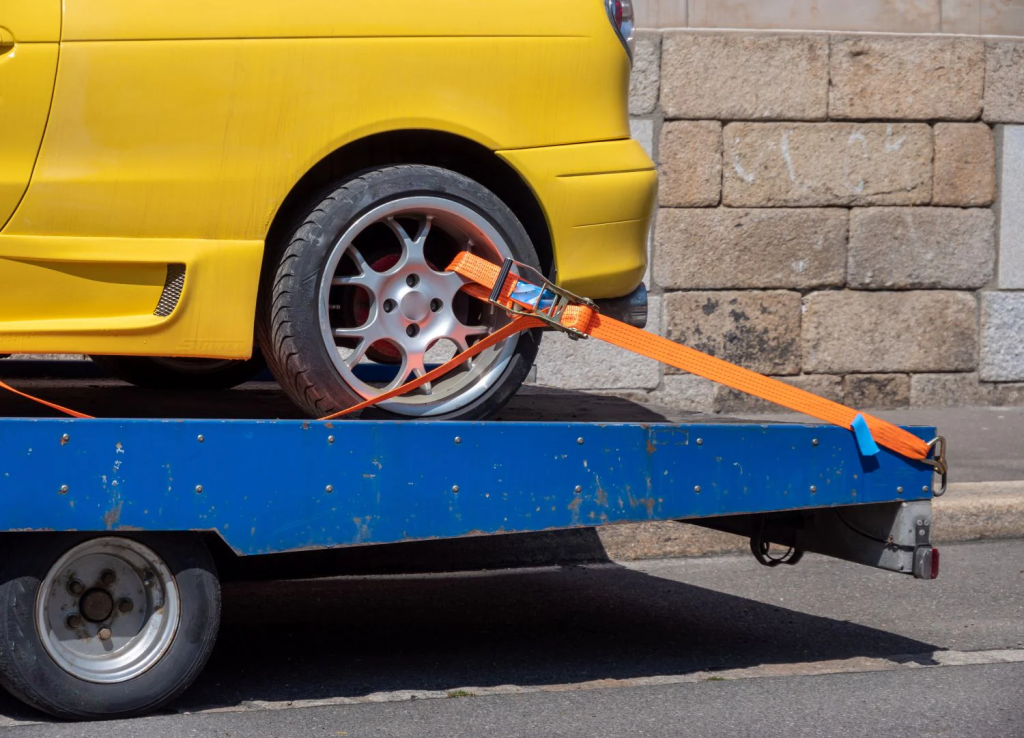
Many kayak enthusiasts choose ratchet straps when they need to secure their kayaks. These straps provide strong hold and keep the kayak stable during transport. People like them because they are easy to use and adjust. Ratchet straps are suitable for a variety of vehicle and frame types. They are ideal for long-distance touring and rough terrain.
However, there are a few things to consider before using ratchet straps. Some kayaks have soft hulls made of plastic, Kevlar, or carbon fiber. These materials can be damaged if the straps are too tight. The hull may bend or crack when kayakers apply too much force. Experts recommend that the straps be tightened moderately, preventing the kayak from shifting without altering the shape of the hull. An effective way to check this is to reach under the strap and feel for some resistance.
Baoying provides high-quality kayak and other cargo securing solutions. Their straps use strong webbing and robust hardware. Baoying products meet stringent quality standards and hold certifications such as ISO 9001, CE, and GS. These certifications demonstrate that these binding straps are safe and reliable for kayak transport. Many kayaking enthusiasts trust Baoying products precisely because of these characteristics.
Risks of Over-Tightening
Over-tightening ratchet straps can cause serious problems for kayaks. When the straps are under excessive pressure, dents or flattened areas may appear on the hull, a phenomenon known as the “tank effect.” This reduces the kayak’s strength, making it more difficult to paddle. In some cases, the pressure on the straps can lead to stress cracks, especially on kayaks made of Kevlar or carbon fiber.
Paddlers should avoid using excessive force when securing their kayaks. The goal is to secure the kayak without altering its shape. If the hull bends or makes unusual noises, the straps may be too tight. Using the appropriate tightness helps protect the kayak and ensures safe transport.
BAOYING straps help paddlers avoid these risks. The company’s products are designed for stability and durability, and each strap undergoes rigorous quality testing. By choosing BAOYING, paddlers can rest assured that their kayaks will be securely and safely secured to their vehicles during transport without being damaged by over-tightening.
Using Ratchet Straps Safely
Step-by-Step Guide
Transporting a kayak using ratchet straps requires extra care. Following the correct steps helps prevent damage and ensures the kayak is safe during transport. Here’s a simple guide to help paddlers use the straps safely:
- Place the kayak on a roof rack or trailer. Ensure the kayak is positioned stably and doesn’t wobble.
- Thread one end of each strap or rope through a safety loop or handle near the cockpit. This step helps prevent slippage.
- Wrap the straps back around the crossbar. Tighten the straps until the kayak feels secure, but don’t let the hull bend or deform.
- Secure any excess rope or strap with a half knot. Wrap it back around the roof rack for added security.
- Use separate bow and stern ropes as spares. These ropes help maintain the kayak’s stability, especially on long trips or windy days.
- Check the strap tightness. The kayak should not move, but the hull should maintain its shape. If you hear squeaking or see dents, loosen the straps.
Tip: Always double-check the straps before setting off. A quick check can prevent problems during transport.
BAOYING provides the binding solutions needed for safe transport. Their products undergo rigorous quality control and meet international standards. Paddlers can also customize products to their specific needs. This attention to detail helps secure the boat and prevent damage.
Common Mistakes
Many paddlers make some simple mistakes when using ratchet straps to transport kayaks. Avoiding these mistakes can ensure the safety of your kayak and extend its lifespan.
- Using elastic cord instead of proper tie-down straps. Elastic cords do not provide stable tension and can easily cause the kayak to shift.
- Overstretching the ratchet strap. Excessive force can damage or deform the hull. Some kayaks may develop dents or cracks if the tie-down strap is pulled too hard.
- Ignoring the tie-down straps at the bow and stern. These straps add stability and help secure the boat during sudden stops or turns.
- Placing the kayak directly on the roof of a vehicle without any padding. Doing so will scratch the roof surface and cause long-term damage.
Pulling the ratchet strap too tightly will damage the kayak. The hull may bend or deform. Certain materials, such as plastic or carbon fiber, are more susceptible to this. Paddlers should always inspect the kayak after tightening the straps. If the hull looks different or feels soft, loosen the straps.
Alternatives to Ratchet Straps
Cam Straps Overview
Many experts recommend using cam straps instead of ratchet straps for kayak transport. Cam straps feature a simple buckle design, allowing paddlers to tighten them by hand. This design provides a gentler hold, helping to protect the hull from dents or deformation. Unlike ratchet straps, cam straps do not apply excessive pressure. Therefore, they are a safer option, ensuring kayak safety without causing damage.
BAOYING offers cam straps that combine strength and gentle tension. These straps use durable webbing and a reliable buckle system. BAOYING’s cam straps meet stringent quality standards and are internationally certified. Paddlers can rely on these straps to ensure the safety of their kayaks during transport. The company also offers customization options to meet different needs, making it easy to find the right strap for any trip.
Note: Cam straps are easy to use and adjust. They help paddlers avoid over-tightening, a common problem with other strapping methods.
Other Securing Methods
Paddlers can use several other methods to securely fasten their kayaks. Recent expert reviews highlight the following best practices:
- Use bow and stern straps for enhanced safety during transport.
- Twist the straps to prevent them from billowing in the wind.
- Consider using a ladder to assist with securing.
- Purchase locking straps for added security.
- Always double-check the straps before setting off.
BAOYING’s product line includes a variety of securing solutions, such as center-buckle straps and boat straps. Each product balances durability and ease of use. Whether choosing cam-type straps or other methods, these products help paddlers protect their kayaks and ensure a safe journey.
Kayak Transport Tips
Protecting the Hull
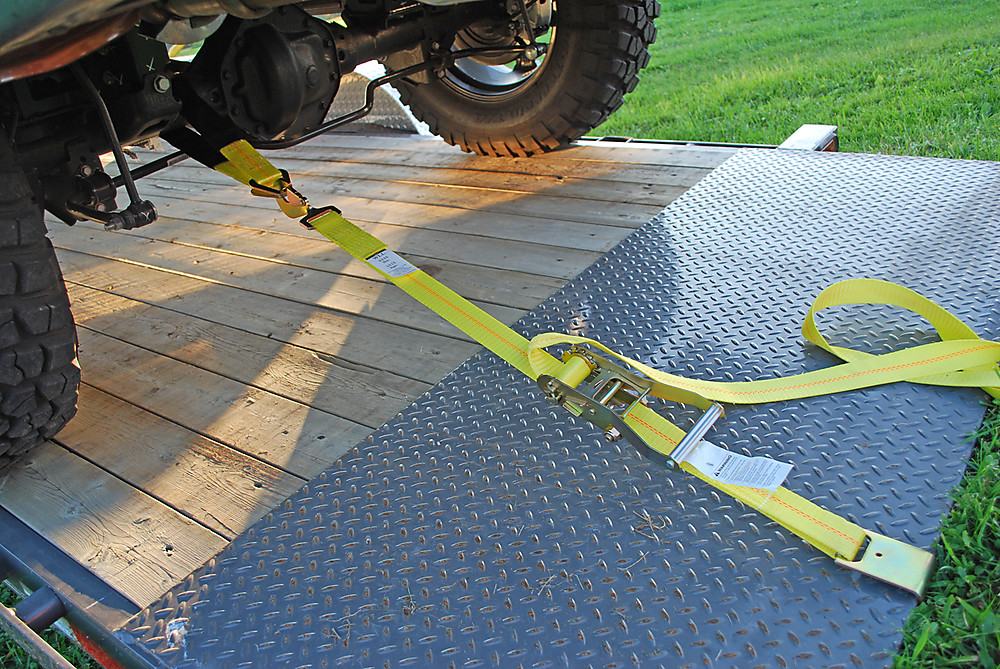
When transporting kayaks, paddlers must protect the hull from dents and scratches. Many choose to use kayak racks, such as J-racks or saddle racks, as these provide both safety and cushioning. Foam blocks also help provide adequate support during transport. Some paddlers use blankets or towels to cover the kayak and vehicle, but these methods offer less protection. Temporary padding or inflatable poles can be secured to the vehicle to provide a secure anchor point for the kayak. Keel protectors can prevent the hull from being abraded by ramps and shorelines. Before transporting the kayak, paddlers should place it on a sturdy roof rack or kayak rack. This step prevents the hull from bending or deforming. BAOYING’s boat lashings work well with these protective materials to help paddlers transport their kayaks safely and securely.
Tip: Always check the padding before placing the kayak on the roof rack. Proper support ensures the kayak remains in good condition.
Check the straps for tightness
Checking the straps for tightness is crucial when transporting a kayak. Paddlers will inspect the roof rack and straps for signs of wear, rust, or damage. They will also check anchor points such as handles and bow loops for damage. During long trips, paddlers will periodically check the tightness of the kayak straps. After traveling a few miles, material may sink, requiring adjustment of the straps. Paddlers will test the kayak’s stability by shaking the vehicle to see if it moves. Lifting the bow and stern helps confirm the kayak can withstand the lift, indicating the straps are secure. Straps may loosen due to vibration or temperature changes, so checking them every 1-2 hours ensures the kayak’s safety. BAOYING’s boat straps are reliable, allowing you to transport your kayak with ease and peace of mind.
Choosing the optimal kayak anchoring method ensures its safety during transport. Ratchet straps provide a secure hold, suitable for long trips, but excessive tension can damage the hull. Cam straps offer greater security and are suitable for both short and long trips. BAOYING manufactures sturdy and durable straps to ensure kayak safety.
| Feature | Importance |
|---|---|
| Durable Materials | Needed for safety and to last a long time. |
| Weight Distribution | Good balance helps the kayak stay steady. |
| Secure Tiedown Options | Keeps kayaks safe and stops them from getting damaged. |
FAQ
Are ratchet straps suitable for all types of kayaks?
Ratchet straps are suitable for most kayaks, but some softer or lighter models may be damaged if the straps are too tight. Always check the hull after securing the kayak.
How tight should the straps be when transporting a kayak?
The straps should secure the kayak firmly. The hull should not bend or make noise. If you can reach under the straps and feel some resistance, the straps are properly tightened.
What is the best way to protect the kayak during transport?
Using padding such as foam blocks or supports helps protect the hull. Secure the kayak with appropriate tethers and check the straps frequently during transport.
Are bow and stern ropes necessary?
Bow and stern ropes increase safety. They help prevent the kayak from moving or lifting during sudden stops or strong winds.
Can elastic cord be used instead of straps?
Elastic cord does not provide sufficient tension and safety. They can stretch, which may cause the kayak to move. For safe transport, always use appropriate straps.