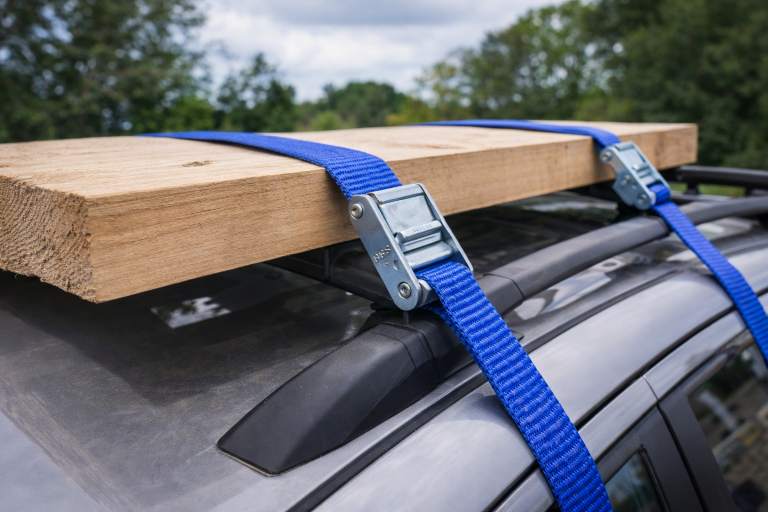
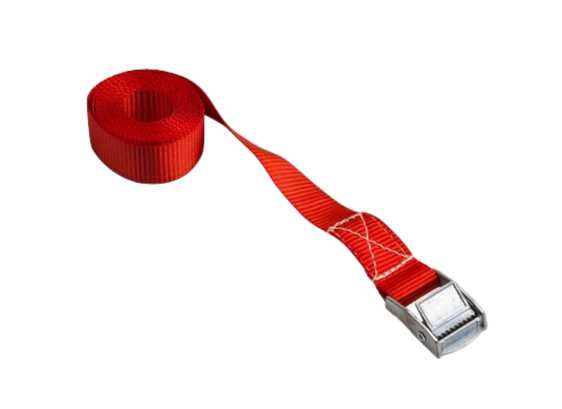
Storing a properly means rolling it tightly and locking the roll with the cam buckle itself, so no separate tie or bag is needed. A tidy roll keeps the webbing free of tangles and kinks, protects the buckle from knocks, and leaves the strap ready for the next load.
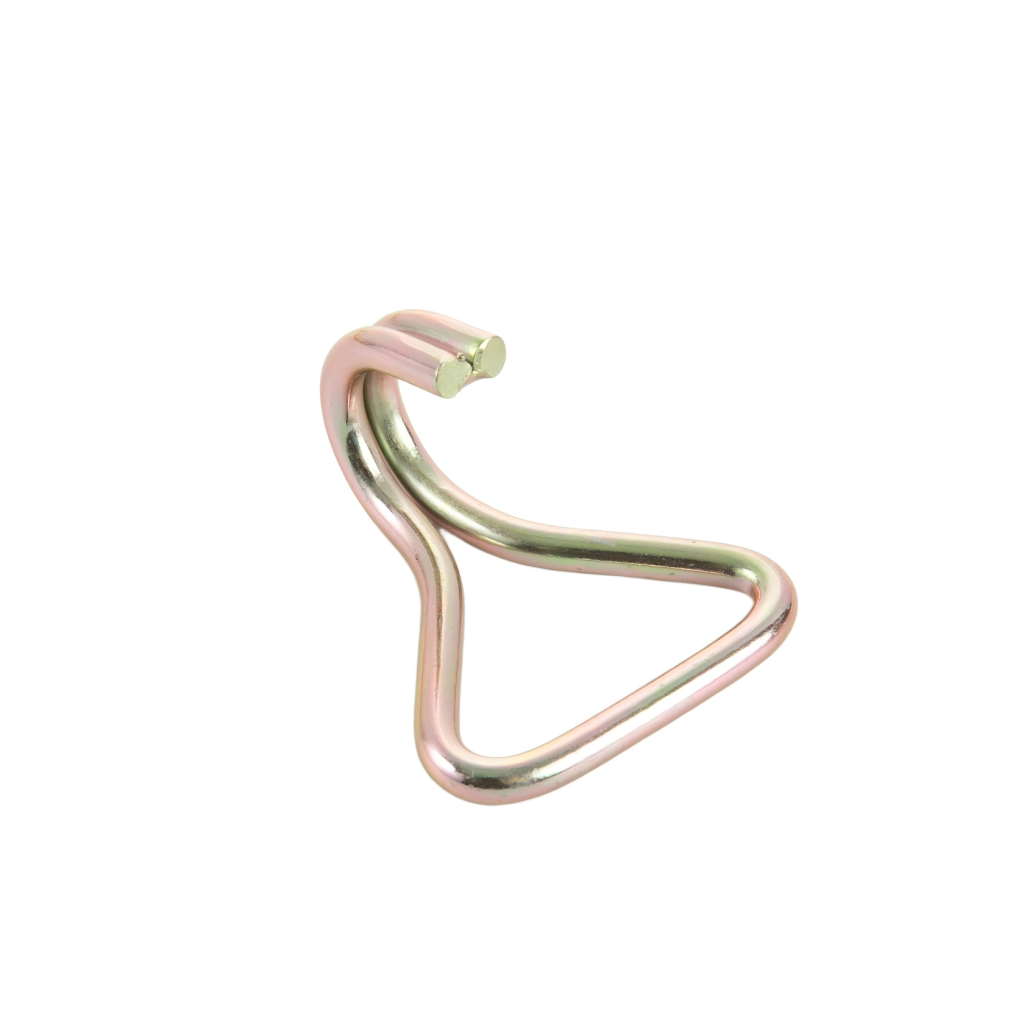
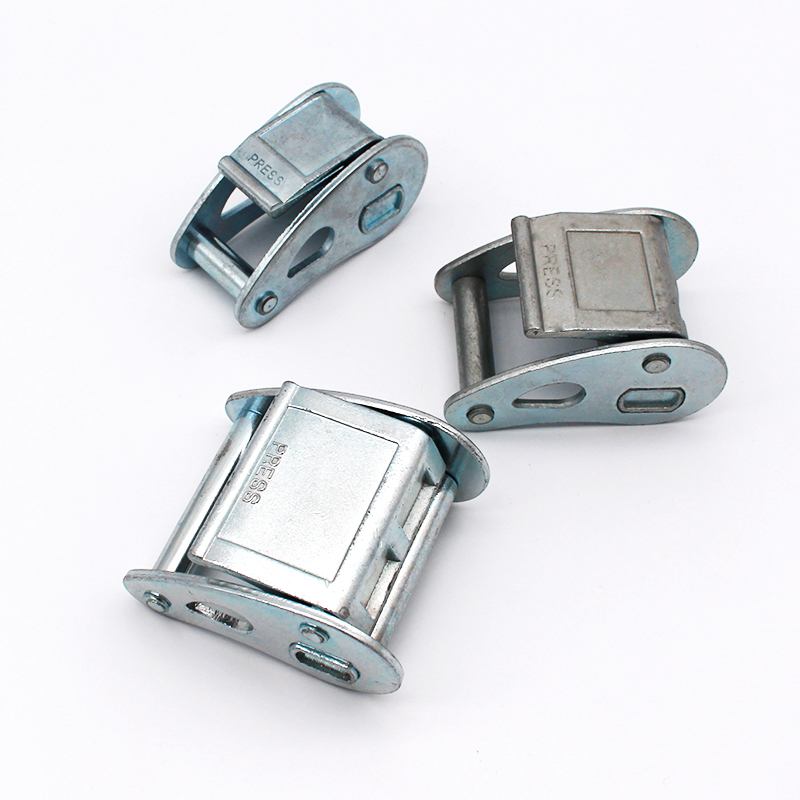
Nbby1’s cam buckle straps take this further, with cam buckle and ratchet straps, hook fittings, and over center buckles rated from 500 to 10,000 lbs working load limit and finished with zinc anti corrosion coating.Follow the steps below to roll and lock a cam buckle tie down strap correctly, from winding the webbing to tensioning the final wrap.
Key Takeaways
- Roll the strap tightly and secure it with the cam buckle to prevent tangles and damage.
- Store straps in a dry, shaded place away from moisture, chemicals, and sunlight to protect the webbing.
- For daily use, hang the strap loosely instead of rolling it to save time and prevent kinks.
Roll and Secure a Cam Buckle
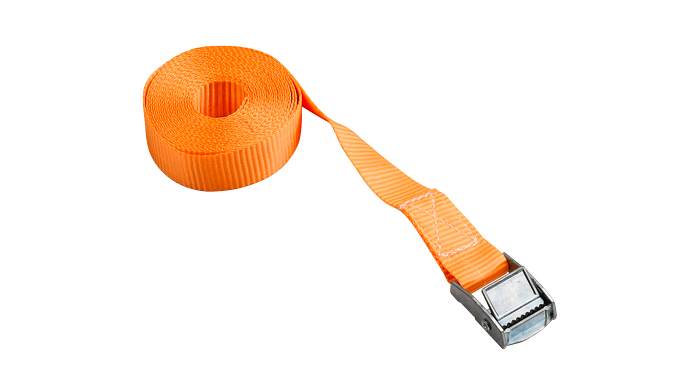
A cam buckle strap stores well when the strap holds itself. The buckle acts as the tie, so no separate strap keeper is needed. The process takes under a minute once the habit forms.
Thread, Roll, Wrap, Cinch
Four steps complete the job. Each one builds on the last, and the order matters.
- Thread the strap tail through the buckle. Pass the free end through the cam opening from the bottom side.
- Leave a tail long enough to wrap. The tail should reach around the finished roll at least once.
- Roll the strap tightly. Start from the anchored end and keep the webbing flat and even as the roll grows.
- Wrap the tail around the roll and cinch it through the cam buckle. Pull the tail snug so the wrap grips the coil.
A tight roll protects the webbing. Loose coils rub against each other in storage, and abrasion weakens the fabric over time. A firm roll also keeps the strap compact, which matters when several straps share one bin or hook.
Lock the Cam Buckle Roll
The final cinch does more than hold the shape. Slide the tail back through the bottom of the cam buckle, and the cam lever presses the webbing against the frame. This locks the rolled strap in place and prevents tangling. The strap stays coiled until someone releases the cam and pulls the tail free.
Daily-use straps deserve a different approach. A strap that comes out every morning loses time when it sits in a tight roll. Hang it from a peg or lay it loose in a crate instead. The cam buckle hangs at the top, and the strap drops straight down without kinks. Loose storage also lets the webbing air out between jobs.
Check the roll before putting the strap away. Twists trapped inside a coil set into the webbing and cause the strap to run crooked on the next load. Unroll a twisted strap, smooth the webbing, and start again. A clean roll now saves a fight later.
Storage Conditions and Alternatives
Keep Straps Dry and Protected
Moisture and chemicals shorten the life of any webbing strap. Store cam buckle straps in a dry cabinet, bin, or shelf where humidity stays low. Damp storage invites mildew, and mildew stains weaken polyester fibers over time.
Keep straps away from solvents, oils, and sharp objects. A solvent spill can degrade the webbing, and a sharp edge in the same drawer can nick the fibers. Direct sunlight also takes a toll. Ultraviolet light breaks down polyester, so a shaded shelf beats a sunny windowsill. A simple covered bin solves all three problems at once.
Threading and Marking Straps
Small straps disappear in busy shops. Thread shorter straps onto a longer strap, and the group stays together as one bundle. The long strap acts as a carrier, and each short strap slides on and off without a search.
Marking prevents mix-ups. A strip of tape or a written tag identifies length, working load, and owner. Crews that share straps across trucks or job sites benefit most from clear labels. A tagged strap returns to the right bin, and a lost buckle becomes easy to spot.
For buyers who need volume, BAOYING manufactures cam buckle straps and other tie down straps with ODM/OEM options. The factory supports custom webbing color, logo printing, length, and width for wholesale and supplier programs. These options suit distributors who want consistent labeling across a product line.
The method stays simple: roll the strap tight, wrap the tail, and cinch it through the cam buckle. Stored this way, straps stay organized, the webbing stays protected, and buckles stay attached. Store each strap this way right after use, and the next job starts without a tangle.
FAQ
How does a rolled cam buckle strap stay tangle-free?
A tight roll keeps the webbing flat and the buckle locked. The cam lever grips the tail, so the coil cannot loosen in a bin or bag. The strap unrolls clean on the next job.
Can a cam buckle strap hang in storage for months?
Yes. Hanging keeps the webbing straight and lets air circulate. A dry, shaded hook protects the strap from moisture and sunlight. Check the roll for twists before the strap goes back into service.
How do crews keep multiple cam buckle straps organized?
Thread short straps onto one long carrier strap, then tag each one with tape or a label. Clear marking helps a supplier or warehouse team match straps to the right truck or load.