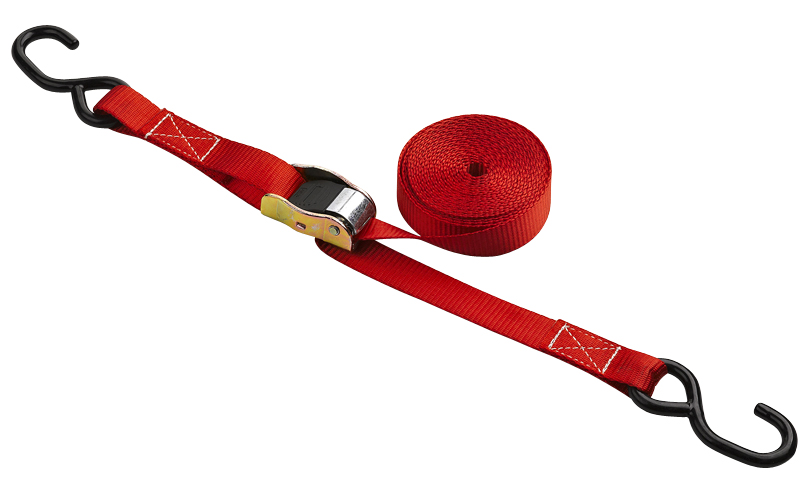
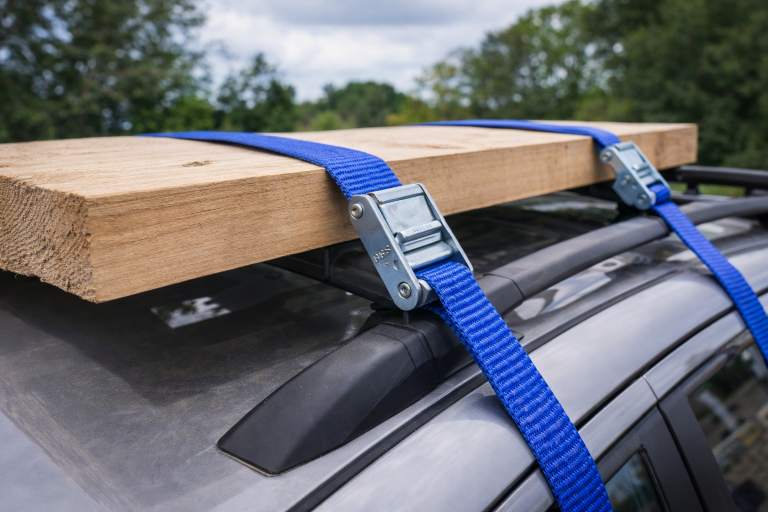
Cam buckle straps tighten when a person threads the webbing through the cam buckle, pulls it tight by hand, and secures the loose end. Imagine securing a kayak to a roof rack or a ladder to a truck bed. These cam straps hold cargo firm on bumpy roads. Learning how to use cam buckle straps properly keeps loads safe. A standard cam buckle strap works well for roof racks, truck beds, and trailers. Endless loop versions bundle lumber or pipes. E-track versions fit van and trailer systems. Each step matters for secure transport. Always double-check the lock before driving away.
Key Takeaways
- Choose the right cam buckle strap for your load. Check the working load limit. Never exceed it.
- Inspect your straps before each use. Look for wear, cuts, or rust. Replace damaged straps immediately.
- Thread the webbing through the cam buckle correctly. Pull it tight by hand. Make sure the cam locks.
- Secure the loose tail after tightening. This prevents snags and keeps the strap tight.
- Release the cam buckle slowly. Push the lever and pull the webbing out gently. This prevents injury and damage.
Choose the Right Cam Buckle Straps
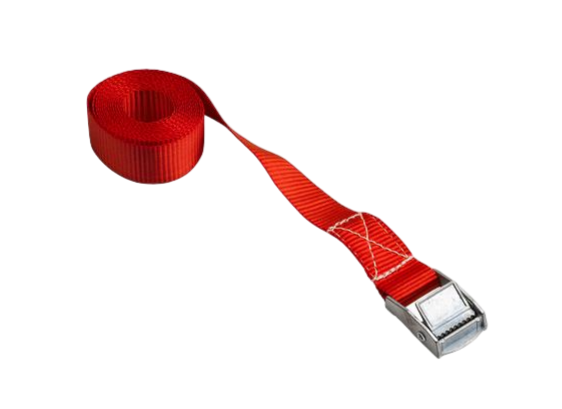
Picking the right gear starts with knowing what your load needs. BAOYING makes tie-down straps from strong polyester webbing and zinc-plated hardware. Different cam buckle straps work for different jobs. These straps resist wear, salt spray, and shaking. Their working load limits go from 500 to 1,500 lbs. Picking the right strap for each job helps stop accidents.
Before you buy, compare strap types for your load.
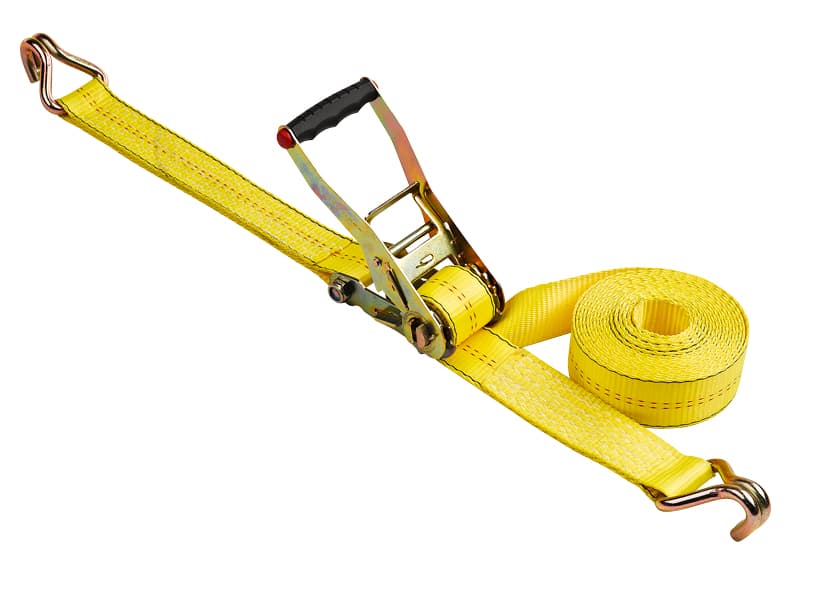
| Feature | Cam Buckle Straps | Ratchet Straps |
|---|---|---|
| Typical Working Load | 500 to 1,500 lbs | 1,500 to 3,300 lbs |
| Tensioning Method | Pull by hand only | Geared ratchet handle |
| Speed of Use | Very fast | Moderate |
| Best For | Light vehicles, ATVs, motorcycles | Cars, trucks, heavy equipment |
| Re-Tightening Mid-Trip | Pull again by hand | Easy crank to tighten |
| Ease for Beginners | Very easy | Easy after a few uses |
Check the Working Load Limit
Every tie-down has a rated working load limit. Cam buckle straps usually hold loads from 500 to 1,500 lbs. Ratchet straps can handle heavier loads. A user needs to match the strap’s strength to the cargo weight.
Think about several things when choosing. Load weight tells you if cam buckle or ratchet straps are best. Cam buckle tie-downs give a snug fit for delicate gear. Many users like cam buckle straps because they are easy to use. Weather resistance keeps cam straps reliable when wet. Always check the maximum load and lashing capacity of cam buckle straps.
Never go over the Working Load Limit (WLL). Breaking strength is tested in perfect lab conditions. In real life, movement, slight angles, or small wear can cause failure below the rated breaking strength. Going over the WLL always causes damage and risks a bad crash.
Overloading puts too much strain on straps. They could snap while moving. This puts cargo and other drivers at risk.
Inspect Your Cam Buckle Strap
Check your strap before each use to catch problems early. Regular checks of cam buckle straps stop failures. Look for these signs of damage:
- Fraying, cuts, or tears in the webbing
- Burned spots or broken stitching
- UV damage that makes the webbing brittle
- Rust on the buckle or bent, cracked hooks
- Buckle that does not move smoothly or lock tight
Check at every anchor point where the strap connects. Attach the strap to each anchor point correctly. Dirt or debris can stop it from locking well. Replace any worn parts right away.
The FMCSA says to recheck within the first 50 miles. This good practice works for all users. Clean these cam straps after each use. Store them dry. Good care makes cam buckle straps last longer. High-quality cam buckle straps from a manufacturer stay usable for years.
How to Operate the Cam Buckle
Learning how to operate the cam buckle takes just a few minutes. The process involves anchoring, threading, and locking the webbing. Each step builds on the last one. A person who understands the mechanics can secure cargo quickly and safely.
Anchor the First End Securely
The first step is to anchor one end of the strap. A secure anchor point keeps the load from shifting during transport. The anchor point must be strong enough to hold the cargo weight. Good anchor points include metal D-rings, truck bed rails, and roof rack bars. A person should wrap the webbing completely around the anchor point when using an endless loop strap. This creates a firm hold that will not slip.
For straps with hooks, the process differs slightly. The user attaches the hook of the short end to an anchor point first. The hook must sit flat against the surface. A twisted hook can weaken the connection. Two anchor point attachments create a balanced hold when the strap runs across the cargo. Each anchor point should be inspected for sharp edges. Sharp edges can cut the webbing over time. Corner protectors help prevent this damage.
Thread the Strap Through the Cam Buckle
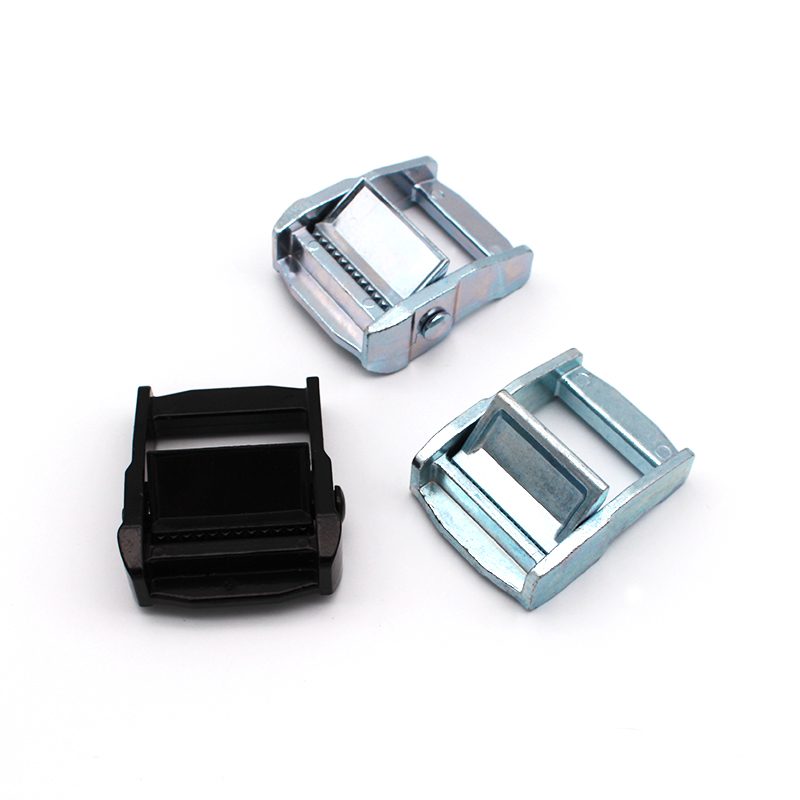
Threading the webbing correctly ensures the cam buckle straps lock tight. The cam wheel rotates when the strap is pulled. Its teeth bite into the webbing, so greater pull increases grip. A person can thread cam tie down buckles with these steps:
- Hold the cam buckle with one hand. Push the tab lever to create a gap between the metal rolling cam and the buckle frame.
- Insert the tail of the webbing into the gap. Feed the cam buckle from the bottom up through the buckle slot.
- Pull the tail of the webbing through the buckle until the strap is snug.
- Release the lever. The cam mechanism engages and locks the webbing in place.
- Give the strap a gentle tug to confirm it holds. Re-tighten if it slips.
A person who wants to know how to use cam buckle straps well should practice this motion. The key is to push the tab on the cam while feeding the webbing. This prevents the teeth from biting too early. Careless threading can cause jams and damage the strap. A user should thread cam buckle with steady tension. Loose threading wastes time and reduces grip.
For hook-end cam buckle straps, the process changes. The user attaches the hook of the short end to an anchor point first. Then the long end goes through the cam buckle. This creates two anchor point attachments that share the load. Two anchor point attachments also keep the cargo centered. The cam buckles on these straps work the same way. A person presses the lever, feeds the webbing, and releases the lever to lock it.
After threading, the user pulls the free end to tighten. The cam holds the webbing secure. A quick check confirms the lock is engaged. The strap should not move when pulled. If it slips, the user repeats the threading process. Proper technique makes cam straps reliable for any job.
Tighten and Lock the Strap
Tightening a cam buckle strap takes seconds. The cam buckle holds the webbing secure while the user pulls the free end. This simple action creates the tension that keeps cargo in place.
Pull the Webbing Firmly
A user grips the loose tail and pulls it away from the buckle. The cam mechanism bites down on the webbing with each pull. This allows the strap to tighten but not loosen. The user should pull until the cargo is snug against the anchor points.
Maximum tightness requires firm pressure. A weak pull leaves slack in the system. Slack allows cargo to shift during transport. The user should pull the strap tight with steady, even force. The cam must be fully engaged for the lock to hold.
Webbing tension affects load stability in several ways. The table below shows key factors.
| Factor | Effect on Tension | Impact on Stability |
|---|---|---|
| Elongation | Strap stretches under load | Moderate stretch absorbs shocks; too much creates slack |
| Recovery | Strap returns to original tension | Good recovery retakes tension after shifts |
| Creep | Gradual tension loss over time | Poor creep resistance causes loosening during long trips |
| Strap Width | Distributes force across surface | Wider straps spread tension evenly for heavier loads |
After tightening, the user checks the cam buckle is locked. A firm tug on the strap confirms engagement. The cam lock should hold tight with no slipping. If the webbing slides, the user re-threads and tightens again.
Secure the Loose Tail
The loose tail needs attention after tightening. An unsecured tail can whip in the wind. It may catch on moving parts or drag on the ground. A loose tail also risks snagging and releasing the tension.
Unsecured items create serious safety risks. Loose cargo can injure drivers, passengers, and pedestrians. Items may fall off the vehicle and cause accidents. Shifting loads can damage the vehicle itself. Failing to secure cargo can result in fines or legal action. Loose cargo can spill hazardous materials and cause environmental damage.
The user should tie off or clip the excess webbing. Many cam buckle straps include a loop or clip for this purpose. Folding the tail and securing it with a rubber band works well. The goal is to keep the tail from moving freely.
A final check confirms the strap is snug and not twisted. Twisted webbing weakens the strap and reduces grip. The user runs a hand along the strap to feel for twists. The strap should lie flat against the cargo and anchor points.
The user then confirms the strap is snug and secure. A quick tug on the cargo tests the hold. The load should not move when pushed. If movement occurs, the user tightens the cam straps again.
Proper tension management keeps loads stable. Webbing absorbs energy during sudden force spikes like braking. This controlled compliance reduces peak forces on hardware. The key insight is that webbing strength lies in energy management, not just static capacity.
Cam buckle straps work best when users respect these steps. Pull tight by hand, check the lock, and secure the tail. These habits keep cargo safe on every trip.
Release the Cam Buckle Strap
Releasing tension is the opposite of tightening. A calm, steady method keeps the operator and cargo safe. The process takes just a moment when a person follows the right steps.
Depress the Lever Safely
The operator pushes the button or lever on the cam buckle. This action lifts the cam and releases the webbing. A two‑hand method works best here. One hand fully presses and holds the release lever so the cam stays open. The other hand pulls the webbing slowly out of the buckle slots.
Pushing the release lever lifts the cam, which lets go of the webbing. This removes the clamping force so the strap can be adjusted or taken off.
Safety comes first during this step. The operator should lower any cargo‑caused tension before pressing the buckle. Releasing a strap that still holds heavy working‑load tension can make it snap back quickly. A slow, controlled release prevents injury and protects nearby gear. Before letting go, the operator checks that the load is stable and will not shift once tension drops. These cam buckle straps hold tight under load, so a slow release keeps everything safe.
Unthread Without Damage
After the cam opens, the operator pulls the free end back through the buckle until the webbing is fully loose. Taking the webbing back out is simple. It also helps prevent damage to the strap. Keeping the cam open while pulling the strap out stops the teeth from scratching the strap surface.
Longer cam straps need a little extra care. The operator coils the webbing as it comes out. This step prevents tangles and avoids fraying or weakening of the material. A neat coil also makes the next use faster. The operator then checks the webbing for cuts or wear before storing it. Good habits like these keep cam buckle straps ready for the next job and make them last longer.
Use Cam Buckle Straps Safely
Cam buckle straps keep cargo safe when you use them the right way. These straps are not made for very heavy loads or for lifting things overhead. You must pick a strap that is strong enough for your cargo. Check your strap before each use to find hidden damage. The best safety tips include checking the webbing, the hardware, and the lock.
Avoid Overloading and Twists
Overloading a strap creates serious dangers. The working load limit shows the most force a strap can safely hold. Going over this limit puts too much strain on the webbing and buckle. A strap that breaks during travel can cause crashes. You must respect the rated capacity printed on every strap.
Tests have shown that many twists (like 10 twists) can lower a strap’s working load limit rating by up to 18%. Knots can also cut working load limit ratings by more than 50% of the safe working load limit rating when you secure cargo. To avoid this, make sure the webbing is flat and has no twists before you secure your cargo.
Twists make a strap much weaker. The table below shows common causes and their effects.
| Cause of Webbing Twist / Damage | How It Reduces Strap Effectiveness |
|---|---|
| Threading twisted webbing into the ratchet spool mandrel (often from rushing setup) | Creates one high-stress point along a single edge instead of spreading load evenly across the full width; this edge loading can cut effective strap strength by up to 50%. |
| Tying knots in webbing (to shorten length or attach to an anchor) | Makes tight bends that crush synthetic fibers under tension; a knot in industrial polyester webbing can permanently reduce overall strength by 30%–50%, even after you remove the knot. |
You should always run a hand along the strap to feel for twists. The webbing must sit flat against the cargo and anchor points. A twisted strap cannot hold the load safely.
Reliable manufacturers follow strict quality standards. BAOYING holds ISO 9001, CE, and GS certifications. These credentials prove the factory meets recognized safety and performance benchmarks. The certifications show the product was made under audited quality control. For buyers sourcing cam buckle straps in bulk, certification is the fastest way to lower risk with a supplier. BAOYING also offers ODM/OEM customization for clients who need specific webbing colors, logo printing, or hardware shapes.
Store and Maintain Your Straps
Proper care makes cam buckle tie-downs last longer. You should clean and store straps after each use. These steps work well for routine maintenance, especially after contact with salt water or chemicals:
- Soak the cam buckle straps in warm water mixed with mild soap for about 15 minutes; do not boil them or use very hot water because it can damage synthetic fibers.
- Scrub the webbing gently with a soft nylon brush or small toothbrush, working along the weave to remove dirt without snagging threads.
- Pay special attention to metal spring buckles: rinse them with clean water and scrub stubborn dirt from galvanized surfaces so the springs move smoothly and do not jam.
- Rinse well with clean water to remove all soap residue and leftover salt, since soap left behind can attract new dirt and make moving parts jam.
- Air dry the straps completely away from heat and UV rays; do not use radiators, clothes dryers, or strong sunlight, and keep them away from open flames.
- Lubricate metal buckle springs with a dry, waterproof, dirt-repelling lubricant such as Metolius Cam Lube; avoid oil-based lubricants like WD40 because they attract and hold dirt.
- Store the straps in a cool, dry, dark place, away from bright sunlight, and check them often for wear or damage.
You should never use harsh chemicals, bleach, or household cleaners on cam straps. These substances weaken synthetic fibers and leave harmful residue. Machine washing also damages polyester fibers and hardware. Hand washing with mild detergent and lukewarm water is the safe method.
Clean cam straps right away after contact with deep mud or salt water. Salt, sun, and heavy loads speed up damage. If you follow these steps, you will use cam buckle straps safely for many trips.
Proper technique makes cam buckle straps reliable for any job. A user picks the right strap for the load, anchors one end, threads the webbing through the buckle, pulls it tight, and secures the loose tail. A final tug confirms the cam lock holds firm.
Safety basics matter on every trip. Respect the working load limit printed on the strap. Inspect the webbing and hardware before each use. Replace worn gear right away.
People who use cam buckle straps with care protect their cargo and everyone on the road. Good habits take only a moment. They pay off with safe, worry-free transport every time.
FAQ
How tight should a cam buckle strap be?
A person pulls the webbing by hand until the cargo sits snug against the anchor points. The cam locks with each pull. Firm, even pressure works best. A quick tug confirms the hold. The strap should not slide or loosen after tightening.
Can cam buckle straps handle heavy loads?
Cam buckle straps typically hold 500 to 1,500 lbs. Ratchet straps handle heavier cargo. A user matches the strap’s working load limit to the load weight. Going over the limit risks strap failure. Heavy equipment needs a stronger option.
Why do twists weaken a strap?
Twists create one high-stress point along a single edge. Tests show ten twists can lower the working load limit by up to 18%. Knots cut strength by 30% to 50%. A user runs a hand along the webbing to check for twists before securing cargo.
How often should a person inspect cam buckle straps?
Check the strap before each use. Look for fraying, cuts, burned spots, rust, or a buckle that will not lock. Replace worn parts right away. The FMCSA recommends rechecking within the first 50 miles of a trip.
What happens if a cam buckle strap gets overloaded?
Overloading strains the webbing and buckle beyond safe limits. The strap may snap during travel. A broken strap can cause crashes and injure people. Users must respect the rated capacity printed on every strap.