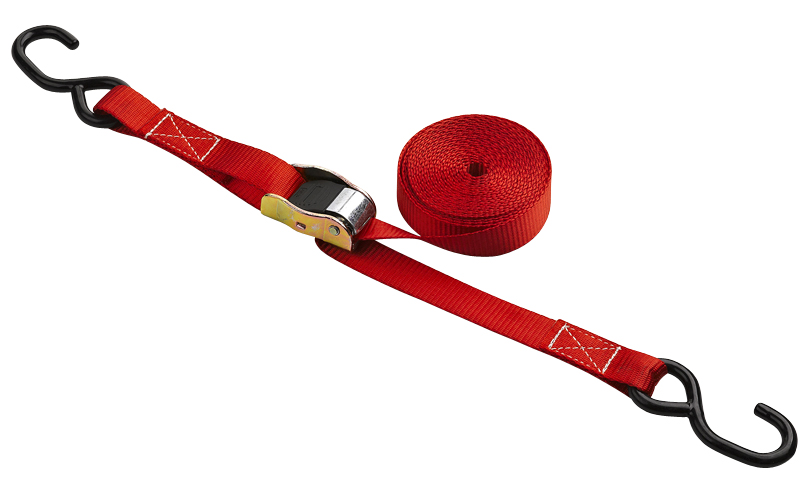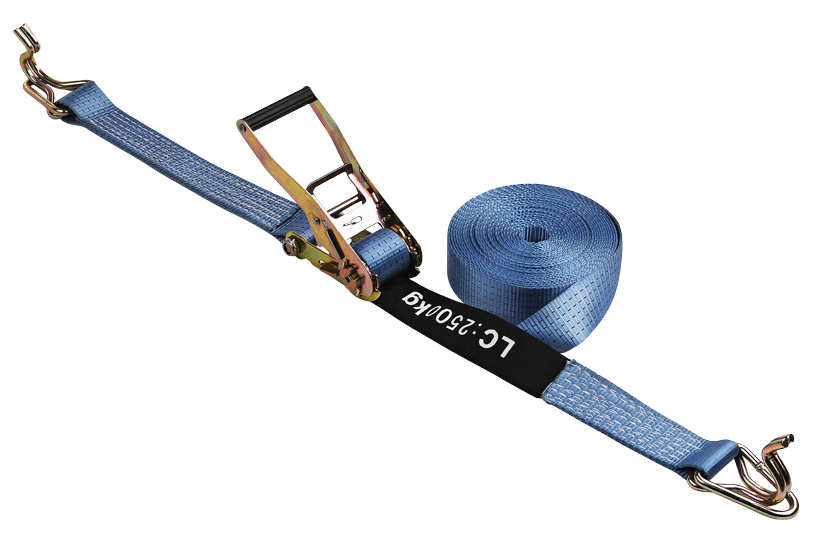
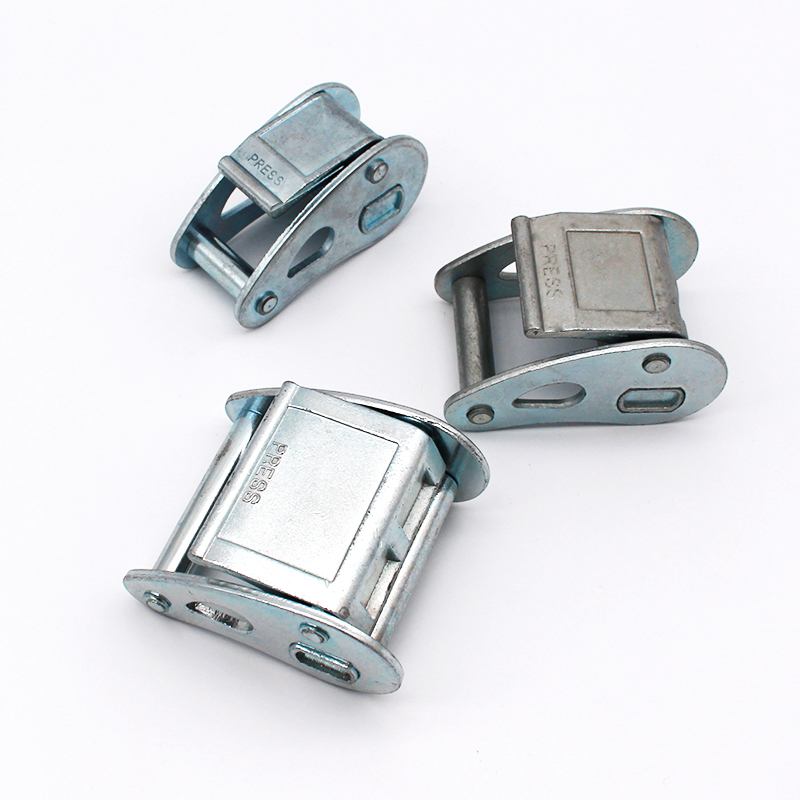
Cam buckles provide a quick and secure fixation for items. This tool firmly secures straps, ensuring your cargo or equipment remains stable. BAOYING, a well-known manufacturer, produces durable and versatile cam buckles suitable for both indoor and outdoor use. Cam buckles are easy to use and effectively prevent items from shifting.
Key Takeaways
- Cam buckles are simple to use, securely fasten items, and help you move them quickly, making them ideal for travel and outdoor activities.
- When using cam buckle straps, always check their load capacity. This ensures your safety and prevents damage to your items.
- Cam buckles prevent you from over-tightening the straps. You can control the tightness by hand to ensure your items are secure.
- Inspect the cam buckle straps before each use. Ensure they look good and are securely fastened.
- Choose cam buckle straps for securing lighter items or when quick fixation is needed. For very heavy items, use ratchet straps.
What is a cam buckle?
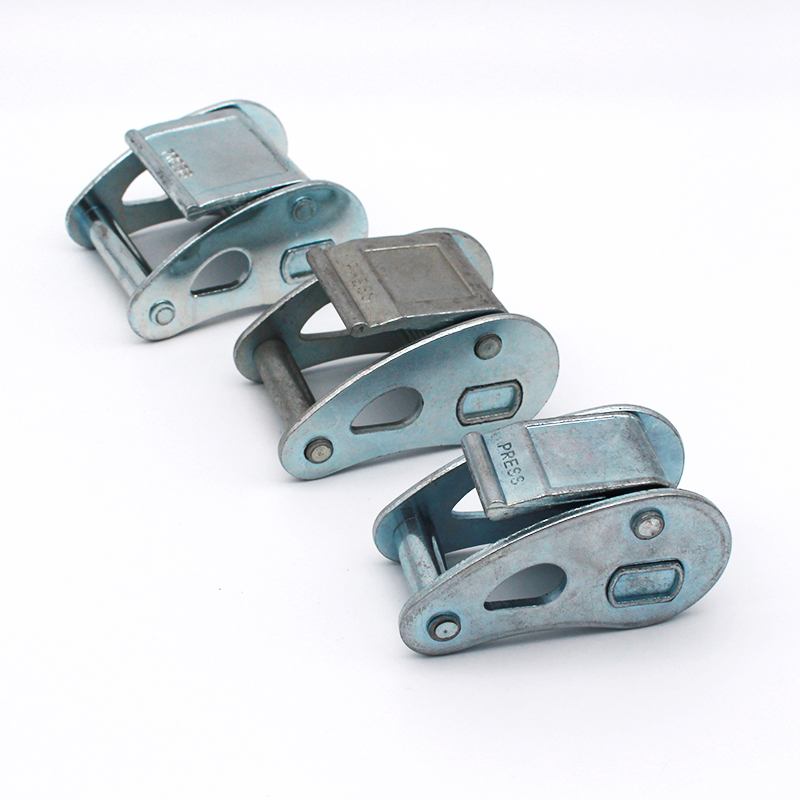
Cam Buckle Definition
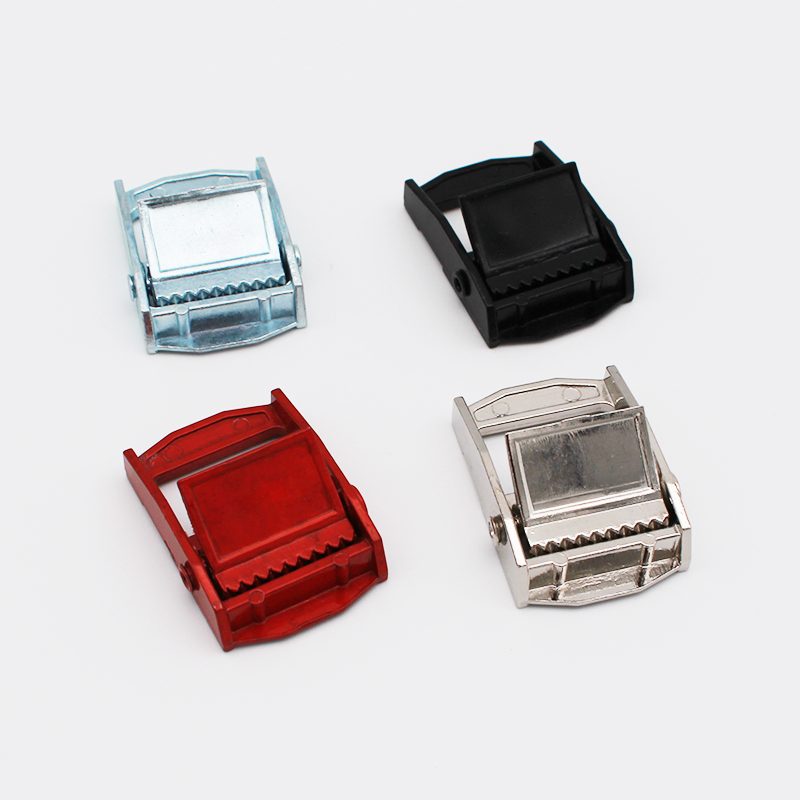
A cam buckle is a simple device that helps tighten and secure straps. Many workers and outdoor enthusiasts use cam buckle straps to prevent items from shifting during transport or storage. A cam buckle has a small, toothed lever that engages the webbing when someone pulls the strap. This design makes manual adjustment of tightness very convenient.
The main components of a cam buckle system include:
- Webbing: This sturdy strap, typically made of polyester, is used to securely hold a load.
- Cam Buckle: The main component, using the lever and teeth to lock the webbing into place.
- Hooks or end fittings: These fittings attach the strap to a fixed point on a vehicle or equipment.
Baoying manufactures cam buckles to high standards. They use materials such as zinc and stainless steel, which are rust-resistant and durable. Their factory follows ISO-based quality control standards, so every cam buckle meets stringent safety and performance requirements.
Below is a brief overview of commonly used materials for cam buckles:
| Material Type | Advantages | Disadvantages |
|---|---|---|
| Plastic Composite | Lightweight, resists corrosion, affordable | Not as strong as metal |
| Metal | Very strong, handles heat, lasts a long time | Heavier, can cost more |
How Cam Buckles Work
Cam buckles work by utilizing a spring lever. When the spring lever is pressed, the locking teeth open, allowing the webbing to slide in. Releasing the spring lever causes the locking teeth to engage the webbing and secure it firmly. This design prevents the strap from slipping even when the load moves. Cam buckle straps can be tightened quickly and released easily, making them popular in many applications.
Baoying cam buckles feature smooth edges and a reinforced base. These details help prevent damage to the webbing and extend the life of the buckle. People trust cam buckles to secure goods because they are simple, strong, and reliable.
Applications of Cam Buckles
Secure Cargo and Loads
Cam buckles help people quickly and securely fasten items. Workers and outdoor enthusiasts use cam buckle straps to secure lighter loads. They can be used to bundle equipment, secure boxes, and prevent items from shifting. These straps are ideal for securing furniture and small equipment, and also suitable for other goods that require a secure hold. Cam buckle straps have a load-bearing capacity of up to 500 lbs (approximately 227 kg) and a breaking strength of up to 1500 lbs (approximately 680 kg). This means they are suitable for a wide range of uses.
Prowin cam buckles offer many advantages. A sturdy base provides greater support. The buckles remain secure even after repeated use. Smooth edges help prevent webbing wear, extending the strap’s lifespan. Prowin cam buckles are suitable for both indoor and outdoor environments. The zinc and stainless steel construction prevents rust, contributing to a longer lifespan for the buckles.
Common Applications
Cam buckles are used in many jobs and hobbies. Cam buckle straps are widely used in transportation, travel, outdoor activities, and marine applications. Workers prefer cam-buckle lashing straps because they are easy to use and can be tightened by hand. Cam-buckle lashing straps are projected to account for approximately 22.1% of the lashing strap market by 2025. This is due to the increasing demand for their use in leisure and light work.
Cam-buckle lashing straps are widely used in the lashing industry. Manufacturers choose cam-buckle lashing straps for securing equipment because they do not damage goods. These straps are easy to use and secure items firmly.
Some work and marine applications require the use of cam-buckle lashing straps that comply with strict regulations. The following table lists the main regulations for cam-buckle lashing straps in the transportation sector:
| Regulatory Standard | Key Points |
|---|---|
| OSHA | – Only approved tools can be used to hold cargo. – Workers must check tie downs before each use. – Take out gear if it is broken or worn out. |
| DOT | – Straps must show their working load limit. – Tie downs must stop cargo from moving in any direction. – The number of tie downs depends on how heavy and long the cargo is. |
| WSTDA | – Gives rules for testing, labels, and checking how webbing and hardware work. |
The main advantages of cam buckles
Quick and Easy to Use
People love cam buckles because they are incredibly quick to use. The straps can be changed in just seconds using a lever. Workers can pull the strap and lock it with one hand. This helps save time when binding or tying items. You can also easily loosen or remove the straps. These operations can be done without any tools.
The table below explains why cam buckles are so quick and convenient:
| Feature | Cam Buckles |
|---|---|
| Mechanism | Lever mechanism for quick adjustments |
| Release Mechanism | Easy disengagement for fast webbing adjustment |
| Tension Control | Precise control over tension for stability |
| Load Management | Prevents load shifts, ensuring safety |
| Adjustment Speed | Minimal adjustment time required |
Preventing Overtightening
Cam buckles allow users to control the tightness of the strap. The lever design makes it easy to tighten the strap by hand. You can feel the tightness of the strap and stop in time before damaging your items. Ratchet systems can cause straps to become too tight, but cam buckles will not. This ensures the safety of both the strap and the items.
The new cam buckle design prioritizes safety and strength. More robust components help the strap remain durable during use. New regulations require all cam buckles to pass rigorous testing. Factories now produce cam buckles using environmentally friendly methods.
People trust cam buckle straps because they securely hold items without causing compression or deformation. Therefore, cam buckle straps are ideal for moving furniture and outdoor gear. They are also suitable for other items that require gentle yet firm support.
Cam Buckle Straps vs. Ratchet Straps
Key Differences
People choose cam buckle straps and ratchet straps to bind items. They each have their uses. The table below lists their differences:
| Feature | Ratchet Straps | Cam Buckles |
|---|---|---|
| Load Capacity | Higher load capacity for heavy-duty use | Lower load capacity for lighter loads |
| Tightening Mechanism | Ratcheting mechanism for precision | Sliding clamp for quick tightening |
| Ideal Applications | Heavy-duty applications (trucks, vans) | Lighter-duty applications (dirt bikes) |
Ratchet-type lashing straps are best suited for securing large, heavy objects. They utilize a ratchet system, allowing for a tight pull. This aids in moving large items or machinery. Cam-type lashing straps use sliding clips, making adjustment quicker and easier to use. People typically choose cam-type lashing straps for smaller jobs or when quick operations are required.
When to Choose Cam-Type Lashes
Cam-type lashing straps are ideal for situations requiring quick and careful handling. Moving workers use them when they must work quickly. These straps allow for quick binding of items without tools. Cam-type lashing straps help protect fragile items. You can manually control the tightness of the straps to avoid overtightening and damaging goods.
Baoying cam-type lashing straps are suitable for light to medium-weight operations. Their design allows you to control the tightness of the straps yourself. This makes them ideal for use with boxes, bicycles, or outdoor gear. Cam-type lashing straps can save loading and unloading time. People trust these straps for many everyday tasks. They are the best choice when you need to quickly and safely bind items.
Using a cam buckle
Step-by-step guide
A cam buckle makes it easy to secure items with straps. The tightening mechanism allows for quick and safe fastening. Follow these steps to use a cam buckle correctly:
- Thread the webbing through the open slot in the cam buckle. Make sure the webbing lies flat and does not twist.
- Wrap the strap around your cargo or through the anchor point. Loop end cam straps work well for this step.
- Pull the free end of the strap to remove slack. Adjust the tension by hand until the strap feels snug but not overly tight.
- Release the lever on the cam buckle to lock the strap in place. The buckle will grip the webbing and hold it securely.
- To release, press the lever or tab on the cam buckle. This action loosens the strap and allows you to remove it.
Safety tips
Proper use and care of cam straps help prevent accidents and extend their life. Here are some important safety tips:
- Inspect straps before each use. Look for frayed webbing, cracks, or signs of mold and mildew.
- Wear gloves when tightening or releasing straps to protect your hands from abrasion.
- Use corner protectors to shield straps from sharp edges that could cause cuts or tears.
- Store straps in a clean, dry place away from direct sunlight and moisture. This prevents UV damage and rot.
- Coil straps neatly and use a rubber band or velcro tie for storage.
- Lubricate moving parts of the cam buckle if needed to keep the mechanism working smoothly.
- Never overload straps beyond their working load limit.
Baoying cam buckles feature smooth edges and a reinforced base, helping to reduce webbing wear and making operation easier. Regular inspection and proper storage ensure your cam buckles and straps are always in optimal condition and ready for use.
Experts say that cam buckles are easy and reliable to use, making them essential for handling fragile goods. Baoying cam buckles help people quickly and securely secure items. These straps distribute pressure and prevent items from shifting. The quick-release mechanism allows you to easily tighten or loosen the straps. Cam buckles are less likely to cause straps to become too tight, making them ideal for light loads. The table below lists the reasons why workers choose cam buckles to secure goods:
| Reason for Choosing Cam Buckles | Description |
|---|---|
| Efficiency | Cam straps can make work up to 30% faster. |
| Versatility | Good for carrying camping gear and luggage. |
| Enhanced Security Features | Cam buckles make loads up to 30% more secure. |
FAQ
What are the main differences between cam buckles and ratchet straps?
Cam buckles use manual force to tighten the strap. Ratchet straps use a mechanical ratchet to provide additional tension. Cam buckles are best suited for light loads. Ratchet straps are suitable for heavy-duty work.
Can cam buckles be used outdoors?
Yes. Zinc or stainless steel cam buckles are rust-resistant. They are ideal for outdoor environments such as camping, boating, or construction sites. Cam buckles provide reliable performance in rain or sun.
What is the load-bearing capacity of cam buckle straps?
Most cam buckle straps have a load-bearing capacity of up to 500 lbs (approximately 227 kg). The breaking strength can reach 1500 lbs (approximately 688 kg). Always check the load limit on the label before use.
How to care for cam buckle straps?
- Store the straps in a dry place.
- Inspect for damage before each use.
- Remove dirt and moisture.
- After use, neatly roll up the straps.