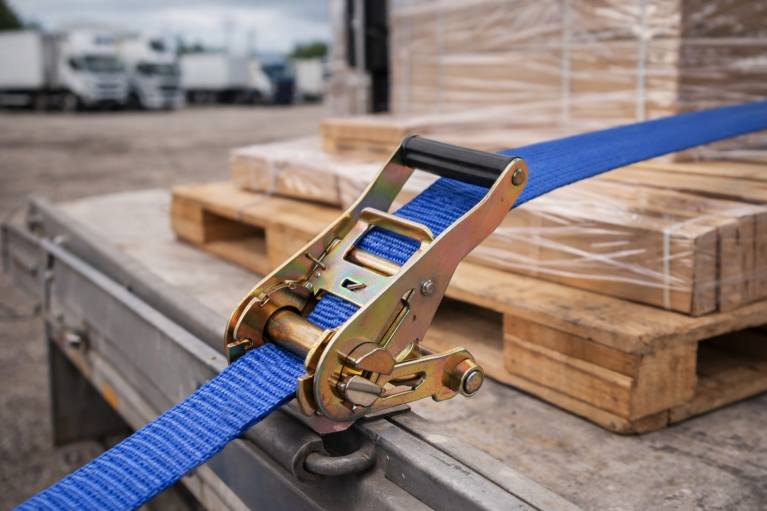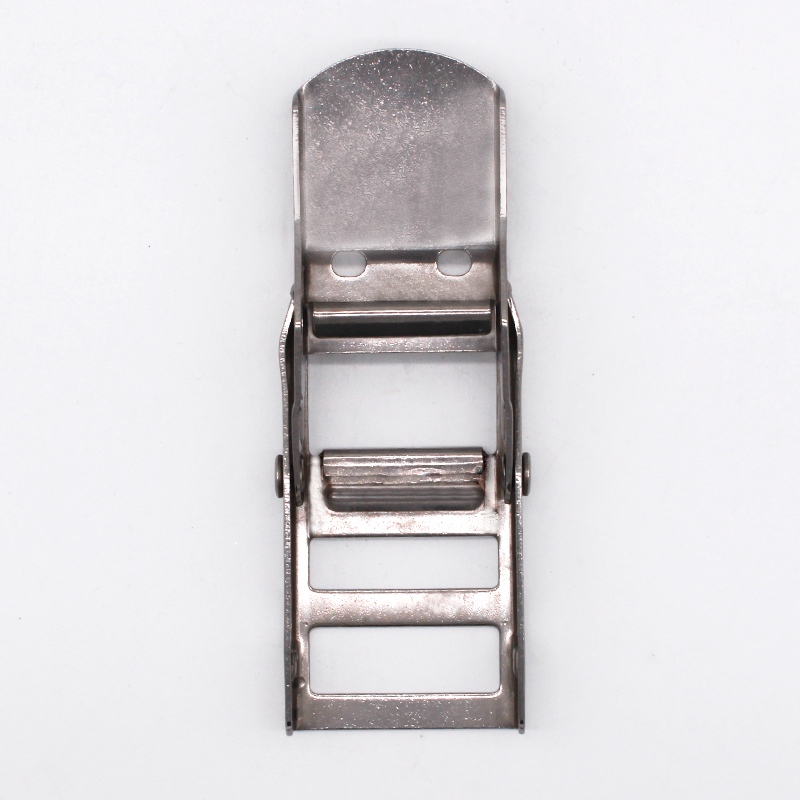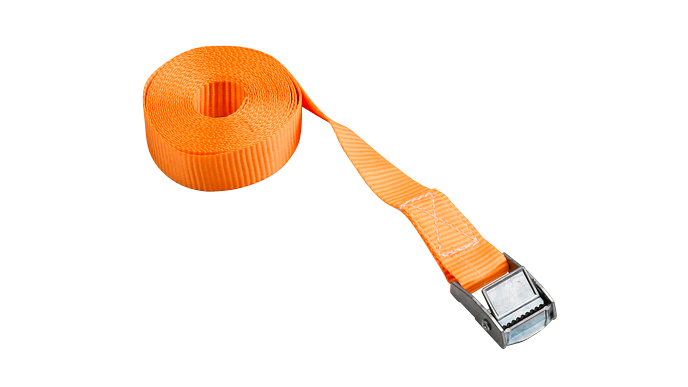
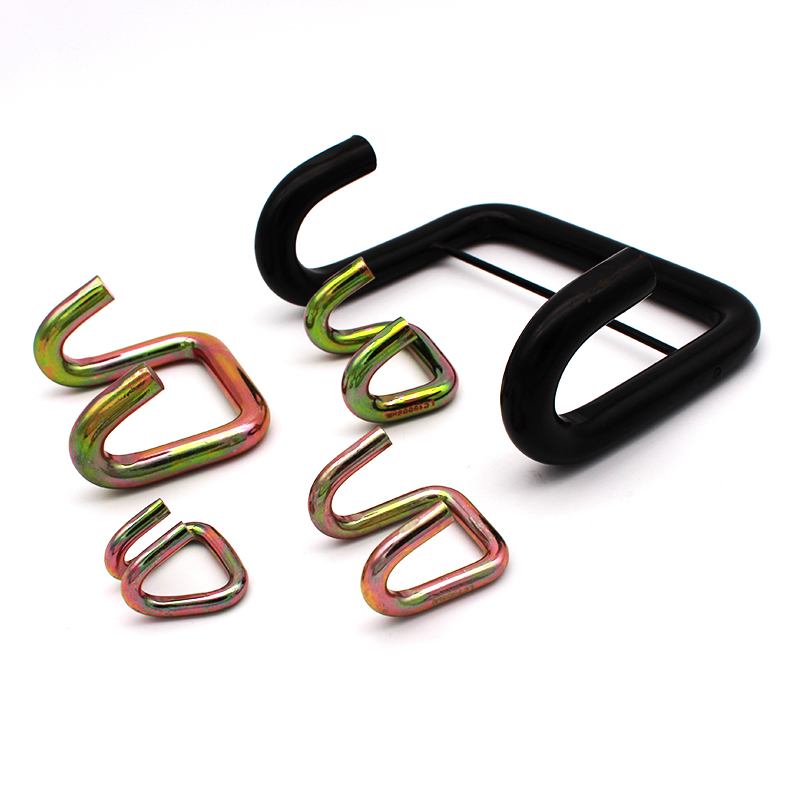
A hook is an important part of a tie-down strap system. It connects the strap to an anchor point on a truck, trailer, vehicle, or other support structure. A strong hook helps keep cargo stable during transport.
You should never continue using a damaged hook without checking it first. Dirt, light rust, or a dry swivel may only need basic maintenance. Cracks, bending, or heavy corrosion mean that the hook may have lost its strength and should be replaced. This guide explains how to inspect, maintain, and replace a hook safely.
Key Takeaways
- Release all strap tension before checking a hook.
- Begin with mild cleaning methods before using stronger products.
- Never weld, heat, hammer, or force a damaged hook back into shape.
- Replace a hook when its original shape or load strength is uncertain.
How should you inspect a hook before repair?
Identify the hook type and condition
Different hooks have different shapes and connection methods. A Double J Hook may fit a specific anchor rail. A Flat J Hook may work better with a flat anchor point. A Swivel J Hook can rotate during installation. A hook with a keeper can help reduce accidental release.
First, you should identify the hook type, strap width, and Working Load Limit. This information shows whether the hook matches the current tie-down system. You can then compare the damaged hook with a new hook of the same model. A difference in shape, opening size, or metal thickness may show that the hook has been overloaded.
Check for cracks and broken metal
You should inspect the hook under bright light. Look closely at the opening, throat, connecting hole, welds, and areas that touch the anchor point. Small cracks can grow quickly when the hook carries a heavy load.
A hook with a crack, broken section, or visible split should be removed from service immediately. Surface scratches may not always affect performance. However, a deep groove near a high-stress area can become a serious weak point.
Look for bending, rust, and wear
A safe hook should keep its original shape. A bent or stretched hook may have a wider opening, a twisted body, or a throat that no longer sits correctly on the anchor point. You should never force the hook back into shape.
Rust also needs careful inspection. Light surface rust may be cleaned. Deep pits, flaking metal, and thin sections usually show structural damage. You should also check the contact area between the hook and anchor point. Heavy wear may allow the hook to move or slip under load.
The following signs can help you decide whether basic maintenance is suitable:
| Hook condition | Recommended action |
|---|---|
| Dirt, mud, or oil | Clean and dry the hook |
| Light surface rust | Remove it gently and inspect again |
| Stiff swivel | Clean it and use a suitable lubricant |
| Missing keeper | Install the correct replacement part |
| Crack, heavy corrosion, or bending | Replace the hook |

How can you repair a hook safely?
Clean dirt and oil from the hook
Dirt can hide cracks and prevent the hook from connecting correctly. You can use warm water, mild dish soap, and a soft brush to remove mud, dust, and oil. A soft plastic brush works well around a keeper or swivel.
Avoid strong acids, harsh solvents, and high-speed power tools. These products may damage the protective coating or remove too much metal. Power tools can also create heat and weaken the surface of the hook.
After cleaning, rinse the hook and dry it completely. Water left inside a joint can cause new rust. You should also clean the anchor point because dirt and sand may stop the hook from sitting fully in place.
Remove light surface rust
You can usually treat light rust with a suitable rust cleaner or fine abrasive pad. Work slowly and remove only the loose surface layer. Heavy sanding can reduce the thickness of the hook.
After treatment, wipe the hook clean and let it dry completely. If the hook material allows it, you can apply a thin protective coating. The coating should not make the hook slippery on the anchor point. It should also stay away from the strap webbing.
If rust has created deep pits, sharp edges, or thin metal, cleaning cannot restore the original strength. In this case, you should replace the hook.
Maintain the keeper or swivel
A keeper should close completely and return to its normal position. If dirt causes the keeper to stick, you can clean the moving area and check the spring or connection. A damaged keeper should only be replaced with a manufacturer-approved part of the same size.
A Swivel J Hook should turn smoothly without large gaps or unusual looseness. A small amount of approved lubricant may help when dirt or dryness causes resistance. Wipe away extra lubricant because it can attract dust and affect the grip of nearby parts.
When should you replace a hook?
Replace hooks with structural damage
A hook with a crack, broken weld, heavy corrosion, serious wear, or permanent deformation should not be repaired at home. Welding, heating, hammering, or straightening can change the internal structure of the metal. The hook may look normal afterward but still fail under load.
You should also replace a hook after a strong impact, overload, or transport accident. A hook with an unknown Working Load Limit, material, or service history should not remain in use.
Choose a matching replacement hook
The replacement hook should match the strap width, connection method, and Working Load Limit. Unless the manufacturer gives different instructions, a one-inch strap should use a compatible one-inch hook.
The hook shape must also match the application. Swan J Hooks, U Hooks, S Hooks, and RAVE Hooks may connect to anchor points in different ways. A hook with a keeper may provide better retention in a high-vibration environment. A Swivel J Hook may be useful when the strap changes direction during installation.
Check the connection after repair or replacement
You should first check the connection without cargo pressure. The hook should sit fully on the anchor point, and the keeper should close correctly. The strap should remain flat. It should not twist or rub against a sharp edge.
After the first inspection, apply load according to the manufacturer’s instructions. During transport, look for looseness, unusual noise, movement, or new deformation. If any warning sign appears, stop the vehicle and inspect the hook again.
FAQ
Can a bent hook be repaired? A bent hook should normally be replaced. Forcing it back into shape may reduce its load-bearing strength.
Can a rusty hook still be used? A hook with light surface rust may be cleaned. Deep corrosion, pitting, or thin metal means that replacement is necessary.
How often should you inspect a hook? You should inspect the hook before every use. A closer inspection is also needed after heavy loading, impact, or long-term storage.
Regular inspection, correct cleaning, and timely replacement help keep a hook reliable. Basic maintenance can protect sound hardware. It cannot restore a hook that has already lost its original strength.