Proper use of cam-buckle straps ensures cargo safety. Approximately 89% of cargo accidents are caused by improper use of strapping systems. BAOYING is a trusted brand known for its excellent quality and wide range of applications. Choosing the right straps and using them correctly is crucial for cargo safety.
Key Takeaways
- Before each use, inspect the cam-buckle straps for damage. Check for wear, cuts, or discoloration to ensure safety.
- Always check the straps’ working load limit. Never exceed this limit to prevent breakage and accidents.
- Pass the webbing correctly through the cam buckle. Ensure the webbing is flat and straight for a secure hold.
- Store the straps in a dry, dark place. This helps prevent rust and mold, extending the straps’ lifespan.
- Choose the appropriate straps for your cargo. Use cam-buckle straps for light to medium-weight cargo and ratchet straps for heavier items.
Safety of Cam-Buckle Straps
Design and Mechanism
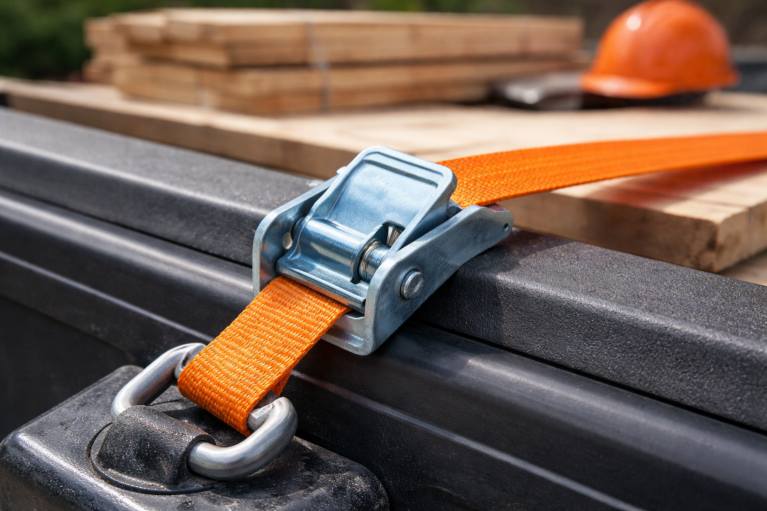
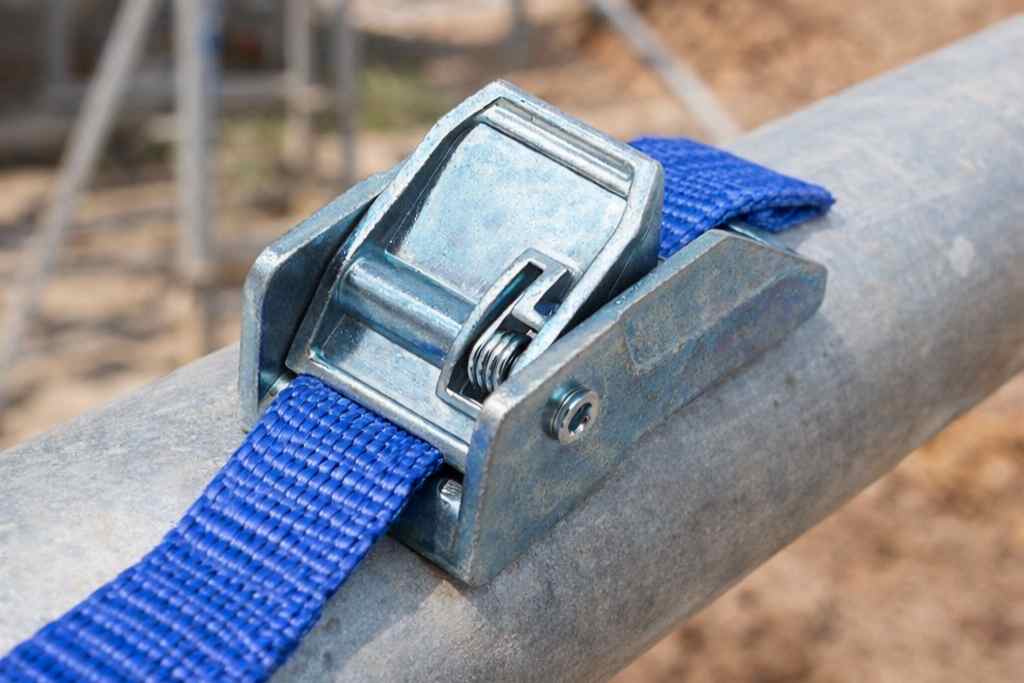
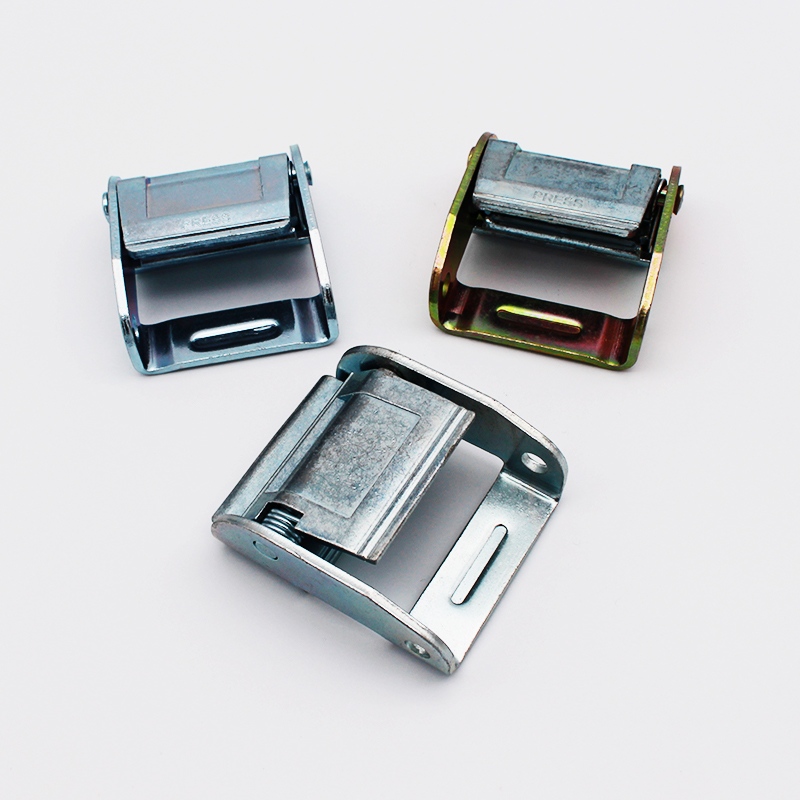
The Baoying Cam Buckle Lacing uses a clever design to effectively ensure the safe and secure hold of goods. Its core component is the cam buckle. The teeth or ridges on this buckle firmly secure the webbing. When the lacing is tightened, the cam rotates, and the teeth engage the webbing, forming a one-way lock. Even if the goods shake or move, the lacing will not slip.
The operation of the cam buckle lacing is very simple:
- Thread the webbing through the cam buckle.
- Tighten the webbing.
- An internal spring pushes the teeth downwards, locking the lacing.
This system is superior to simple sliding adjusters, maintaining the stability of the lacing even under heavy loads or on bumpy surfaces. Furthermore, this design allows you to manually adjust the tightness of the lacing, preventing over-tightening and damage to the goods.
The Baoying Cam Buckle Lacing is made of strong and durable materials, and the buckle is die-cast from zinc alloy. This metal will not rust and performs well in all weather conditions. The webbing is made of high-strength polyester fiber, making the strap strong, durable, and resistant to stretching and deformation. A special coating protects the watch strap from sunlight, rain, and chemicals. The table below lists how each material extends the lifespan of the watch strap:
| Material Type | Effect on Durability |
|---|---|
| High-tenacity polyester | Gives strength and keeps the strap from stretching, so it works well in many conditions. |
| Specialized coating | Makes the strap stronger against sun, water, and chemicals. |
| Treated metal components | Stops rust and keeps the buckle working well in all weather. |
Baoying conducts quality inspections on every cam-buckle binding strap. Each strap is tested to ensure superior quality. Custom binding straps are also available. Baoying allows you to choose webbing colors, binding strap lengths, and end fittings. This means everyone can find binding straps that suit their needs.
Typical Applications
Cam-buckle binding straps are versatile. These straps are suitable for both work and leisure. Some common uses include:
- Securing goods during transportation
- Shipping and logistics operations
- Automotive-related work, such as securing items inside trucks or cars
- Marine-related work, such as securing equipment on board
- Outdoor activities, such as moving kayaks or bicycles
Baoying cam-buckle binding straps help ensure the safety of moving motorcycles, kayaks, and furniture. They are also suitable for camping, boating, and other outdoor trips. These binding straps come in different lengths and with different hooks. This means they are suitable for a variety of types of goods and vehicles.
Cam-buckle binding straps are ideal for users who need to quickly and securely bind goods. Baoying prioritizes quality and offers a wide range of options, allowing users to rely on these binding straps for various occasions.
Factors Affecting the Safety of Cam-Loop Ties
Ticket Condition
The condition of cam-loop ties is crucial to safety. Users should inspect the tie before each use. Worn webbing, cuts, burns, discoloration, or mold will weaken the tie’s strength. Damaged cam-loop tie may break during transport, causing goods to shift, fall, or even cause accidents. Regular inspection and maintenance help extend the lifespan of cam-loop tie. With proper care, these tie can last one to five years. High-intensity use or harsh environments may require more frequent replacement.
Tip: Always check for signs of wear. Replace any damaged tie. This is one of the most important safety tips for ensuring safe transport.
Baoying uses high-quality polyester webbing and zinc alloy die-cast buckles. Their rigorous quality control ensures that every tie meets high standards. This helps users rely on these tie to ensure the safe and secure transport of goods.
Working Load Limit
Each cam-loop tie has a working load limit. This value indicates the maximum weight the tie can safely withstand. Never exceed this limit. Overloading can cause straps to break or buckles to fail. Keeping the load within the working load limit is crucial for safety.
| Strap Width | Typical Working Load Limit | Common Uses |
|---|---|---|
| 1 inch | 200-400 lbs | Bikes, small furniture |
| 1.5 inch | 400-800 lbs | Kayaks, motorcycles |
| 2 inch | 800-1,500 lbs | Larger cargo, equipment |
Baoying prints the working load limit on each strap. This helps users select the appropriate strap according to their operational needs. Adhering to the load limit is crucial for properly securing goods.
Proper Threading
Proper threading of the cam buckle straps is essential for safety. The webbing must be threaded through the cam buckle correctly. Incorrect threading can cause the strap to slip or loosen. Misalignment or the use of weak anchor points can lead to dangerous situations. Always secure the strap to a strong and stable anchor point.
Regularly checking the cam buckle and straps prevents malfunctions. Baoying’s cam buckle straps are designed for easy proper threading. This reduces errors and improves safety.
Environmental Considerations
Environment affects the performance of cam buckle straps. Humid environments can cause metal parts to rust. Temperature changes weaken the webbing’s strength. High humidity accelerates corrosion, especially on metal parts. Moisture can also cause polyester webbing to mold. Cam buckle straps should be stored in a dry place. Avoid prolonged exposure to sunlight or rain. Using edge protectors or pads can protect the straps from sharp edges and rough surfaces.
Baoying uses treated metal and coated webbing to enhance their weather resistance and chemical resistance. This helps extend the straps’ lifespan and maintain performance even in harsh conditions.
Maintaining cam buckle straps in good condition and using them correctly ensures the safety of your goods. Following these steps will help ensure the safety of every shipment.
Safe Use of Cam Buckle Straps
Step-by-Step Guide
Anyone can use cam-buckle lashing straps as long as they follow the correct steps. These straps effectively secure goods and make the lashing system easy to use. Here’s a simple guide:
- Before use, check the cam-buckle lashing strap for signs of wear or damage.
- Check its working load limit to ensure it matches the weight of the goods.
- Wrap the lashing strap around or over the goods.
- Thread the webbing through the open end of the cam buckle.
- Tighten the webbing to eliminate slack, but do not overtighten.
- Give the lashing strap a gentle pull to ensure it is secure.
- For fragile items, a soft cord extension or protective layer can be added between the lashing strap and the goods.
- To loosen the lashing strap, hold the strap behind the buckle, press the release button, and wait for it to loosen before removing it.
Common Mistakes
People sometimes make mistakes when using cam-buckle lashing straps. These mistakes can affect safety and the stability of the goods.
- Choosing a strap length that doesn’t match the cargo dimensions.
- Overstretching the straps can damage both the straps and the cargo.
- Using worn or damaged straps.
- Not properly threading the straps through the buckles.
- Using insufficient straps for large or heavy cargo.
- Ignoring basic safety procedures during use.
Avoid these mistakes to ensure cargo safety and prevent accidents.
Maintenance Tips
Proper care helps extend the life of cam-buckle straps and ensure they perform better. Regular maintenance also helps ensure safety.
- Regularly check the straps for signs of wear, cuts, or mold.
- Clean the straps with mild soapy water to remove dirt.
- Store the straps in a cool, dry place, away from direct sunlight and moisture.
- Roll the straps neatly and store them in bags or containers.
- Do not twist or stuff the straps into confined spaces.
- If the buckles feel stiff, lubricate them.
- Never overload or improperly use the straps.
Regular inspection and proper storage help ensure the reliable use of cam-buckle straps in every shipment.
Choosing Cargo Securing Straps
Cam-buckle Straps vs. Ratchet Straps
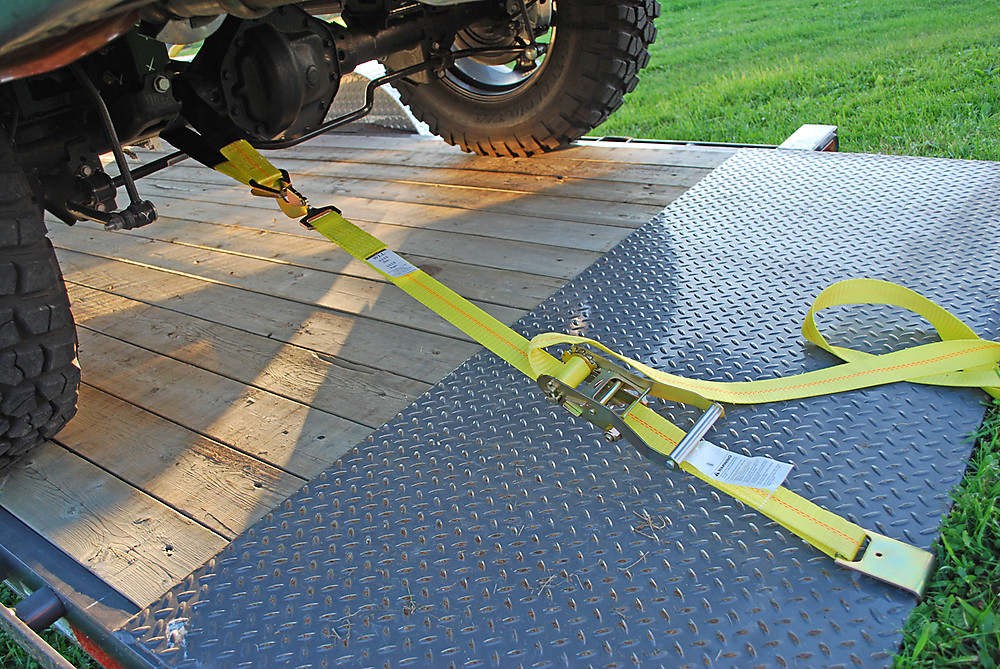
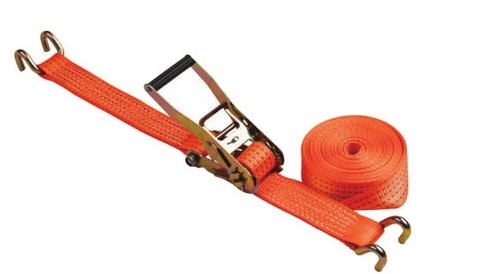
When securing cargo, people need to choose between cam-buckle straps and ratchet straps. Each has its uses. Cam-buckle straps are best suited for light or medium-sized cargo. You can tighten them by hand. This prevents fragile items from being subjected to excessive stress. Ratchet straps are tightened using a handle. Therefore, they are more suitable for heavy or large cargo.
The table below shows the differences between the two types of straps:
| Feature | Cam Buckle Straps | Ratchet Straps |
|---|---|---|
| Force Application | Limited to hand-pulling strength | Can apply significantly more force |
| Ideal Use | Suitable for lighter or fragile items | Best for securing heavier loads |
| Design | Typically a single piece or two parts | Usually consists of two parts with hooks |
| Adjustment | Allows for finer adjustments | Tightened and released via ratchet handle |
| Weight Capacity | Generally for items under 500 lbs | Designed for sturdier items over 500 lbs |
Baoying cam-buckle straps are easy to use and gently secure items. You can carefully adjust the tightness, which helps prevent damage to items such as bicycles, kayaks, or furniture. Cam-buckle straps are also easy to untie quickly, saving loading and unloading time. For most light or medium-weight goods, cam-buckle straps are a safe and reliable choice.
When Not to Use Cam Buckle Straps
Sometimes you need to use other types of straps. Cam-buckle straps are not suitable for very heavy goods or situations requiring extra tightening. In these cases, you should use other types of straps. Here are some other options:
- Ratchet straps are better suited for large or heavy items because they can be tightened.
- Cargo nets are suitable for securing irregularly shaped items and maintaining even tension.
- A hybrid strapping solution is to use ratchet straps for large items and cargo nets for small items.
You should always choose the appropriate straps based on your needs. For example, cam-buckle straps are a good choice when moving motorcycles or kayaks. Ratchet straps are more suitable for securing heavy machinery. Choosing the right straps ensures cargo safety and prevents accidents.
Cam-buckle straps, when used where applicable, securely fasten cargo. Their cam mechanism provides strong grip and allows for quick adjustment. To ensure cargo safety, users should follow these best practices:
- Inspect the straps for damage before each use.
- Store the straps in a dry, safe place.
- Ensure the straps are properly threaded and do not overtighten.
Choosing a trusted brand like BAOYING and following these steps will help ensure safe transport every time.
FAQ
How tight should cam-buckle straps be?
Tighten the straps until they feel snug. The cargo must remain stationary. Overtightening may damage the straps or the cargo. The cam buckle prevents manual overtightening.
Can cam buckle straps get wet?
Cam buckle straps are moisture-proof. Baoying uses treated metal and coated webbing. These materials are rust- and mildew-resistant. Users should dry the straps before storing.
What types of goods are best suited for cam buckle straps?
Cam buckle straps can secure bicycles, kayaks, furniture, and boxes. They are suitable for light to medium-sized goods. Fragile items require gentle pulling.
How often should cam buckle straps be inspected?
Users should inspect the straps before each use. Check for wear, cuts, or rust. Regular inspections ensure the safety of goods and prevent accidents.
Are cam buckle straps easy to untie?
Cam buckle straps can be quickly untied. The cam lever allows users to loosen the straps with one hand. This feature saves unloading time.