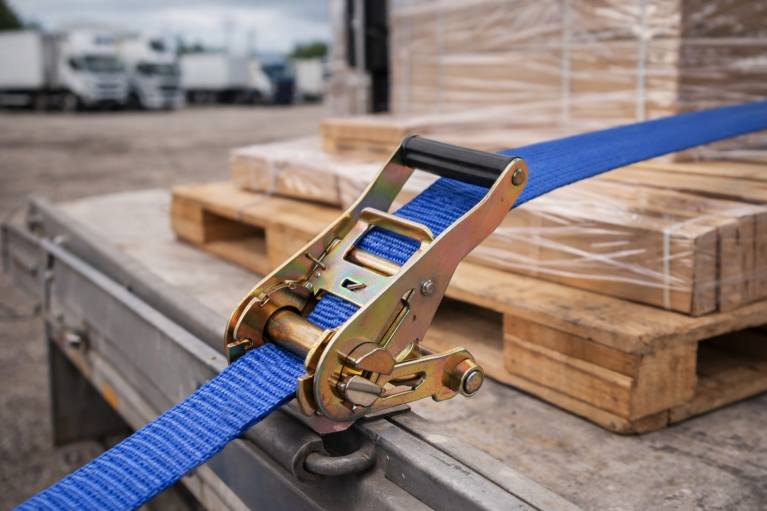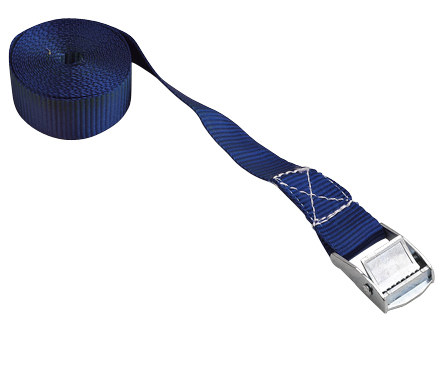
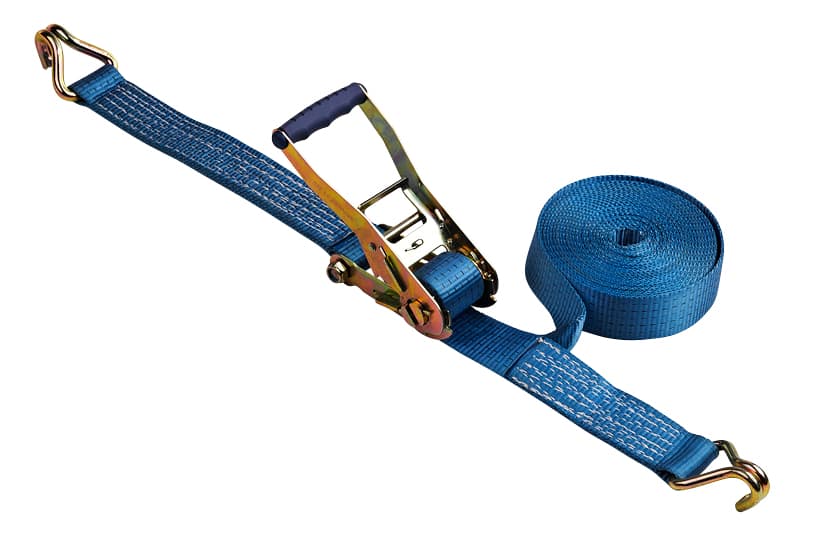
Telescopic ratchet straps are tools used to secure goods during transport. They employ a ratchet mechanism, allowing the strap to be tightened or loosened by moving a handle. This design differs from ordinary straps because it stores excess webbing inside the hardware. This prevents the webbing from unraveling and reduces the risk of tangling. Telescopic ratchet straps are used to secure equipment and materials, preventing items from shifting or falling during transport.
Key Takeaways
- Telescopic ratchet straps are easy to use. They automatically spring back, saving time and preventing tangling.
- Before using a strap, always check its Working Load Limit (WLL). This ensures your safety and prevents you from using excessively heavy loads.
- Choose the appropriate strap based on the type and weight of the goods. Some straps are suitable for light, medium, or heavy loads.
- Regularly inspect and maintain your straps. This ensures their safety and extends their lifespan.
- Look for certifications such as ISO 9001 and CE. These indicate that the strap is safe, reliable, and of high quality.
How a Retractable Ratchet Strap Works
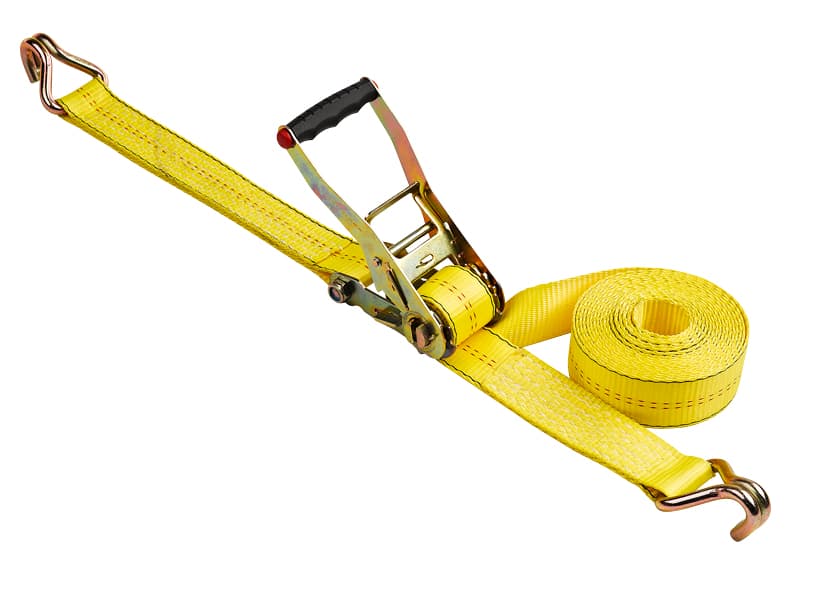
Telescopic Mechanism
The telescopic ratchet belt employs a special self-retracting system. Inside the main body, a spring-loaded spool retracts the belt into a protective housing. Its working principle is similar to a measuring tape. When the user loosens the belt, the spool retracts the webbing. This design keeps the belt neat and prevents loose ends from protruding.
The table below compares the telescopic ratchet belt with a traditional ratchet belt:
| Feature | Traditional Ratchet Straps | Retractable Ratchet Straps |
|---|---|---|
| Thread the strap manually | Yes | No |
| Tie off the strap after tightening | Yes | No |
| Excess straps flapping around when driving | Yes | No |
| Release the strap | Grab the webbing and start pulling | Auto retract |
| Easily tangled | Yes | No |
The compact design of the retractable ratchet strap allows for quick fastening and unfastening. This makes it a good choice for people who want to secure cargo by themselves. The strap stays in place and does not get in the way during transport.
Step-by-Step Use
Using a retractable ratchet strap is simple. Here are the main steps:
- Pull out the strap: Hold the handle and pull the strap out from the housing to the length needed.
- Attach the hooks: Place the hooks on anchor points on the cargo or vehicle.
- Tighten the strap: Move the ratchet handle back and forth to tighten the strap over the load.
- Lock the handle: Push the handle down to lock the strap in place.
- Release and retract: When finished, unlock the handle. The strap will automatically rewind into the housing.
A retractable ratchet strap saves time. Most people can set up or store the strap in less than one minute. This is much faster than using a traditional strap, which can take five to ten minutes.
Key Features of Retractable Ratchet Strap
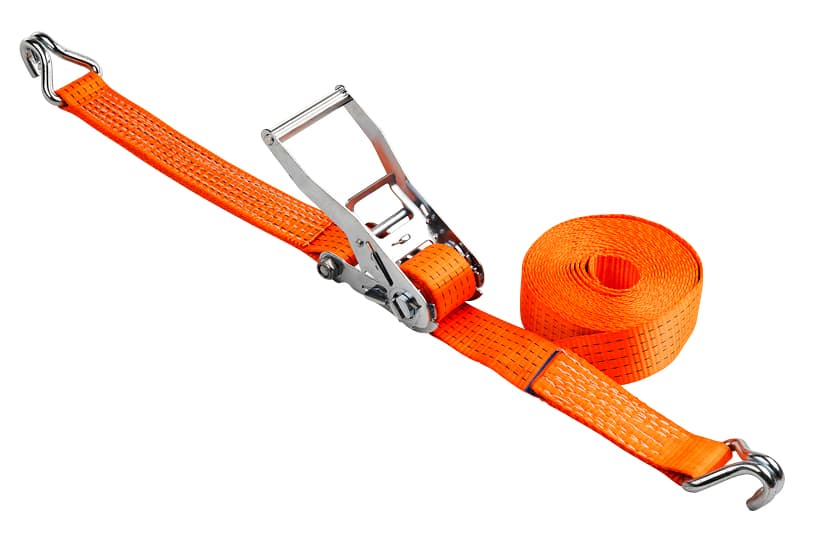
Built-in Automatic Retraction
The retractable ratchet straps feature a built-in automatic retraction system. This system secures the webbing inside the main case. After use, the spring-loaded reel automatically retracts the strap, preventing tangling and keeping it neat. You don’t need to manually roll up the strap. The automatic retraction saves time and makes storage convenient. Many straps also come with a storage bag for easy storage. Soft loops allow you to wrap the strap around objects like motorcycle handlebars or ATV bumpers, helping to protect the paint and surface coating from scratches.
Durability and Safety
These straps are made of durable polyester or nylon that resists wear. The robust webbing straps have a longer lifespan and can withstand heavy loads. The Working Load Limit (WLL) indicates the maximum weight the strap can safely withstand. Using the strap below its WLL helps prevent damage and extends its lifespan. Rigorous quality control ensures that every strap is safe and secure. Many seat belts have certifications such as ISO 9001, CE, GS, OSHA 1910.176, EN 12195-1, and ASTM D6671. These certifications indicate that these seat belts meet safety and quality standards worldwide.
Ease of Use
This retractable ratchet strap is incredibly easy to use. Simply pull out the strap, hook it onto the hook, and tighten. The automatic retraction function makes disassembly and reassembly quick and easy. The storage bag and soft loop design make use even easier. You can choose the strap’s length, width, color, and end fittings as needed. Color coding helps you understand the strap’s load-bearing capacity. The PVC label indicates important information such as the Working Load Limit (WLL) and safety regulations. These features make this strap suitable for cars, trucks, boats, motorcycles, and all-terrain vehicles (ATVs).
Retractable Straps vs. Standard Straps
Key Differences
Retractable ratchet straps and standard ratchet straps are not the same. They look and work differently. Retractable straps have an internal reel that automatically retracts the strap. This allows the strap to tighten or loosen automatically. Standard straps, on the other hand, use webbing, hooks, and securing components. They do not tighten automatically. You need to manually tighten and store these straps.
The table below shows how they are different:
| Feature | Retractable tie-down straps | Standard tie-down straps |
|---|---|---|
| Structure | Built-in reel, auto-retraction | Webbing, hooks, manual fastening |
| Operation | Auto-retracting mechanism | Manual tightening and storing |
| Storage | Compact, self-contained | Requires manual coiling |
| Ease of Use | Quick and hassle-free | Requires more effort |
| Load Capacity | Typically lower | Available in higher weight capacities |
| Durability | Mechanism may wear out | Simple, long-lasting |
| Best For Application | Light to medium-duty, quick use | Heavy-duty, long-distance transport |
Advantages and Disadvantages
Both types of ties have their own advantages and disadvantages. Telescopic ratchet ties are quick to install and easy to store. They are ideal for frequent tasks such as moving items or tying up motorcycles. Moving workers and delivery drivers like them because they save time. These ties are also suitable for confined spaces, preventing loose ends from getting in the way.
Standard ties have a higher load-bearing capacity and are simple to use. They perform better in environments such as mud or snow, such as on farms or off-road terrain. Large operations requiring strong ties typically use standard ties. They are less expensive and suitable for single use.
The following table lists the advantages and disadvantages:
| Feature | Traditional Ratchet Strap | Retractable Ratchet Strap |
|---|---|---|
| Storage | Prone to tangling | Always neat, bulky housing |
| Weight | Lighter per unit | Heavier due to mechanism |
| Setup Time | Slower, more steps | Very fast, pull and hook |
| Price | Lower | Higher |
| Best For | Extreme dirt, tight budgets | Frequent use, speed, clean spaces |
Loose strap ends can be dangerous on the road. If loads are not tied down right, accidents can happen. Strap ends that flap around can get stuck in wheels or hit other cars.
Uses & Benefits
Common Applications
Retractable ratchet lashing straps have a wide range of applications. Workers use them to secure items on trucks and trailers, ensuring safety. They help secure heavy machinery, timber, and large cargo. These lashing straps are interchangeable to fit different shapes and sizes.
Logistics companies use these lashing straps to protect goods inside trucks and containers. These lashing straps prevent goods from shifting during transport, thus ensuring safe delivery.
These lashing straps are also essential for cars and ships. Drivers use them to secure cars, motorcycles, and all-terrain vehicles. Ship owners use them to ensure the safety of their vessels during voyages. These lashing straps are suitable for both short-haul and long-haul transport.
Baoying offers a variety of lashing straps for trucks, ships, motorcycles, and cars. Their products can meet various cargo types and needs.
Key Advantages
Retractable ratchet lashing straps offer numerous advantages. The table below lists how each component helps improve safety and simplify operations:
| Component | Function | Benefit to Safety and Efficiency |
|---|---|---|
| Ratchet Mechanism | Lets you tighten and loosen fast | Keeps loads safe without making them too tight |
| Webbing | Made from strong material | Does not stretch or wear out easily |
| Hooks | Attach firmly to anchor spots | Stops loads from moving |
These straps are easy to use. Compared to ordinary straps, people can secure goods much faster. The automatic retraction function makes storage neater and prevents tangling. The robust material makes the straps more durable and ensures the safety of goods.
Retractable ratchet straps save time. Most people can secure or detach goods in less than three minutes, while ordinary straps take ten to fifteen minutes. For frequent users of straps, this can save more than eight hours a year.
These straps are suitable for a variety of types of goods. They come in different sizes and weight limits, making them suitable for a variety of purposes.
People who want to save time and ensure the safety of their goods will choose retractable ratchet straps because they are reliable and easy to use.
Choosing & Using Tips
Load Capacity and Dimensions
Choosing the right telescopic ratchet strap begins with understanding the load conditions. Users should always check the Working Load Limit (WLL) on the strap label. The WLL must be equal to or greater than the weight of the cargo. Many experts recommend a 3:1 safety factor rule. This means the WLL should be one-third of the strap’s breaking strength. For example, if the strap’s breaking strength is 3,000 lbs, the WLL should be at least 1,000 lbs.
Compatibility and Installation
Telescopic ratchet straps are suitable for a variety of vehicles, such as pickup trucks, SUVs, and vans. They are quick to install, easy to use, and meet most cargo transportation needs. For heavier loads, some users may prefer traditional straps with a higher load capacity.
Proper installation helps keep cargo safe. Users should follow these steps:
- Wear gloves and safety gear.
- Stand clear of the ratchet handle during tensioning.
- Attach the hooks to secure anchor points.
- Tighten the strap slowly and avoid sudden releases.
- Inspect the strap and hardware before each use.
- Never exceed the WLL.
- Store straps in a dry, cool place after use.
BAOYING offers technical support and guidance for installation questions. Their team can help with custom solutions for special cargo needs.
Maintenance & Safety
Regular care keeps straps safe and long-lasting. Users should:
- Inspect straps for wear, cuts, or damage before each use.
- Clean straps after use to remove dirt and chemicals.
- Store straps away from sunlight and moisture.
- Lubricate the ratchet mechanism if it feels stiff.
- Avoid overloading the strap.
Checking for certifications such as ISO 9001, CE, and GS ensures that the straps meet high safety standards. These marks indicate that the products have passed rigorous testing and comply with global safety regulations.
Retractable ratchet straps ensure the safe and neat storage of goods. They are easy to use, tangle-free, and convenient for quick and easy storage. The table below lists their main advantages:
| Benefit | Description |
|---|---|
| Effortless Operation | Very simple for anyone to use |
| Time-Saving Features | Quick to set up and take off |
| Compact Storage | Stays tidy in its case |
| Durability | Made from strong, lasting materials |
| Safety First | Helps stop loose ends and accidents |
FAQ
What are the differences between retractable ratchet straps and regular straps?
Retractable ratchet straps have an internal retractor that automatically retracts the webbing, keeping it neat and preventing tangling. Regular straps require manual winding and are prone to loose ends.
Can retractable ratchet straps carry heavy loads?
Most retractable ratchet straps are suitable for light to medium loads. Always check the Working Load Limit (WLL) on the label. For very heavy loads, use regular straps with a higher load rating.
How should I store retractable ratchet straps?
The automatic retraction system retracts the strap for easy storage and keeps it neat. You do not need to manually wind up the webbing.
Is it safe to use retractable ratchet straps for vehicle transport?
Retractable ratchet straps can be used to secure cars, motorcycles, and boats. Certifications such as ISO 9001, CE, and GS indicate their safety. Always check the Working Load Limit (WLL) before use.
What maintenance is required for retractable ratchet straps?
Check the strap for damage before each use. Clean the webbing and oil the ratchet if necessary. Store the webbing in a dry place to prevent wear and tear.