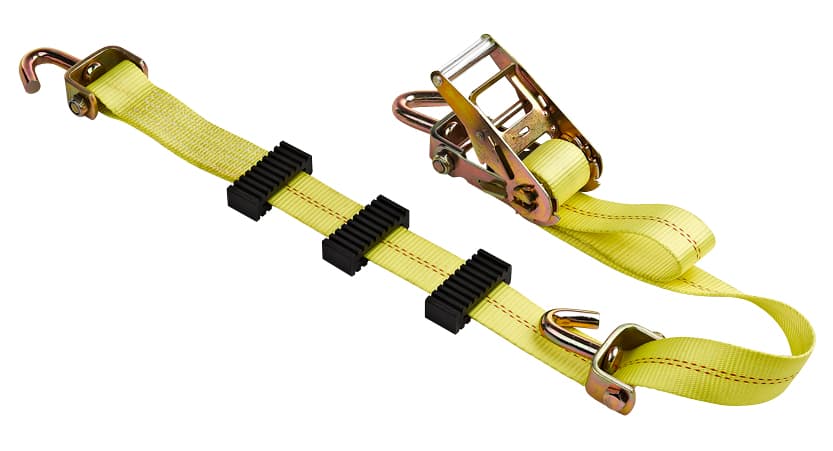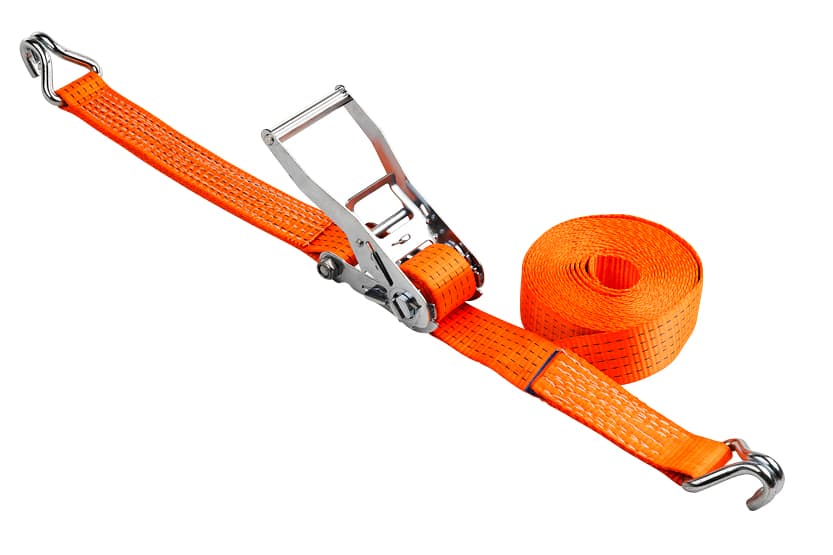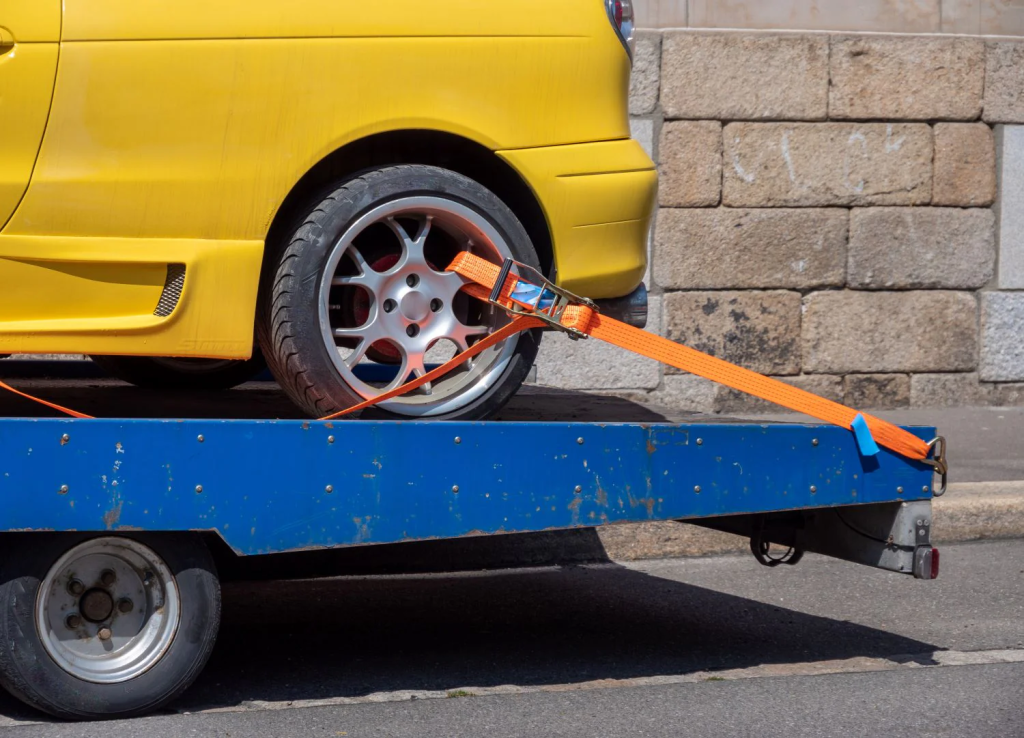
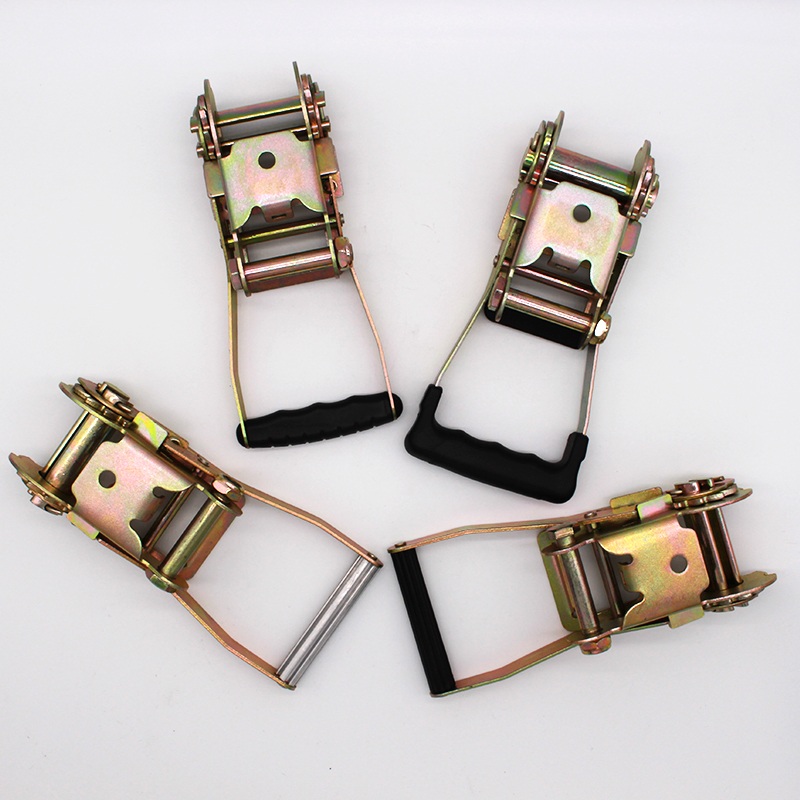
Ratchet straps work best when the ratchet mechanism stays clean and lightly lubricated, and dry silicone spray and industrial lubricating oil are the two common choices. A treated ratchet runs with smooth operation, wears more slowly, and holds tension with less effort, which also makes the tool safer under load.A few minutes of care keeps the tool ready for the next load, since clean hardware and a light coat of product prevent stiff handles and stuck spindles.
Nbby1’s ratchet straps take this further, with ratchet buckles, cam buckle straps, hook fittings, and over center buckles rated from 500 to 10,000 lbs working load limit and finished with zinc anti corrosion coating.This guide covers lubricant choice and routine care, so a ratchet strap stays smooth and safe under load.
Key Takeaways
- Use dry silicone spray or industrial oil to grease your ratchet strap.
- Don’t use WD-40 as a lubricant, since it doesn’t last long.
- Clean the ratchet before you put on any lubricant.
- Keep lubricant away from the strap webbing so it does not get damaged.
- Apply lubricant to your ratchet strap on a regular basis to keep it running smoothly.
Best lubricants for a ratchet strap
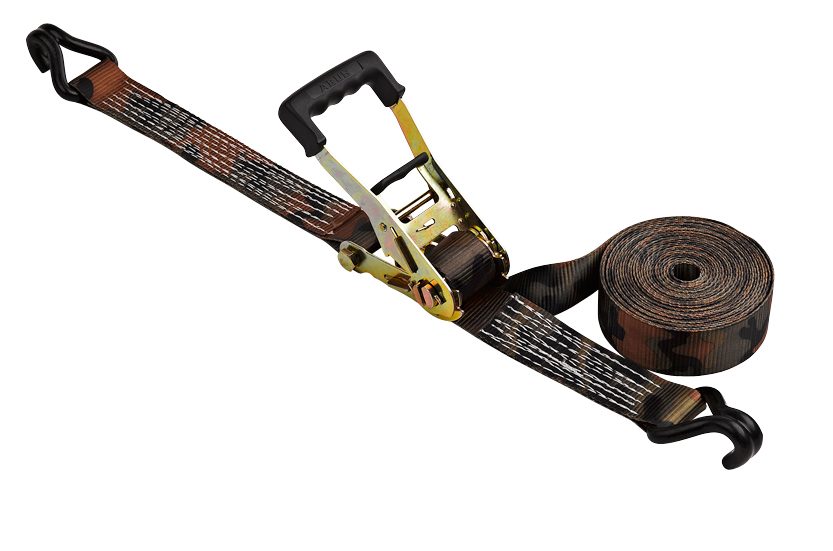
Recommended lubricants
Dry silicone spray suits general use and retractable ratchet straps. The product dries to a thin film, so it attracts little dust and leaves the hardware clean to handle. A silicone-based lubricant of this type also works well on straps that see frequent light use, such as motorcycle tie downs or boat covers.
Industrial lubricating oil fits the moving parts best. A few drops on the release lever, the pawl, and the pivot points let the ratchet work freely. Oil penetrates small gaps that a spray cannot reach, so it shines on older hardware with tight clearances.
White lithium grease or synthetic grease belongs inside the ratchet. These thicker products stay in place under pressure and cushion the internal contact points. A small amount on the gear teeth and the pawl spring keeps the ratchet smooth through heavy loads.
White spray grease, such as PB Blaster, offers a fast, long-lasting option. One pass coats the ratchet mechanism and clings to the metal. Users who want quick coverage before a long haul often reach for this type.
Lubricants to avoid
Solvent-type products such as WD-40 do not belong on the list of lubricants for a ratchet strap. These products clean and displace water, yet they leave little film behind. The metal then runs dry and wears faster.
WD-40 Multi-Use Product still has a place in harsh conditions. Spray it on and let it soak for about 5 minutes. This step lifts grime and pushes moisture out of the ratchet before a proper product goes on. Follow with dry silicone spray or oil for lasting protection.
Each option above has a clear job. Match the product to the part, and the ratchet straps on the shelf stay ready for work. A light touch beats a heavy soak every time. Excess product collects grit and can reach the webbing, so apply with care. Store the chosen product with the straps, and the next service takes only a minute.
How to lubricate the ratchets step by step
Prepare and clean the ratchet
Good results start before any product leaves the can. A worker should inspect the ratchet for rust, grit, and wear. Loose metal shavings or dried mud will grind against the moving parts once the handle turns. A stiff handle often points to a dirty ratchet mechanism, not a worn one.
Cleaning comes first. A stiff brush lifts dirt from the teeth of the ratchet and the release lever. A dry cloth removes dust from the frame. Harsh conditions leave salt spray or grit behind, so a quick wipe with a damp cloth helps on hardware used near water. The worker should let the parts dry fully before applying anything. Moisture trapped under a fresh coat of product will work against the metal over time.
This is also the moment to check the strap itself. Frayed edges, cuts, or faded dye on the webbing signal a strap that needs retirement. Lubricating a damaged strap wastes effort and invites a failure under load.
Apply lubricant and check the strap
The application stage takes only a few minutes. A light coat on the ratchet mechanism and the spindle does the job. Spray or drip the product onto the pivot points, the pawl, and the gear teeth. Work the handle back and forth several times so the product spreads into the internal contact surfaces. Wipe off any excess with a clean rag.
Care matters here. Users should avoid allowing lubricant to come in contact with strap webbing. Oil and grease weaken polyester fibers and attract grit. A soaked strap loses strength and grip. Keep the spray directed at the metal, and check the webbing after the job for stray drips.
A treated ratchet releases more smoothly. Lubrication helps prevent the spindle from seizing when the operator presses the release lever. A seized spindle traps tension and makes unloading slow and risky. A few drops in the right place keep the release crisp.
Finally, test the full cycle. Pull the handle, listen for smooth clicks, and release the tension. The ratchet should move freely with no squeak or catch. Ratchet straps that pass this check are ready for the next load. Owners who lubricate the ratchets on a regular basis spend less time fighting stiff hardware on the job site. BAOYING ratchet straps pair high-tenacity polyester webbing with zinc-coated hardware, and this simple care routine supports that durability in marine, truck, and industrial use.
How often to lubricate ratchet straps
Signs your strap needs lubricant
The hardware usually announces its need for attention before a failure occurs. A stiff handle, a squeak on each pull, or a release lever that fights back all point to dry metal. Visible rust on the pawl or gear teeth sends the same message. So does a strap that has seen salt spray, rain, or heavy dust since the last service.
Owners should treat these signals as a prompt, not a nuisance. A hard release often means the spindle is starting to seize. Squeaking points to metal rubbing without a film between the surfaces. Each sign is cheap to fix early and costly to ignore. A quick inspection after a wet or dusty job catches trouble while it is still small.
A simple lubrication schedule
Frequency depends on use and environment. A ratchet strap that sits in a garage and works a few times a year needs lubrication once a season at most. A ratchet straps set that hauls cargo daily deserves a light coat every few weeks. Hardware exposed to salt air, rain, or grit benefits from attention after each harsh trip.
Professionals can tie the task to an existing routine. Lubricating the ratchet at the same time as the monthly vehicle check keeps the habit simple. DIYers can mark a calendar reminder for the start of each season. The exact interval matters less than consistency. Regular lubrication of the ratchet mechanism prevents stiff handles and stuck spindles far better than one heavy application.
A practical rule covers most cases. Wipe the hardware clean, work the handle, and listen. Smooth clicks and an easy release mean the schedule is working. Any catch or squeak means the ratchet straps need service now. This check takes seconds and fits any maintenance routine. Owners who watch the webbing for stray product at the same time protect both the metal and the fabric in one pass.
Ratchet strap maintenance and safety
Cleaning and checking ratchet straps is part of good upkeep. This habit helps them last longer and work better. A clean ratchet strap also holds tension with less risk on the road.
Routine inspection tips
Check the webbing before each use. Look for cuts, frayed edges, and faded dye. Damaged webbing loses strength and should never go back into service. Check the ratchet mechanism for rust and grit. A stiff ratchet often needs cleaning, not replacement. A quick brush and a dry cloth fix most problems.
Inspect the hardware too. Bent hooks, cracked frames, and worn pawls all signal a strap near the end of its life. Retire any ratchet tie down straps with damaged webbing or hardware. Never lubricate a ratchet under load. Release the tension first, then service the parts. This rule protects the worker and the tool.
Proper storage and care
Store ratchet straps in a dry place away from direct sun. Coil them loosely and hang them up. This prevents kinks in the webbing and keeps the ratchet free of dust. Keep lubricant off the fabric during storage, since oil weakens polyester fibers. Label the storage bin by strap size for fast picking.
BAOYING builds ratchet straps with high-tenacity polyester webbing and zinc anti-corrosion hardware for harsh environments. Routine care supports that durability. A wholesale supplier or manufacturer often ships custom straps with care labels, and buyers should follow them.
Good maintenance tips for ratchet straps include a quick wipe after wet jobs. These maintenance tips for ratchet straps keep the ratchet in smooth operation. Follow these care and maintenance tips for ratchet straps, and lubrication and maintenance become one simple routine. A factory or supplier can advise on storage for bulk orders.
Picking the right product makes a big difference. Dry silicone spray or industrial oil keeps the ratchet running smooth, and putting it on cleanly protects the webbing. A steady schedule and regular checks catch wear early.
Safety comes first. A ratchet strap that is cared for holds tension better and lasts longer. Never work on the hardware while it is under load, and retire any strap with damaged parts.
Check the ratchet straps before the next job. A quick wipe, a light coat, and a test pull take only minutes. That small habit keeps every load secure on the road.
FAQ
Can a person use WD-40 to lubricate a ratchet strap?
No. WD-40 works as a cleaner and water displacer, not as a lasting lubricant. It leaves little film behind, so the metal runs dry. A user can spray it on and let it soak about 5 minutes to lift grime, then follow with dry silicone spray or oil.
Which part of the ratchet needs the most attention?
The pawl, the gear teeth, and the spindle deserve the closest look. These parts carry the load and move with every pull. A few drops of industrial oil on the pivot points keep the release crisp. Grease suits the inside of the ratchet mechanism.
What happens if lubricant gets on the webbing?
Oil and grease weaken polyester fibers and attract grit. A soaked strap loses strength and grip. Users should direct the spray at the metal only, wipe away drips, and check the webbing after each service. Ratchet straps with stained or soft webbing should come out of service.
Do new ratchet straps need lubrication?
New ratchet straps usually arrive ready to use. A light coat still helps after the first few jobs, once the hardware settles in. Owners who treat the ratchet early build a habit that pays off over the life of the strap.
Can a person lubricate a ratchet while it holds tension?
Never. Release the tension first, then service the parts. Working on a loaded ratchet risks injury and damages the mechanism. A safe routine means unloading the cargo, cleaning the hardware, and applying a light coat with the strap slack.