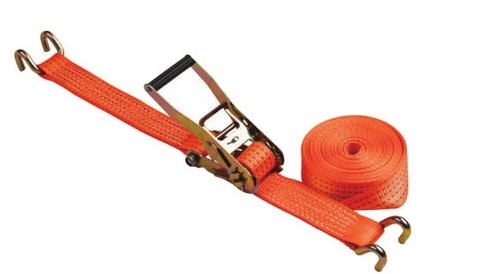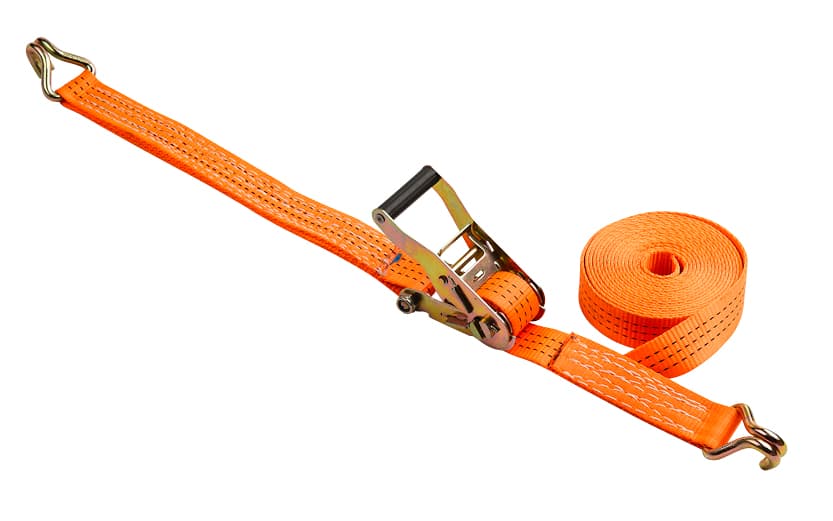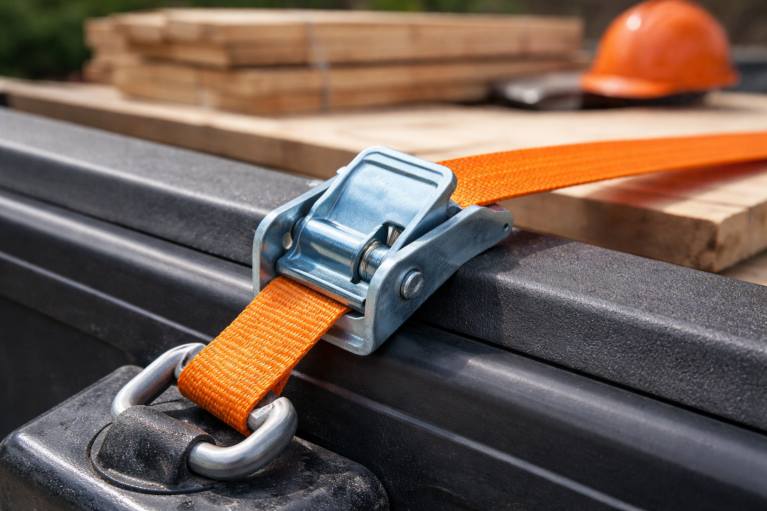
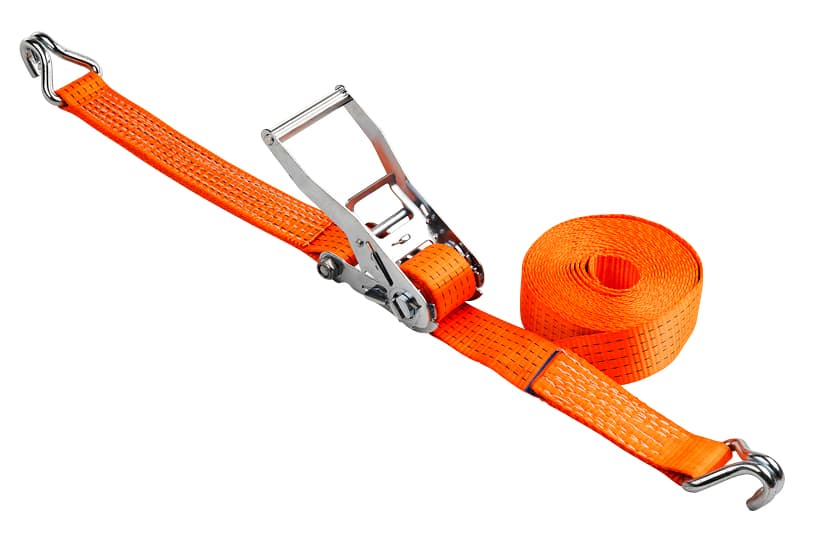
Ratchet ties certified by the U.S. Department of Transportation (DOT) adhere to strict government safety regulations. These ties help ensure the safety of goods during transportation. Only ratchet ties that comply with U.S. Department of Transportation regulations are permitted for use. Many brands, such as BAOYING, manufacture ties that meet these regulations.
Key Takeaways
- DOT-certified ratchet ties adhere to strict safety regulations to ensure the safety of goods during transportation.
- Check the ties for clearly visible labels, such as working load limits and the manufacturer’s name, to ensure compliance.
- When purchasing ratchet ties, always request certification documents and test reports to ensure they comply with U.S. Department of Transportation (DOT) regulations.
- Regularly inspect the ties for any damage or wear to ensure safety and prevent road accidents.
- Choosing a reputable brand like BAOYING can help you obtain robust and secure ratchet ties to protect your goods.
What does U.S. Department of Transportation (DOT) certification mean?
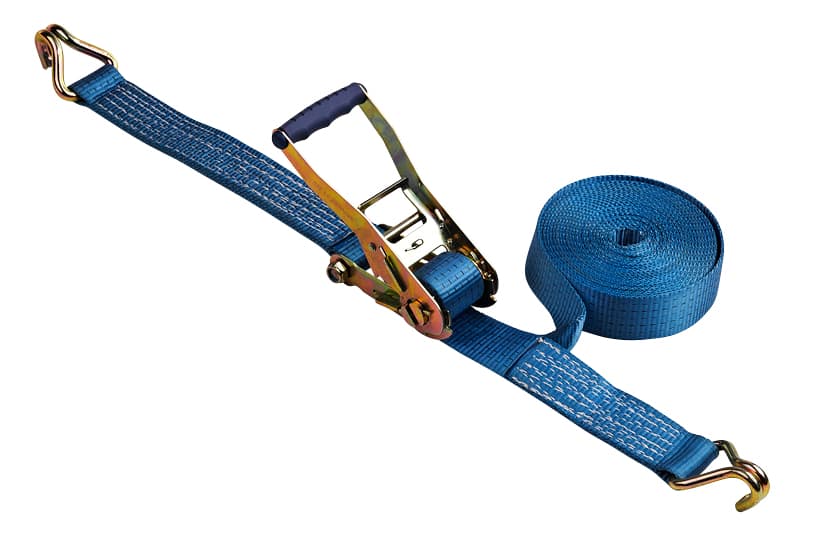
DOT Standards for Ratchet Belts
DOT-certified ratchet belts must comply with stringent regulations set by the U.S. Department of Transportation. These regulations are designed to ensure the safety of goods during transit. DOT does not issue special labels or stickers. Instead, ratchet belts must meet Federal Cargo Fixing Standards. These standards cover the materials, strength, and markings of each ratchet belt.
The table below lists some of the key DOT requirements for ratchet belts:
| Requirement | Details |
|---|---|
| Working Load Limit Marking | Each strap must have a clear, permanent tag showing its load limit. |
| Material Standards | Straps use strong polyester or nylon webbing. |
| Hardware Requirements | Ratchets and hooks must meet DOT safety rules. |
| Testing Compliance | Straps must pass tests at 2.5 times their working load limit. |
| Construction Standards | Special stitching and thread are required. |
| Safety Factor | Breaking strength must be at least three times the working load limit. |
| Manufacturer Certification | The maker must provide proof of DOT compliance. |
Ratchet straps that meet U.S. Department of Transportation (DOT) standards must also comply with Federal Motor Transportation Safety Administration (FMCSA) regulations. The number of straps required depends on the size and weight of the cargo. Brands like BAOYING design their straps to meet or exceed these standards. This ensures users receive safe and reliable products that meet their cargo transportation needs.
Compliance vs. DOT Labeling
DOT compliance means that ratchet straps are manufactured in accordance with all federal regulations. This includes using appropriate materials, strong stitching, and passing rigorous testing. DOT labeling is different. It refers to the labels and markings on the straps. These labels display working load limits and other important information.
Only straps that meet both compliance and labeling requirements can be called DOT-certified products. The label helps users check if the straps are safe to use. Compliance ensures the straps can withstand impacts during transportation. Understanding the difference between the two helps drivers and businesses choose the right straps for their cargo.
BAOYING straps contain all required markings and comply with DOT standards. This gives users greater peace of mind when transporting goods. Choosing ratchet straps certified by the U.S. Department of Transportation (DOT) helps prevent accidents and ensures the safety of goods during transit.
How to identify DOT-certified ratchet straps
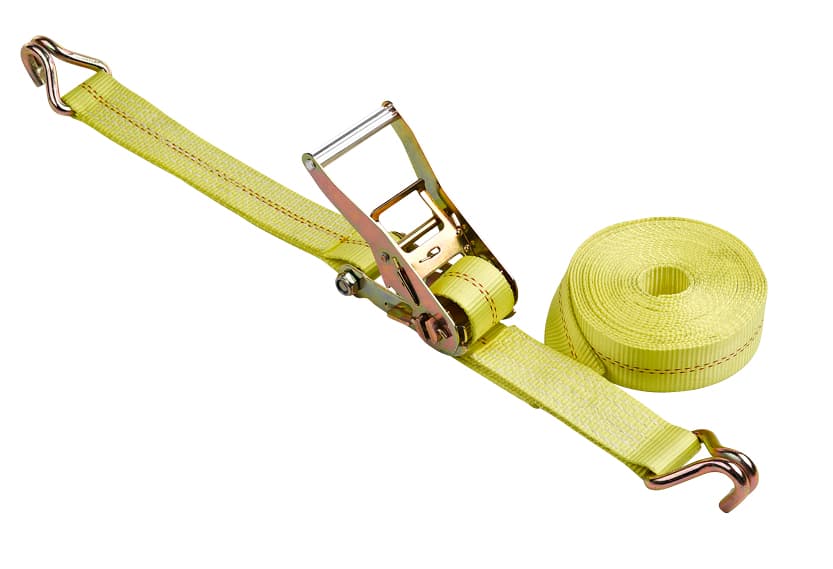
Necessary Markings and Labels
Every driver or business should know how to identify ratchet straps that meet U.S. Department of Transportation (DOT) standards. These straps require specific markings and labels to indicate their compliance with safety regulations. Clear labeling helps people determine whether the straps are safe and reliable. You should look for the following information on each strap:
- Working Load Limit (WLL)
- Breaking strength
- Webbing material type
- Manufacturer identification
The table below explains the meaning of each marking:
| Requirement | Description |
|---|---|
| Working Load Limit (WLL) | Shows the most weight the strap can safely hold. |
| Breaking Strength | Tells the highest load the strap can take before breaking. |
| Webbing Material | Lists the kind of material, like polyester or nylon. |
| Manufacturer Identification | Names the company that made the strap. |
All Baoying tie-down straps bear these markings. This helps users check that the tie-down straps meet U.S. Department of Transportation (DOT) standards before each trip.
Certifications and Documentation
DOT-certified ratchet tie-down straps must have the corresponding certifications and documentation. These documents prove that the tie-down straps comply with federal safety regulations. Manufacturers provide certificates proving that the tie-down straps have passed all necessary tests. The documentation should include:
- Manufacturer certification
- Test results for webbing materials and hardware
- Proof of compliance with working load limits and performance standards
Drivers and businesses should always request these documents when purchasing new tie-down straps. Baoying provides certification and test reports with its products. This helps customers ensure that the tie-down straps are safe and legal.
Common Compliance Features
Manufacturers are committed to ensuring their ratchet tie-down straps are DOT certified. They use strong and durable materials such as high-quality polyester to extend the life of the tie-down straps and improve their performance. Many companies add features that help secure cargo, such as tension indicators. These features help users determine if the straps are tight enough during transport.
Common features of DOT-certified ratchet straps include:
- Durable, durable webbing that resists wear and tear
- Sturdy hardware, such as ratchet wheels and hooks, ensures safety
- Special stitching method enhances strap strength
- Tension indicator technology provides better load control
BAOYING’s straps meet international and DOT standards. Their products undergo rigorous testing and quality inspection. This ensures that each strap is strong and durable enough to withstand various harsh working environments.
Choosing DOT-certified ratchet straps with the correct markings, certifications, and features helps ensure cargo safety and avoid problems during transport.
The Importance of DOT-Certified Ratchet Straps
Legal and Safety Reasons
Truck drivers, moving companies, and businesses need secure cargo every day. DOT-certified ratchet straps prevent cargo from shifting. These straps prevent cargo from sliding inside the truck. This reduces the probability of highway accidents. When cargo is secured, drivers can avoid sudden braking or rollovers. Safety regulations mandate that companies use tie-down straps that meet federal standards. This helps prevent accidents and avoids fines from the Department of Transportation (DOT).
Insurance companies review a company’s safety record. Using DOT-certified ratchet tie-down straps enhances a company’s safety image. Fewer accidents and less cargo damage reduce insurance costs. Companies that comply with safety regulations demonstrate responsibility. This helps them earn the trust of customers and partners.
Avoid Fines and Liabilities
Non-compliant ratchet tie-down straps pose a significant risk to businesses. DOT inspection reports show that 55% of commercial transportation companies are fined for using substandard tie-down straps. These violations account for 22% of all fixed cargo tickets. Using substandard tie-down straps can lead to hefty fines and legal trouble.
- Tickets and fines can be devastating for a company.
- Vehicles may be grounded, causing delays and additional costs.
- Improper cargo securing can lead to accidents, lawsuits, and even imprisonment for negligence.
Companies need to choose tie-down straps that comply with U.S. Department of Transportation (DOT) regulations to avoid these problems. Reputable brands like BAOYING sell tie-down straps that help businesses comply with the law. Using the right tie-down straps ensures the safety of drivers, cargo, and the company’s reputation.
Ensure your tie-down straps meet DOT standards
Tips for buying safety tie-down straps
Buyers must be careful when choosing cargo tie-down straps. They should check that the straps meet safety regulations. Here are some simple steps:
- Locate the always-present “Working Load Limit (WLL)” marking on the tie-down strap.
- Check for a clear “DOT” marking and manufacturer’s name on the label.
- Request documentation from the seller proving that the tie-down straps comply with DOT regulations, especially if the label is illegible.
- Ensure the tie-down straps use strong webbing and robust hardware.
- Check the working load limit of the tie-down straps and confirm that they have passed relevant tests.
Choosing a trustworthy brand helps buyers avoid trouble. BAOYING sells tie-down straps that meet or exceed federal regulations. Their tie-down straps come with all necessary markings and documentation. This gives buyers confidence in the safety and quality of the tie-down straps.
Check Compliance Before Use
Drivers and workers should carefully check any tie-down straps before use. A thorough check helps prevent accidents and ensures the safety of goods. The table below lists what needs to be checked during an inspection:
| Inspection Criteria | Description |
|---|---|
| Webbing Condition | Look for cuts, fraying, burns, or chemical damage. |
| Stitching Integrity | Check all stitched joints for damage or coming apart. |
| Hardware Function | Test ratchets, winches, and hooks to see if they work. |
| Marking Visibility | Make sure Working Load Limit markings can be read. |
| Edge Protection | Check protective materials for damage or missing parts. |
| Stretch Assessment | Look for straps that are stretched out or bent. |
| Contamination Check | Check for oil, grease, or chemicals on the straps. |
| Replacement Decision | Take away any straps that do not pass these checks. |
People should never use any tie-down straps that do not meet any of the above inspection standards. Ratchet straps certified by the U.S. Department of Transportation (DOT) must be kept in good condition to ensure cargo safety. Regularly checking tie-down straps and choosing reputable brands like BAOYING helps ensure road safety for everyone.
DOT-certified ratchet straps ensure cargo safety and help businesses comply with regulations. Before purchasing or using tie-down straps, people should check for clear markings and certification information. Tie-down straps must be checked before and after each use. Regular checks also help ensure that tie-down straps remain secure and compliant with regulations. Choosing a trustworthy brand like BAOYING provides peace of mind.
FAQ
What does “DOT certified” mean for ratchet straps?
“DOT certified” means the tie-down straps meet federal safety standards. These rules are set by the U.S. Department of Transportation. Tie-down straps must be properly marked and pass strength tests. Brands like Prowin adhere to these requirements when designing tie-down straps.
How to determine if a ratchet tie-down strap meets U.S. Department of Transportation (DOT) standards?
DOT-compliant tie-down straps have clear labels. The label indicates the working load limit, breaking strength, material, and manufacturer. Users should check this information before using the straps.
Do all ratchet tie-down straps need DOT certification?
Not all tie-down straps need DOT certification. Only tie-down straps used for commercial cargo transport on public roads must meet DOT standards. Home or recreational use does not require DOT certification.
Why should businesses choose Prowin tie-down straps?
Prowin tie-down straps meet DOT and international standards. The company provides relevant certifications and clear labeling. Customers trust Prowin because it provides safe, secure, and reliable cargo securing solutions.