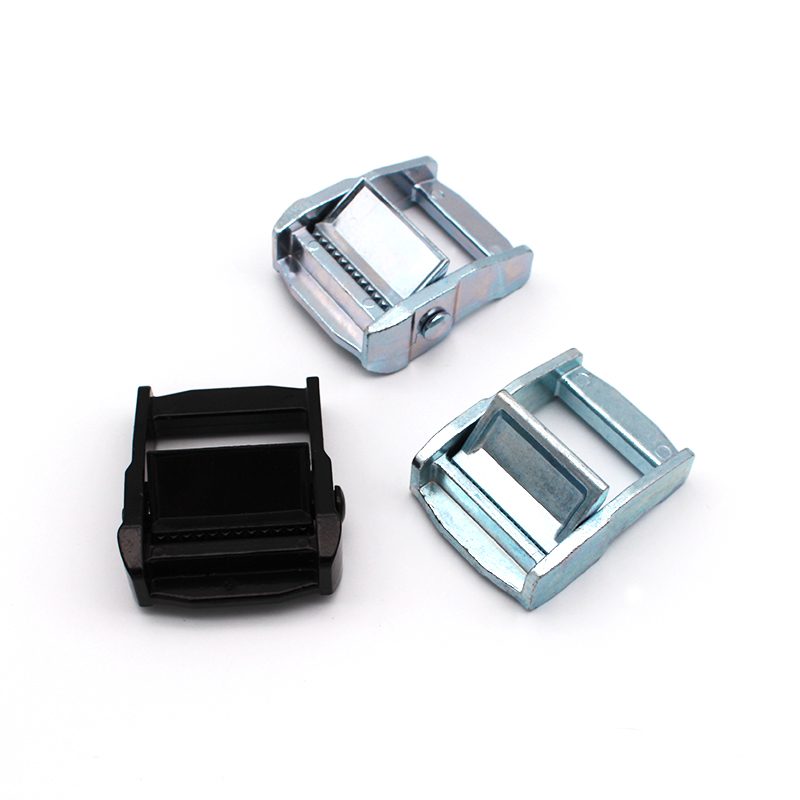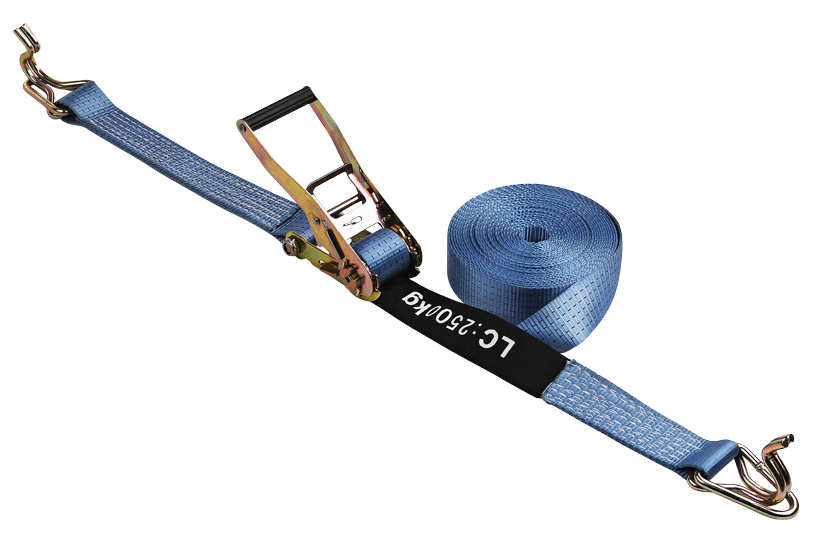
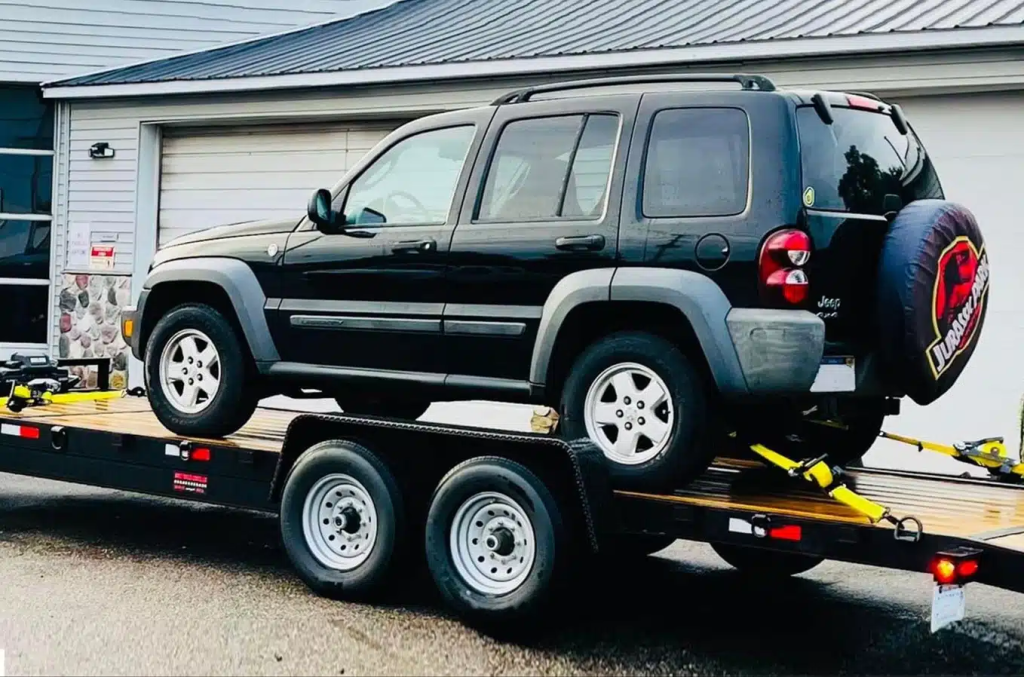
The most common types of ratchet belts include light-duty, heavy-duty, ring-type, and special-purpose types, such as E-type track belts or motorcycle-specific belts. Ratchet belts are used to secure and fasten goods during transport. Each type of ratchet belt differs in size, end fittings, and special features for a specific purpose. Understanding the different types of ratchet belts helps people choose the right one for their needs.
Key Takeaways
- Ratchet belts come in various types, including light-duty, heavy-duty, ring-type, and special-purpose. Each type is designed for a specific purpose and has its own characteristics.
- You should always check the ratchet belt’s load limit and breaking strength. This ensures your safety and prevents accidents when securing goods.
- Choose the appropriate ratchet belt size. Also, choose the correct end fittings. Matching these fittings to your goods will ensure greater safety and better performance.
- Inspect the ratchet belt for damage before use. Regularly checking the ratchet belt helps ensure safety and that it functions well when moving items.
- Custom ratchet belts are available if needed. Customizing length, width, and color coding helps you keep things organized and makes moving goods safer.
What are ratchet straps and tie-down straps?
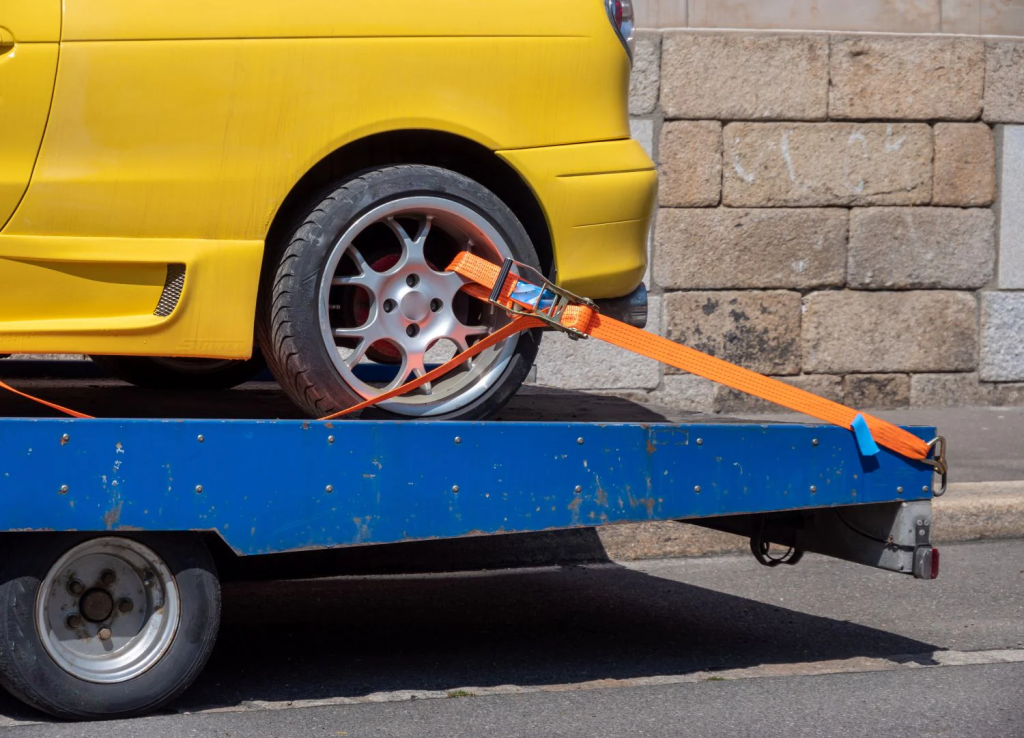
Definition and Uses
Ratchet straps and securing straps are used to secure goods during handling or storage. These tools use strong webbing and special hardware to secure the goods. Ratchet securing straps differ from other securing straps in that they use a ratchet mechanism. This mechanism, with a handle and gears, allows the user to easily tighten the strap, thus preventing the goods from shifting.
The table below lists the differences between ratchet securing straps and other securing straps:
| Feature | Ratchet Straps | Other Tie-Down Straps |
|---|---|---|
| Mechanism | Ratcheting mechanism for precise tensioning | Simple fastening devices (e.g., ropes) |
| Tensioning Capability | Generates substantial tension with minimal effort | Limited tension adjustment |
| Material | Strong fabric strap, typically synthetic | Varies (can include ropes, chains, etc.) |
| Application | Ideal for securing cargo during transport/storage | General use, less secure for heavy loads |
Ratchet straps can be pulled very tight, making them more effective than ropes or elastic cords. Their unique design helps keep cargo stable, thus preventing accidents.
Common Uses in Transportation and Logistics
Ratchet straps are essential in many jobs. They are used to secure cargo inside trucks, trailers, and containers. Many companies use these straps to transport vehicles. Straps can protect painted and chrome-plated parts from scratches. Logistics workers use straps to prevent cargo from shifting or tipping over.
Different types of ratchet straps
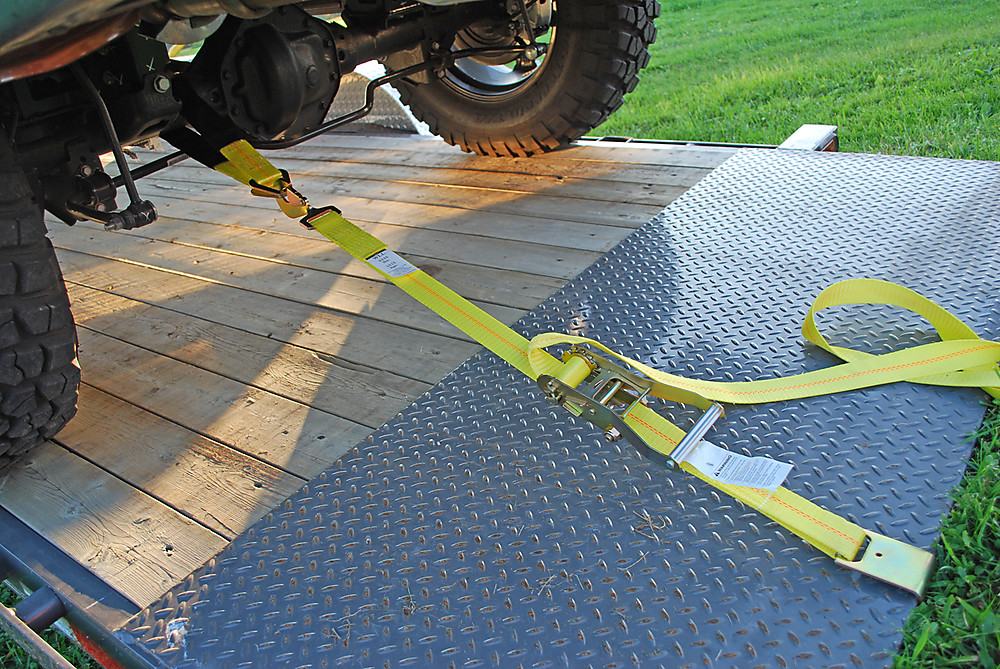
To pick the right tie-down straps, you need to know the types of ratchet straps. Each type has its own features, how much weight it can hold, and what it is used for. The table below shows how each type is different in strength and design.
| Type of Ratchet Strap | Load Capacity | Design Features |
|---|---|---|
| Light-Duty Ratchet Straps | Lower load capacity | Usually made for lighter things, often with set lengths and hooks. |
| Heavy-Duty Ratchet Straps | Higher load capacity | Made for heavy stuff, with strong stitching and tough materials to last longer. |
| Endless Ratchet Straps | Variable load capacity | Adjustable loop design for more flexibility and better force spread. |
| Specialty Ratchet Straps | Varies by application | Special designs for certain jobs, may have unique features for different cargo. |
Lightweight Ratchet Straps
Lightweight ratchet straps are suitable for small goods. They are used to secure lightweight items such as furniture, small boxes, and tools. These straps have limited load-bearing capacity, making them best suited for simple tasks that don’t require much strength. Many households or small shops use lightweight straps because they are easy to use and quick to install.
Heavyweight Ratchet Straps
Heavyweight ratchet straps are designed for high-intensity work. These straps feature strong hooks and durable webbing. They are durable even in harsh environments. Heavyweight straps have thicker webbing and stronger components than other straps. They are used to secure cars, machinery, and large goods.
- Heavyweight straps can withstand greater weight and are commonly used to secure machinery, building materials, and vehicles.
- Many companies use heavyweight ratchet straps to transport goods on trucks.
- These straps are durable, so workers trust them and use them for heavy-duty operations.
Heavyweight ratchet straps are very popular because they can withstand significant weight. They help ensure the safety of goods during long-distance transportation.
Ringless Ratchet Straps
Ratchet straps feature a special design. Instead of hooks or ends, these straps form a loop that wraps around the goods. This helps distribute stress and provides more binding options. People use ringless straps to bundle items together or to secure goods where there are no fixed anchor points.
- Ratchet straps are widely used in warehouses and factories.
- They are ideal for securing pipes, timber, or other items.
- The loop can wrap around irregularly shaped or fragile items.
Specialized Ratchet Straps (Motorcycle, Car, Boat, Truck)
Specialized ratchet straps are designed for specific purposes. These straps have different characteristics for different vehicles and goods. For example, motorcycle straps have a soft, looped structure to protect the paint and shiny parts. Car straps may have padded hooks or longer webbing, suitable for larger vehicles. Boat straps are made of waterproof and rustproof materials. Truck straps are designed to secure items on flatbeds and trailers.
- Freight companies and moving companies use specialized straps to secure items on flatbeds and trailers.
- People who make a living moving goods use these straps to protect furniture and appliances.
- People who ride motorcycles, ATVs, and boats also use specialized straps.
Specialized ratchet straps secure goods in a variety of ways. They solve problems that ordinary straps cannot.
Types of ratchet straps by size and end fittings
Ratchet Straps Classified by Width and Length
Ratchet straps come in a variety of widths and lengths. The width of the strap affects its load-bearing capacity. Wider straps, such as 2 inches or 4 inches, are stronger and help distribute pressure across the cargo. This makes them ideal for securing heavy items such as timber or building materials. Narrower straps, such as 1 inch, are suitable for lighter items such as groceries or small boxes. Longer straps are suitable for larger or irregularly shaped cargo because they can wrap around and secure large objects.
When choosing straps, select the appropriate strap based on the size of the cargo. For example, a 1-inch strap can secure a bicycle, while a 4-inch strap can secure heavy equipment on a flatbed trailer. Wider straps also distribute pressure and protect fragile items from damage.
Ratchet Strap End Fittings
End fittings are used to attach the straps to anchor points. Different termination methods are suitable for different situations. The following table lists common termination methods and their uses:
| End Fitting Type | Ideal Anchor Point | WLL (Safety) Level | Typical Use |
|---|---|---|---|
| Flat Hook | Trailer or bed edges (flat surface) | High | Standard flatbed trailers |
| J/Wire Hook | D-rings, closed loops, e-track | Medium | Closed vans, car hauling |
| Chain Hook | Chain tie-down points, heavy duty | Highest | Heavy construction, industrial use |
E-track ratchet ties use special fittings to lock onto E-tracks. These tracks are commonly found on moving trucks and trailers. E-track ratchet ties secure goods at multiple points, making them a favorite among professional moving companies.
Ticket Customization Options
Many companies want ties that meet their specific needs. Customization options include different lengths, widths, and end fittings. Some ties use high-strength polyester webbing for added strength. Color coding helps staff select the appropriate ties for each shipment. For example, blue ties may support loads under 5,000 pounds, while red ties can support loads over 10,000 pounds. Companies can also add their name or logo to the ties for identification and theft prevention.
Popular custom features include:
- Custom lengths and widths for a perfect fit
- Color-coding for quick load capacity checks
- Special end fittings like flat hooks or chain anchors
- Branding for company visibility
These options help businesses stay safe and organized when using tie-down straps.
How to choose the right ratchet strap
Load Capacity and Strength
When selecting ratchet straps, you need to understand their load capacity. Each strap has a working load limit, which is the maximum weight it can safely carry. Breaking strength refers to the maximum tensile force the strap can withstand before breaking. You should always use straps with a working load limit greater than the weight of the goods. The table below explains the meaning of these terms:
| Rating Term | Definition | Example Value |
|---|---|---|
| Working Load Limit (WLL) | Maximum safe working capacity | 2,000 lbs |
| Breaking Strength | Maximum load before breaking | 6,000 lbs |
| Safety Margin | Ratio between breaking strength and WLL | 3:1 |
The width and length of the straps are also important. Wider straps are stronger and distribute pressure better. Longer straps are better suited for securing large or irregularly shaped items. The end fittings must match the anchor points on your car or trailer. Using the right straps ensures the safety of your goods and helps you complete your work smoothly.
Applications and Environment
The environment in which ratchet straps are used affects their performance. High temperatures, humidity, and sunlight can reduce the strength of the webbing. Ultraviolet rays can damage polyester fibers. Damp straps are prone to mold or rot. If you need to handle goods in harsh environments, choose straps that can withstand these problems.
To maintain the strength of the straps, store them in a cool, dry place. This helps extend their lifespan. Always check for damage before use. These tips help prevent accidents and ensure the safety of goods.
Safety and Quality Standards
Safety and quality are paramount in every cargo transport operation. Ratchet straps must comply with standards such as EN 12195-2, WSTDA T-1, or DOT. These standards stipulate that the straps must be labeled with their breaking strength, material, and load-bearing capacity. Testing ensures that the straps can withstand the various pressures of actual use.
- Check tie-down straps before you use them.
- Look for cuts, scrapes, or bent parts.
- Do not use straps that are damaged.
Good tie-down straps with the right labels keep your cargo safe. Custom straps with colors or company names help workers stay organized. Following these tips makes sure you secure cargo safely every time.
Tie-down straps are strong, easy to use, and work well for holding cargo. Using these tips helps stop accidents and keeps every load safe.
People can find many types of ratchet straps for different jobs. Light-duty straps work well for small loads. Heavy-duty straps hold large or heavy cargo. Endless straps help bundle items together. Specialty straps fit motorcycles, boats, or trucks. Choosing the right size and end fitting keeps cargo safe. Users should always check safety labels and consider custom options for their tie-down straps.
FAQ
What is the difference between ratchet-type and cam-buckle-type straps?
Ratchet-type straps use a ratchet mechanism to achieve high tension. Cam-buckle-type straps use a spring cam for quick adjustment. Ratchet-type straps are suitable for securing heavier items. Cam-buckle-type straps are better suited for securing lighter items.
How to choose the right size ratchet-type strap?
Check the weight of your goods. Choose the appropriate strap based on the weight. Wider and longer straps are suitable for larger or heavier items. Always read the size and load-bearing capacity instructions on the label.
Can ratchet-type straps be used outdoors?
Yes, many ratchet-type straps are made of weather-resistant materials. Polyester webbing offers UV protection and moisture resistance. When using outdoors, check the straps for wear before each use.
How to store ratchet-type straps?
Store ratchet-type straps in a dry, cool place. Avoid direct sunlight and contact with chemicals. Neatly coil the straps to prevent tangling or damage.
What are some common end fittings for ratchet-type straps?
| End Fitting | Common Use |
|---|---|
| S-hook | Light-duty applications |
| Flat hook | Flatbed trailers |
| E-track clip | Enclosed trailers, vans |