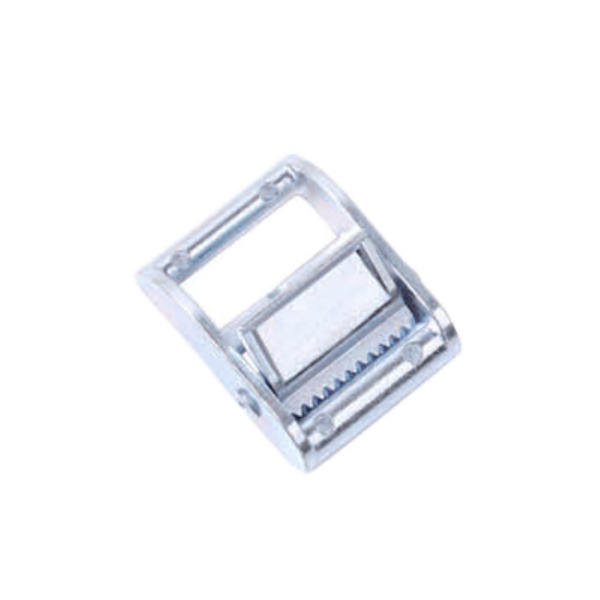
You can safely fix a metal buckle that is rusting by using simple home items or store-bought polishes. First, you must figure out the exact metal type, like solid brass, silver plating, or zinc coating. Taking good care of the metal stops rust from forming. This guide explains smart inspection steps, easy home remedies, and good ways to clean belt buckle hardware effectively.
Key Takeaways
- Check your buckle’s metal with a magnet before cleaning so you can pick the right process.
- Begin cleaning with gentle soap and warm water to shield sensitive metal layers.
- Put micro-crystalline wax on clean buckles to block air and stop future rust from forming.
Pre-Cleaning Buckle Inspection
Identifying Metal Types and Patina
Metals show clear visual clues when they start to rust. Solid brass turns a warm green or brown shade over time. Silver plating darkens into a flat, gray-black color. Zinc-coated buckles lose their shine or flake when water touches worn spots. Light tarnish creates a thin yellow layer, but heavy rust forms a dull black crust across the exposed metal.
| Material | Visible signs before cleaning |
|---|---|
| Solid brass | Warm patina, green or brown spots |
| Silver plating | Gray-black tarnish, dull finish |
| Zinc-coated | Dulling finish, chipped or pitted metal |
Spot Testing Cleaners in Hidden Areas
You can use a simple magnet test to find what sits inside your buckle. Solid brass and zinc items will never stick to a magnet. However, a magnet pulls toward plated steel metal right away. Scratching a hidden edge proves an item is solid brass if you see the same gold color all the way through. Rough scrubbing easily wipes off thin outer plating and ruins the base metal underneath forever.
You should always test a small hidden spot before trying any strong polish. The back side of your buckle is the best place to try out a cleaner. Put just one drop of solution on the back surface. Gently rub that spot with a cotton swab to see if any metal color rubs off. Smart testing keeps the metal strong and prevents you from causing big mistakes.
How to Clean Belt Buckle Oxidation
Metal items collect dirt, skin oils, and dark tarnish over time. Fixing them takes a step-by-step method. You should always try gentle remedies before using harsh chemicals.
Using Mild Soap and Water
Warm soapy water wipes away everyday dirt from buckle surfaces. Soap removes surface grime well, but it cannot fix heavy rust alone. Leftover water can even cause new spots on bare metal.
You should follow these exact steps to clean your buckle hardware safely:
- Wash the metal with warm water, mild dish soap, and a soft toothbrush to scrub away dirt.
- Rub store-bought brass polish over solid metal with a soft microfiber cloth if dark tarnish stays.
- Scrub unplated metal with fine steel wool only if tough rust will not come off any other way.
Avoid using power tools when you polish hardware by hand. High spinning speeds create heat that burns chemical polish right into deep metal cracks. A soft plastic brush removes grime from small spots without scratching delicate coatings. Never use paper items to dry your metal parts.
Use a jewelry polishing cloth for sterling silver items. Never use paper towels or tissue to clean or dry jewelry, because the fibers can scratch the surface.
Applying Baking Soda or Polish
Deep rust needs stronger cleaning action to make old metal shine again. Home remedies work great on solid pieces. You can mix 2 parts baking soda with 1 part lemon juice to make a quick paste. Lemon juice has a high acid level between pH 2.0 and 2.6. Limit acid soaking to 15 or 20 minutes on bronze objects. Never drop glued parts or soft leather straps into acid liquids. Rinse the buckle with pure water right away to wash off acid leftovers.
Baking soda gently scrubs away light metal tarnish. Store-bought polishes clear heavy rust much faster.
| Method | Action Type | Surface Effect | Primary Application |
|---|---|---|---|
| Baking Soda Paste | Mild abrasive action | Preserves natural patina when rubbed gently | Light tarnish and light verdigris |
| Commercial Brass Cleaner | Strong abrasive and chemical action | Removes deep oxidation and strips total patina | Full restoration to a bright shine |
Hard scrubbing strips away the top metal layer from solid hardware. Losing this outer layer lets air push deep inside. Use a gentle baking soda paste if you want to save the old aged finish. Pick strong store-bought cleaners if you prefer a bright whole new shine. Thorough drying stops new water damage. This smart method restores any buckle correctly.
Maintaining a Clean Belt Buckle
Buffing and Applying Protective Coatings
Regular wiping brings back the natural shine after deep cleaning. You can rub on polish with a clean cloth using soft circular moves. A jeweler’s special cloth removes light spots without ruining delicate top plating. This simple step smooths the outer metal to build a bright finish.
Once the clear protective coat wears off, normal air exposure makes metal hardware tarnish over time.
Putting on a thin seal protects the metal from everyday damage. You should spread a tiny layer of micro-crystalline wax over the whole buckle. This hidden layer stops surface damage and blocks air from hitting raw steel, which halts rust spots. Smart owners repeat this easy process every few months for good maintenance.
Proper Storage for Tarnish Prevention
Everyday air speeds up the rusting process on metal items. Body sweat, air moisture, and sulfur gases constantly attack bare surfaces. Touching metal transfers natural oils and skin salts during regular daily use. These mild acids create ugly spots on brass or dark rust layers on silver.
Good storage habits reduce contact with harmful air pollution. You should choose a cool, dry place away from humid rooms or damp bathrooms. Store each buckle inside a sealed plastic bag or a covered box. Adding small silica gel packets soaks up extra moisture inside your storage container. Using anti-tarnish paper strips catches harmful air gases before they reach your metal.
- Silica gel packets absorb extra moisture inside dark drawers.
- Anti-tarnish strips neutralize harmful sulfur gases in the air.
- Sealed storage bags block damaging airflow around your hardware.
Consistent care routines help your metal buckle last much longer over time.
To clean belt buckle hardware safely, owners must start with mild soap and water before applying stronger polishes. Thorough drying and a light layer of wax block moisture and stop future corrosion. Proper care and maintenance keeps both decorative and functional metal buckle items looking bright while extending their usable lifespan for many years.
FAQ
How often should an owner wash a metal buckle?
You ought to wipe down belt buckles every couple of months. Routine cleaning stops heavy tarnish and preserves a shiny metal surface.
Can vinegar damage a metal buckle?
Strong acids such as vinegar quickly destroy thin top plating. Avoid long acid baths so you do not ruin delicate coatings forever.
Why does a brass buckle turn green?
The copper in brass reacts directly with air, moisture, and sweat. This simple reaction forms a green layer known as verdigris on top.