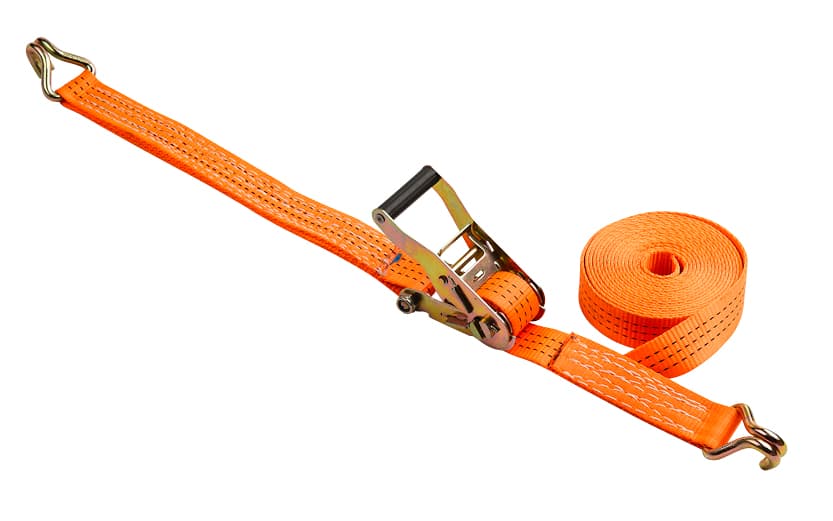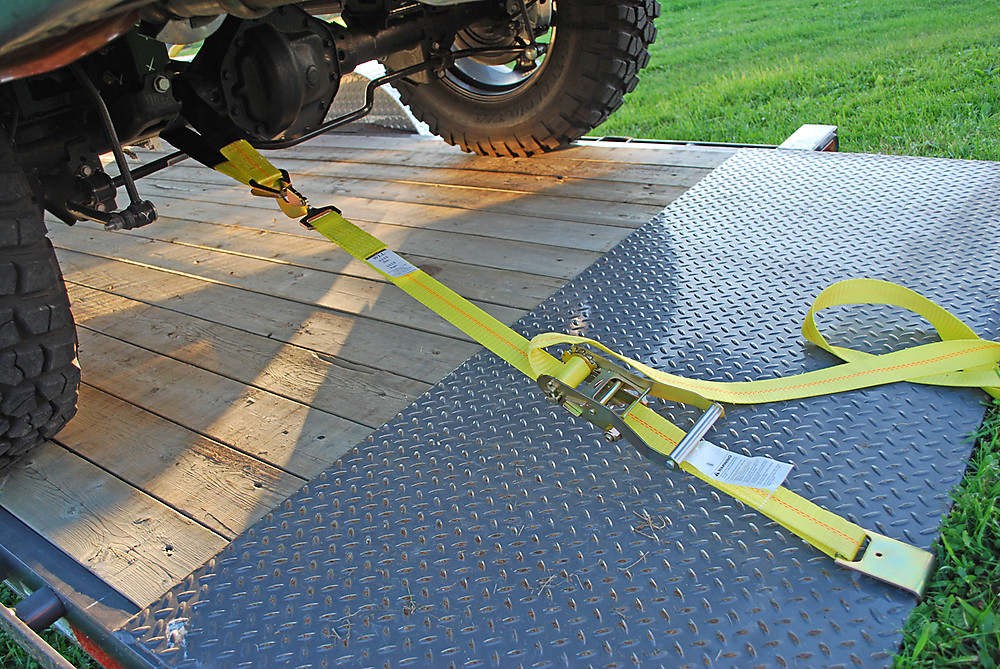
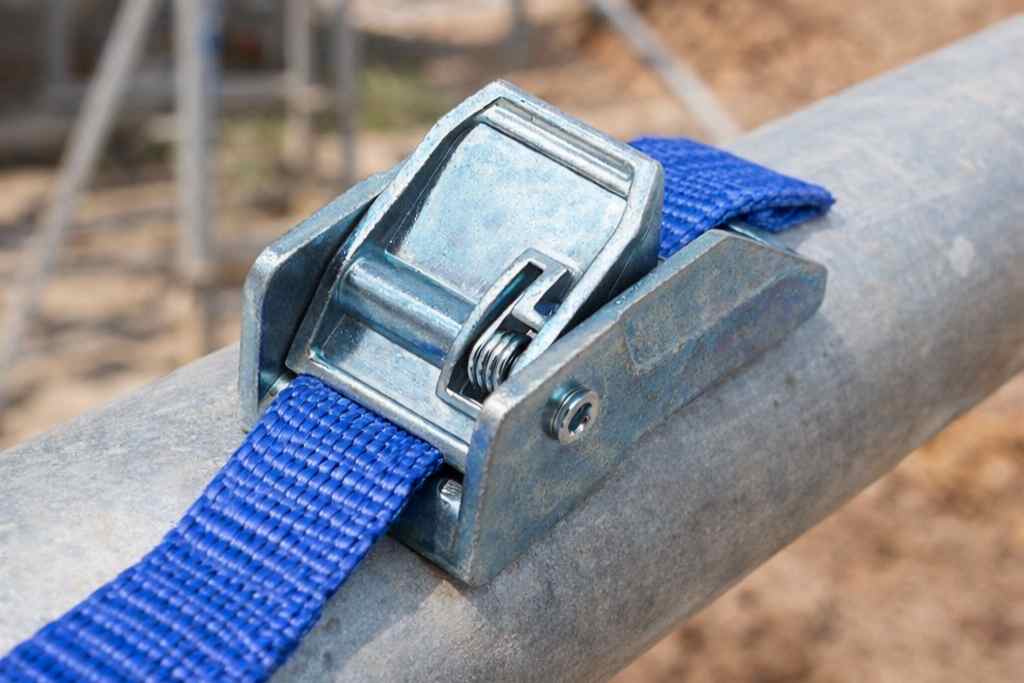
Choosing between cam-buckle and ratchet straps depends on the items you need to secure. Baoying cam-buckle straps are easy to use and suitable for a variety of purposes. People typically consider safety, ease of use, strap lifespan, and suitability for their cargo. Users should always ensure the cam-buckle is working properly, tighten the strap, and check the strap’s tightness during long-haul transport.
Key Takeaways
- Cam-buckle straps are best suited for light to medium-weight goods. They are ideal for fragile items such as furniture and electronics.
- Ratchet straps give you more control over tightness. They are suitable for heavy and large goods requiring strong support.
- Always check the strap’s load capacity. This helps ensure they can safely support the weight of the goods.
- Using corner protectors prevents sharp edges from damaging the strap. This helps extend the strap’s lifespan and ensures its safety.
- Regularly inspect the straps for damage or wear. This ensures they are safe and reliable when handling items.
Cam-buckle vs. Ratchet Straps Comparison Overview
Tensioning Mechanism Comparison
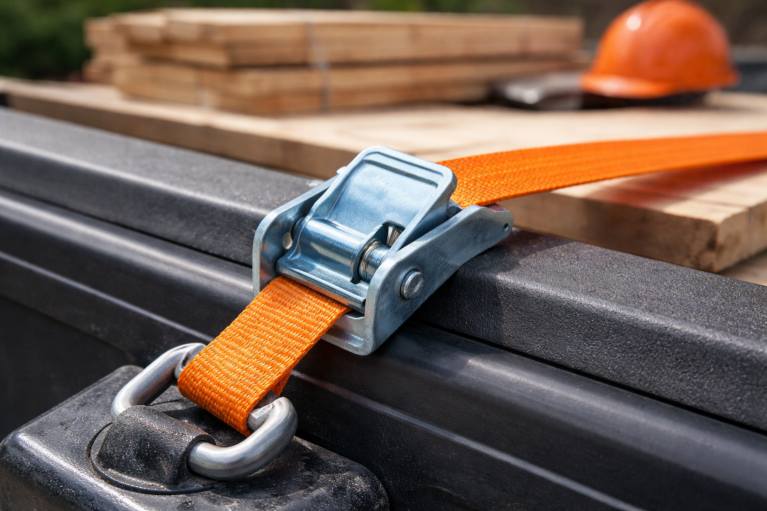
Cam buckles and ratchet belts tighten differently. Ratchet belts use a ratchet system, allowing for very tight tightening. They are ideal for securing heavy loads because the belt remains taut even when the load moves. Cam buckles, on the other hand, use a simple cam lever; simply pull the belt by hand to tighten it. This type of belt is best suited for light loads and situations requiring quick operation.
Load Capacity Differences
Each belt has a manufacturer-set load capacity limit. The working load limit refers to the safe maximum weight. Always check the label before using belts to secure goods.
| Type | Mechanism | Working Load Limit (lbs) |
|---|---|---|
| Cam Buckle | – | 150-500 |
| Cam Buckle | – | 400-1500 |
| Ratchet | – | 250-1100 |
| Ratchet | – | 1500-3666 |
| Ratchet | – | 5400 |
| Ratchet | – | 5400-5670 |
25mm cam-buckle straps can support approximately 250 kg. Baoying cam-buckle straps are suitable for light and medium-weight goods and can handle a variety of cargo transport operations.
Ease of Use Factors
Many people prefer cam-buckle straps because they are lightweight and easy to operate. The cam lever allows you to quickly tighten and loosen the strap, saving loading and unloading time. Ratchet straps have more steps to use but are better suited for carrying heavy loads.
Safety Considerations
Safety is paramount when choosing between cam-buckle and ratchet straps. Both types of straps are equipped with locks to prevent accidental opening. These locks help ensure the safety of your goods during transport.
| Safety Feature | Description |
|---|---|
| Locking Mechanisms | Stop the strap from opening by accident |
| Application | Used for hauling or towing things |
| Security Enhancement | Makes sure items stay strapped down |
Cam buckles are easier to operate than older buckles and offer better tensile strength. Baoying cam buckle straps use robust zinc alloy die-cast buckles to ensure secure binding.
Durability and Materials
The materials used in cam buckles and ratchet straps determine their strength. Nylon is elastic and flexible, making it suitable for goods that may be moved. Polyester is strong and durable, not easily stretched, and resistant to abrasion and sunlight. This makes polyester ideal for outdoor and high-intensity work.
| Standard/Practice | Description |
|---|---|
| Quality = Safety | Good materials and build are very important. |
| Choose Polyester + Zinc | Best for strength and weather safety. |
| Hand-Stitched Seams | Keeps the load safe when stressed. |
| Inspect Often | Check for fraying, rust, or stiffness often. |
| Compliance with DOT and WSTDA | Makes sure straps meet safety rules. |
Baoying cam-buckle seat belts are made of polyester webbing and zinc alloy die-cast buckles, making them sturdy, durable, and versatile.
Best Uses for Cam-Buckle Seat Belts
Ideal Cargo Types
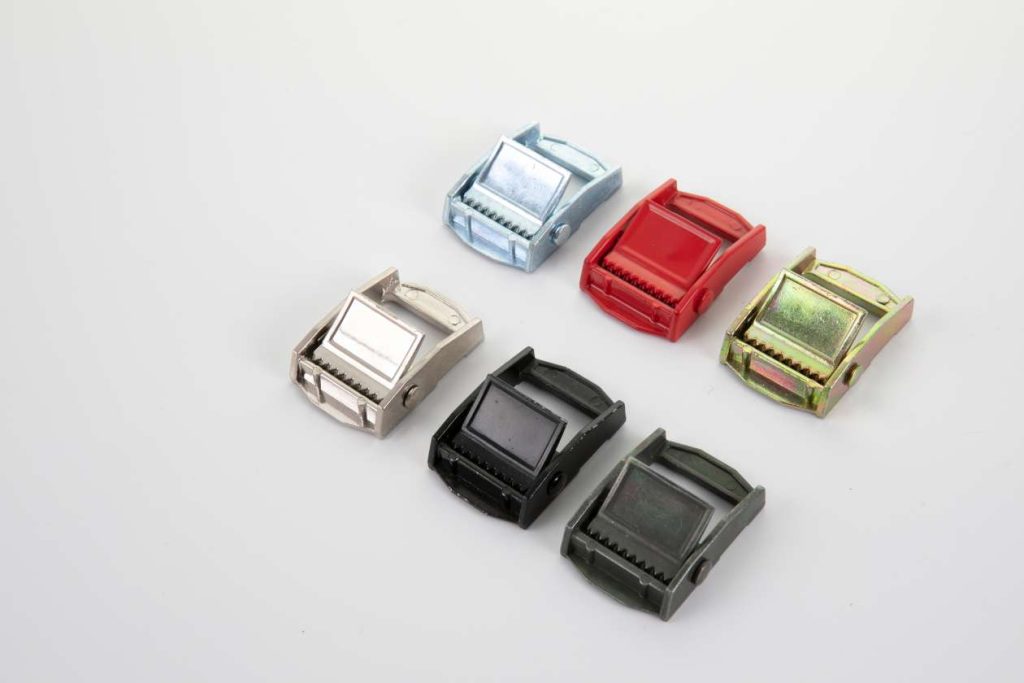
Cam buckles are best suited for light and medium-sized cargo. Experts say they are ideal for fragile items such as old furniture or electronics. You can tighten the straps by hand, effectively protecting your belongings from damage. Baoying cam buckle straps feature comfortable cam bars. The buckles are made of zinc alloy, making them rust-resistant, durable, and reusable.
Quick Securement Applications
Many jobs use cam buckle straps to quickly and securely secure items. Moving workers use them to secure furniture, appliances, and boxes to prevent them from shifting. Outdoor enthusiasts use them to secure kayaks or motorcycles. Baoying cam buckle straps are easy to use and provide a secure hold.
| Use Case | Description |
|---|---|
| Roof Rack and Vehicle Cargo | Great for holding luggage and gear on roof racks or in cars. |
| Camping and Outdoor Adventures | Good for tents and camping gear, even in tough places. |
| Moving and Storage | Needed for keeping furniture and boxes safe when moving. |
| Motorcycle and ATV Transportation | Made to hold motorcycles and ATVs safe on trailers or trucks. |
Limitations of Cam Buckles
Cam buckles have some limitations. They require manual tightening. This means they are not suitable for securing very heavy items. The table below lists the differences between cam buckles and ratchet belts.
| Feature | Cam Buckles | Ratchet Straps |
|---|---|---|
| Load Capacity | Not as strong as ratchet straps | Can hold more weight |
| Tensioning Ability | Needs your hand strength | Can get very tight |
| Suitability for Heavy Cargo | Not good for very heavy things | Good for heavy things |
Baoying ratchet belts are suitable for light and medium-weight goods. They ensure your belongings are safe, fast, and efficient, and provide cargo protection for a variety of operations.
When to Choose a Ratchet Belt
Heavy-Duty Applications
Ratchet belts are best suited for heavy and large goods. They provide strong support for large loads. Moving and shipping companies typically use ratchet belts with flat hooks or wire hooks. These belts can carry loads weighing thousands of pounds. The table below lists the suitable scenarios for ratchet belts based on weight and cargo type:
| Application | Typical Weight Rating Required | Key Considerations |
|---|---|---|
| Highway Transport | Up to 5,000 lbs | Smooth roads, steady speeds |
| Off-Road Transport | 5,000-10,000+ lbs | Rough ground, sudden movements |
| Extreme Weather | Varies | Strap strength, material toughness |
Ratchet tie down straps keep goods stable during long-distance transport or on bumpy roads. They are strong and reliable, suitable for heavy-duty operations.
Advantages of Ratchet Straps
Ratchet straps can only tighten in one direction. This design securely holds heavy objects. Moving and transport companies prefer ratchet straps because they are made of strong polyester webbing. Polyester is strong, durable, and not easily stretched. This keeps goods stable during movement. Ratchet straps prevent goods from shifting and slipping, making transport safer. Their high strength makes them ideal for large items such as machinery, vehicles, or building materials.
Precautions
There are some issues users should be aware of regarding ratchet straps. Overtightening can damage the strap or the goods. Using straps beyond their load-bearing capacity is extremely dangerous. Old or damaged straps can cause accidents. Loose ends can cause goods to loosen. Sharp edges, if not covered, can cut or abrade the strap.
Cam Buckle vs. Ratchet Straps: Comparison
Key Features Table
Comparing cam buckles and ratchet straps side-by-side helps people choose the most suitable straps for their needs. The table below lists the key differences between the two types of straps:
| Feature | Cam Buckles | Ratchet Straps |
|---|---|---|
| Tensioning Mechanism | Pull tight manually | Mechanism for high tension |
| Weight Capacity | Lower, suitable for lighter cargo | Higher, for heavy and large items |
| Ease of Use | Simple, quick release | Takes time to learn |
| Suitability for Cargo | Lightweight items like furniture | Heavy items like cars and machinery |
| Durability | Less durable | More durable, made of polyester |
Cam-buckle straps are quick and easy to use, suitable for a variety of purposes. They are ideal for securing fragile items such as electronics or furniture. You can tighten the strap by hand for better control over tightness. Ratchet straps with flat hooks are very strong and designed for securing heavy objects such as cars or machinery. Their unique design allows you to pull the strap very tight, which is especially important for long journeys or bumpy roads.
Advantages and Disadvantages
Cam-buckle and ratchet straps each have their own advantages and disadvantages. The table below lists the advantages and disadvantages of each type of strap:
| Type | Pros | Cons |
|---|---|---|
| Cam Buckles | Quick-release functionality; suitable for medium-duty tasks; working load limit of 500 to 1,500 lbs. | Less tension control compared to ratchet straps; not ideal for heavy industrial use. |
| Ratchet Straps | Maximum tension control; working load limit of 1,667 to 10,000+ lbs; suitable for heavy-duty applications. | More complex to use; may take longer to secure compared to cam buckles. |
Cam-buckle lashing straps are popular because they are lightweight and easy to use. They are very practical when items need to be moved quickly, such as moving boxes or packing equipment. Cam-buckle lashing straps with wire hooks can also be used to secure tarpaulins, hang hammocks, or secure bicycles and kayaks without scratching them.
Ratchet lashing straps with flat hooks and wire hooks are best suited for heavy-duty operations. These straps are strong and durable and can be used to move cars, machinery, or building materials. Their strength ensures the safety of items during long-distance transport or on rough roads.
Choosing Cam-Buckle or Ratchet Ladders
Assessing Your Cargo Needs
To choose the right lashing straps, you need to understand your cargo. Think about how heavy, how big, or unusually shaped your items are. Cam-buckle lashing straps are suitable for light or medium-sized items. They are quick and easy to use. Ratchet lashing straps are stronger and suitable for large or heavy loads. The table below shows which type of binding strap is more suitable for different uses:
| Criteria | Cam Buckle Straps | Ratchet Straps |
|---|---|---|
| Weight and Size of Load | Suitable for light/medium cargo | Required for heavy/bulky cargo |
| Level of Security and Tension | Low-to-moderate security | High security/high tension demand |
| Ease of Use and Application Speed | Quick and easy for frequent use | More complex but maximum safety |
| Environmental Conditions | Good for mild environments | Best for harsh environments |
Baoying cam-buckle straps are lightweight and easy to use, suitable for everyday use. Ratchet straps are better suited for situations requiring the secure fastening of heavy objects.
Frequency of Use
The frequency of use of straps is also important. If you frequently need to secure items, durable and easy-to-use straps are essential. Ratchet straps with flat hooks or wire hooks are strong and durable, capable of handling heavy-duty work. Cam-buckle straps are quick and convenient, suitable for frequent light-duty securing work. Consider the following:
- Load Weight: Heavy objects may require chain or ratchet straps.
- Load Shape: Irregularly shaped items require flexible straps.
- Fragility of Goods: Cam-buckle straps protect fragile items from excessive force.
- Frequency of Use: Ratchet straps are suitable for frequent heavy-duty work; cam-buckle straps are suitable for quick and convenient work.
If you frequently need to secure items, choosing easy-to-use straps is crucial.
Safety and Reliability Tips
Ensuring the safety of your goods is paramount. The following tips will help extend the life of your straps and ensure the safety of your goods:
- Before using new straps, wash them to remove any slippery material.
- After tightening the strap, pull the buckle tight to ensure it is secure.
- Apply lubricant to the metal buckles and moving parts, especially after they have been wet with seawater.
- Pass the strap through the cam buckle in an “S” shape to prevent slippage.
- Tie any excess strap in a knot for added security.
- For more durable straps, choose medium or heavy-duty ratchet straps.
- Do not leave straps taut overnight to avoid damaging your goods.
- Always check the straps for damage before use.
- Store the straps properly after use to maintain their strength.
Experts recommend checking the strap’s load capacity, width, and length. Ensure both ends of the strap align with the anchor points. Specialized straps help you handle heavy workloads with ease. Baoying cam buckle straps are easy to use, durable, and ideal for securing light to medium-weight goods.
Industry magazines indicate that ratchet straps are suitable for heavy-duty operations. They provide strong tensile strength and meet shipping regulations. Cam buckle straps are better suited for leisure or light-duty operations. They are quick and gentle, which is crucial for certain tasks. Cam buckle straps are suitable for fragile items. They prevent damage caused by overly tight straps. Ratchet straps are best suited for heavy-duty operations. They keep the straps taut and secure.
Baoying cam buckle straps are easy to use. You can easily and smoothly tighten the straps. They are suitable for a variety of different tasks. They are lightweight and easy to use, making them ideal for securing goods.
FAQ
Why are cam-buckle ties so lightweight and easy to use?
Cam-buckle ties are lighter than ratchet ties. They feature a simple cam-bar design, making them quick and easy to use. Goods can be secured quickly without additional tools.
When should you choose ratchet ties instead of cam-buckle ties?
Ratchet ties are strong and suitable for heavy-duty operations. They are best suited for large and heavy goods. Moving companies use them when strong ties are needed. These ties offer maximum tensile strength and are durable.
Are cam-buckle ties with wire hooks suitable for securing fragile items?
Cam-buckle ties with wire hooks help protect fragile items. The wire hooks allow you to secure the ties in different ways. You can adjust how fragile items are secured, which helps prevent damage during handling.
How does durability affect the ease of use of ties?
Durable ties are easier to use and last longer. Strong materials are less prone to wear and tear. Polyester webbing is less likely to break. Zinc alloy buckles won’t rust. Durable binding straps ensure cargo security and save costs.
What are the main advantages of using cam buckles for quick securing?
Cam buckles are convenient, quick, and time-saving. They allow you to quickly bind your goods. People appreciate their ease of use. Their design prevents you from pulling too tight. Cam buckles are suitable for light and medium-sized goods.