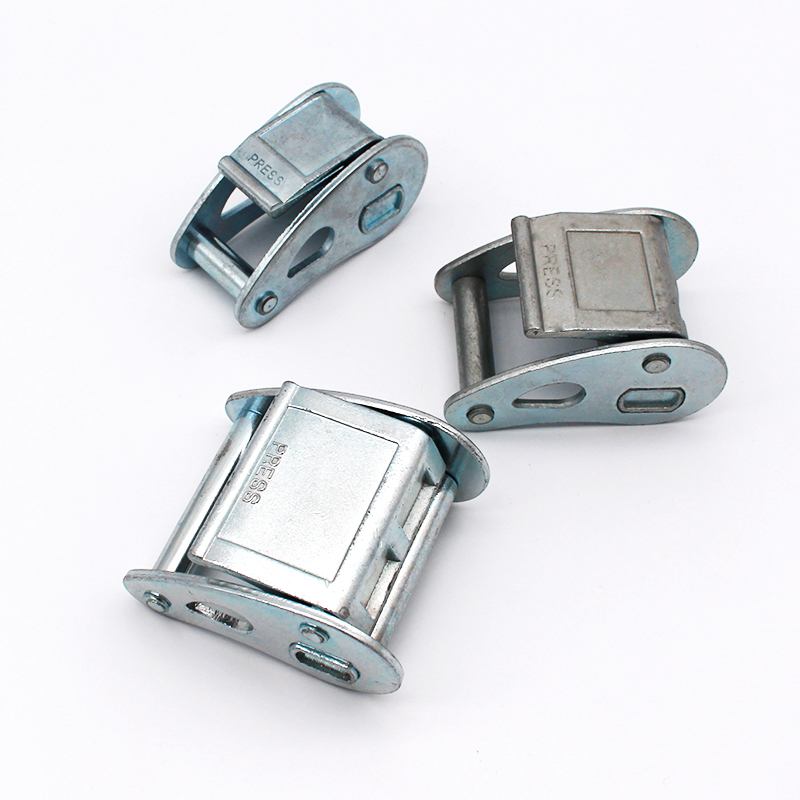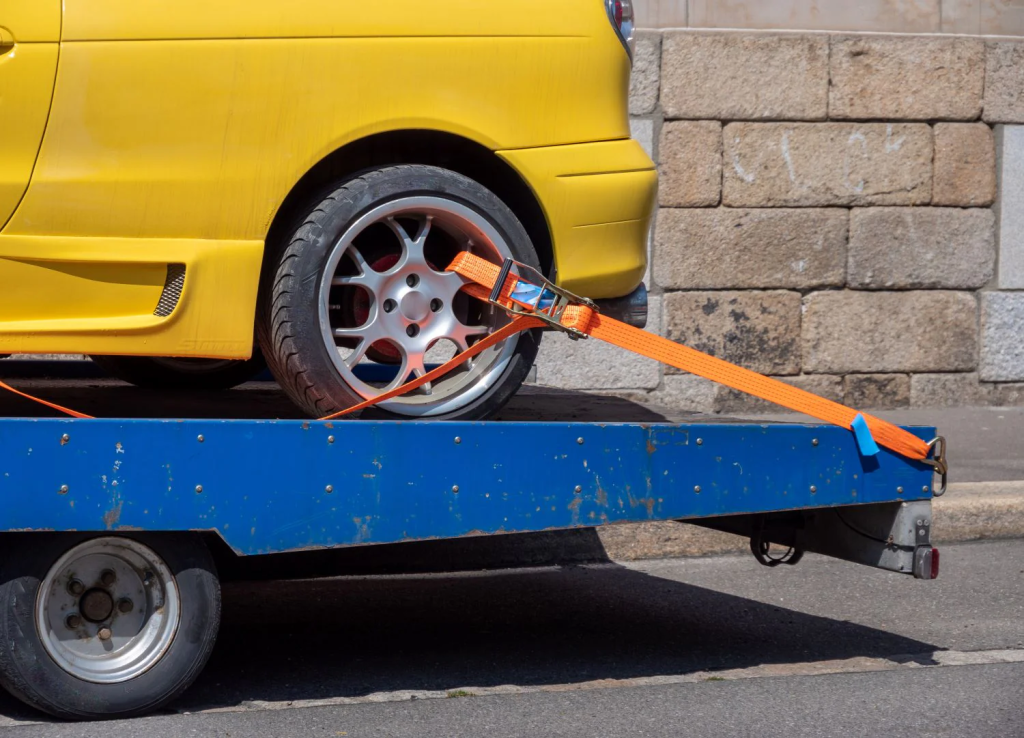
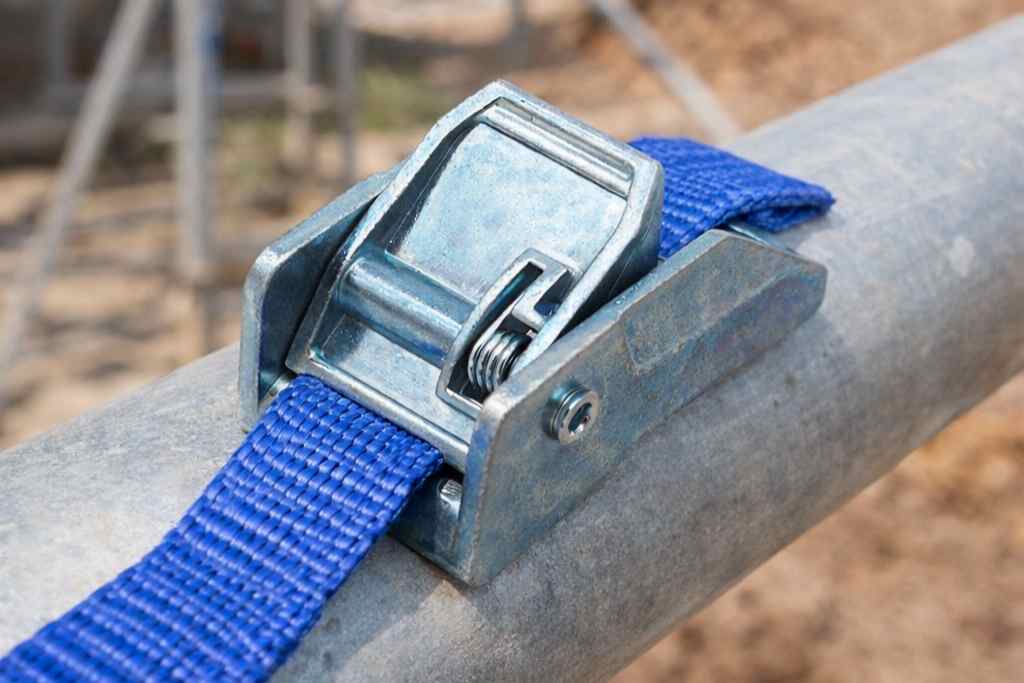
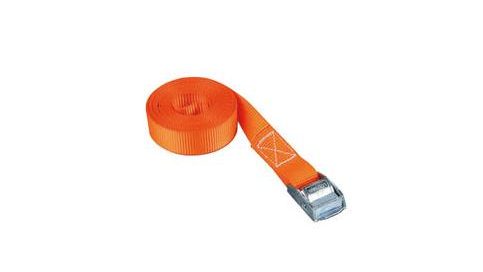
A cam buckle strap uses a spring-loaded lever to grip webbing, which makes it quick to set and simple to release. Like any tie down strap, it needs a check before each use and a second look during the trip, with detailed inspections scheduled by how often and how hard the strap works.That two-part rule applies to cam buckle straps, ratchet straps, and over center buckle straps alike. Even durable polyester webbing with zinc-plated hardware demands a hands-on check every time.
Nbby1’s cam buckle straps take this further, combining spring-loaded cam buckles, high-tenacity polyester webbing, and zinc anti-corrosion coating with working load limits matched to the load.
Key Takeaways
- Check cam straps before every trip to catch wear early and prevent accidents.
- Recheck straps after the first few miles and at rest stops to keep tension secure.
- Set a regular inspection schedule based on how often and how hard you use the straps.
- Inspect webbing, stitching, buckles, and hooks for damage or wear.
- Retire any strap with deep cuts, broken stitching, or bent hardware—when in doubt, throw it out.
Why cam Strap Inspection Matters
Safety and Load Security
A strap holds a load using tension alone. If the webbing tears, the stitching comes apart, or the buckle slips, that tension is gone in a second. The cargo then shifts or falls off the vehicle completely. A loose load can hit other vehicles, block a lane, or hurt people nearby. Property damage comes right after, from crushed cargo to damaged trailers and racks.
Regular strap inspection catches these problems while they are still small. A frayed edge or a stiff cam buckle gives a clear warning before a strap breaks under load. Operators who check their cam straps often find wear early and swap the strap before a trip turns dangerous. That habit protects drivers, bystanders, and the cargo itself.
Compliance Basics
Workplace safety rules treat sling inspection as a routine duty, not an optional task. OSHA regulation 1910.184(d) requires a competent person to inspect each sling and all fastenings and attachments every day before use, with more checks during use where conditions warrant. Damaged or defective slings must come out of service right away.
OSHA 1910.184(e)(3)(i) states:
Such inspections SHALL in no event be at intervals greater than once every 12 months.
That 12-month limit applies to alloy steel chain slings, so treat it as a benchmark rather than a rule that covers every cam strap. Still, the logic carries over well to tie down straps, ratchet straps, and cam straps. Daily checks plus a scheduled deeper review keep equipment in good working condition. Many employers apply the same discipline to every strap in their fleet, and that approach builds a strong safety record.
Pre-Use Checks for Cam Straps
Quick Check Steps
A fast hands-on routine catches most failures before they reach the road. Run this sequence every time, ideally as part of a pre-run ratchet strap inspection habit that covers every piece of securement gear on the vehicle.
- Feel the full length of the webbing with a bare hand. Skin finds snags, melted spots, and stiff patches that eyes skip past. Look for cuts, fraying, holes, and abrasion along both faces.
- Check the stitching at every sewn junction and at the loops holding the hardware. Broken or pulled thread in a load-bearing pattern means the strap comes out of service.
- Cycle the cam buckle open and closed, then take up a little tension. The cam should engage and hold, and the webbing should sit flat with no twist. A twisted strap loses holding strength and wears unevenly.
- Inspect the hooks for bending, cracks, or a spread throat opening. Spring keepers should snap closed and hold.
- Confirm the working load limit tag is legible. A strap with no readable rating is questionable at a roadside check.
Operators should also inspect the roof rack or anchor points along with the straps. Rust, corrosion, and loose bolts on the rack weaken the whole system, so address them early. The same discipline applies to tie down straps of every type: inspect every strap before every run, not just the one that looks worn.
Rechecks During Trips
Tension changes once the vehicle moves. Road vibration and cargo settling reduce strap tension over time, and cam buckles can allow slight relaxation as webbing settles under load. Keeper Products recommends stopping after the first few miles to recheck tie-downs, then inspecting them periodically throughout the journey. NW Straps describes the industry best practice as checking after the first 10 miles and every 50 miles thereafter, with a half-turn of re-tension often enough to restore a snug fit.
A practical pre-trip strap check takes about thirty seconds. Walk around the vehicle, confirm each strap is routed correctly and properly tensioned, and verify hooks remain fully seated in their anchor points. Give each strap a quick tug to reinforce the habit. At rest stops on long journeys, repeat the visual pass and readjust as needed.
Heavy-duty polyester webbing with zinc-plated hardware, as offered by manufacturers like BAOYING, resists abrasion, UV damage, and corrosion, and zinc coating keeps hardware moving smoothly in wet or salty conditions. That durability supports long service life, yet it never replaces the check itself. A quality strap still demands inspection before using the strap on any load, and a regular strap inspection routine remains the surest way to catch wear early. Whether the fleet runs cam straps or ratchet straps, the same before-every-use discipline applies.
How often should you inspect tie down straps?
There is no single calendar answer that works for every fleet. The right schedule depends on how often a strap is used and how harsh the conditions are. A strap that rides a flatbed daily in coastal weather ages much faster than one that secures a boat twice a summer. Operators should set their schedule based on those two factors, then adjust it as they gain experience. A written policy takes out the guesswork and gives every driver the same standard.
Factors That Shorten Intervals
Several conditions make inspections need to happen more often. Daily commercial use is at the top of the list, because every load cycle adds wear to webbing and hardware. Marine work brings salt spray, and The Ratchet Shop notes that salt spray breaks down standard zinc-plated steel quickly, with corroded ratchet teeth a common cause of mechanism failure under load. Coastal haulage and boat transport therefore need a tighter cycle than inland dry-van work. Vibration from long-distance transport works buckles loose and rubs webbing against sharp edges. Long runs combine that vibration with repeated loading and unloading, so a single tie down strap on a multi-day haul sees more stress than its mileage alone suggests. Heavy loads stretch stitching and stress cam mechanisms over time. Exposure to oils, hydraulic fluids, or agricultural chemicals also matters, since The Ratchet Shop warns that contaminated webbing can look fine while its strength drops a lot. A strap that touches fuel or farm chemicals should be reviewed more often than the standard guidance suggests. Any operation facing these conditions should inspect more often than a baseline schedule suggests, and should note the reason in its records.
Recommended Interval Guidelines
Public guidance for slings offers a workable benchmark. The OSHA safe sling use page ties periodic inspections to how often slings are used, how severe the service conditions are, the nature of the lifts, and experience gained in similar circumstances. It sets normal service use at yearly, no greater than 12 months, and severe service use at monthly to quarterly. Special and infrequent use follows the recommendation of a qualified person.
| Service Condition | Benchmark Interval |
|---|---|
| Normal service use | Yearly, no greater than 12 months |
| Severe service use | Monthly to quarterly |
| Special and infrequent use | As recommended by a qualified person |
These figures give teams a starting point, not a fixed law for every strap. A shop that runs ratchet straps through daily dock work can treat monthly as reasonable for heavy use, while a weekend hauler may stretch the cycle. OSHA’s daily-before-use rule plus the 12-month maximum remains the outer reference. Each operation should follow its own equipment policy and the manufacturer’s guidance, and document whatever cadence it chooses. A practical approach tiers straps by duty. Reserve one set for severe service and give it a monthly inspection, keep a second set for normal work on the yearly cycle, and review the whole schedule after any near miss or damaged strap. That review turns a strap inspection log into a feedback loop, and the loop tightens intervals where the evidence points. Fleets that regularly inspect straps this way catch wear before it becomes a failure. The habit supports both ratchet strap inspection and cam straps alike, and it pairs well with the pre-trip strap check every driver already performs. Teams that inspect tie down straps on a fixed schedule also satisfy auditors with far less effort.
What to Check During Strap Inspection
Webbing and Stitching
Start with the webbing itself. Run a hand along the full length and look for defects such as cuts, burns, knots, or worn stitching. Any cut, tear, or worn edge weakens the load path, even when the damage looks minor. Check for melting, charring, or glazed webbing near buckles and hooks, since heat damage often hides at contact points. UV fading matters too, because faded fibers lose strength over time.
Stitching deserves its own pass. Broken or pulled load-bearing stitching means the strap comes out of service immediately. Look closely at the sewn patterns that hold hooks and buckles in place. Loose thread, skipped rows, or separation along a seam all signal a failing strap. Regular strap inspection at this level catches small flaws before they grow into a cut, tear, or worn edge that fails under load.
Buckles and Hardware
Hardware fails in predictable ways. US Cargo Control advises inspectors to check the hook throat opening and confirm it has not spread beyond its original dimension. A bent, cracked, or opened hook throat cannot hold tension safely. Hercules Lifting recommends testing the cam mechanism for wear, deformation, and correct spring return. A ratchet that slips, sticks, or will not lock belongs out of service, and the same rule covers cam buckles.
- Corrosion, rust, or pitting on buckles and hooks weakens metal and stiffens moving parts, per Rise Safety.
- Cracks, bends, or distortion change how a fitting carries load.
- Sharp edges, burrs, or wear near 10% of original thickness call for removal, Rise Safety notes.
- Missing or illegible load rating labels make a strap questionable.
Cleaning and lubrication keep hardware working. Rinse off grit before adding lubricant, or the grime stays trapped inside. A silicone-based spray works well on stiff mechanisms, while heavy oil attracts dirt. Wipe webbing with mild detergent and water, never bleach, and air dry fully. Teams that clean and inspect your tie down straps on the same schedule catch wear and tear early. Whether the fleet runs ratchet straps or cam straps, inspecting a tie down strap properly means checking webbing and hardware together, every time.
When to Retire a Cam Strap
Clear Retirement Criteria
Some damage means a strap can’t be used anymore, right away. Deep cuts, broken stitching, and bent or rusty buckles all count. A strap that has taken a shock load also comes out of service, even if it looks fine. Shock loads stress fibers in ways you can’t see by looking.
Operators should know when to retire a strap before they climb onto a truck bed. A clear rule removes doubt at the roadside. Many fleets also set a regular replacement age, along with damage-based retirement. Age alone rarely tells the full story, but it gives slow-wearing straps a backstop.
Replacement and Recordkeeping
Retired gear needs to be kept apart from working stock. Maptrack’s inspection checklist guidance advises teams to record the defect, remove the equipment from service, and tag it as unserviceable. The same source recommends storing failed gear apart from serviceable equipment so nobody picks it up by mistake. A simple tag and a dedicated bin solve most of that problem.
- Record the defect and tag the item as unserviceable.
- Store retired gear apart from serviceable equipment.
- Note the calculated expiry date at each inspection for the next inspector.
Simple records make the whole program stronger. A log with strap IDs and inspection dates shows auditors a clear history. Teams that inspect tie down straps on a fixed schedule already hold most of that data. They only need to write it down.
One rule outranks every other. When in doubt, retire a strap. The cost of a replacement strap is small next to the cost of a failed load. Crews should treat uncertainty as a reason to act, not a reason to wait. A tagged strap in the scrap bin never hurts anyone.
The two-part rule keeps loads safe. Check cam straps before every trip, look them over again during trips, and set up detailed inspections based on use and conditions. Teams should make these checks part of normal work, so the habit lasts through busy days and staff changes. Damaged gear comes out of service right away, because a strap you doubt never gets a second chance.
Checking straps the same way every time protects people, cargo, and equipment. A few minutes before each haul and a written plan for deeper reviews cover the whole job. Crews that treat tie down straps this way find wear early, retire bad straps fast, and keep every load moving safely.