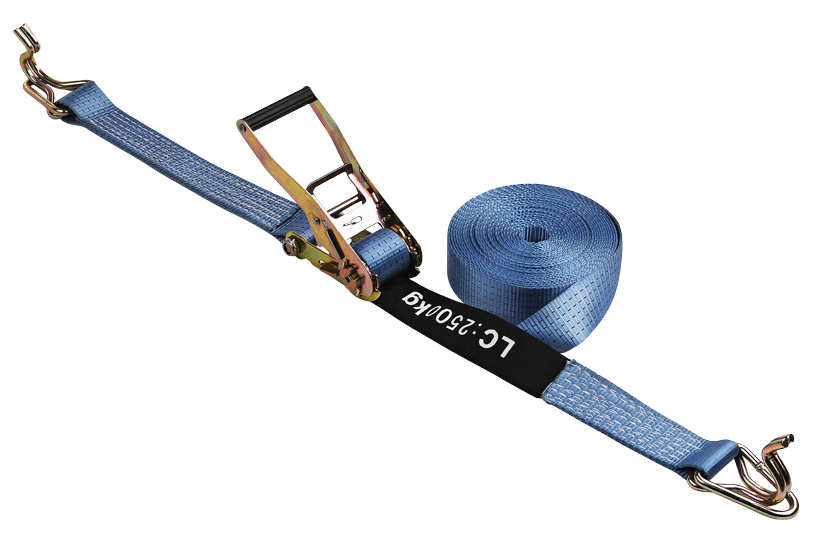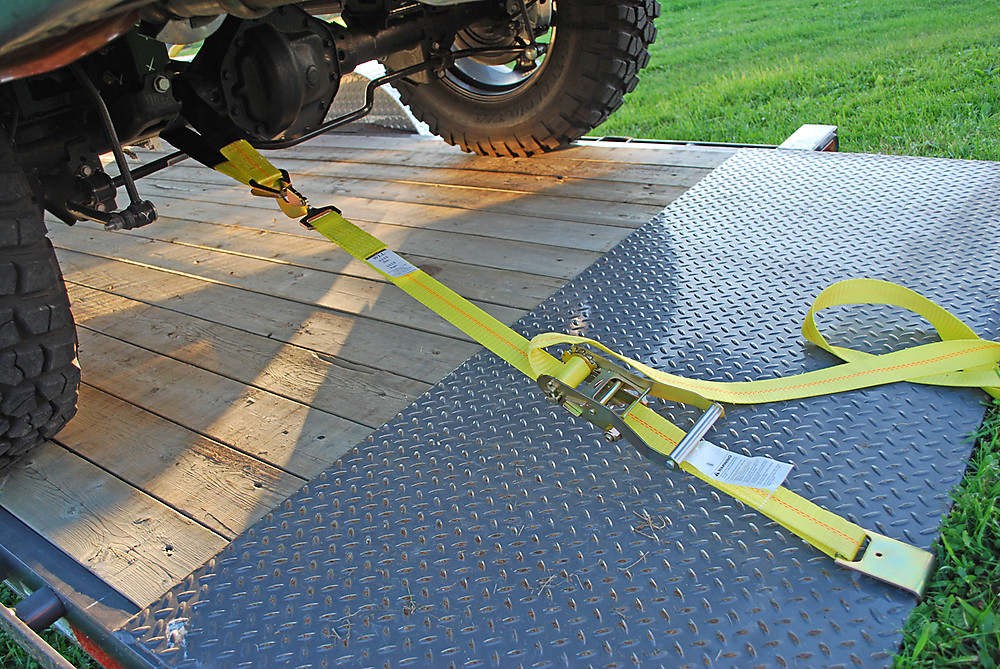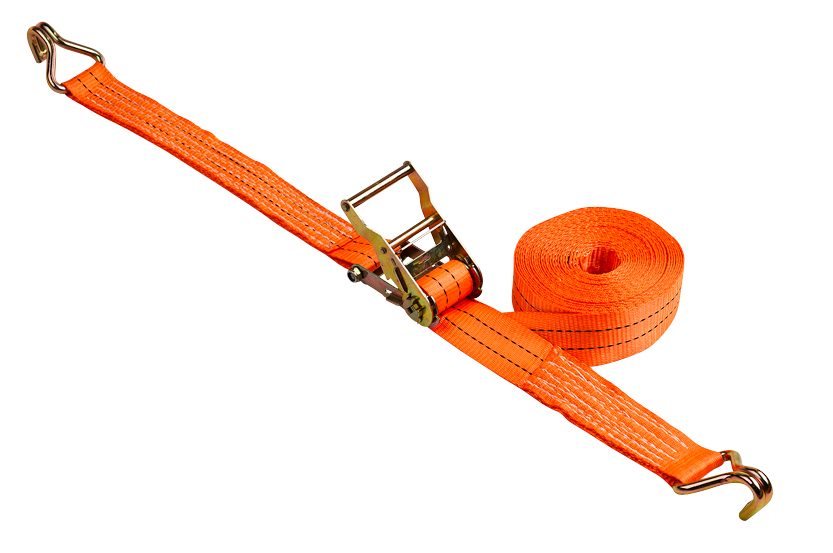
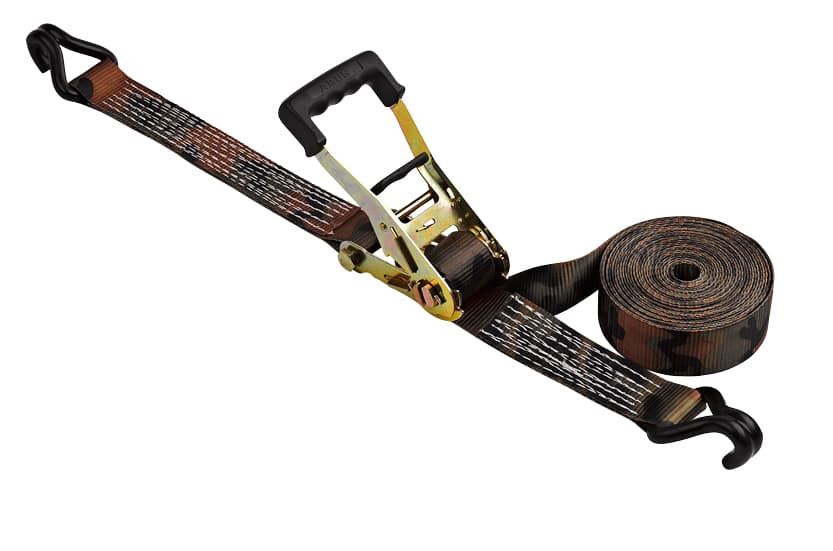
Yes, drivers can use tow ropes to tow vehicles, and proper use of tow ropes is crucial for safety. Following safety guidelines and choosing the right equipment is essential. Tow ropes are designed specifically for vehicle rescue; they have a degree of elasticity to help absorb impact, making their use safer and more effective. Unlike inelastic tie-down straps, tow ropes provide the flexibility needed to safely tow a vehicle. For beginners, kinetic tow ropes are recommended, while tow ropes with hooks should be avoided. Using tow ropes correctly, combined with these safety tips, will ensure a safer and more successful rescue operation.
Key Takeaways
- Tow ropes can help tow vehicles stuck in mud, snow, or sand. They are elastic and absorb impact, making them safer to use.
- Before using a tow rope, always check it for any damage. A damaged tow rope may break and injure others.
- Tow ropes should only be used at secure hook points, such as tow hooks. Never use them at weak hook points, as this could damage the vehicle.
- Tow ropes are different from tow ropes. When your vehicle is stuck, use a tow rope. When you need to move your vehicle on the road, use a tow rope.
- When using a tow rope, always follow safety rules. Maintain a safe distance, pull slowly, and avoid pulling suddenly.
What is a tow rope?
Tow Rope Definition
A tow rope is a powerful tool. It helps vehicles get out of mud, snow, or sand. People use tow ropes because they are elastic and can support heavy loads. Most tow ropes have loops at the ends for easy attachment to vehicles. Tow ropes are available in various sizes and strengths to match different cars and trucks.
The following table lists common technical parameters for tow ropes:
| Specification | Details |
|---|---|
| Width | 2″–6″ |
| Length | 30′ |
| Load Rating | 18,000–24,000 lbs |
| Material | Polyester or Nylon |
| Resistance | Abrasion, UV, chemicals, mildew |
| Design | Looped or twisted loop ends |
Manufacturers conduct strength tests on rescue straps. They check how much tensile force the rescue strap can withstand before breaking and set a safety limit. Experts recommend choosing a rescue strap with a rated tensile strength of at least three times the vehicle’s weight.
How Rescue Straps Work
Rescue straps use their elasticity to help tow a vehicle. When a vehicle is stuck, the rescue strap stretches with the pull of another vehicle. This stretching can store energy, helping to pull the stuck vehicle out.
- Rescue straps can distribute the pulling force, thus improving safety.
- This elasticity allows for a gentle pull on the vehicle, reducing the risk of damage.
- Nylon material gives rescue straps their elasticity, which is not found in ordinary tow straps.
Manufacturers recommend using rescue straps with a breaking strength of at least twice the vehicle’s weight. For example, a 10,000-pound rescue strap is best suited for vehicles weighing no more than 5,000 pounds. For safety, always check the rated tensile strength of the rescue strap before use.
Using Car Rescue Straps
When to Use a Rescue Strap
Drivers sometimes get stuck. Rescue straps can help get the vehicle out of trouble. Rescue straps have a variety of uses. Here are some common scenarios:
- Loose sand and snow: Dynamic ropes are very effective in these situations. They make the towing process smoother and protect sturdy parts of the vehicle.
- Light to moderate mud: Rescue straps provide enough traction to pull the vehicle out. In this case, you don’t need to use a large winch.
- Off-road adventures: Rescue straps are popular among off-road enthusiasts. Learning how to use them can improve safety and boost driving confidence.
- Recreation and work: Rescue straps are suitable for both recreational and work environments. They are a great way to help vehicles get out of trouble.
Rescue straps absorb bumps and provide some traction. This elasticity helps protect the connection between the rescue strap and the vehicle. The nylon loops protect the paint from scratches. Check your rescue straps regularly and clean them properly. Store your tow ropes properly to prevent damage from weather conditions.
When Should You Not Use a Tow Rope?
Incorrect use of a tow rope can pose safety hazards. In some situations, drivers should not use a tow rope. Here are some risks and problems:
- Improper Connection Points: Attaching a tow rope to vulnerable points, such as the bumper or tow ball joint, can cause vehicle deformation or component damage.
- Using Hooked Tow Ropes: These tow ropes may come loose when pulled forcefully. They can fly off and seriously injure others.
- Deep Mud or Unstable Ground: If a vehicle is stuck in mud, a tow rope may not be effective. You may need to seek professional help.
- Lack of Training: You need to know how to use a tow rope correctly. Lack of knowledge about proper operation can pose greater dangers to people and vehicles.
- Damaged or Worn Tow Ropes: If a tow rope looks old or broken, it may break. A broken tow rope can cause injury.
Many cases show that people have been injured, or worse, due to incorrect use of tow ropes. Seeking professional help can cost between $500 and $2,000 or even more. Groups that teach people how to properly use tow ropes can improve safety and help people prepare.
How to use a tow rope to pull a car out of the snow
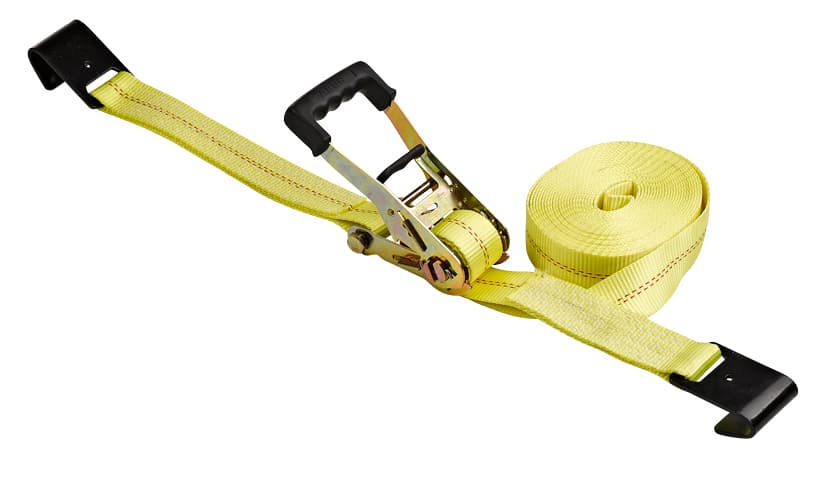
Step-by-Step Rescue Guide
Drivers can safely tow their vehicles out of the snow by following these steps:
- Inspect the rescue straps for cuts, abrasions, or other damage. Never use a damaged rescue strap.
- Check the load-bearing capacity of the rescue straps. Ensure they are strong enough to support the weight of the vehicle.
- Clear the rescue area. Keep all bystanders away from the rescue area.
- Clear as much snow as possible around the tires and under the vehicle.
- Plan a rescue route. Observe the ground conditions and ensure there is a clear path for both vehicles.
- Select secure anchor points on both vehicles.
- Attach the rescue straps to the anchor points. Ensure the rescue straps are secure and free of twists or knots.
- The rescue vehicle should move slowly and pull gently. Avoid sudden, forceful pulls.
- During the rescue, frequently stop to check the rescue straps.
- Once the vehicle is free, remove the rescue straps and check for new damage.
Safety Tips: Always keep the rescue area clear. Never stand near a stretched rescue strap during the rescue.
Securely Tighten the Tow Strap
Properly tightening the tow strap is crucial for safety and a successful rescue. Drivers should:
- Inspect the tow strap before use. Check for signs of tearing, cuts, or abrasion.
- Use only secure anchor points, such as tow hooks or mounting points on the vehicle frame.
- Avoid using weak points such as bumpers or suspension components.
- Use hooks, D-rings, or loops to secure the tow strap. Ensure the tow strap is not twisted.
- Check that the tow strap is straight and not tangled.
If the tow strap is damaged in any way, replace it before attempting to tow the vehicle out of the snow. Always keep the tow strap taut to prevent it from slipping during use.
Vehicle Positioning
The driver’s vehicle position affects the effectiveness of the rescue. The following table lists best practices:
| Factor | Optimal Position | Why It Matters |
|---|---|---|
| Pull Angle | Straight (0-15°) | Prevents side loading and strap damage |
| Distance | Close, but not touching | Maximizes pulling power |
| Ground Stability | Firm, level surface | Keeps recovery vehicle from sliding |
| Anchor Points | Chocked or braked | Stops movement toward stuck car |
| Escape Route | Clear path for both vehicles | Allows quick exit if strap fails |
Drivers should always check the surrounding area for obstacles. Both vehicles need sufficient space to drive safely. Straight traction helps the tow rope perform optimally and reduces the risk of damage.
Tow Rope Safety Tips
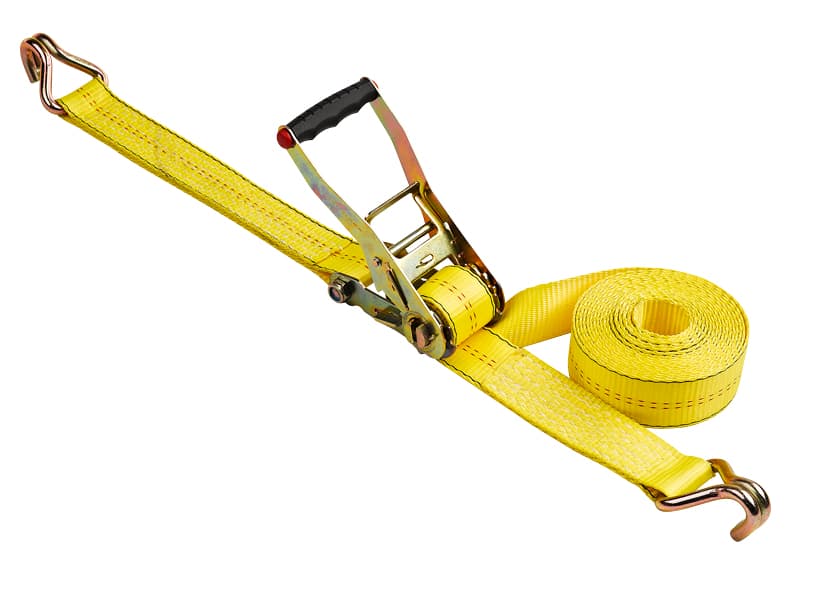
Important Precautions
Safety is paramount when towing. Drivers should check all equipment before each trip. Inspect the tow strap for cuts, abrasions, or damage. Only use undamaged tow straps and shackles. Clear the work area before starting tow. No one should approach the tow strap or its tension point. This ensures personnel safety in case the tow strap breaks.
Always attach the tow strap to a secure tow hook on the vehicle. These hooks are designed to withstand tension. Using weak hooks such as bumpers or tow balls can cause injury. Drivers should pull the tow strap slowly and steadily. Pulling hard can damage parts or cause the tow strap to break. In case of an emergency, remain calm and follow the steps above. This ensures the safety of everyone involved in towing.
Tip: After using the tow strap, double-check the tow strap and all tools. Replace any damaged equipment before your next trip.
Common Mistakes to Avoid
Many people make mistakes when using tow straps. Avoiding these mistakes helps ensure everyone’s safety. Here are some common mistakes:
- Not checking gear before using it.
- Letting people stand near the strap during recovery.
- Using weak or non-rated attachment points.
- Joining two straps with metal shackles instead of soft links.
- Using too much throttle instead of steady power.
- Not checking gear after pulling a car out.
Drivers should not use recovery straps for towing on roads. Tow straps are better for steady pulls on flat ground. Recovery straps are made for off-road and absorb shock during pulls. Using the right tool keeps everyone safe.
| Mistake | Safer Alternative |
|---|---|
| Standing near tensioned strap | Clear the area completely |
| Using metal shackles to join | Use soft links |
| Jerky, fast pulls | Controlled, steady movements |
| Skipping post-use inspection | Check gear after every recovery |
Recovery Strap vs Tow Strap
Key Differences
Many drivers are unclear about the difference between tow straps and rescue straps. These two types of straps look similar, but their uses are completely different. Tow straps are used to tow vehicles that are already drivable; they are not elastic. Rescue straps, on the other hand, are used to pull vehicles out of mud, snow, or sand. These straps are elastic and can store energy, making them safer for pulling stuck vehicles out.
The table below lists their differences:
| Feature | Tow Straps | Recovery Straps |
|---|---|---|
| Stretch | No | Yes |
| Main Use | Towing free-moving vehicles | Recovering stuck vehicles |
| Material | Polyester or similar | Nylon (for stretch) |
| Safety | Less safe for recovery | Safer for pulling out a car |
| Ends | Often have metal hooks | Usually have looped ends |
Tow straps typically have metal hooks. These hooks can break and cause injury. Rescue straps, on the other hand, use flexible buckles. These buckles are more secure and help protect the vehicle. A robust rescue strap can handle a variety of challenging rescue situations, ensuring the safety of both vehicles.
Why Rescue Straps Are More Popular
Many people choose rescue straps because they are safer and perform better. Rescue straps are strong and durable, performing admirably even in the most difficult conditions. Their flexibility makes them easy to use in many situations. Rescue straps with flexible buckles help prevent injury and protect vehicle parts.
The table below lists the reasons why rescue straps are more popular:
| Evidence Type | Description |
|---|---|
| Strength and Durability | Recovery straps are built for extreme forces and last longer than tow straps. |
| Flexibility | Recovery straps bend and stretch, making them easier to handle. |
| Safety Features | Soft shackles reduce the chance of injury and protect towing points. |
Tow straps are cheaper because of their simple design. Rescue straps are more expensive, but can save you money in the long run. Off-road drivers prefer rescue straps because they are durable and can avoid the need for towing. Rescue straps are made of strong materials, hence their higher price. Off-road drivers consider buying rescue straps a wise decision.
Rescue straps can help drivers get their vehicles out of trouble. They work best when used correctly. Safety checks are crucial for everyone’s safety. Always check that any equipment is in good working order before using it. If you are unsure how to do this, seek help from an expert. Rescue straps are different from tie-down straps and other tools. Using the right tools makes every rescue safer.
FAQ
Can I use a rescue strap to tow on a highway?
Drivers should not use rescue straps to tow on paved roads. Rescue straps are best suited for pulling vehicles out of mud, sand, or snow. Tow straps are more suitable for highway towing operations.
What is the safest way to attach a rescue strap to a vehicle?
The rescue strap should be attached to a secure anchor point, such as a tow hook or chassis. Avoid attaching it to the bumper or tow ball. Always check the rescue strap for damage before use.
How should a rescue strap be stored after use?
The driver should clean the rescue strap and allow it to dry. Store the rescue strap in a cool, dry place. Avoid direct sunlight and contact with chemicals to protect its material.
What should you do in an emergency if your vehicle is stuck?
The driver should remain calm and clear the surrounding area. If a rescue strap is available, use it. Ask others to stand at a distance. If the vehicle cannot be moved, seek help.
Can a novice driver safely use a rescue strap?
Novices can safely use a rescue strap as long as they follow the instructions. They should read the owner’s manual, check the rescue strap, and use the correct anchor point. Safety checks help prevent accidents.