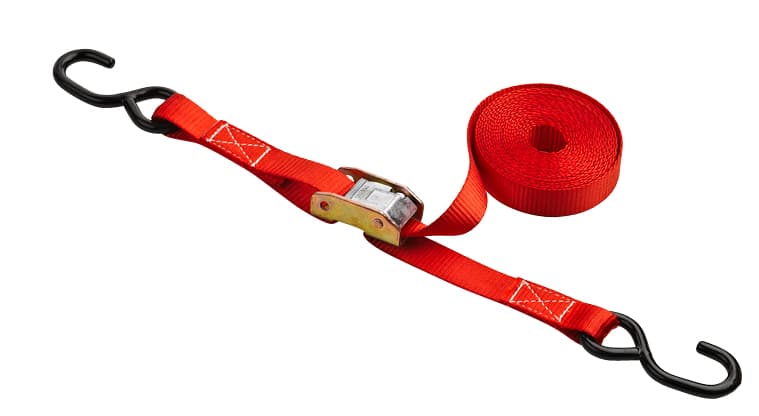
Many workers ignore ratchet straps until a load moves. The best ways to care for these tools depend on three main things: regular checks, proper cleaning, and correct storage. Good maintenance makes cargo safer and saves money. These easy steps stop costly accidents. They also make equipment last much longer. Users look for worn webbing and rusty hooks. They clean the straps after dirt or salt gets on them. They oil the ratchet mechanism. Following this easy care routine keeps the equipment working well for years.
Key Takeaways
- Check ratchet straps before every trip for wear and damage.
- Clean straps with mild soap and water after exposure to dirt or salt.
- Lubricate the ratchet mechanism twice a year for smooth operation.
- Store straps in a cool, dry, dark place to prevent damage.
- Replace straps every 2-4 years or at the first sign of damage.
Regular Inspections
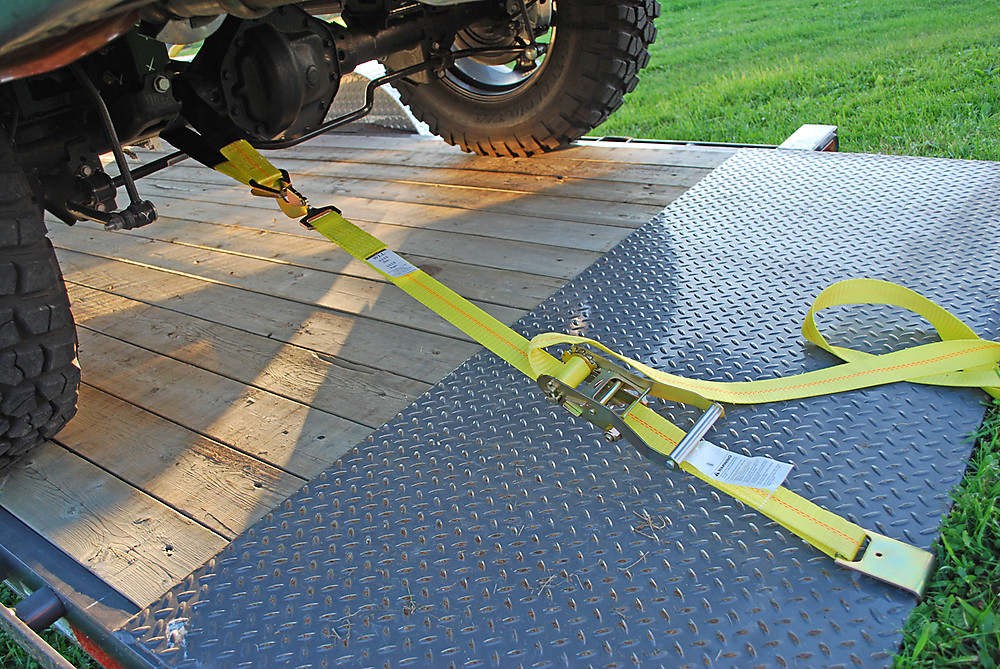
Regular inspections are the base of any ratchet strap care plan. A strap can look okay at first glance but still have hidden damage that causes failure under load. You should make a simple inspection habit part of their daily routine.
Inspect Webbing and Hooks
The webbing holds the load, so it needs the closest attention. Move a hand along the full length of each strap and check for fraying, cuts, or snags. Look for holes, tears, burns, and melted fibers. Mold or mildew also shows that moisture has gotten into the fabric. UV damage shows up as fading, stiffness, or brittleness. A strap that was bright yellow can fade to a pale yellow after sun exposure. Research shows polyester webbing keeps up to 85% of its original strength after long UV exposure, which means it can still lose about 15% of its capacity. That loss happens even on cloudy days, so visual inspection matters all year.
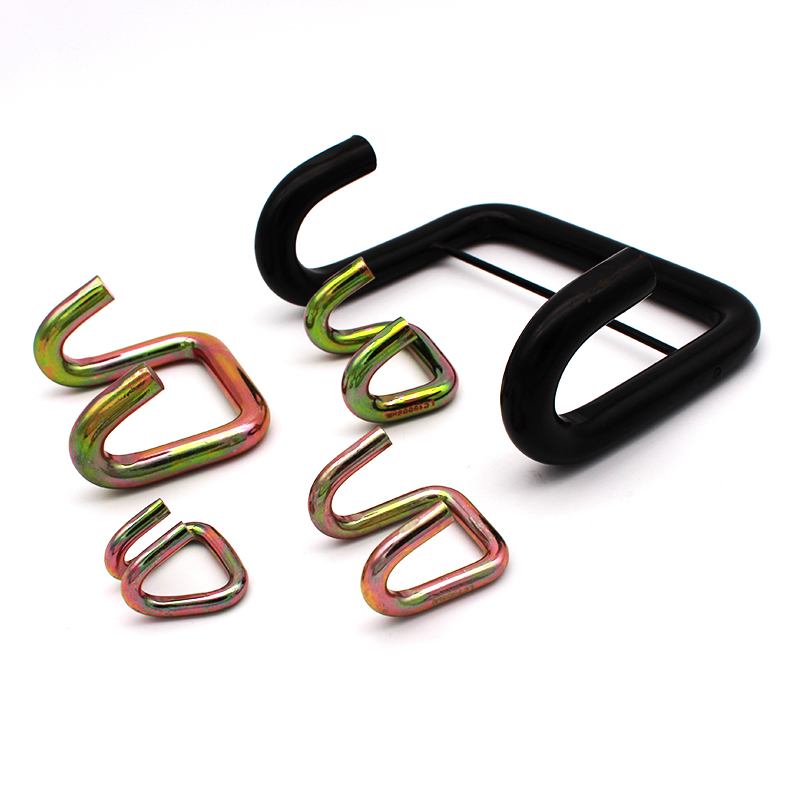
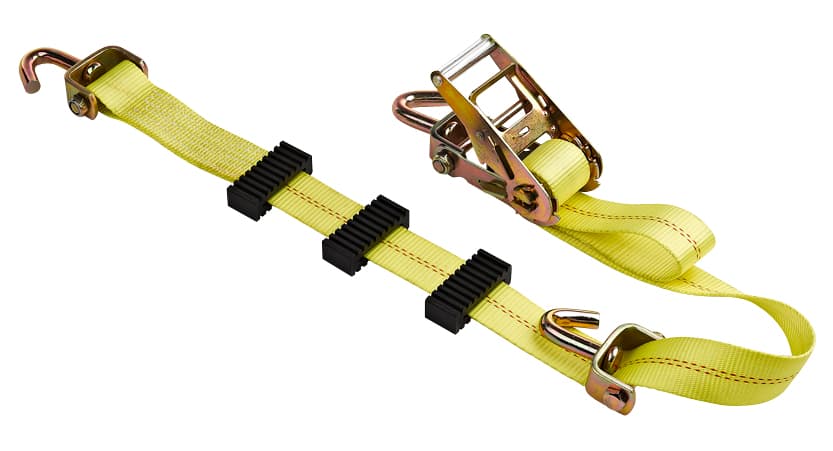
Hooks and end fittings need the same careful check. Look for bending, cracks, pits, or rust. A bent hook may not sit right on an anchor point. Rust that blocks movement weakens the connection. Wear sleeves offer a practical way to stop abrasion where webbing rubs against sharp edges or rough surfaces. Teams that inspect the webbing and hardware together catch problems before they reach the road.
Even high-quality straps need routine checks, because no strap survives neglect.
Check the Ratchet Mechanism
The ratchet mechanism is the heart of the tie-down system. A jammed ratchet from rust and corrosion due to moisture exposure is one of the most common failure causes found during inspections. Dirt, grime, or debris can block pawl movement. Overloading puts too much stress on the mechanism and shortens its life.
Test the ratchet by opening and closing it several times. Listen for smooth engagement. Watch for repeated sticking during retraction. A mechanism that slips or locks poorly under load is unsafe. Check the housing for cracks or deformation. Bent or damaged hooks and fittings also hurt the ratchet’s performance.
The Department of Transportation recommends inspecting each ratchet strap before every run. Drivers should recheck after the first stop once the load has settled and tension may have changed. For heavy-use situations, a deeper inspection of the full kit monthly makes sense. Uncoil each strap and closely examine every component. This routine takes only a few minutes but prevents costly accidents.
Working load limit tags must stay readable. A missing or unreadable tag means the strap should come out of service. Frayed edges, melted fibers, cuts, and chemical discoloration all signal that the strap has reached the end of its useful life. Chemical exposure from gasoline, solvents, or lawn fertilizers causes internal fiber weakening that may not show on the surface.
Teams that inspect regularly catch small issues before they become dangerous. A steady inspection schedule protects cargo, equipment, and people. It also saves money by extending the life of every strap in the fleet.
Cleaning and Lubricating Ratchet Straps
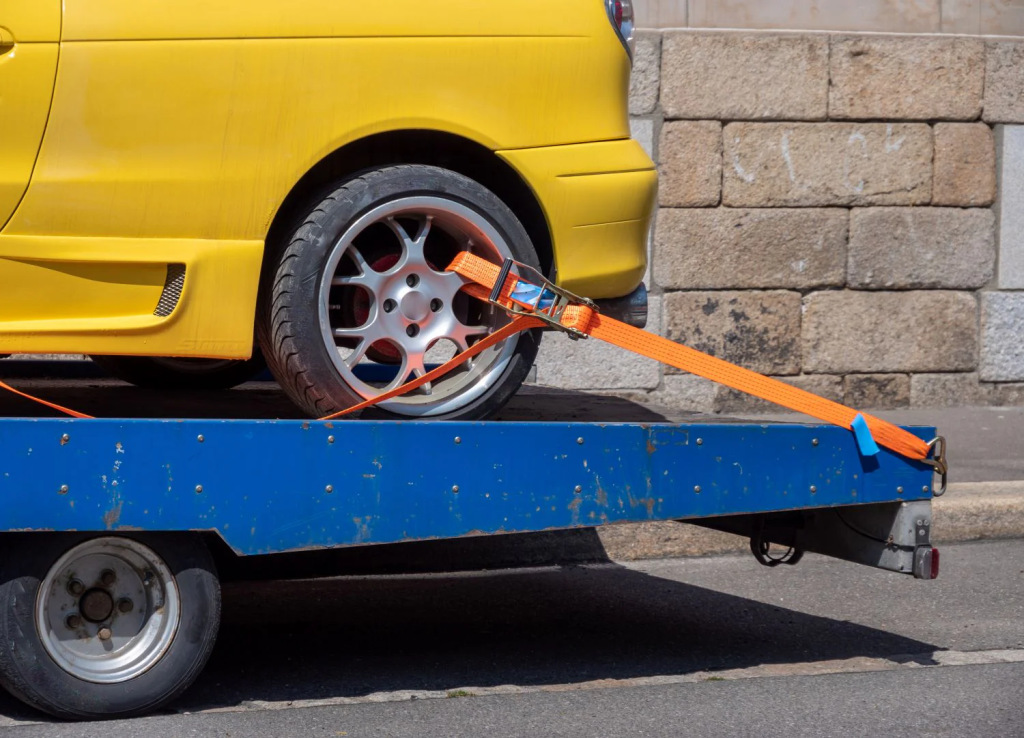
Dirt, salt, and grime make any tie-down wear out faster. Regular cleaning and care of ratchet straps keeps webbing strong and hardware smooth. This step matters most for fleets that haul on winter roads or along coastal routes.
Clean with Mild Soap and Water
Mud and road salt get deep into webbing fibers. A soft brush and warm water get rid of most of it. For heavier dirt, wash the webbing by hand in lukewarm water with mild soap. Do not use bleach or harsh detergents. They break down polyester fibers. Some sources say to use only water. They warn that any chemical, dish soap, or detergent can weaken the strap. Either way, a gentle approach is safest.
Teams should wash the straps after each use. This stops dirt and grime from weakening the webbing and rusting metal parts. They should also clean the straps after they get wet. That lowers the risk of mold and mildew. A mild detergent mixed with warm water works well. Scrub gently with a soft brush to lift debris. Rinse well and wipe down the ratchet and hooks. This cleaning takes only a few minutes per strap.
Drying is just as important. Let everything dry fully before you store it. This is the single most important step. Never store a damp strap. Trapped moisture causes mildew on the webbing and rust in the ratchet. After rain or snow, open and close the ratchet a few times to shake out water. Then leave it open to air-dry. Hang straps where air moves freely. Do not use heaters or radiators. Heat damages strap materials and makes them wear out faster.
Keep ratchet straps dry. Long exposure to moisture can weaken the fibers and cause early wear.
Lubricate the Ratchet Mechanism
A dry ratchet binds, slips, and gets rusty. Lubricating the ratchet mechanism keeps the pawl and release lever moving smoothly. Put a drop of light machine oil or silicone lubricant on the pawl and release lever. Then wipe off extra. This simple habit protects the mechanism and makes it last longer.
Store and Care for Ratchet Straps
Best Storage Practices
How teams store and care for ratchet straps affects how long they last. A cool, dry, dark spot protects webbing and hardware from damage. Direct sunlight hits polyester webbing with ultraviolet radiation. Polyester has an aromatic polymer structure that absorbs and dissipates UV energy as heat, helping resist breakdown. But long exposure still causes fading, brittleness, and strength loss over time. A closed toolbox or covered shelf blocks these rays well.
Moisture is another threat to strap condition. Even polyester, which resists water absorption, does better in dry storage. Dampness leads to mold on webbing and rust inside the ratchet mechanism. Teams should store each strap rolled neatly to avoid hard creases. Proper care for ratchet straps means storing them in a dry spot away from chemicals.
Good maintenance habits protect the investment in quality equipment. Daily storage habits decide real-world longevity.
Common Mistakes to Avoid
Many users make errors that shorten strap life. One common mistake is storing straps while still wet. Trapped moisture leads to mildew on webbing and rust on hardware. Road salt and moisture together can accelerate corrosion, so cleaning after exposure is important. Following the best practices for storing keeps webbing strong and hardware working smoothly. These guidelines help teams store ratchet straps correctly and extend their service life.
When to Replace Ratchet Straps
Signs of Damage and Wear
Knowing when to stop using a strap keeps people and cargo safe. During each check, look for certain problems. Frayed webbing with cut fibers or deep scrapes cannot hold its rated weight. Bent or cracked hooks cannot grip anchor points well. Rust that stops the ratchet from moving shows inner damage. Any strap with these problems must be taken out of use right away.
Teams should replace any damaged parts, even if the rest of the strap looks okay. One weak section of webbing makes the whole strap less strong. Visible wear includes fading from UV light, stiffness, or melted fibers. Chemical stains from oil or solvents also signal hidden damage. Safe use means removing any strap that shows these warning signs.
Age and Usage Guidelines
Even well-cared-for ratchet straps do not last forever. Daily work use wears them out faster than weekend hauling. Salt, sun, and heavy loads speed up the damage. Quality manufacturers use strong materials and corrosion-resistant hardware, but no strap can last forever.
Replace ratchet straps when damage is found.
Regular checks give teams a clear sign of when to order new straps.
Check ratchet straps before each trip. Wash them off after they touch dirt or salt. Oil the ratchet mechanism regularly. Keep them in a dry, dark spot. Swap out any strap as soon as you see damage.
Ratchet straps need regular checks to make sure they are not damaged. Even small damage can greatly lower the strap’s strength and raise the chance of failure while in use.
These habits help every user, from one driver to a wholesale supplier. Quality gear lasts with proper care. Proper care still decides real lifespan. Following these steps goes a long way toward making your straps last longer and keeping cargo secure.
FAQ
How often should someone clean ratchet straps?
Clean them after each use if dirt, salt, or moisture gets on them. Winter roads and coastal routes mean you should wash them right away. A soft brush with mild soap and warm water takes off debris. Rinse them well and let them air-dry fully before you store them. This routine stops fiber weakening and rust from forming.
What lubricant works best for the ratchet mechanism?
A light machine oil or silicone-based lubricant works well. In cold conditions, use lightweight oil or silicone lubricant. Put a drop on the pawl and release lever. Apply again if the mechanism becomes stiff.
Can ratchet straps go in a washing machine?
No. Machine washing damages webbing fibers and hardware. Hand washing with mild soap and lukewarm water is the safe method. Bleach-based cleaners break down polyester. Harsh washing shortens lifespan.
Where should ratchet straps be stored?
A cool, dry, dark location works best. Direct sunlight causes UV damage over time. Moisture leads to mold and rust. Roll each strap loosely or hang it to avoid kinks. Proper storage extends service life significantly.
How long do ratchet straps last?
Usage frequency and conditions affect lifespan. Salt, sun, and heavy loads accelerate damage. Replace immediately at any sign of damage.