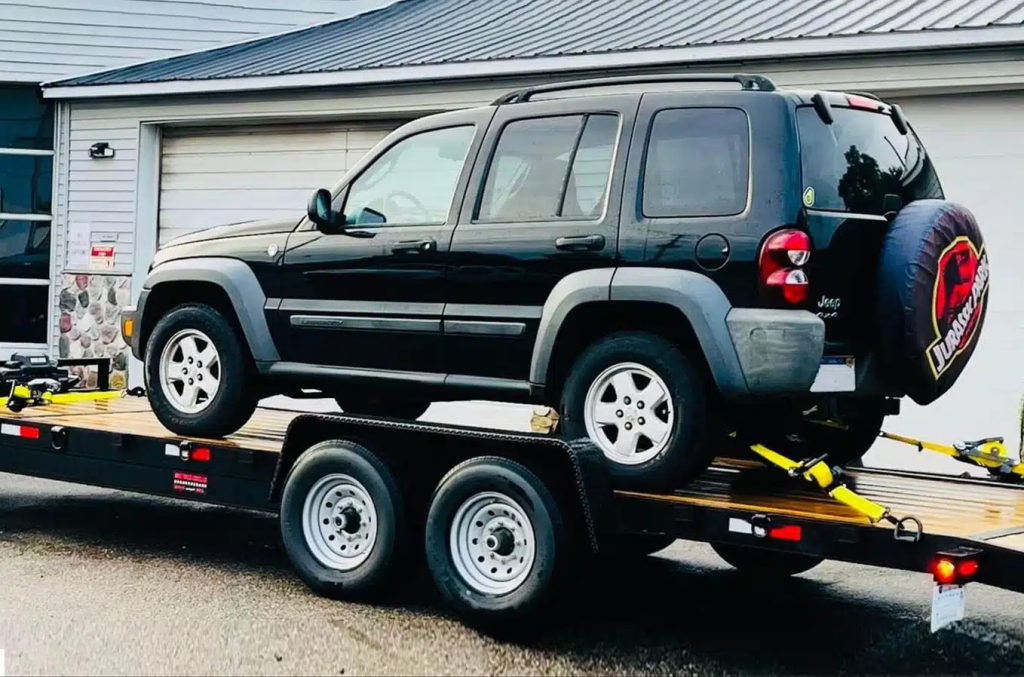

Ratchet straps and a 5,500 lb rated electric trailer winch suit most passenger cars and light SUVs under perfect loading conditions, yet the winch’s actual usable pulling capacity drops drastically below its labeled rating when cable drum layer reduction, ramp gradients, rolling resistance and ground friction are factored in.
Key Takeaways
- Under ideal conditions, a 5,500-pound electric winch is sufficient for towing most sedans and mid-size SUVs on gentle towing ramps.
- The winch’s rated pull force applies only to the first layer of cable on the drum; each additional layer reduces the pull force by 10% to 20%.
- Industry safety standards recommend selecting a winch that weighs at least 1.5 to 2 times the vehicle’s curb weight to handle slope gradients and rolling resistance.
- A flat tire, a steep incline, muddy roads, or a heavy full-size SUV will significantly increase the required pull force.
- Using a pulley block can nearly double the winch’s effective pull force for heavy loading operations.
- Overusing a 5,500-pound winch near its maximum load can lead to overheating, melting wires, and premature damage.
What Does a 5500 LB Winch Rating Actually Mean?
Winch Tension Ratings vs. Actual Performance
The nominal tension values of all electric winches are the maximum tension measured when the cable is wound on the innermost (first) drum—measured under ideal laboratory test conditions of flat ground, no friction, and straight-line pulling.
As the amount of cable wound on the drum increases, the effective tension decreases sharply:
- Second cable layer: ~20% loss of rated pull
- Each additional outer layer: 10–15% further power reduction
A winch with a nominal tensile strength of 5,500 pounds cannot maintain that strength after several feet of cable have been unwound and wound into a thicker outer layer. If your load already requires more than 4,000 pounds of tension before the cable is wound around, the winch’s performance will rapidly decline.
Additional Resistance When a Vehicle is on a Trailer Ramp
Pulling a car to flat ground is much easier than pulling it up a sloping car transport ramp. The winch must overcome two different types of resistance simultaneously:
- Vertical gravity pull from the ramp slope
- Rolling friction from tires against metal trailer deck/ramp
Even a gentle 3° ramp can multiply required pulling force many times over. For steep tilt-bed trailers or low-profile flatbeds with sharp entry angles, the workload jumps dramatically.
5500 lb winches retail between $400–$1,000 depending on build quality, synthetic/steel cable, wireless remotes and waterproof motor housings. For light to medium hauling, they deliver solid value without the cost of heavy-duty 8,000+ lb winches.
Key Factors Affecting Winch Pulling Capacity
Whether a 5500-pound winch can safely load a vehicle depends primarily on three factors: vehicle rolling resistance, ramp geometry, and electrical setup.

Vehicle Weight and Resistance
A winch needs to pull the weight of the vehicle and overcome road resistance. Rolling resistance increases if the trailer ramp is steep or the tires are flat. These factors need to be considered when choosing a winch. Gentle car transport ramps (6-10°) will increase the vertical pulling force slightly; while steeper (12-15°) inclined trailer ramps will significantly increase the pulling force requirement. It is safer to use a winch with a pulling force at least twice the vehicle’s weight. Many suppliers provide charts to help you choose the right winch.
Trailer Ramp Incline & Cable Drum Layers
- Always mount the winch at the trailer front with a straight, unobstructed cable path to the vehicle anchor point; side-angle pull creates binding and extra friction.
- Keep a minimum of 5 full cable wraps on the drum at all times to prevent cable slippage and hardware failure.
Battery Power & Proper Winch Mounting
Electric winches draw massive amperage under load, so weak batteries ruin performance and risk burnout:
- Install a dedicated deep-cycle battery solely for winch operation, separate from your tow vehicle’s starting battery.
- Run thick-gauge wiring for all power connections and inspect terminals before every load.
- Reinforce factory winch mounting brackets if hauling heavy vehicles to avoid frame bending during pulls.
Step-by-Step Calculation: Will a 5500 LB Winch Work For Your Vehicle?
Follow this simple 4-step formula to calculate total required pull force before attempting to load any vehicle:
- Record the vehicle’s official curb weight (owner’s manual or manufacturer specs)
- Assign rolling resistance percentage based on tire/ramp condition (10% good tires / 20% flat/rough)
- Calculate gravity pull force from ramp incline using vehicle weight × sin(ramp angle)
- Sum incline force + rolling resistance force to get total required pull; compare against 5500 lb rated capacity
3 Real-World Loading Scenarios + Comparison Chart
Scenario 1: Midsize Sedan, Fully Inflated Tires, Standard 10° Ramp
- Vehicle weight: 3,500 lbs
- Ramp angle: 10°
- Rolling resistance: 10%
- Incline pull force: 3,500 × sin(10°) ≈ 595 lbs
- Rolling drag: 3,500 × 0.10 = 350 lbs
- Total pull required: 945 lbsVerdict: 5500 lb winch has massive safety margin; effortless loading.
Scenario 2: Full-Size SUV, Flat Tires, 12° Tilt-Bed Ramp
- Vehicle weight: 5,500 lbs
- Ramp angle: 12°
- Rolling resistance: 20%
- Incline pull force: 5,500 × sin(12°) ≈ 1,155 lbs
- Rolling drag: 5,500 × 0.20 = 1,100 lbs
- Total pull required: 2,255 lbsVerdict: Technically within capacity, but minimal safety buffer. Avoid continuous long pulls; use short bursts to cool the motor.
Scenario 3: Heavy Large SUV Stuck in Mud
- Vehicle weight: 6,000+ lbs
- Extreme mud resistance creates drag equal to full vehicle weight
- Total pull force exceeds 6,000 lbsVerdict: 5500 lb winch insufficient—risk of motor burnout and cable failure. Upgrade to 12,000 lb+ heavy-duty winch.
| Loading Scenario | Vehicle Weight | Ramp Angle | Rolling Resistance | Total Pull Force Needed | Suitable for 5500 LB Winch? |
|---|---|---|---|---|---|
| Midsize sedan, good tires | 3,500 lbs | 10° | 10% | 945 lbs | Yes (plenty of spare power) |
| Full-size SUV, flat tires | 5,500 lbs | 12° | 20% | 2,255 lbs | Yes (use caution, short pulls) |
| Mud-stuck heavy full-size SUV | 6,000+ lbs | Variable | Extreme mud drag | 6,000+ lbs | No |
Safe Winching Practices & Critical Safety Rules
Standard Trailer Winch Operation Best Practices
Safety failures during winching cause severe injury and equipment damage—follow these mandatory rules for every load:
- All personnel stand back at minimum 1.5× total cable length during pulls; never stand over the cable line.
- Lay a heavy canvas blanket or line dampener over the winch cable to absorb energy if the cable snaps under tension.
- Align the winch, fairlead and vehicle anchor perfectly straight to prevent cable fraying and side loading.
- Operate the winch in short 10–15 second bursts; pause between pulls to let the motor cool completely.
- Wear cut-resistant work gloves and safety eye protection at all times during operation.
- Keep the emergency stop button within easy reach and inspect all moving parts for OSHA-compliant shielding before use.
How to Secure Loads With Tie-Down Straps
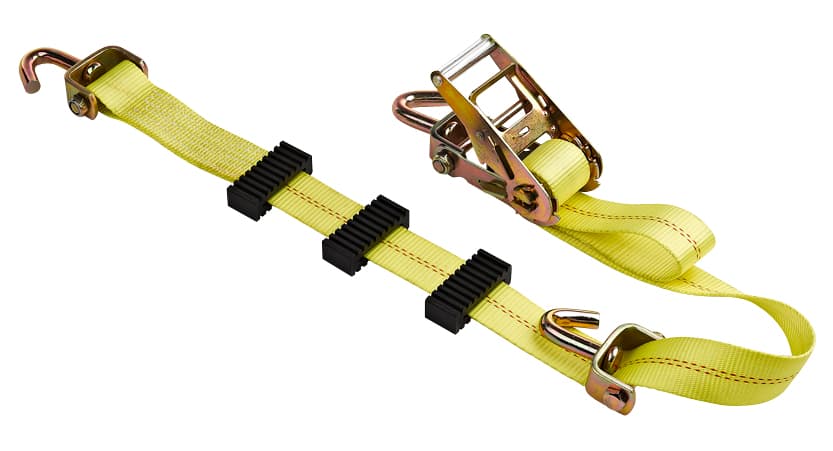
Winches only pull vehicles onto the trailer—ratchet straps secure the car for transport. Always pair winch loading with proper restraint hardware:
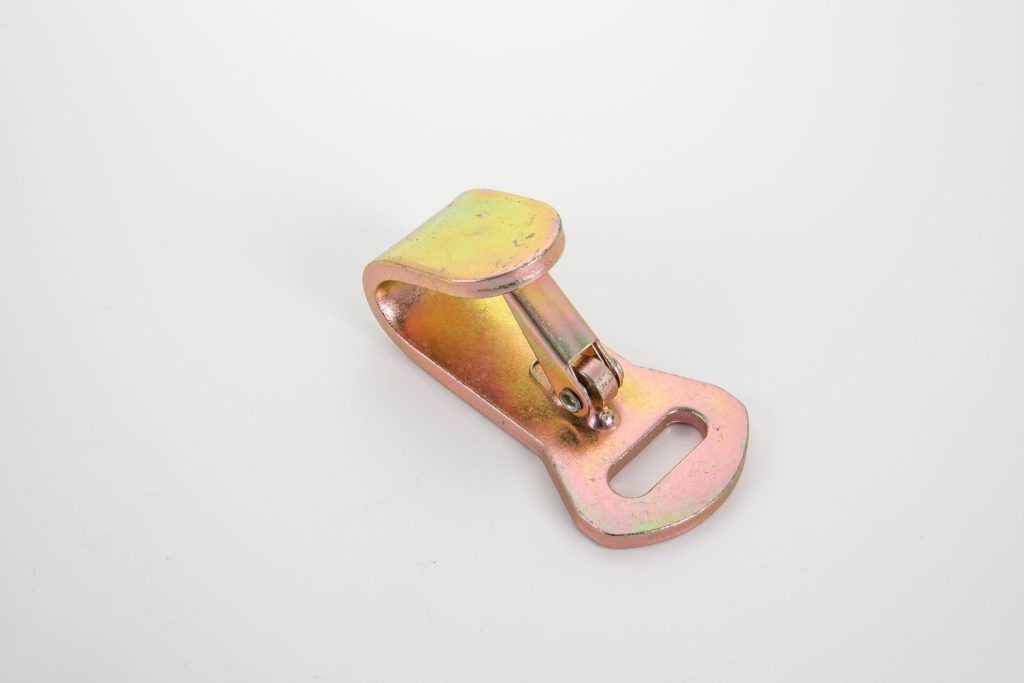
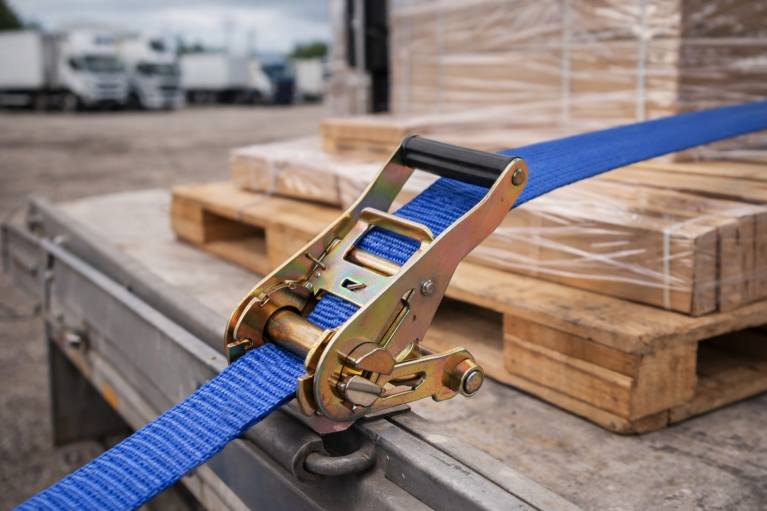
- Ratchet Straps: Heavy-duty polyester webbing for flatbed hauling; maximum tension control for wheel tie-downs.
- Winch Straps: Long-length loop straps routed through the winch drum to hold vehicles in place post-loading.
- Wheel Net / Car Cam Buckle Straps: Adjustable wheel restraints for passenger cars and compact vehicles, ideal for frequent hauling.
Clear Signs You Need a Higher-Capacity Winch
Stop relying on a 5500 lb winch permanently if you regularly encounter any of these warning signs:
- Winch motor runs hot, emits burning plastic odors or melts wiring insulation mid-pull
- You routinely load vehicles over 7,000 lbs curb weight
- Constantly pulling vehicles stuck in mud, sand or deep snow with extreme rolling resistance
- Steep tilt-bed ramps create consistent heavy load demand that maxes out winch speed and powerManufacturers and trailer repair shops universally recommend sizing up winch capacity for long-term reliability instead of operating at the absolute limit every haul.
FAQ
How does a winch load a dead car onto a trailer?
Electric winches use a high-torque DC motor and planetary gear set to spool steel or synthetic cable, creating steady linear pulling force. The cable attaches to solid vehicle anchor points (frame recovery hooks, tow eyes) to drag non-running, dead vehicles up sloped trailer ramps without engine power.
Can a 5500 lb winch load dead cars on tilt-bed trailers?
Yes, under moderate ramp angles and vehicle weights under 5,500 lbs. Tilt-bed trailers with steep drop angles create extra pull resistance, so always use short motor bursts and a snatch block for heavier dead vehicles to reduce strain on the winch motor.
What inspections should suppliers/haulers complete before winching?
Pre-job inspection checklist:
- Cross-check vehicle curb weight against winch rated capacity
- Inspect cable for frays, kinks or broken strands
- Test battery voltage and tighten all power wiring terminals
- Verify tie-down strap load ratings match vehicle weight
- Confirm winch mounting brackets are rigid and free of rust or cracks