Buckles and ratchet pulls serve different purposes. They secure cargo in different ways. Choosing the right securing hardware not only ensures cargo safety but also prevents accidents. Studies show that properly securing cargo is crucial. Using load-bearing and marked lashing straps helps secure cargo. Regularly checking the lashing straps ensures they are not loose or shifted. Using a sufficient number of lashing straps will firmly secure the cargo, thus ensuring its safety.
| Aspect | Impact on Cargo Safety |
|---|---|
| Rated and Marked Tie Downs | Makes sure the right tools are used. This lowers the chance of accidents while moving. |
| Regular Inspections | Finds loose straps or cargo that moves. This stops damage or accidents from happening. |
| Correct Number of Straps | Uses enough straps for the cargo’s weight and size. This makes things safer. |
| Use of Corner Protectors | Keeps straps from getting hurt. This helps them last longer and keeps cargo safe. |
Key Takeaways
- Buckles and ratchet straps each have their uses when securing cargo. Choose the appropriate buckle or strap based on the weight and fragility of the cargo.
- Ratchet straps securely hold heavy objects. Ratchet buckles are better suited for securing light or fragile goods and are easier to use.
- Regularly check the straps for damage. This helps ensure safety when handling cargo. Check for cuts, abrasions, or sun damage.
- Always check the rated working load of the straps. This prevents accidents. Use straps with a load-bearing capacity exceeding the weight of the cargo.
- Baoying offers a wide selection of straps. They also offer customization services to meet different cargo security needs.
Buckles and Ratchet Straps: Definitions
What are buckles?
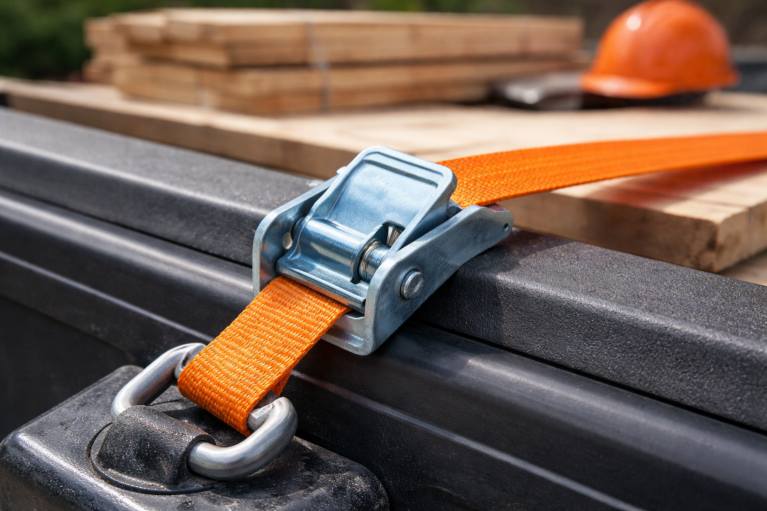
A buckle is a tool used to secure the end of a strap. When the strap is tightened, the buckle locks in place, firmly securing items together. Buckles come in a variety of shapes and sizes. Some buckles have adjustment holes for easy adjustment of tightness; others use levers or cams for adjustment. Buckles are commonly used to secure lighter items or when quick untying is needed. They are especially important for cargo straps because they provide a convenient and quick securing experience. BAOYING offers cam-buckle straps and center-buckle straps to meet different needs. These straps are high-performance and easy to use.
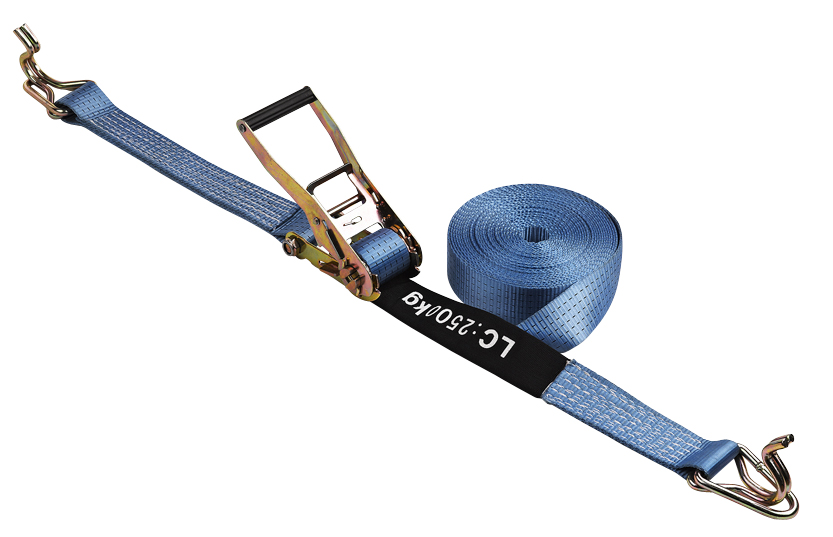
What Is a Ratchet?
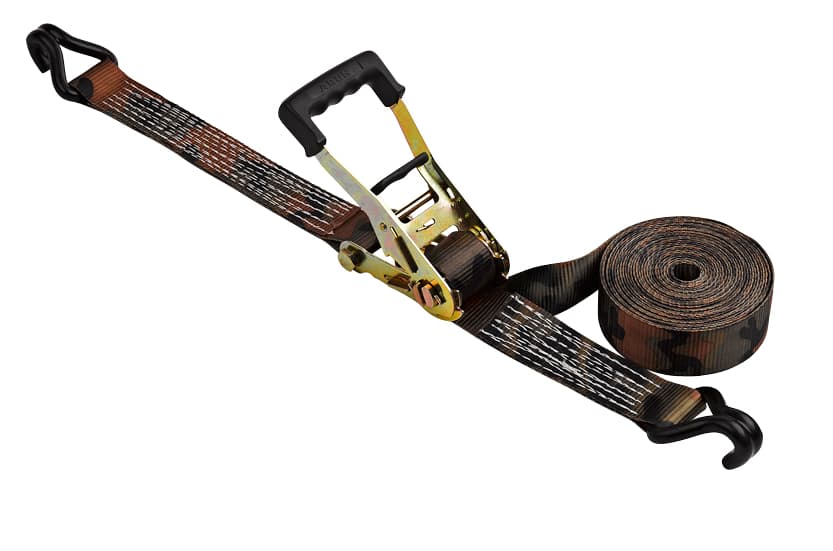
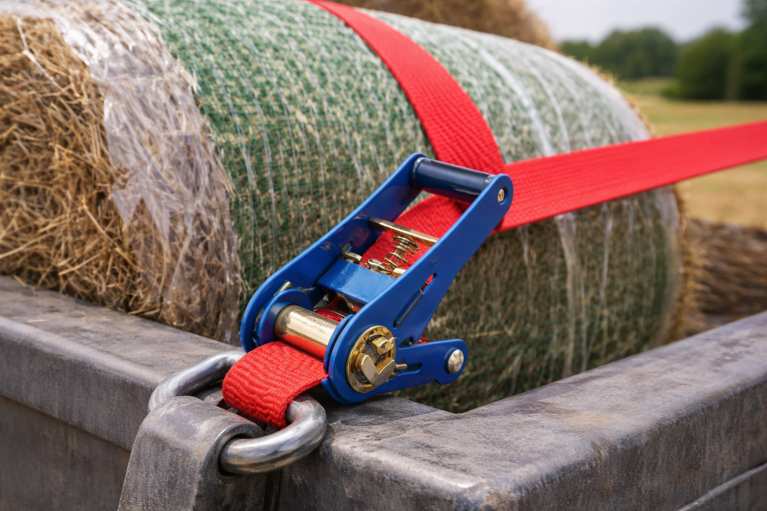
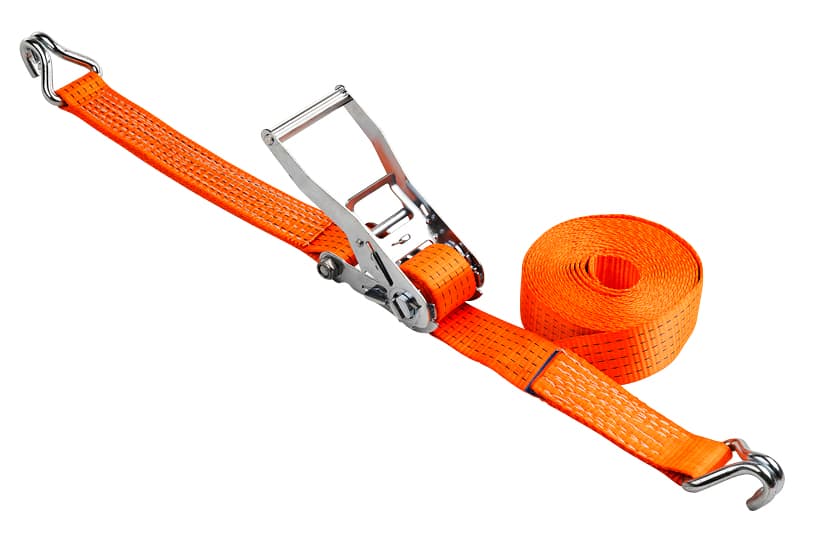
A ratchet is a tool used to tighten straps. It uses a handle and gears to tighten the strap. A ratchet can lock the strap, ensuring the safety of items during handling. Ratchets allow you to adjust the tightness of the strap as needed, making them ideal for heavy-duty work. Ratchet straps are used when strong securing is required. Bao Ying’s ratchet straps use strong, durable webbing and rust-free hardware. These straps help secure large or heavy items, such as cars or machinery.
- Adjustment Method: Ratchet straps can be adjusted freely via a track. Regular buckles have fixed holes.
- Fitting Precision: Ratchet straps have many closely spaced grooves. Buckles have fewer holes with larger spacing.
- Locking Mechanism: Ratchet straps use a spring system for locking. Buckles lock by inserting a pin into a hole.
Cargo straps typically use buckles and ratchet straps to secure cargo. They each have their uses. You can choose the appropriate type based on the items being handled and the required tightness.
Differences between Buckles and Ratchets
Mechanism Comparison
The main difference between buckles and ratchet straps lies in their working principle. Buckles use a simple lever or cam to secure the strap. The user pulls the strap tight by hand and then locks it with the buckle. Ratchets use a handle and gears. The user pulls the strap tight by pumping the handle. This mechanism allows ratchet straps to apply more force than buckles.
BAOYING’s ratchet and cam-buckle straps are made of robust and durable materials. Ratchet straps use corrosion-resistant hardware and sturdy webbing. Bao Ying’s cam-lock straps are easy to operate and suitable for lighter goods. Different mechanical structures affect the tension capacity and ease of use of each strap.
Tensioning and Releasing
The tensioning process highlights another key difference between ratchet and cam-lock straps. Ratchet straps rely on manual force. The user pulls the strap and locks it in place. This method is suitable for lighter or fragile goods. Ratchet straps, on the other hand, use a gear system to increase tension. The user can pull the strap very tight without much effort.
The table below shows the differences in the tensioning process:
| Feature | Ratchet Straps | Cam Buckle Straps |
|---|---|---|
| Tensioning Method | Ratcheting mechanism | Manual pull tension |
| Tightening Power | Very High | Moderate |
| Best For… | Heavy cargo | Lighter or fragile cargo |
| Ease of Use | Slightly slower | Faster to tighten and release |
- Ratchet straps maintain stable tension, helping to prevent goods from shifting during transport.
- Cam-lock straps may loosen during severe vibrations, making them best suited for short-distance transport or light cargo.
BAOYING’s ratchet straps are engineered to maintain tension even during long-distance transport, ensuring the safe and secure transport of goods.
Load Capacity
The difference in load capacity between ratchet and cam-lock straps is crucial for selecting the right strap. Ratchet straps can withstand heavier loads than cam-lock straps. The table below compares their typical load capacities:
| Strap Type | Working Load Limit | Break Strength |
|---|---|---|
| Cam Buckle Straps | Up to 500 lbs | 1,500 lbs |
| Ratchet Straps | Up to 5,000 lbs | 15,000 lbs |
BAOYING’s ratchet-type binding straps meet high standards of load-bearing capacity and durability. Their products undergo rigorous quality inspection and hold international certifications, making them ideal for heavy-duty operations. Cam-buckle binding straps, on the other hand, are suitable for light goods requiring quick release.
The differences in operation, tensioning method, and load-bearing capacity help users choose the best tool for their needs. Baoying offers both ratchet-type and cam-buckle binding straps to meet various cargo and safety requirements.
Differences between ratchet-type and cam-buckle binding straps
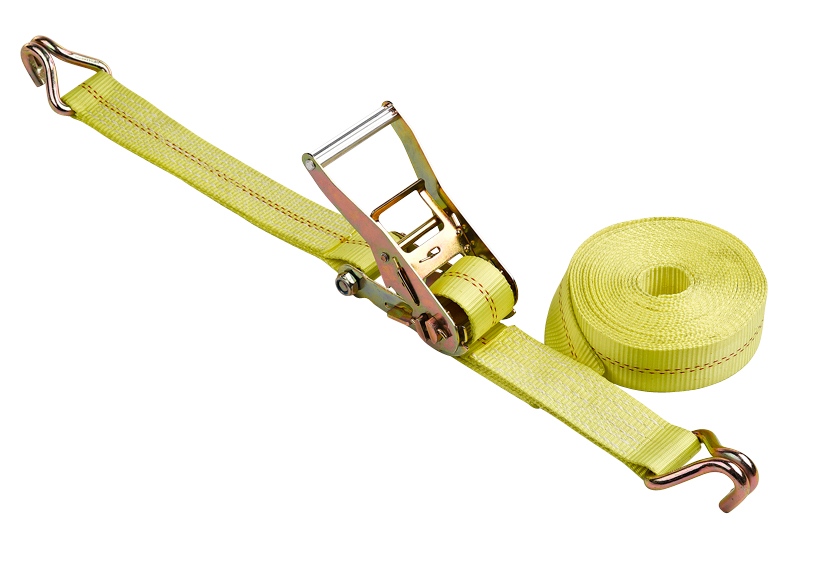
How Ratchet Straps Work
Ratchet straps utilize a mechanical ratchet to tighten and secure heavy loads. The ratchet mechanism allows users to easily apply strong pulling force. The steps for using ratchet straps are as follows:
- Check that the working load limit is equal to or exceeds the weight of the goods.
- Attach the hook to the anchor point.
- Open the ratchet handle and thread the strap through the slot.
- Tighten the strap to eliminate slack.
- Press the ratchet handle to tighten the strap.
- Ensure the strap does not come into contact with sharp edges.
- Lock the handle.
- To release, pull the release lever and open the handle.
This process helps users achieve a secure hold, making ratchet straps ideal for large or heavy loads. Baoying ratchet straps use durable webbing and corrosion-resistant hardware and can be customized for different applications.
How Cam-Snap Straps Work
Cam-Snap Straps use spring-loaded cam snaps to hold the strap in place. Users simply need to pull the strap tight by hand. Here are the steps for using cam-buckle lashing straps:
- Lay the lashing strap flat and thread one end through the cam.
- Place the lashing strap onto the cargo.
- Pull the other end tight.
- Adjust the lashing strap to ensure even tension.
- Check the tightness again.
Cam-buckle lashing straps are simple and quick to use. They are best suited for lighter cargo or fragile items. Baoying offers lightweight and easy-to-use cam-buckle lashing straps, and custom lengths and colors are available.
Best Uses
The difference between ratchet lashing straps and cam-buckle lashing straps lies in strength, ease of use, and the risk of over-tightening.
- Ratchet lashing straps are best suited for cargo exceeding 700 pounds (approximately 318 kg), such as machinery or vehicles.
- Cam-buckle lashing straps are suitable for lighter cargo or items requiring gentle handling.
- Ratchet lashing straps can apply greater tension, which can damage fragile items if pulled too tight.
- Cam-buckle lashing straps rely on manual application of force, thus reducing this risk.
| Strap Type | Risk of Over-tightening |
|---|---|
| Ratchet Straps | High (can damage fragile goods) |
| Cam Buckle Straps | Low (manual tension only) |
The difference between ratchet ties and cam-buckle ties helps users choose the right tool for different jobs. Baoying offers both types of ties and provides customization options to meet various cargo securing needs.
Advantages and Disadvantages of Ratchet and Cam-Buckle Ties
Advantages and Disadvantages of Ratchet Ties
Like cam-buckle ties, ratchet ties offer many advantages in securing cargo. Many people choose them because they are simple and quick to use.
Advantages of Ratchet Ties:
- Cam-buckle ties require less force to tighten, making them suitable for most people.
- They prevent you from pulling the ties too tight, thus protecting fragile goods.
- Ratchet ties are best suited for lighter cargo and quick securing tasks, such as moving furniture or small equipment.
- They are also suitable for medium-weight cargo, such as bicycles, kayaks, motocross bikes, ATVs, and camping equipment.
- Cam-buckle ties are simple to use and require less effort than ratchet ties.
- Buckle straps are very useful when you need to move items quickly and gently.
Disadvantages of buckle straps:
| Disadvantage | Description |
|---|---|
| Strength | A small buckle might come off or break if you pull too hard, so it is not as strong as bigger buckles. |
| Pinching | Buckles can pinch your skin, which can hurt or feel uncomfortable. |
| Aesthetics | Some buckles look cheap because they are made of plastic, and some people do not like how they look. |
Bao Ying’s cam-lock lashing straps are manufactured to high standards, making them ideal for moving and shipping.
Advantages and Disadvantages of Ratchet Straps
Ratchet straps are known for their high strength and ability to securely fasten goods. They are ideal for heavy-duty and long-haul transport.
Advantages of Ratchet Straps:
- Ratchet straps use tough, waterproof webbing to secure goods effectively.
- They are available in a variety of sizes, from small for light cargo to large for heavy equipment.
- You can combine them with different accessories, making them suitable for a variety of lashing operations.
- The ratchet mechanism allows you to secure goods quickly and easily.
- Ratchet straps ensure the safety of goods and help prevent accidents during handling.
- Many shipping companies use ratchet straps to secure trucks, trailers, and containers.
Disadvantages of Ratchet Straps:
| Disadvantage | Description |
|---|---|
| Risk of Failure | The retraction part can break, but this does not happen with simple straps. |
| Jammed Mechanism | Dirt or small bits can block the gears, making the strap hard to use. |
| Spring Fatigue | The spring can get weak over time, so it may not work as well. |
| Rust | Water can make non-stainless steel parts rusty. |
| Impact Damage | Dropping the strap can break the case or inside parts. |
| Higher Cost | Ratchet straps usually cost more than buckle straps. |
BAOYING’s ratchet ties are durable and have passed multiple safety certifications such as ISO 9001, CE, and GS, making them a reliable choice.
Choosing the Right Binding Solution
Factors to Consider
Choosing the right binding system depends on several factors. The weight and size of the items to be moved are paramount. Heavy-duty ratchet ties are best suited for large items such as cars or machinery. Cam buckle ties are better suited for lighter items such as furniture or small tools. Understanding the load-bearing capacity of the ties helps ensure safety. Inspect the ties for damage before use. Choose ties with a load-bearing capacity greater than the weight of the goods. Ensure the ties are securely fastened and tightened. Using sleeves or washers can prevent ties from wearing down. Regularly inspect the ties for damage to ensure they remain effective.
When to Choose Buckle or Ratchet Ties?
Ratchet ties offer strong grip and securely hold items, making them ideal for heavy and large goods. Ratchet ties are used for heavy-duty work because they effectively prevent goods from shifting. Buckle ties prevent over-tightening, making them more suitable for fragile or valuable items. Many people prefer buckle ties because they are quiet and ideal for hunting or outdoor activities. Buckle ties can also be used to secure tree frames when properly locked. Of course, some people still choose ratchet ties because they trust this method of binding.
| Strap Type | Best Use Cases | Special Features |
|---|---|---|
| Ratchet Straps | Heavy vehicles, machinery | High tension, durability |
| Cam Buckle Straps | Furniture, fragile items, gear | Gentle hold, quiet use |
BAOYING’s Custom Solutions
BAOYING offers a variety of binding strap options to meet diverse needs. They sell ratchet straps, cam buckle straps, and center buckle straps. The BaoYing team can customize binding straps to meet specific customer dimensions, colors, or accessories. Each binding strap undergoes quality inspection and meets international standards. Customers can customize special designs or use their own brand. BaoYing’s binding straps use high-strength webbing and rust-resistant metal. Fast shipping ensures you receive your order as soon as possible. BaoYing helps people transport goods safely through custom binding straps.
The table below lists the main differences between ratchet buckles and cam buckles. Ratchet straps securely hold items and are best suited for heavy objects. Cam buckles are simple to use and suitable for lightweight items.
| Feature | Ratchet Straps | Cam Buckles |
|---|---|---|
| Tensioning Mechanism | High tension, needs some skill | Easy to pull and let go |
| Weight Capacity | Higher, for big heavy things | Lower, for light items |
| Ease of Use | Takes practice to use right | Simple and easy for anyone |
| Suitability for Cargo | Good for large heavy cargo | Best for small light cargo |
| Durability | Lasts longer | Not as long-lasting |
Choosing the right lashing straps ensures safety and saves time. Strong and durable lashing straps help prevent accidents and damage. Marked lashing straps make it easier for workers and inspectors to check goods. Every component must function properly to avoid fines or lost goods.
FAQ
What is the main difference between buckles and ratchet lashing straps?
Buckles secure lashing straps by manually pulling them tight. Ratchets use gears and handles to further tighten the lashing straps. Ratchets are better suited for heavy loads. Buckles are better suited for light loads.
Can ratchet lashing straps be used for fragile items?
Ratchet lashing straps, if tightened too much, can damage fragile items. Cam buckle lashing straps are better suited for fragile items. They prevent over-tightening and ensure the items are secure.
How to choose the right lashing straps?
Check the weight and dimensions of the goods. Use ratchet lashing straps for heavy loads. Choose cam buckle lashing straps for light or fragile items. Always check the load limit on the lashing strap label.
Are BAOYING tie down straps certified for safety?
Yes. BAOYING binding straps meet ISO 9001 and CE standards. These certifications demonstrate that the binding straps have passed rigorous safety and quality testing.
How often should you inspect the binding straps?
Inspect the binding straps before each use. Check for cuts, abrasions, or sun damage. Replace any worn binding straps. Regular inspection helps ensure the safety of your goods.