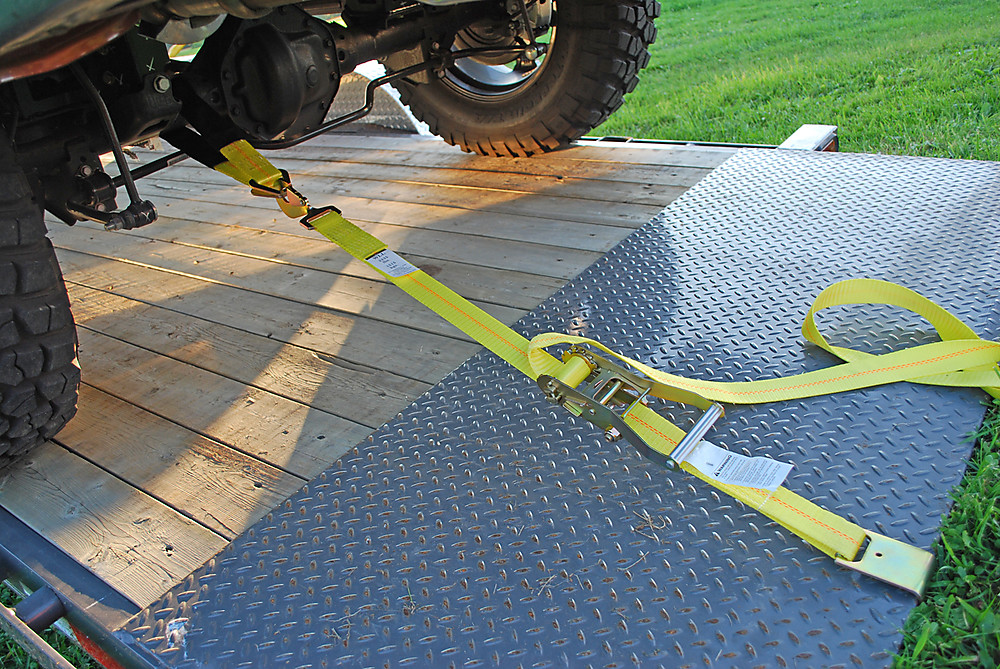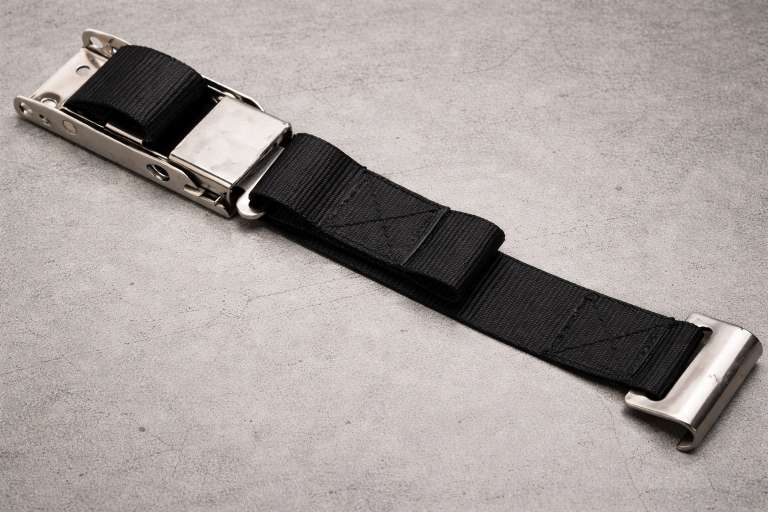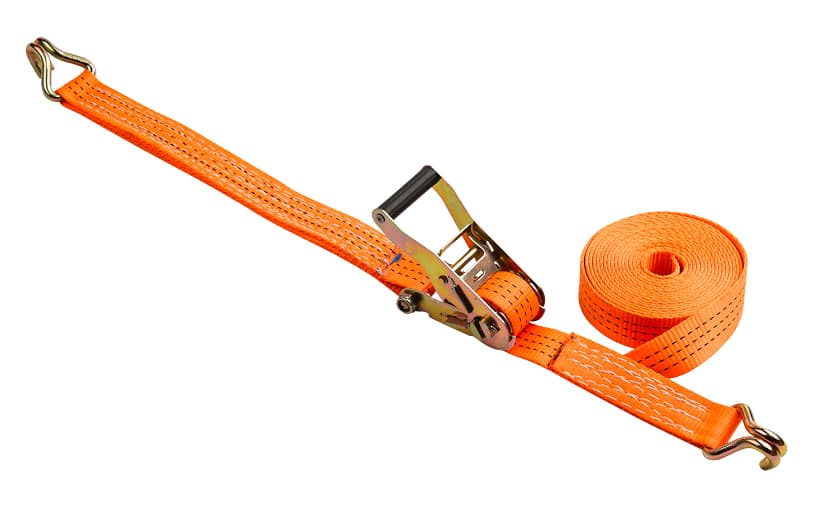
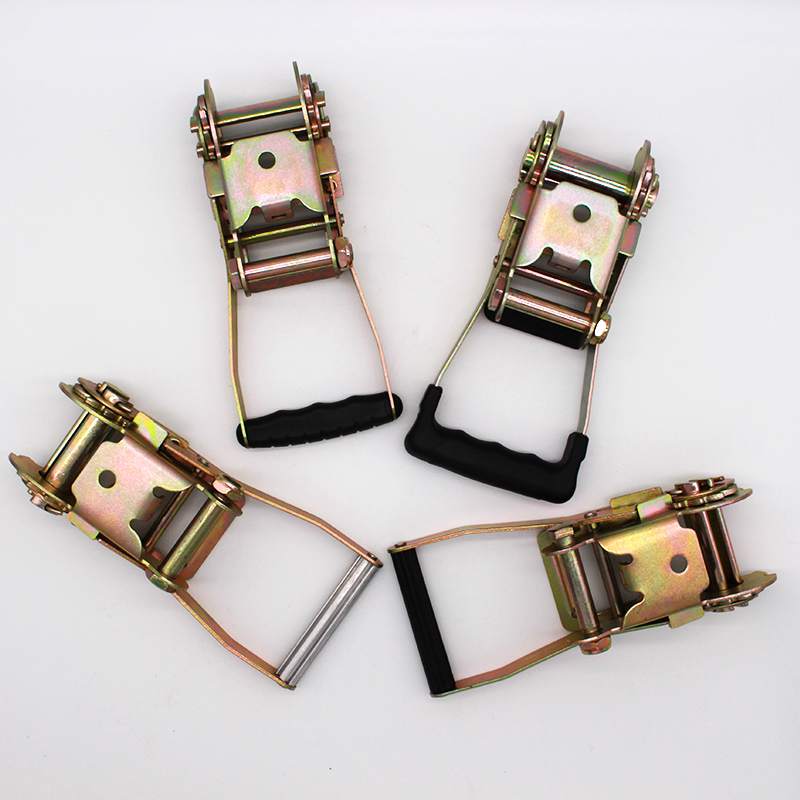
Five buckle closures are common in tie down hardware: cam buckle, ratchet buckle, over center buckle, ladder buckle, and side release buckle. Each design differs in how it locks, how much it holds, its best use, the standards it must meet, and cost. A cam buckle locks webbing with spring pressure, a ratchet buckle uses a geared handle to reach high tension, and over center, ladder, and side release styles each handle their own jobs.
BAOYING’s tie down hardware takes this further, with cam, ratchet, and over center buckles, hook fittings, and tie down straps rated from 500 to 10,000 lbs working load limit and finished with zinc anti corrosion coating.This guide compares each buckle closure on locking method, holding strength, best use, standards, and cost.
Key Takeaways
- Cam buckles lock webbing with spring pressure and adjust quickly for light loads.
- Ratchet buckles use a geared handle to hold heavy loads up to 10,000 lbs.
- Over-center buckles lock with a lever for fast, medium-duty tie-downs.
- Ladder and side-release buckles work best for light loads and quick adjustments.
- Match the buckle to your load weight, adjustment needs, and required certifications.
Cam Buckle Hardware and How It Works
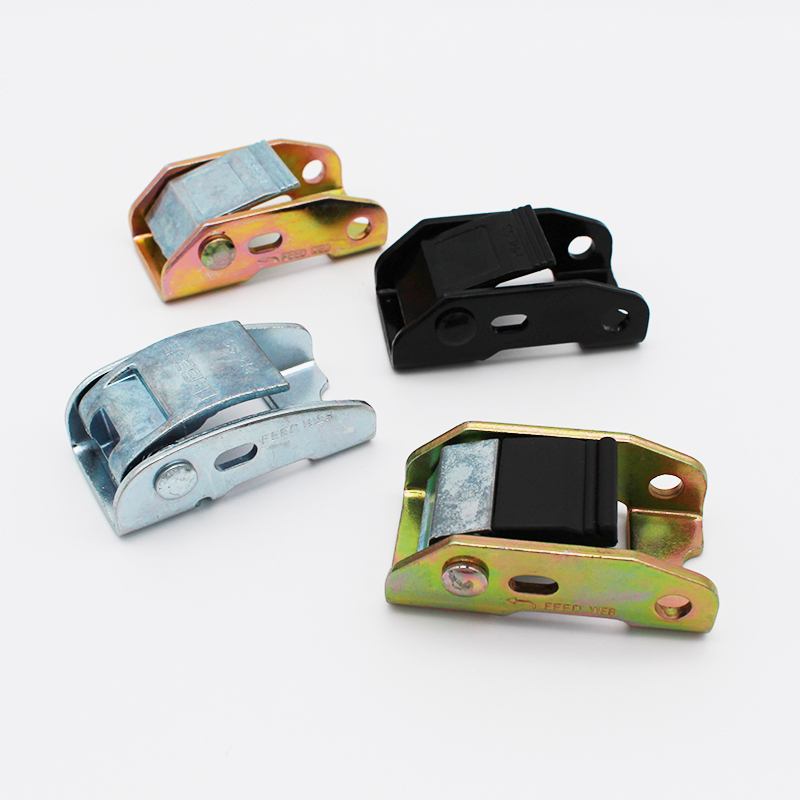
A cam buckle hardware unit holds webbing tight using spring pressure. The webbing goes through the frame, and a spring-loaded cam pushes down to grip it. The user lifts the cam to let the strap go. This easy action makes cam buckle hardware one of the fastest tie-down hardware choices to adjust.
Different Types of Cam Buckle Hardware
Buyers can find several forms of cam buckle hardware. One-piece cam buckle straps keep the buckle and hook on a single length of webbing. Two-piece straps use webbing loops to connect the buckle to separate anchor ends. Hardware variations include cam buckles with hooks, loop ends, and clip ends. A 1-inch alligator clip or a set of alligator clips works for light tie-downs that need a quick grip. These clips are not the same as threaded belt-style buckles and snap buckles, which lock through friction or a click mechanism instead of a cam. A 1 inch cam buckle hardware size fits small loads, and 2-inch cam buckle hardware handles medium tie-downs. A wholesale supplier can confirm which size works for a given load.
Cam Buckle Performance and Cost
Cam buckle straps give moderate holding strength, fast adjustment, and lower cost. They work for lighter loads and cargo that needs frequent re-tensioning. BAOYING cam buckle straps use high-tenacity polyester webbing and zinc-plated hardware, with WLL options starting at 500 lbs. These tie-down straps stand up to wear and salt spray across marine, truck, and industrial tie-downs. Quality benchmarks such as ISO 9001, CE, and GS certification give buyers a fair way to compare suppliers. A factory that holds these certificates offers a dependable choice over cam buckle hardware from unknown sources. For custom tie-downs, a manufacturer can tailor webbing color, logo, and length.
Ratchet Buckle Closures
How Ratchet Buckles Work
A ratchet buckle uses a geared handle to pull webbing tight. The user opens the ratchet, feeds the webbing through the mandrel, and cranks the handle. Each crank turns the gear and adds tension. A release lever frees the gear when the job ends. This makes ratchet hardware one of the most controllable forms of tie-down hardware.
Two-piece construction is common for ratchet straps. One end holds the ratchet hardware, and the other end holds a hook. The user attaches both hooks, then cranks. This setup works well for long runs of webbing and repeated tensioning. A wholesale supplier can provide ratchet hardware as a standalone part or as a complete assembly.
Ratchet Buckle Strength and Applications
Ratchet buckles work well for heavy cargo, furniture, and appliances. They tighten with less effort and hold tighter than most other buckle types. That makes ratchet hardware a common pick for truck, marine, and industrial securement jobs. Long bumpy hauls also favor ratchet straps, because the gear keeps constant tension on the webbing.
Performance and cost follow the same pattern. Ratchet hardware gives the highest tension among common buckle types. It also costs more and adjusts a little slower than a cam buckle. BAOYING ratchet straps support WLL up to 10,000 lbs. Buyers who need custom tie-downs can ask the manufacturer for ODM/OEM options. A factory with ISO 9001, CE, and GS certification gives importers a fair benchmark. Ratchet hardware suits heavy loads best, while other tie-down hardware styles remain better fits for light jobs.
Over-Center Buckle Closures
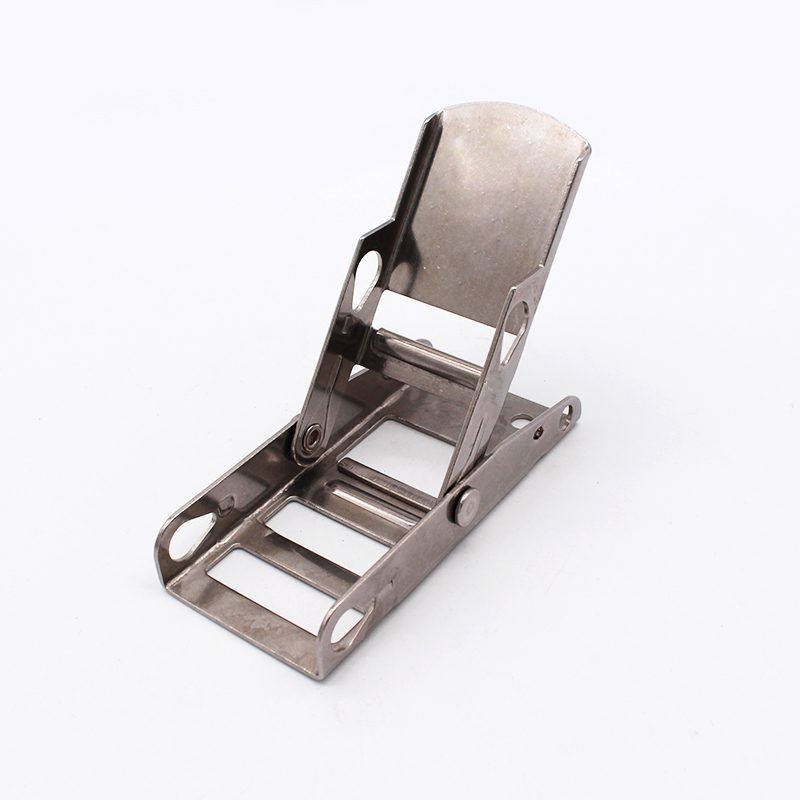
How Over-Center Buckles Work
An over-center buckle uses a lever that flips past its center point to lock the strap under tension. The user pulls the lever down, and the linkage passes the midpoint and snaps into a locked position. The latch stays closed under load because the lever sits past center. A quick lift of the lever releases the latch, and the strap goes slack. This locking mechanism opens and closes in one motion, so the user needs no tools and no cranking.
The design differs from a cam buckle, which grips webbing with spring pressure. An over-center buckle holds a fixed length of strap, and the lever supplies the tension. Operators hear and feel the latch click into place, which confirms a secure lock. That feedback helps workers on a busy dock or trailer deck.
Best Uses for Over-Center Buckles
Over-center buckles suit utility trailers, equipment straps, and general cargo control. These tie-downs shine wherever fast latching matters more than maximum tension. A worker can open the latch, hook the ends, and close the lever in seconds. Fleet operators like this speed for routes with many stops. Equipment straps for small machines and carts also pair well with these tie-downs.
Performance sits in the middle range. Over-center buckles give moderate holding strength, fast operation, and mid-range cost. They work well for medium loads on tie-downs that need frequent connect and disconnect. BAOYING offers over-center buckle straps and over-center buckles as part of its tie-down hardware line. A wholesale supplier can match these tie-down hardware pieces to the right webbing width. Buyers who need custom tie-down hardware can request ODM/OEM options from the manufacturer. Quality benchmarks such as ISO 9001, CE, and GS certification help buyers compare suppliers on equal terms. These tie-downs fit medium-duty jobs, while other tie-down hardware styles serve lighter or heavier loads.
Ladder Buckle and Side-Release Closures
Ladder Buckles Explained
A ladder buckle holds webbing with a simple ladder-style frame. The user threads the strap through the frame’s bars, and friction between the bars and the webbing keeps the strap in place. The open frame lets the user set any length by moving the strap to a different bar. This design makes ladder buckles one of the simplest types of straps hardware on the market.
Ladder buckles fit light-duty and adjustable-length jobs. They work well on tie-downs for luggage, small carts, and light equipment covers. A user can shorten or lengthen the strap in seconds without tools. These tie-downs cost little and need almost no maintenance. They are not built for heavy cargo, and users should keep them on light loads. A wholesale supplier can pair ladder buckles with the right webbing width for a given job.
Side-Release Buckles Explained
A side-release buckle clicks two halves together and releases with side tabs. Plastic versions dominate light tie-downs, and metal versions serve tougher light-duty jobs. The user pushes the two halves until they click, then squeezes both side tabs to open the buckle. This snap action makes side-release buckles the fastest connect and disconnect option among tie-down hardware.
These tie-downs suit light loads and quick connect/disconnect needs. Backpacks, gear bags, and light covers all use them. A user can open and close the buckle with one hand, which helps in tight spaces. Side-release buckles are not intended for heavy cargo. They serve light securement applications where speed matters more than holding strength.
Both closures share a light-duty profile and a lower cost tier. Neither is inferior; each fits its own job. Ladder buckles favor adjustable length, and side-release buckles favor fast connect and disconnect. A manufacturer can supply either style as part of a full tie-down straps line. Buyers who need custom tie-down hardware can request ODM/OEM options from the factory.
Choosing the Right Tie-Down Buckle
Matching Buckle Type to Load
The table below sums up how the five closures compare. Load numbers come from the working load limits given earlier in this article.
| Buckle type | Locking method | Typical load range | Adjustment speed | Compliance notes | Cost tier |
|---|---|---|---|---|---|
| Cam buckle | Spring-loaded cam grips webbing | From 500 lbs WLL | Fast | ISO 9001, CE, GS benchmarks | Lower |
| Ratchet | Geared handle and release lever | Up to 10,000 lbs WLL | Slower | ISO 9001, CE, GS benchmarks | Higher |
| Over-center | Lever flips past center | Medium-duty | Fast | ISO 9001, CE, GS benchmarks | Mid-range |
| Ladder | Webbing threads through frame bars | Light-duty | Fast | Supplier quality checks | Lower |
| Side-release | Halves click, side tabs release | Light-duty | Fastest | Supplier quality checks | Lower |
The weight of the load is the first thing to think about. Heavy freight calls for ratchet hardware, but light covers work fine with ladder or side-release tie-downs. Next, think about how often you adjust the strap. Crews on routes with many stops often choose over-center tie-downs or cam buckle straps because they are fast. The place you work also affects the material you pick. Marine and truck jobs do best with zinc-plated tie-down hardware that fights off salt spray. Budget is the last piece, and every price tier has a good fit.
Compliance and Cost Trade-Offs
Certification gives buyers a fair way to compare a wholesale supplier. A factory that holds ISO 9001, CE, and GS certificates shows it has a quality process on paper. Before ordering tie-downs in large amounts, buyers should ask any supplier for current certificates.
Cost goes up with holding strength across the range. Cam buckle hardware and light-duty tie-downs sit at the low end, and ratchet hardware sits at the top. Mid-range over-center tie-downs balance price and speed. If a buyer needs a custom tie down buckle, they can ask BAOYING for ODM/OEM service, which covers webbing color, logo printing, hardware shape, length, and width. Custom tie-down straps from a manufacturer with in-house R&D keep batch quality steady. The right pick depends on the job, and each type earns its place.
This guide covered five tie down buckle closures: cam, ratchet, over-center, ladder, and side-release. Each one locks webbing in its own way. Readers should weigh load weight and tension needs first. Next comes how often you adjust the strap, then the working environment. Marine and truck jobs reward zinc-plated hardware that resists salt spray. Compliance requirements matter too, so buyers should check ISO 9001, CE, and GS certificates before ordering tie-downs in volume. Budget closes the list, and every price tier holds a solid option. BAOYING builds all five styles for wholesale buyers. No single design wins every job. Smart buyers match the tie-down to the task, and these tie-downs then deliver dependable securement.
FAQ
Which buckle type holds the heaviest load?
Ratchet buckles hold the most tension among common styles. BAOYING ratchet straps reach a working load limit up to 10,000 lbs. Heavy freight, furniture, and appliances suit this hardware best. Lighter cargo does fine with other buckle styles.
How fast can a worker adjust a cam buckle strap?
A cam buckle adjusts in seconds. The user lifts the spring-loaded cam, slides the webbing, and presses the cam down to lock. Crews that re-tension cargo often favor this speed. A wholesale supplier can pair cam hardware with the right webbing width.
Do ladder and side-release buckles work for heavy cargo?
No. Both styles serve light-duty jobs. Ladder buckles fit adjustable-length straps for luggage and small carts. Side-release buckles favor fast connect and disconnect on gear bags and light covers. Heavy freight needs ratchet or over-center hardware instead.
What certifications should a buyer check before ordering tie-downs?
Buyers should ask for current ISO 9001, CE, and GS certificates. These documents show a factory follows a documented quality process. A manufacturer with in-house R&D and these certificates gives importers a fair benchmark. Custom orders should meet the same standard.
Can a buyer order custom tie-downs in small batches?
Yes. Many factories offer ODM/OEM service for tie-downs. Options cover webbing color, logo printing, hardware shape, length, and width. A supplier near a major port, such as Ningbo Beilun, can ship fast. Buyers should confirm batch quality before large orders.