You should always pull a strap tight by hand before ratcheting. This step is the foundation of safe cargo securement, not an optional shortcut. Skipping it lets a ratchet strap slip off the mandrel, snag on cargo edges, or lose tension once the truck moves, which can damage freight and trigger accidents. A tight strap removes slack so the ratchet grips cleanly and winds evenly. Professional tie-down makers such as BAOYING build ratchet straps with high-tenacity polyester webbing and zinc anti-corrosion hardware rated for 500–10,000 lbs working load, and every unit carries a visible load tag under DOT, CVSA, and WSTDA guidelines.
Key Takeaways
· Always pull the webbing tight by hand before ratcheting to remove slack and stop slipping.
· Thread the strap flat through the mandrel with 2–4 wraps; one twist can cut strength by up to 50%.
· Use the ratchet only for final tension — crank until the strap feels firm like a guitar string.
· Re-check tension after the first 10–15 miles; FMCSA expects a formal check by 50 miles.
· Balance tension on both sides and use 2+ straps for small loads, 3+ for heavy freight.
Why Pulling a Ratchet Strap Tight Matters for Load Safety
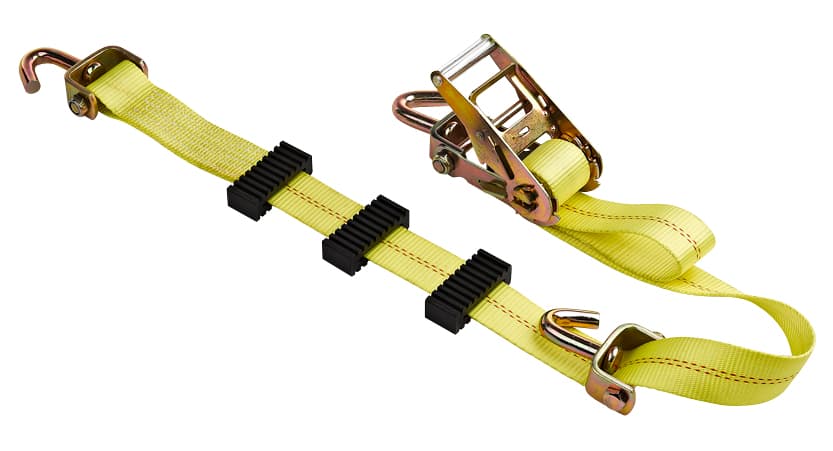
Stops slipping and snagging
Loose webbing behaves badly inside the buckle. The mandrel needs friction against flat webbing to hold; a slack strap gives almost none, so it slides sideways, bunches, or pops free from road vibration. Snagging is the second risk: loose material catches on corners, bolts, or rough surfaces and creates a weak point that can fail under load. Pulling tight by hand lays the webbing flat, so it cannot shift or snag. Quality ratchet straps from a reliable manufacturer pair high-tenacity polyester with zinc-coated hardware that resists rust and stretch, keeping tension steady on bumpy hauls.
Sets the right base tension
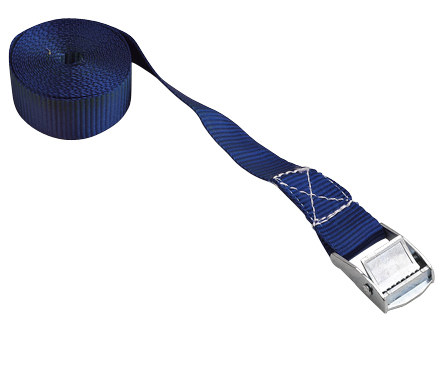
A strap with too much slack lets cargo slide, tip, or bounce and shifts the load’s center of gravity — a leading cause of rollovers and shifted boat trailers. Hand-tightening sets the base tension; the ratchet then adds mechanical advantage to reach final secure tension without over-stretching the webbing or straining the hardware. For lighter freight that only needs hand pressure, a cam buckle strap is a simpler, gentler option that tightens without tools and will not crush fragile goods. Matching the strap to the load — not the other way around — is the whole point of a correct securement plan.
How to Tighten a Ratchet Strap Before Ratcheting: Step by Step
Thread the webbing flat
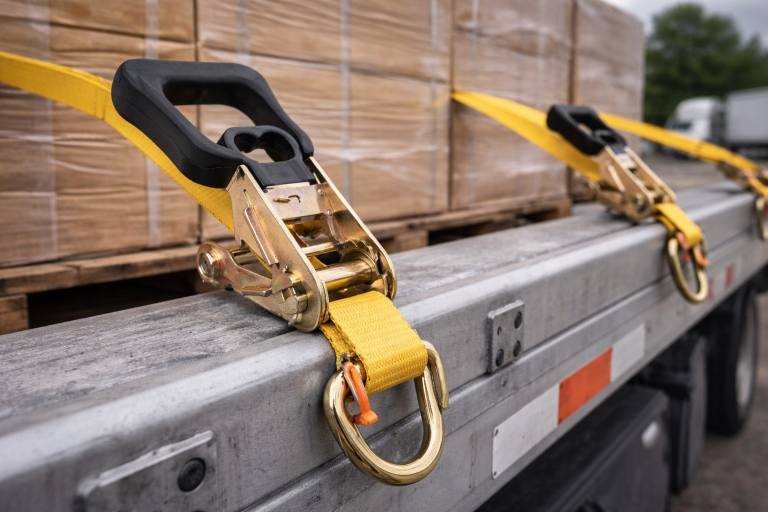
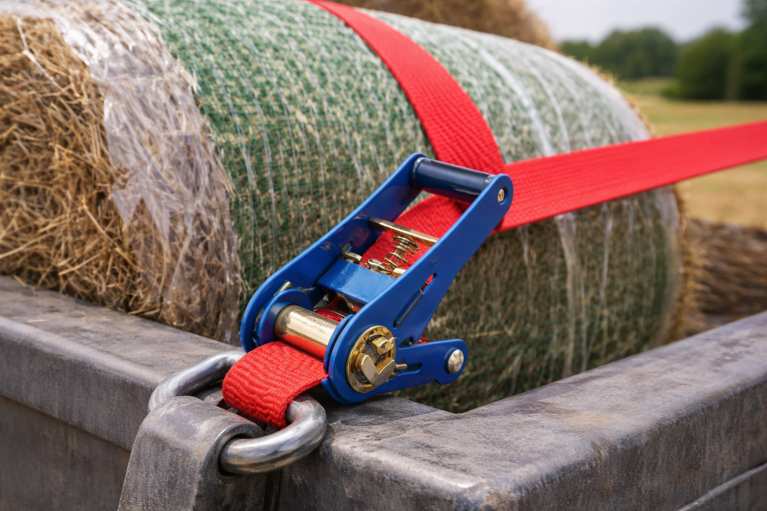
Open the ratchet fully and feed the loose end up through the center mandrel slot, over the axle, and back out. Pull a generous amount of excess webbing through by hand and lay both layers flat. A single twist concentrates stress on one edge and can reduce effective strength by up to 50 percent; knots are worse, crushing individual fibers and cutting strength 30–50 percent even after they are untied. Run a hand along the full length to remove every twist before you continue.
Pull snug, then ratchet
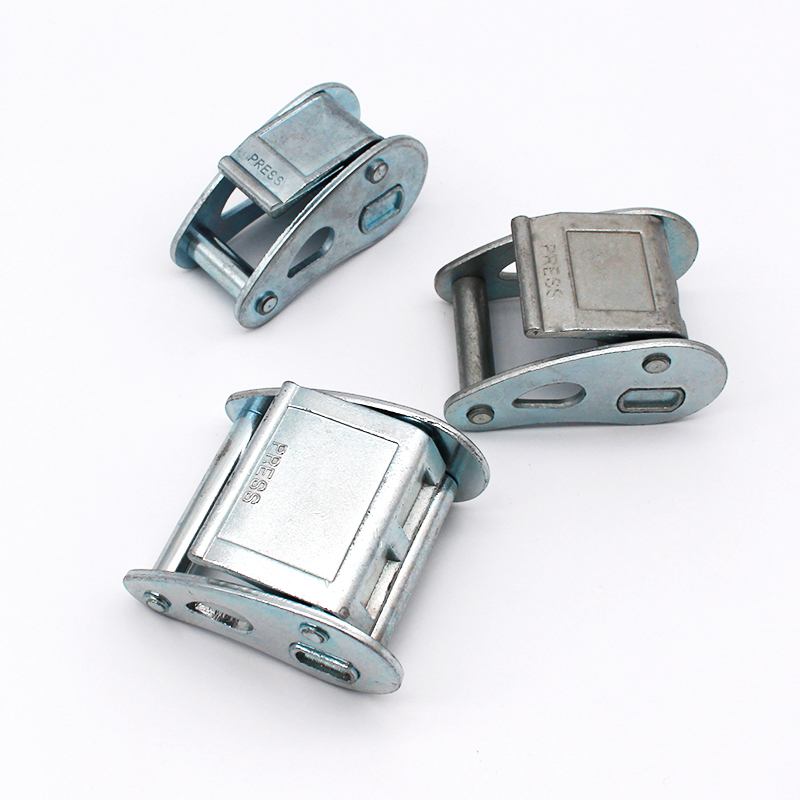
Make 2–4 full wraps around the mandrel to build friction, then pull the tail by hand until the strap feels snug — do not use the ratchet to drag yards of slack through the mechanism. Once the webbing is set, work the handle back and forth to shorten the strap and lock the pawl; pushing the handle down secures it for transit. Stop when the cargo feels firm. Binding or grinding sounds mean you have over-tightened. For cargo that must stay locked without re-checks, an over center buckle strap uses a lever-toggle self-locking structure that holds tension through thousands of tightening cycles.
How the three main tie-down straps compare:
| Strap type | Tension method | Typical working load | Best use |
| Ratchet strap | Ratchet handle + mandrel (mechanical advantage) | 500–10,000 lbs | Truck, marine, industrial heavy loads |
| Cam buckle strap | Hand-pulled cam, no tools | Light–medium (hand tension) | Kayak, RV, roof rack, fragile cargo |
| Over center buckle strap | Lever-toggle self-locking | Heavy, permanent lock | Construction equipment, long-term fixation |
All BAOYING straps use high-tenacity polyester webbing and zinc anti-corrosion hardware; ratchet models run 1–4 inch webbing width. Match the strap’s rated WLL to the cargo weight.
Custom and wholesale supply
For fleet buyers and distributors, BAOYING offers ODM/OEM customization of webbing color, logo, length, and width from a self-owned workshop 18 km from Ningbo Beilun Port. Backed by ISO 9001 plus CE and GS certification, the factory controls a stable production cycle and consistent batch quality for wholesale and custom orders — so importers and trailer brands get the exact strap their application needs.
Final Tension Checks and Ratchet Strap Safety Tips
The guitar-string tension test
Judge tension by feel: a properly tightened strap is taut like a guitar string but still gives slightly when you push it, and the cargo should not move by hand. A strap that feels loose invites shift; one that is rock-hard can crush freight or stretch the webbing. Match the strap’s rated working load limit to the cargo weight — a professional manufacturer designs each strap to a specific WLL, so never exceed the printed capacity stamped on the tag.
When to re-check on the road
Cargo settles after the first miles, so a strap that was drum-tight at the dock can go slack on the road. Re-check tension after the first 10–15 miles, then at fuel stops and after rough sections; FMCSA expects a formal inspection by 50 miles. BAOYING straps resist salt spray, wear, and vibration for marine, truck, and industrial use, yet no hardware replaces a walk-around check. Drivers who pluck every strap like a guitar string at each stop keep loads secure for the whole trip.
FAQ
Q: How tight should a ratchet strap be?
A: Firm like a guitar string but with slight give; the cargo should not move by hand. Stop once the load feels secure — over-tightening can crush cargo or stretch the webbing.
Q: Can you ratchet without pulling tight first?
A: No. Hand-pulling removes slack so the mandrel grips and the pawl locks. Loose webbing slips or bunches and can release the load without warning.
Q: How many straps does a load need?
A: At least two for small to medium loads (one each side); three or more for heavy or large freight. A factory or supplier can help match strap capacity to cargo weight.
Q: Does strap quality change how tension holds?
A: Yes. High-tenacity polyester and zinc-coated hardware resist stretching, salt spray, and vibration, so a dependable supplier delivers steady tension for wholesale and fleet buyers.
Pulling a ratchet strap tight before ratcheting is a small habit with a big safety payoff: it stops slipping, protects freight, and lets the mechanism work as designed. Pair the right strap with balanced tension and a mid-trip check, and your load stays put from dock to destination.