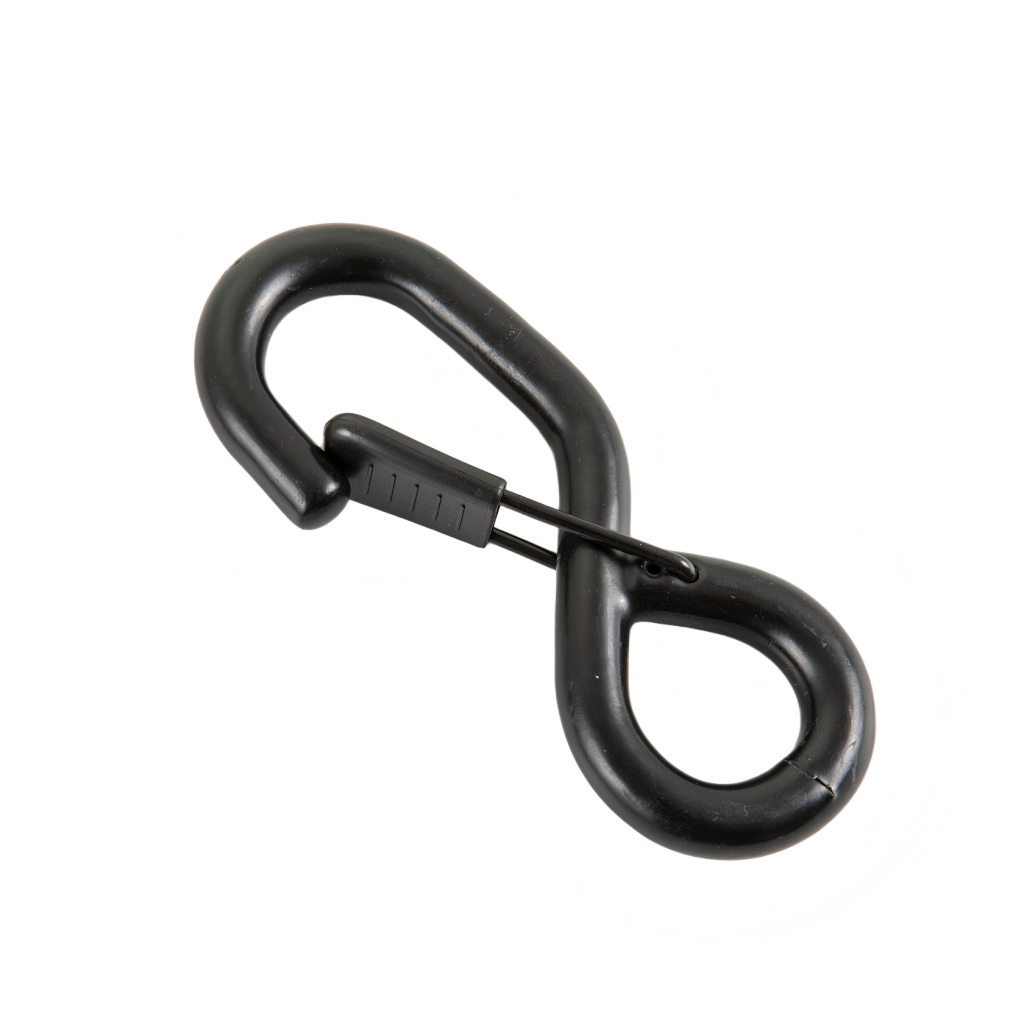
An S hook is a curved metal connector shaped like the letter S, used to hang, link, or organize items. You see these hooks in kitchens, garages, and retail displays. This guide explains S-hook types, materials, load limits, and safe selection. A pinched or safety-latch S hook holds loads better than an open hook.
Key Takeaways
- Choose the right S hook for your job. Consider the weight, environment, and how you will use it.
- Always load S hooks vertically. Side or tip loading weakens the hook and can cause failure.
- Pick a pinched, welded, or safety-latch S hook for heavy loads, children, or valuables. These styles hold better and prevent accidents.
What Are S-Hooks?
S Hook Basics
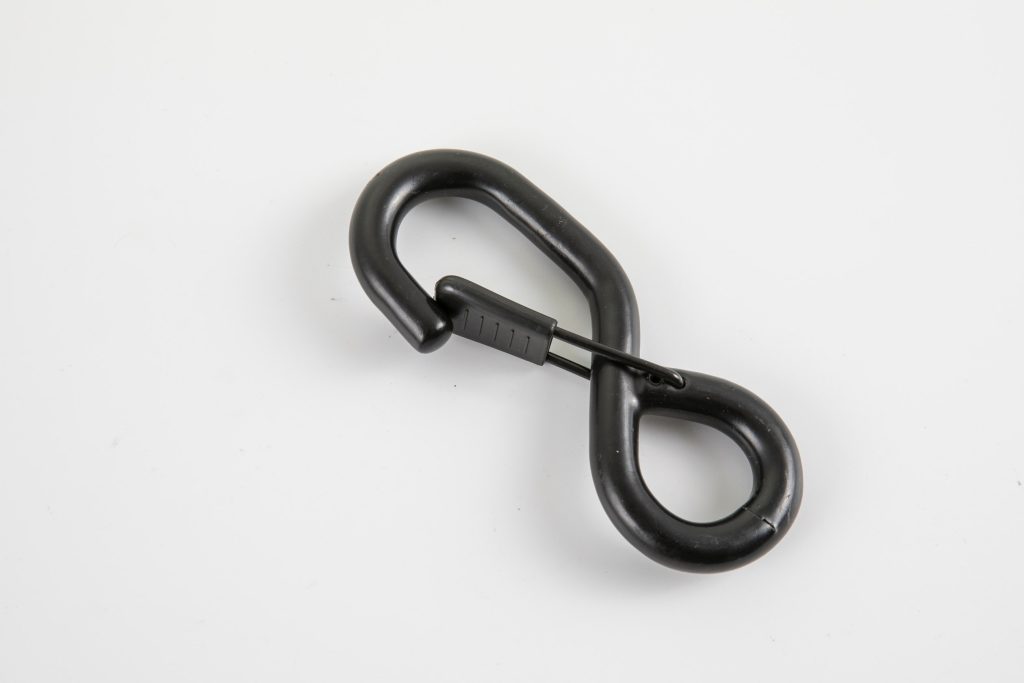
An S hook is a curved metal connector shaped like the letter S. People also call it an S-shaped hook, a utility hook, or a ceiling hook. This simple device helps you hang, link, or organize items in many settings. The S-shape creates two curved ends that grip rails, pipes, or chains. Each end bends in the opposite direction. This design allows easy attachment and removal without extra hardware.
A standard S hook works as a hanging accessory for everyday tasks. You can hang pots, tools, or plants with one. The two points of contact give stable support. Many S hooks require no tools for installation. This feature makes them popular for quick hanging jobs. A basic hook offers quick connect and disconnect capability. That is why people use them as a connector between a rope and a load. The open design also allows fast repositioning.
Types of S-Hooks
The types of S-hooks vary by shape and strength. Open S hooks suit temporary tasks. You might use one for lightweight signs or short-term décor. A pinched S-hook closes the gap for a more secure hold. Retailers often choose a pinched S-hook to hang signs in spaces with airflow. A welded or heavy-duty S hook handles industrial jobs. Warehouses and rigging setups rely on these for durability.
Safety or snap S hooks include a latch for extra security. Gyms and factories use them where vibration occurs. Decorative hooks blend beauty with function. Home organization, garden displays, and retail merchandising all benefit from these. The types of S-hooks also include specialty styles for niche needs. Each type of S hook serves a distinct purpose. Choosing the right one depends on the load and the environment.
Strength and Materials for S Hooks
S-Hook Materials and Finishes
The material of an s hook decides how long it will last. A stainless steel s hook fights rust very well. Stainless steel s hooks have chromium and molybdenum inside them. These elements give stainless steel s-hooks strong protection against corrosion. These s-hooks work well outdoors, in industry, and in damp places. A galvanized s hook costs less money. Galvanized s hooks work fine for indoor jobs. Powder-coated s-hooks add grip and color. Some heavy-duty PVC-coated s-hooks have an aluminum core. The aluminum core makes them stronger without making them heavier. These s-hooks stay tough and do not conduct electricity. These s-hook materials each do a different job. Every setting needs its own s hook finish. The table below shows how common finishes compare:
| Comparison Dimension | Galvanized / Flat Metal S Hook | Stainless Steel S Hook |
|---|---|---|
| Material | Carbon Steel or Galvanized | 316 Stainless Steel |
| Rust / Corrosion Resistance | Low to Moderate | High |
| Price Tier (per unit) | $1–$3 | $4–$12 |
| Recommended Environment | Indoor, light-duty use | Outdoor, heavy-duty, industrial |
| Lifespan | 1–3 years | 10–20 years |
| Certifications | None | OSHA, ASME, Electropolished |
Selection falls into three tiers:
- Budget-Friendly: Galvanized or flat metal s hooks come at a low price.
- Mid-Range: Stainless steel s hooks carry a moderate load capacity.
- Premium: Certified stainless steel s hooks take on high loads.
“I’ve used these for years—no rust, no deformation, even in high-humidity areas.” — Industrial installer using stainless steel s hooks for overhead lifting in a warehouse.
Load Limits and Load Direction
Working load limit (WLL) is the most weight that is safe to use normally. The most weight an s-hook can hold depends on wire diameter, material, and design. An open s hook holds less when force pulls from the side or tip. Vertical loading keeps the recommended working load limit. Side or tip loading makes the connection much weaker. This can bend the metal past its rated value.
| Loading direction | Effect on safe load capacity of open s-hooks |
|---|---|
| Vertical (straight down) | Maintains the recommended WLL |
| Side or tip/angled loading | Weakens capacity; can fail below the rated WLL |
Side loading, back loading, or tip loading a hook can damage the hook and reduce its capacity, so these loading conditions must never be used.
Real-world ratings are not all the same. A pinched s-hook closes the gap. Safety-minded buyers pick a pinched s-hook when children are near. Every s-hook has a rating printed on it. The right s-hook depends on the job. Buyers should check s hooks often. These s hooks do everyday tasks. Some s-hooks come with safety latches. Stainless steel s-hooks also show up in marine rigging. A welded s-hook works for permanent connections. A safety-latch s-hook stops drops. Buyers should pick an s-hook with care. The manufacturer’s printed working load limit shows the real capacity. Hanging plants almost never need high load capacities. Rigging needs certified strength. Cargo-control suppliers usually test each batch before shipping. Quality hooks fight rust for years. Standalone hooks almost never face heavy weight.
Choosing the Right S Hook
Common Uses for S Hooks
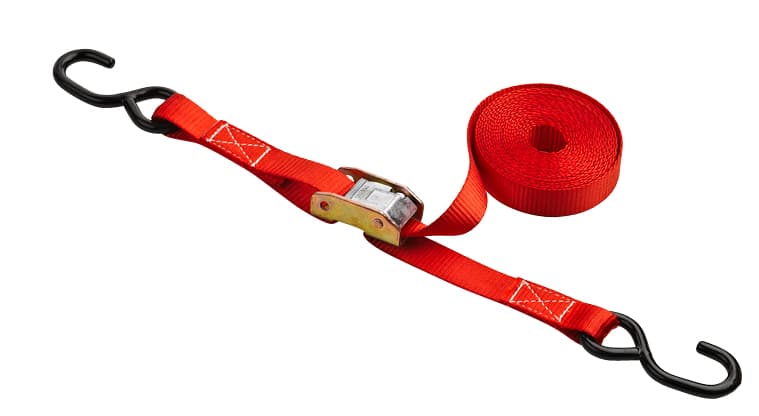
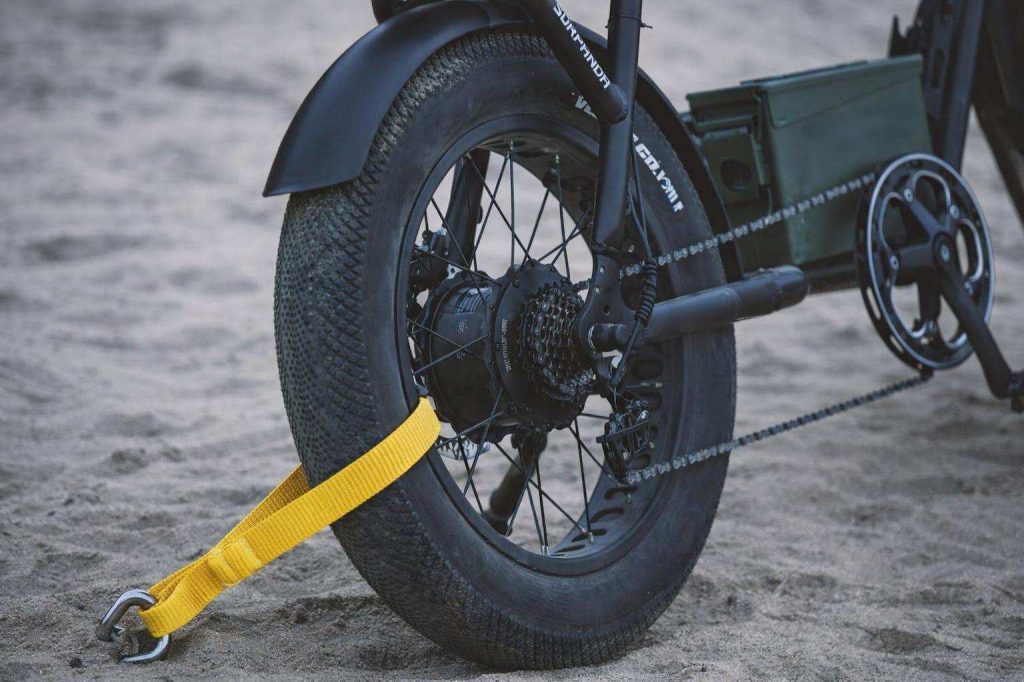
An s hook solves problems in many rooms and workplaces. Home cooks hang pans from a rack with an s-hook. Gardeners use an s hook to lift a flower pot toward sunlight. Teachers rely on s hooks for quick hanging of student work. Retailers build ceiling displays with s-hooks on clip strips. A warehouse crew uses heavy s hooks for overhead storage. A garden swing needs a strong s-hook at each chain link. Cargo control is another major job. An s hook and a tie-down hook work together with ratchet straps and cam buckle straps.
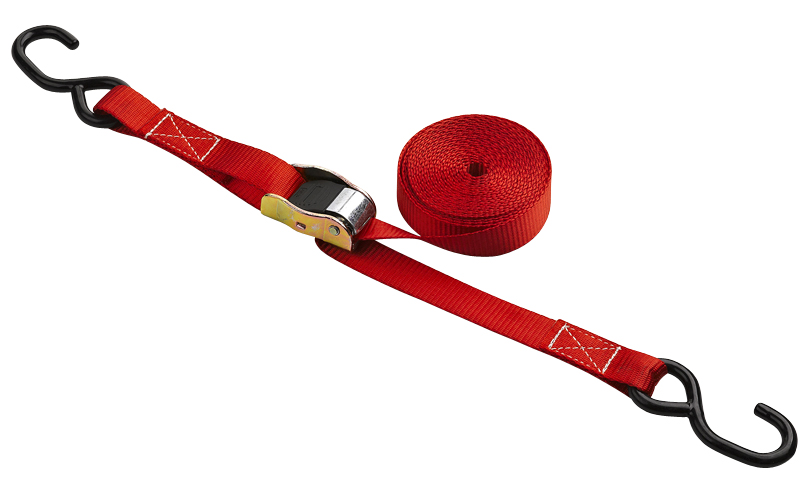
Professional cargo systems show real numbers. A 1-inch retractable strap with a vinyl-coated s-hook carries a 500 lb working load limit and a 1,500 lb break strength. A heavy-duty retractable strap with a PE-coated s-hook reaches 1,660 lb. A 1-inch tiedown with an open s-hook style end and a ratchet buckle holds 700 lb. The same tiedown with a cam buckle holds 330 lb.
Manufacturers like BAOYING build load-security hardware for trucks, marine work, and heavy loads. Their tie-down straps and hardware support working load limits from 150 to 3000 kg. Marine straps use stainless steel or corrosion-resistant metal for saltwater exposure.
S-Hook Selection Tips
A short checklist keeps any buyer safe. First, add up the total weight of the item. Second, study the environment. Wet or salty air calls for stainless steel. Third, pick the hook style. Fourth, check the mounting system. Fifth, judge how often the hook will move.
A pinched s-hook closes its gap and grips better than an open s hook. A welded s-hook suits permanent connections. A safety-latch s-hook prevents accidental drops. Buyers who need custom sizes, colors, logos, or materials can ask a factory for OEM or ODM service. Commercial projects often need this flexibility.
One safety rule matters most. When in doubt, choose a pinched s-hook, a welded s-hook, or a safety-latch s hook. These styles hold heavy loads, protect children, and guard valuable items. A cheap open s-hook may bend at the tip. A rated s-hook with a printed working load limit gives real confidence. Match every s hook to its job, and the hardware will last for years.
An s hook is a versatile connector for hanging items. Select using weight, environment, and mounting. Check the working load limit. OSHA enforces manufacturer-rated safe loads. Choose a pinched s-hook, welded s-hook, or safety-latch s hook for heavy loads, children, or valuables. Keep s-hooks and stainless steel s hooks on hand. Match hardware to each task.
FAQ
This section answers common questions about choosing, loading, and connecting utility hooks. A hook’s strength depends on its material and shape. Buyers use these hooks for hanging tools and plants.
Can a person connect two s hooks to make a longer chain?
Linking them creates a longer connector. Choose a pinched s-hook or safety-latch style for a permanent connection. Each hook carries a printed rating. Check the hook before use.
How does a buyer choose between an open hook and a pinched one?
An open hook suits temporary jobs. A pinched hook closes its gap for a secure hold. A safety hook includes a latch. Many wholesale suppliers sell s-hooks in bulk.
What is the correct way to load a heavy s hook?
Load it vertically. Vertical loading maintains the working load limit. Side or tip loading weakens the connection. Do not use a damaged hook. The hook tip must face the load.